Philippines · National Capital Region
Where to Stay in Las Piñas, National Capital Region
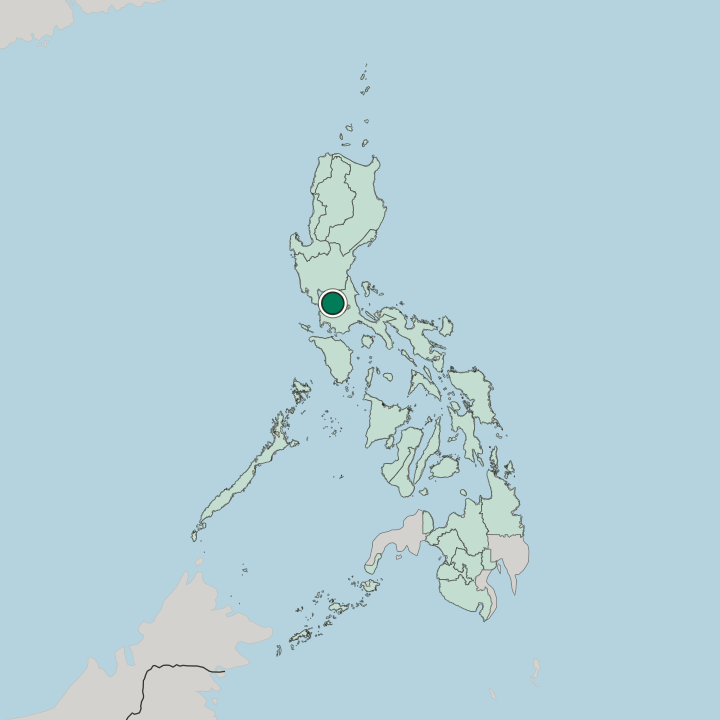
Las Piñas is a suburban city of southern Metro Manila, in the National Capital Region of the Philippines, known for its bamboo organ.
Hotel links are affiliate links: booking through them may earn us a commission, at no extra cost to you. It never affects how places are ranked. How this works


Where to stay in Las Piñas
The practical side of choosing where to sleep.
Two landmarks decide a room here. The Las Piñas Bamboo Organ and Las Piñas Church put the city's most distinctive pair of stops within a short walk of each other, so a bed in that quarter buys the local visit outright and asks nothing of Metro Manila traffic. Zapote Bridge is the other pole.
Rooms towards the crossing sit nearer the outer boundary of the National Capital Region, which helps anyone driving out rather than in, though the streets there run to plain suburban housing with little to look at. The pull of the wider metro is real. SM Mall of Asia Arena, Cuneta Astrodome and Star City all sit in the neighbouring cities of southern Metro Manila, close enough that a room in Las Piñas works as a base for an evening at any of them.
Museums cluster the same way. The Philippine Air Force Aerospace Museum, GSIS Museo ng Sining and the Dessert Museum are all names within reach of a Las Piñas base, which suits you if the visit is being planned around the metro rather than around this one city. Stay in the organ quarter otherwise.
Find hotels in Las Piñas
Direct booking searches for these neighbourhoods.
Bamboo Organ quarter
The quarter that holds the Las Piñas Bamboo Organ and Las Piñas Church together.Find hotels in Bamboo Organ quarterDriving out past Zapote BridgeZapote Bridge side
Plain suburban streets near Zapote Bridge, at the outer boundary of the National Capital Region. Beds are limited here, so book early.Find hotels in Zapote Bridge sideEvenings at SM Mall of Asia Arena or Cuneta AstrodomeMetro-facing edge
A Las Piñas base for the venues of the neighbouring cities, SM Mall of Asia Arena and Cuneta Astrodome among them.Find hotels in Metro-facing edgeHotel links are affiliate links: booking through them may earn us a commission, at no extra cost to you. It never affects how places are ranked. How this works
Things to do in Las Piñas
Ranked by global recognition; descriptions from Wikidata (CC0).
Museums & Galleries
2- Dessert Museum
- GSIS Museo ng Sining
Churches & Religious Sites
2- Las Piñas Church Heritage
- Shrine of the Five Wounds of Our Lord Jesus Christ
Stadiums & Sports
1- SM Mall of Asia Arena
Parks & Gardens
1- Star City, Manila
worth knowingacross 4 categories in Las Piñas
About Las Piñas
What is Las Piñas known for?
The Las Piñas Bamboo Organ carries the city's name abroad. Las Piñas Church carries the same name, and Zapote Bridge marks an old crossing at the city's edge, which together make a short but distinctive list for a suburban corner of the National Capital Region. Suburbia does the rest.
Housing fills most of the thirty-odd square kilometres, and the bigger draws people travel for, among them SM Mall of Asia Arena and Cuneta Astrodome, sit just beyond in the neighbouring cities.
What are the main landmarks in Las Piñas?
The Las Piñas Bamboo Organ is the reason the city has a name outside Metro Manila. Las Piñas Church shares the same quarter, and Zapote Bridge keeps an old crossing, which is close to the full local list. Everything else is a short ride.
Museo del Galeón, the Philippine Army Museum, the APEC Sculpture Garden and Old Nayong Pilipino belong to the surrounding cities, and the Aguinaldo Shrine sits further out again.
What is the history of Las Piñas?
Las Piñas dates to 1762. That founding puts the settlement two full centuries ahead of the metropolis that eventually reached it, and the two landmarks carrying the earliest history, Las Piñas Church and the Las Piñas Bamboo Organ, both point back to the same parish ground. An instrument made the name.
A bamboo organ is an unusual object to build a civic identity around, yet the Las Piñas Bamboo Organ has done exactly that, and it remains the one thing most people outside the National Capital Region can attach to the city. The suburb came later. Las Piñas turned into a highly urbanized city of the National Capital Region as Metro Manila spread outward, and the formal style, City of Las Piñas, belongs to that change in standing rather than to the eighteenth-century founding.
Zapote Bridge survives from the older layout. It is listed among the city's heritage names alongside the church and the organ, which is a short inventory for a place of this age, and the reason is simply that suburban housing was laid over most of what came before. The organ still fixes the identity.
Where is Las Piñas?
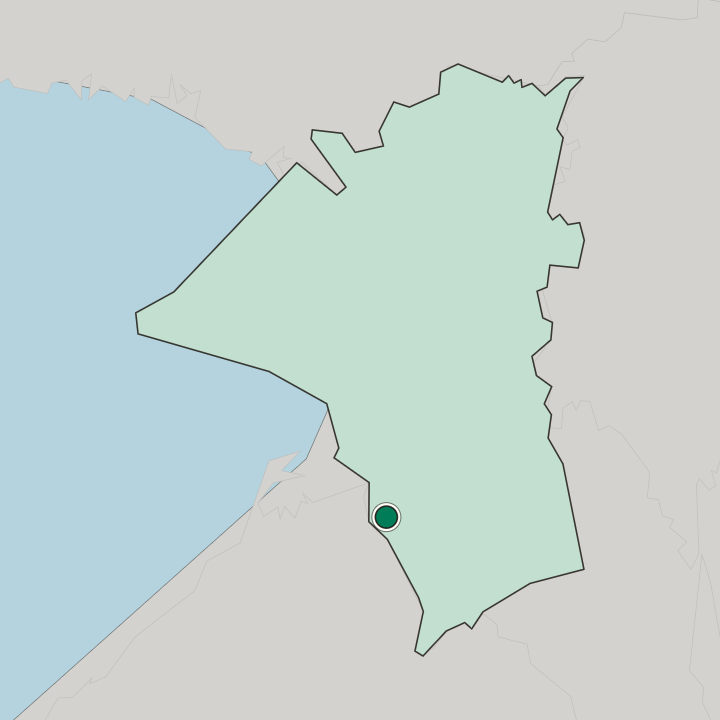
Just under thirty-three square kilometres is not much ground. Las Piñas holds the southern end of Metro Manila, and the city is small enough that the run from the parish quarter to the boundary at Zapote Bridge covers a fair share of it, which is the simplest way to picture the place. The tropics govern what grows.
Otherwise the surface reads as suburban rather than as landscape, built out to the edges of the National Capital Region, with the watercourse that Zapote Bridge was raised to cross the one break worth marking on a map.
What is the climate of Las Piñas?
Rain marks the year, not cold. Wet months move across southern Metro Manila in turn, and the watercourse under Zapote Bridge is the visible gauge of how much has come down in a given week, which matters more to a stay here than any change in warmth. The tropics keep it warm throughout.
Las Piñas shares that pattern with the rest of the National Capital Region, so packing for a visit is a question of what keeps rain off rather than what keeps cold out.
How do you get to Las Piñas?
Zapote Bridge carries the traffic. The crossing is the named point on the city's edge, so an arrival by road is usually described by whether it comes over that bridge or down through the rest of southern Metro Manila. Time is the real distance.
Las Piñas sits inside the National Capital Region, which means every approach shares the metro's congestion, so a journey here is best judged in hours rather than in kilometres.
Common questions
What is the best area to stay in Las Piñas?
Bamboo Organ quarter: Walking to the Las Piñas Bamboo Organ. Zapote Bridge side: Driving out past Zapote Bridge. Metro-facing edge: Evenings at SM Mall of Asia Arena or Cuneta Astrodome.
Good for
More cities in National Capital Region
Updated October 2026