Philippines · National Capital Region
Where to Stay in Valenzuela, National Capital Region
Valenzuela is a dense industrial and residential city of the Camanava Area in Metro Manila, dating to 1623 and keeping its record in Museo Valenzuela.
Hotel links are affiliate links: booking through them may earn us a commission, at no extra cost to you. It never affects how places are ranked. How this works


Where to stay in Valenzuela
Where visitors usually base themselves, and why.
Valenzuela is a place people live in rather than visit. The city runs as a residential and industrial suburb, so rooms are thin on the ground compared with the centre of Metro Manila, and the beds that do exist serve business travel to the factories and the estates far more than any sightseeing. Museo Valenzuela is the exception.
A stay near it puts the city's own museum and the surrounding streets within a short walk. Business hotels along the main roads take most of that trade. The alternative is to sleep elsewhere in the National Capital Region.
Central Metro Manila holds far more choice, and from there Valenzuela becomes a road trip through the Camanava Area rather than a separate journey, which suits anyone whose reason for coming is work at the industrial estates. Nights are quiet in the residential blocks. The National Shrine of the Divine Mercy and the Philippine Diamond Tower are the fixed points visitors ask for, and a room close to either one shortens a day that would otherwise be spent moving through traffic.
Find hotels in Valenzuela
Direct booking searches for these neighbourhoods.
Around Museo Valenzuela
The city museum is the one visitor anchor standing inside Valenzuela itself. Few places to stay nearby — book ahead.Find hotels in Around Museo ValenzuelaBusiness trips to the Valenzuela factories and warehousesThe industrial estates
Rooms on the main roads sit closest to the industrial ground the city runs on. Few places to stay nearby — book ahead.Find hotels in The industrial estatesAnyone treating Valenzuela as a day out of the National Capital RegionCentral Metro Manila
Far more beds in the centre, with the Camanava Area a single road trip awayFind hotels in Central Metro ManilaHotel links are affiliate links: booking through them may earn us a commission, at no extra cost to you. It never affects how places are ranked. How this works
Things to do in Valenzuela
Ranked by global recognition; descriptions from Wikidata (CC0).
Museums & Galleries
3- Museo ng Katipunan
- UST Museum of Arts and Sciences
- Museo Valenzuela
Stadiums & Sports
3- Amoranto Sports Complex
- Quadricentennial Pavilion
- University of Santo Tomas Field
worth knowingacross 2 categories in Valenzuela
About Valenzuela
Factories and houses, in that order.
What is Valenzuela known for?
Valenzuela works as a residential and industrial suburb of the National Capital Region, one of the cities forming the Camanava Area, and its density ranks among the highest of any city in the Philippines. Museo Valenzuela holds the local record. The Philippine Diamond Tower and the National Shrine of the Divine Mercy give the built-up ground its few tall or ceremonial punctuation marks.
What are the main landmarks in Valenzuela?
Museo Valenzuela is the city's own. Past it, the National Shrine of the Divine Mercy, the Malabon Zoo and the Philippine Diamond Tower all fall within the same short run of the National Capital Region, which is how a day out from the city usually gets planned. Monuments account for much of the rest.
The Bonifacio Monument, the Rizal Shrine and the Queen Isabel II Monument stand across that same stretch of Metro Manila.
What is the history of Valenzuela?
The record starts in 1623. Four centuries separate that date from the city standing on the ground now, and almost nothing of the first settlement survives in a place given over so completely to housing and industry. Museo Valenzuela carries what is left.
The city's own museum is the one place where the older story is kept together rather than scattered through streets rebuilt for factories and homes. Growth came with the region, not before it. Valenzuela became one of the cities forming the Camanava Area as the National Capital Region spread outward, and it took up the role it still holds, a suburb where people live and where goods are made.
Density followed. Few cities in the Philippines pack more people into a square kilometre, and the pressure shows in how little unbuilt ground the city has left. Memory here is scattered rather than concentrated.
The Church of the Risen Lord and the Iglesia ni Cristo chapel at Capitol mark the religious side of the same long build-out, while the Quadricentennial Pavilion belongs to the wider stretch of Metro Manila that grew up around Valenzuela.
Where is Valenzuela?
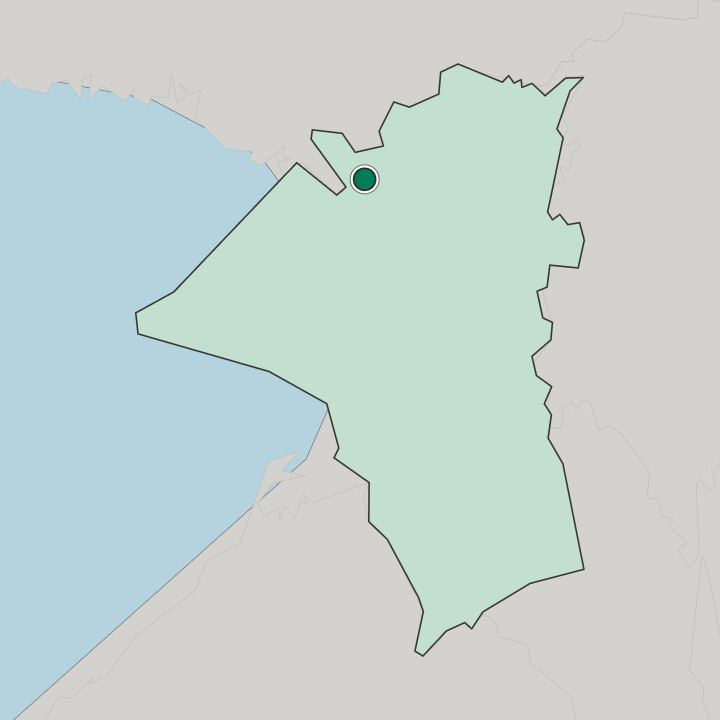
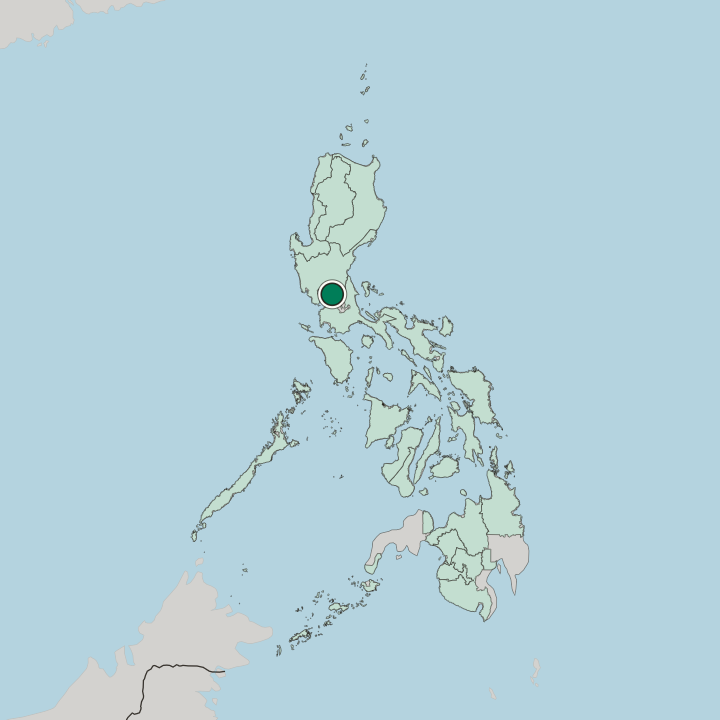
Forty-seven square kilometres, nearly all built. Valenzuela sits inside Metro Manila as one of the Camanava cities, and the land here is street, yard and factory lot rather than shore or ridge, with very little of it left in any natural state. Density is the defining trait.
Among the cities of the Philippines few pack more people onto the same ground, and that shows in how completely the built fabric of the National Capital Region has closed over every open lot.
What is the climate of Valenzuela?
Wet and dry, not warm and cold. The tropical band puts Valenzuela in a year that turns on rainfall rather than on temperature, so the difference between the seasons registers as water rather than as any drop in the thermometer. Valenzuela's nights barely cool at all.
Factory yards, roofs and paved streets across the Camanava Area hold the day's heat, and the city has little open ground left to give it back quickly.
How do you get to Valenzuela?
No airfield sits inside Valenzuela itself. Valenzuela gets reached overland from the rest of Metro Manila, and because it sits among the Camanava cities the approach runs through continuously built-up ground instead of across any open gap. Trucks share the road.
An industrial suburb moves freight as well as commuters, so the routes into the National Capital Region carry both, and timing the trip matters far more than the distance covered.
Common questions
What is the best area to stay in Valenzuela?
Around Museo Valenzuela: Short stops built around Museo Valenzuela and the streets beside it. The industrial estates: Business trips to the Valenzuela factories and warehouses. Central Metro Manila: Anyone treating Valenzuela as a day out of the National Capital Region.
Good for
More cities in National Capital Region
Updated October 2026