Philippines · National Capital Region
Where to Stay in Marikina City, National Capital Region
Marikina is a highly urbanized city of the National Capital Region, known across the Philippines for shoemaking and for the Marikina Shoe Museum.
Hotel links are affiliate links: booking through them may earn us a commission, at no extra cost to you. It never affects how places are ranked. How this works


Where to stay in Marikina City
How the choice of base plays out on the ground.
The shoe quarter is the obvious base. Streets around the Marikina Shoe Museum leave the workshops, the collections and the civic buildings of the centre inside a walk, which suits a short stay built around the one trade this city is genuinely known for. Room supply is slight.
Marikina takes far fewer overnight visitors than the business districts of the capital region do, so the practical choice runs between a small hotel near the centre and a room out among the quieter residential streets. Sport supplies the second option. A stay near the Marikina Sports Complex suits anyone with a fixture or a training block booked there, and it keeps the rest of a compact city inside an easy ride.
Several of the names attached to Marikina on the wider metropolitan list stand beyond the boundary rather than within it: the Ateneo Art Gallery, the Jorge B. Vargas Museum and Filipiniana Research Center, the Blue Eagle Gym, the Church of the Risen Lord and the Real Monasterio de Santa Clara are all a drive out, close enough for a day but not for a walk. Plan the day around that split. Twenty-one square kilometres hold everything the city itself offers, and a bed almost anywhere inside them puts the Marikina Shoe Museum and the Marikina Sports Complex within the same short run.
Find hotels in Marikina City
Direct booking searches for these neighbourhoods.
Around the Marikina Shoe Museum
The Marikina Shoe Museum and the workshops that fed it share the same few blocks. Lodging is scarce in this area; reserve in advance.Find hotels in Around the Marikina Shoe MuseumFixtures and training blocks at the Marikina Sports ComplexBy the Marikina Sports Complex
Rooms on this side sit beside the Marikina Sports Complex and its car park rather than the centre. Few places to stay nearby — book ahead.Find hotels in By the Marikina Sports ComplexDays built around the Ateneo Art Gallery and the Blue Eagle GymBeyond the city line
The Jorge B. Vargas Museum and Filipiniana Research Center lies outside Marikina, not within itFind hotels in Beyond the city lineHotel links are affiliate links: booking through them may earn us a commission, at no extra cost to you. It never affects how places are ranked. How this works
About Marikina City
Shoes made the name.
What is Marikina City known for?
The factories that multiplied here earned Marikina its billing as the shoe capital of the Philippines, and the trade still decides what a visitor is shown first. Its museum holds the proof. The Marikina Shoe Museum keeps footwear worn by celebrities and public figures, the collection of the former first lady Imelda Marcos among them, and the city claims the world's largest pair of shoes on top of that.
Sport takes the rest, chiefly at the Marikina Sports Complex.
What are the main landmarks in Marikina City?
One museum outranks the rest. Cases at the Marikina Shoe Museum hold footwear worn by celebrities and public figures, with the pairs belonging to the former first lady Imelda Marcos the reason most people come through the door. Sport and scholarship follow.
The Marikina Sports Complex and the Blue Eagle Gym take the fixtures, the Ateneo Art Gallery and the Jorge B. Vargas Museum and Filipiniana Research Center hold art and archives, and the Church of the Risen Lord stands with the Real Monasterio de Santa Clara among the older religious names on the same list.
What is the history of Marikina City?
Craft came before charter. Marikina was founded in 1630, close to four centuries before the metropolis grew out far enough to meet it, and shoemaking took hold across that long interval as the one trade the place would be known for beyond its own boundary. Workshops turned into factories.
As the output multiplied the Philippines came to call Marikina its shoe capital, a title the city then built its museums, its civic image and much of its visitor trade around. Politics left a deposit of its own. The Marikina Shoe Museum lists the collection of the former first lady Imelda Marcos first among the footwear it holds, and it sets those pieces beside shoes worn by other celebrities and public figures who gave theirs to the city.
Charter status arrived much later. The place is officially the City of Marikina, one of the highly urbanized cities of the National Capital Region. Older foundations stand just outside the line, where the Real Monasterio de Santa Clara and the Church of the Risen Lord carry the religious record of the surrounding metropolis, while the Ateneo Art Gallery together with the Jorge B. Vargas Museum and Filipiniana Research Center keeps its art and its archives.
What the city kept for itself was the trade.
Where is Marikina City?
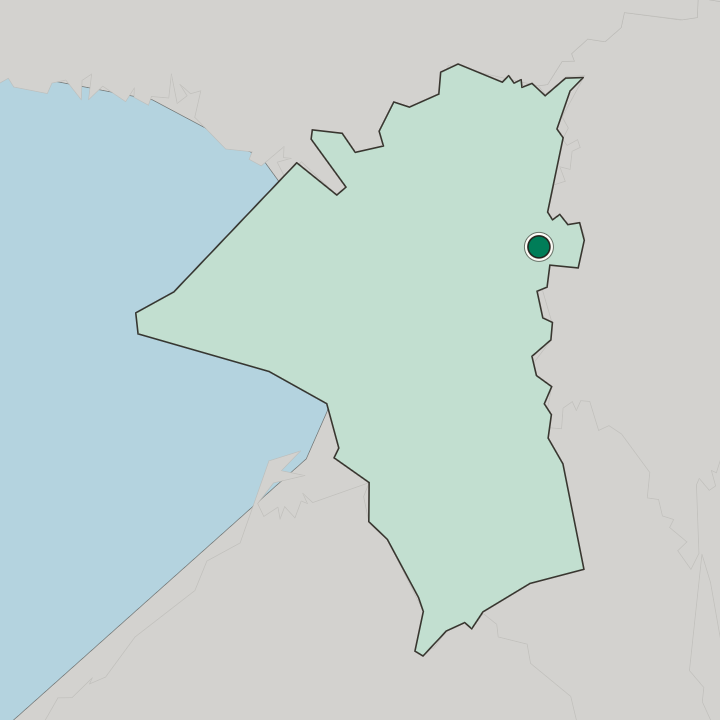
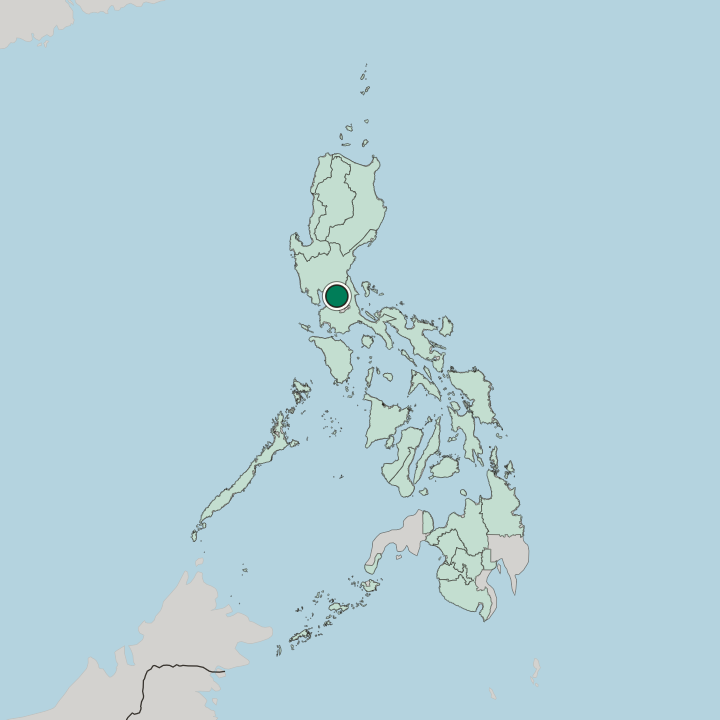
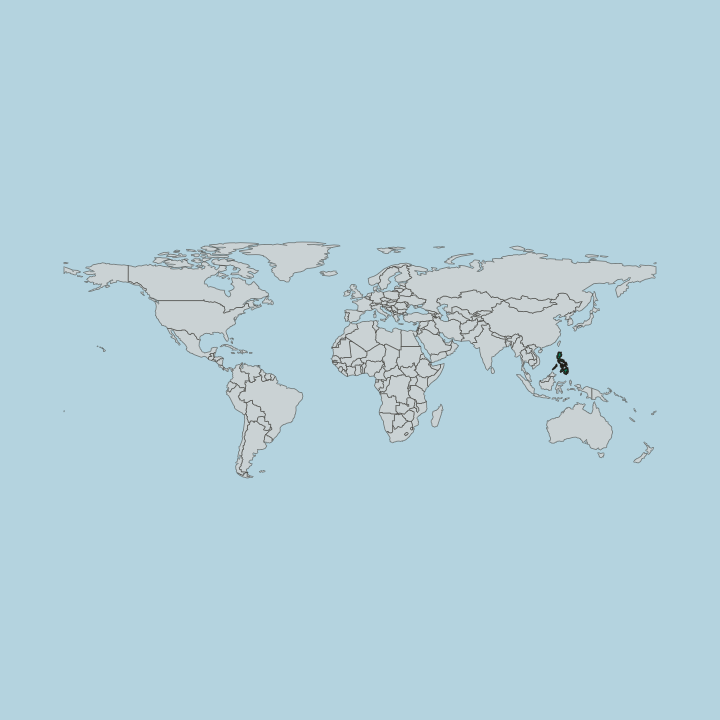
Twenty-one square kilometres, no more. Marikina occupies a compact and fully built-over block of the National Capital Region, low ground in the tropics where the Marikina Sports Complex counts among the few large open surfaces left in the street pattern. The metropolis starts at the line.
That tight boundary explains why so many of the landmarks a visitor associates with the city, the Ateneo Art Gallery and the Blue Eagle Gym included, actually stand outside it.
What is the climate of Marikina City?
Warmth is the year's baseline. Marikina lies in the tropics north of the equator, which leaves the year split into a wet half and a dry one instead of into warm and cold seasons, with the thermometer barely registering the calendar at all. Rain does the dividing.
The difference between one season and the next is measured here in water rather than in degrees, and it is the wet months that shape how the city plans its outdoor fixtures.
How do you get to Marikina City?
Road is how Marikina is reached. Marikina sits inside the National Capital Region with the rest of the metropolis pressed hard against its boundary, so an approach means crossing continuous built-up ground rather than travelling between separate towns. Judge it by the hour.
The same run can double in length between the morning and the evening peak, and the two addresses worth naming to a driver are the Marikina Shoe Museum and the Marikina Sports Complex.
Common questions
What is the best area to stay in Marikina City?
Around the Marikina Shoe Museum: Walking the shoemaking streets in one morning. By the Marikina Sports Complex: Fixtures and training blocks at the Marikina Sports Complex. Beyond the city line: Days built around the Ateneo Art Gallery and the Blue Eagle Gym.
Good for
More cities in National Capital Region
Updated October 2026