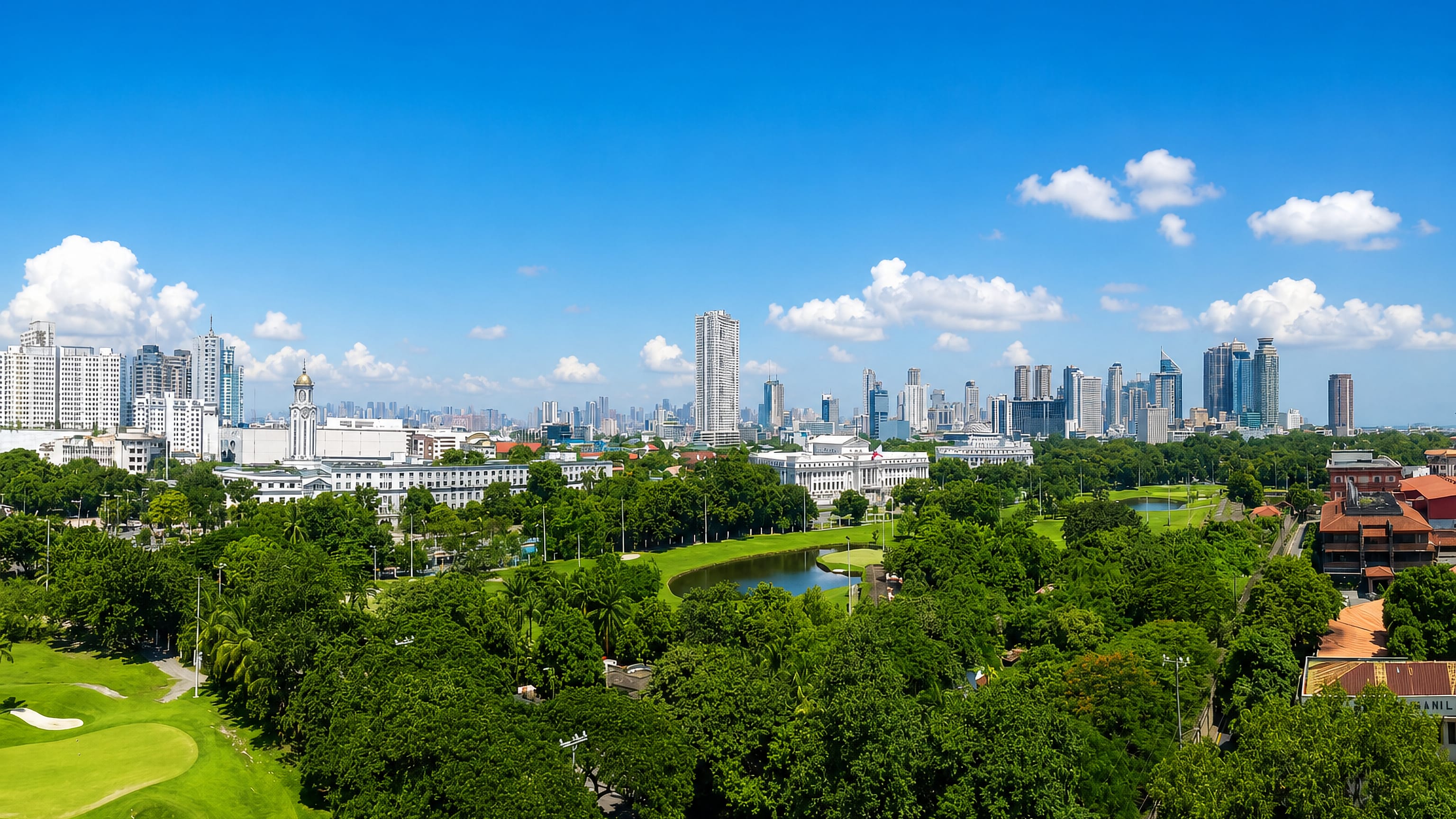
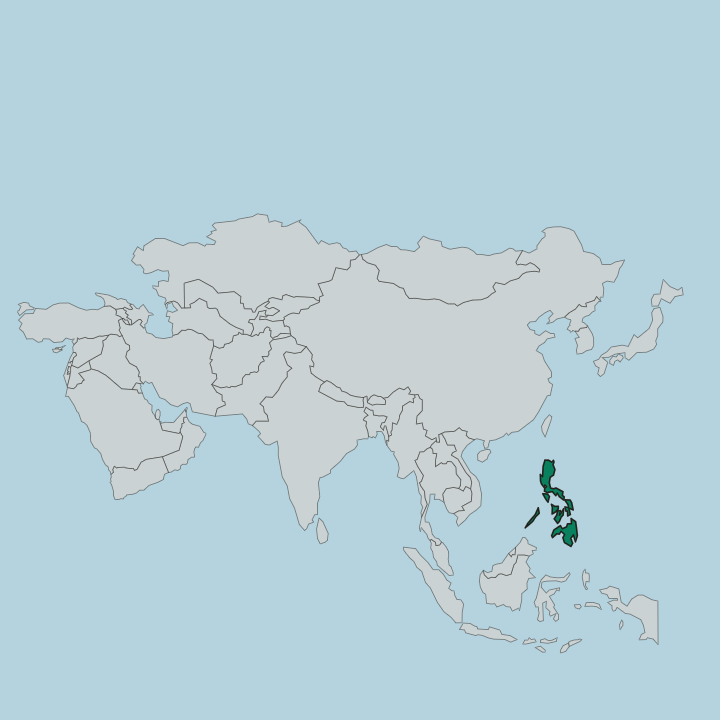
Philippines · National Capital Region
Where to Stay in Manila, National Capital Region
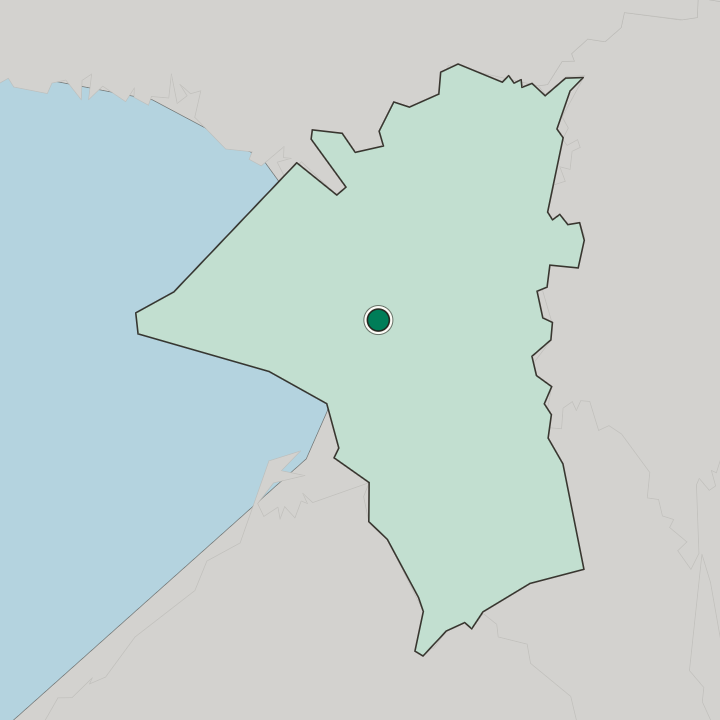
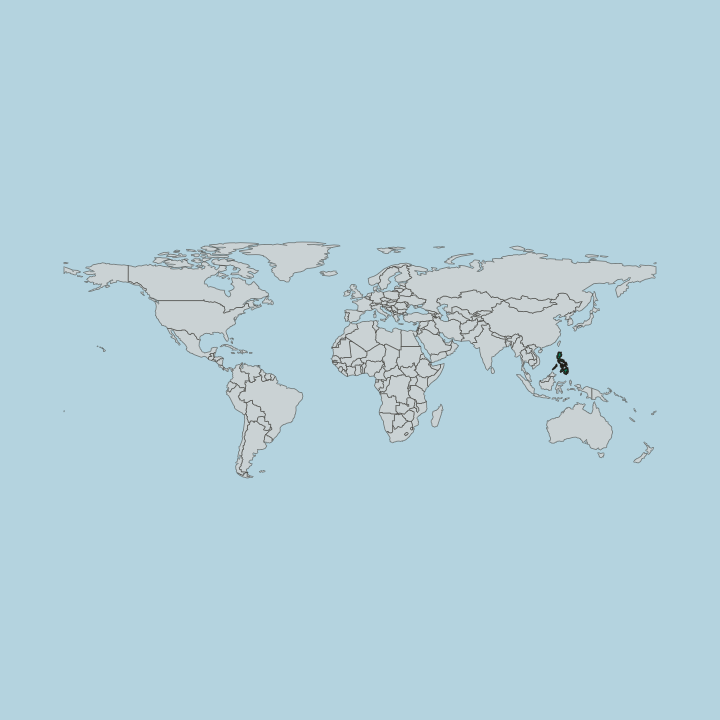
Manila lines the eastern shore of Manila Bay on Luzon, the capital of the Philippines and the walled old city of Intramuros.
Hotel links are affiliate links: booking through them may earn us a commission, at no extra cost to you. It never affects how places are ranked. How this works


Where to stay in Manila
Where you base yourself shapes the visit — here's the character of each area.
 ManilaPhilippinestravellers who want to sleep inside the walled old city
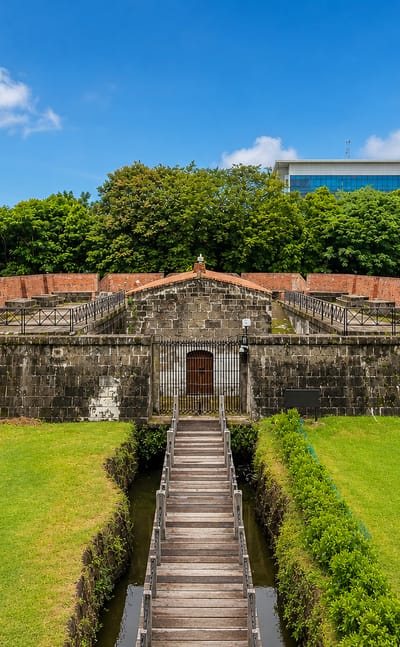
Intramuros
Stone ramparts enclose Casa Manila, the Museo de Intramuros, and San Ignacio Church within a few blocks of the capital's oldest quarter.Intramuros →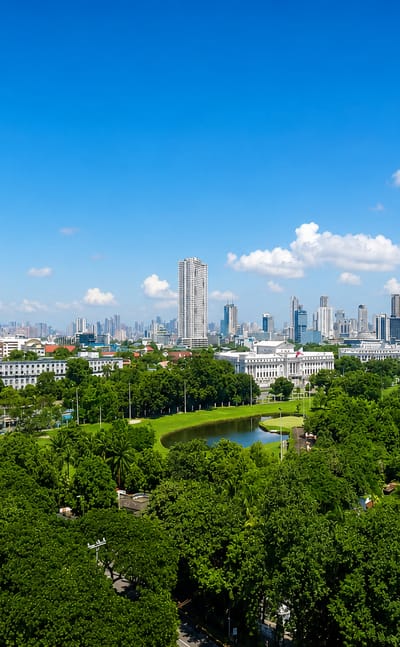 ManilaPhilippines
Binondo
Binondo is Manila's Chinatown, established in 1594 across the Pasig River from Intramuros and still the city's centre of commerce and trade.Where to stay →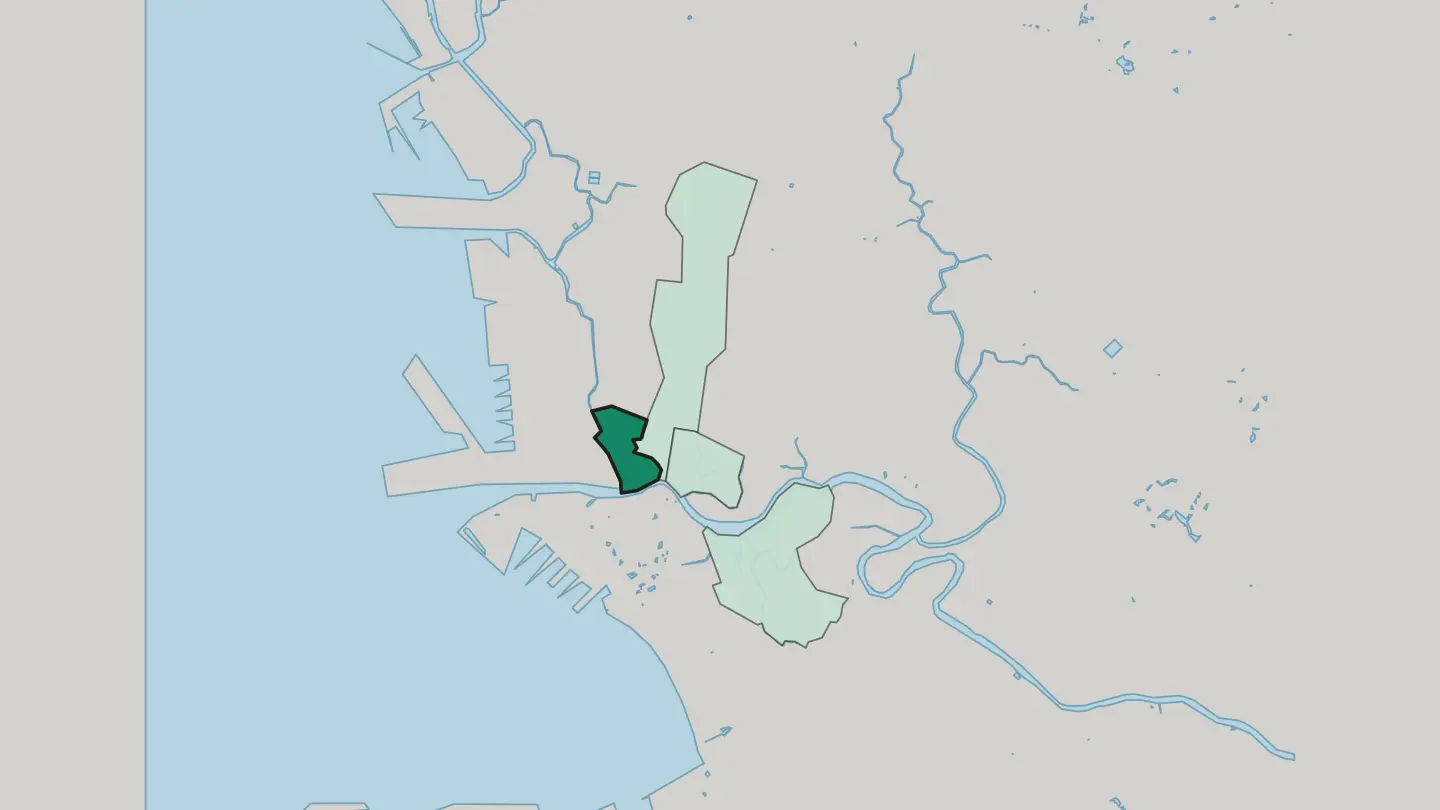 ManilaPhilippines
Quiapo
Quiapo is the old downtown of Manila, Philippines, a heritage district built around Quiapo Church and its Black Nazarene procession.Where to stay →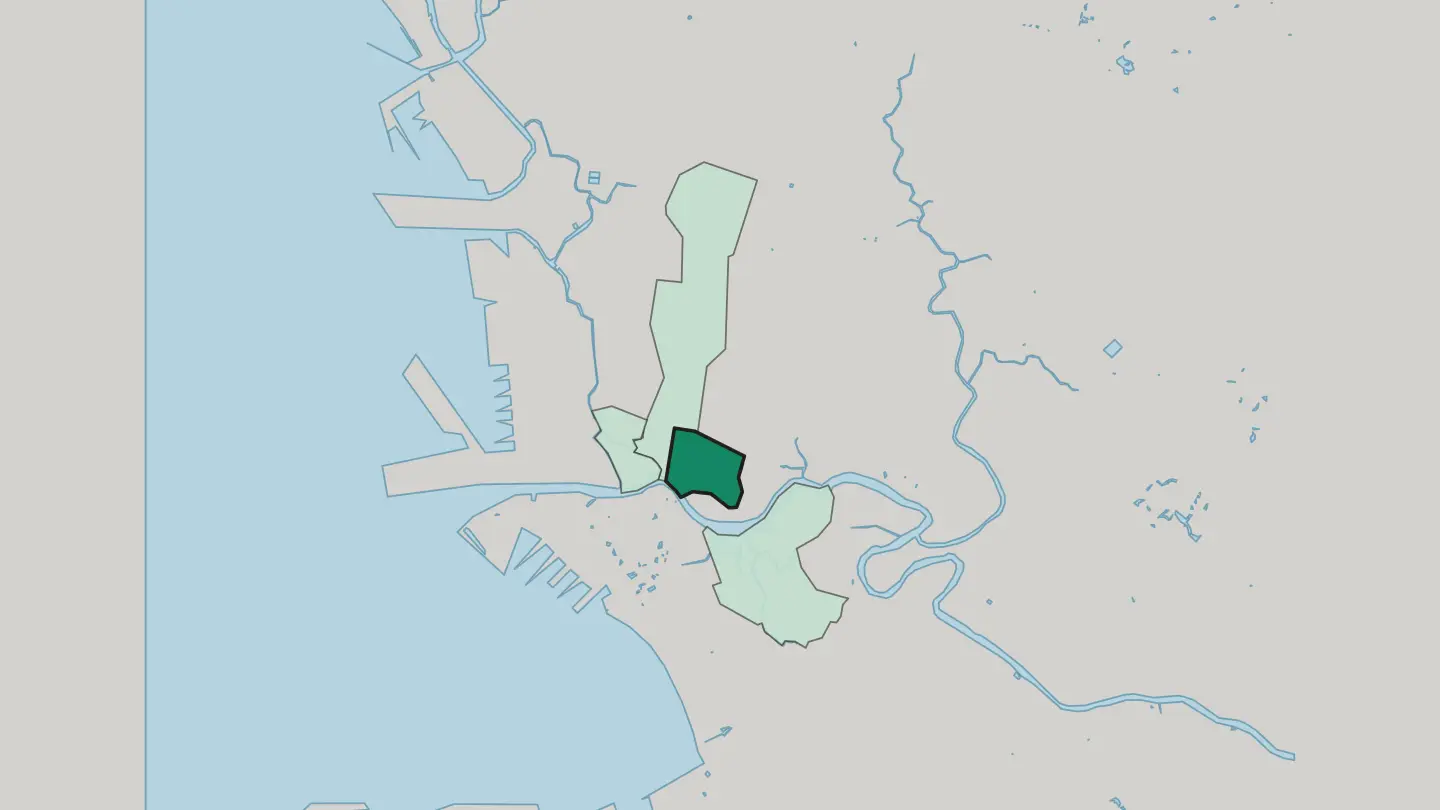 ManilaPhilippines
Santa Cruz
Santa Cruz is a district in the northern part of the City of Manila, on the right bank of the Pasig River near its mouth.Where to stay →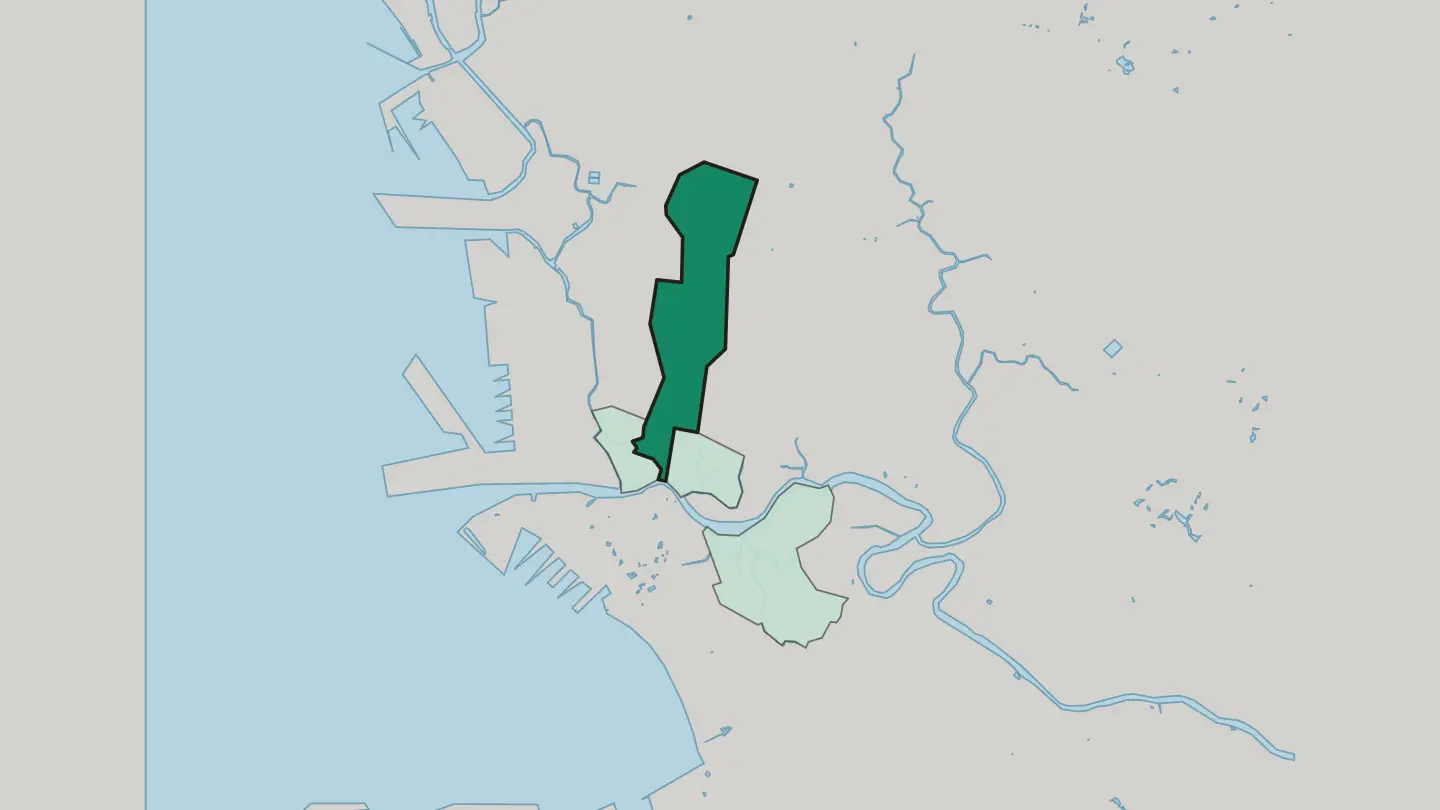 ManilaPhilippines
Ermita
Ermita is Manila's museum quarter, holding the Rizal Monument and the national collections of fine arts, natural history and anthropology.Where to stay →ManilaPhilippines
Paco
Paco, formerly Dilao, is a district of Manila south of the Pasig River, east of Ermita and north of Malate.Where to stay →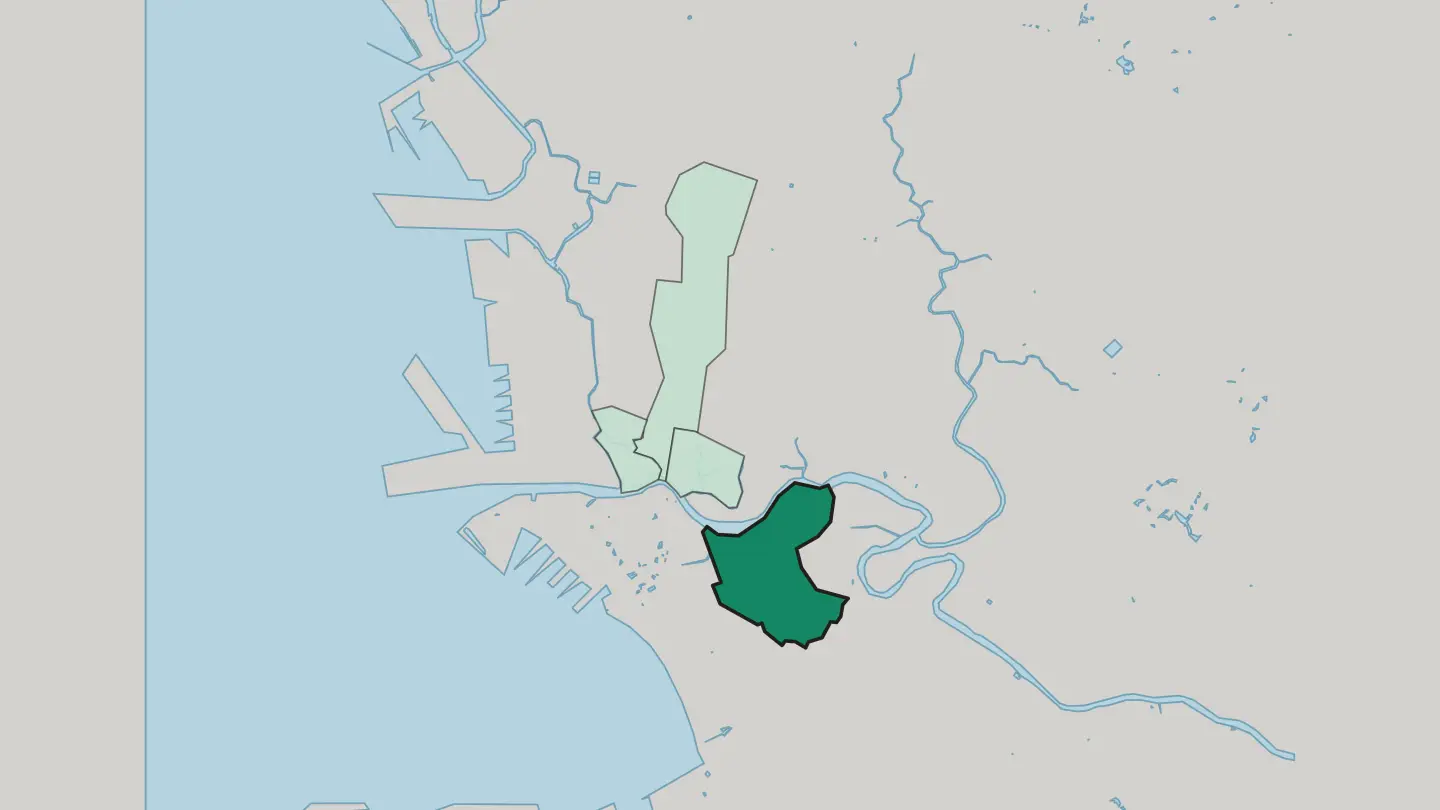 ManilaPhilippines
San Miguel
San Miguel is a middle-class residential district of Manila, one of the city's sixteen traditional districts and the ground Malacañang Palace stands on.Where to stay → ManilaPhilippines
Tondo
Tondo is the largest of Manila's sixteen districts, a densely built quarter beside Binondo in the capital of the Philippines.Where to stay →Hotel links are affiliate links: booking through them may earn us a commission, at no extra cost to you. It never affects how places are ranked. How this works
Find hotels in Manila
Direct booking searches for these neighbourhoods.
The bayfront park
The Rizal Monument, the National Museum of Fine Arts, and the National Museum of Natural History gather beside Manila Bay.Find hotels in The bayfront parkmarkets, ancestral houses, and the working cityNorth of the river
The Metropolitan Museum of Manila and the Bonifacio and the Katipunan Revolution Monument sit among crowded older streets.Find hotels in North of the riverHotel links are affiliate links: booking through them may earn us a commission, at no extra cost to you. It never affects how places are ranked. How this works
Things to do in Manila
Ranked by global recognition; descriptions from Wikidata (CC0).
Museums & Galleries
3- Rizal Shrine Heritage
- National Museum of Fine Arts
- National Museum of Natural History
Churches & Religious Sites
3- Cathedral of Praise
- San Ignacio Church
- Iglesia ni Cristo chapel, Tondo
Castles & Historic Sites
8- Malacañang Palace Heritage
- Rizal Monument Heritage
- Anda Monument Heritage
- Queen Isabel II Monument Heritage
- Charles IV Monument Heritage
Show 3 more →
- Legazpi–Urdaneta Monument Heritage
- Juan Luna Monument Heritage
- Apolinario Mabini Monument Heritage
Stadiums & Sports
3- Quadricentennial Pavilion
- Casino Español de Manila
- University of Santo Tomas Field
Parks & Gardens
1- Manila Zoological and Botanical Garden
Landmarks & Notable Places
3- Villa Peñafrancia
- Legarda Ancestral House
- Jusay Ancestral House
worth knowingacross 6 categories in Manila
About Manila
What is Manila known for?
Manila is known for Spanish colonial walls, national museums, and a waterfront that faces the sunset over Manila Bay. The old city stands behind stone ramparts. Intramuros keeps Casa Manila and the Museo de Intramuros within its walls, the Rizal Monument marks the park named for the national hero, and the National Museum of Fine Arts anchors a row of grand halls.
History and heritage sit close together.
What are the main landmarks in Manila?
Manila keeps its landmarks between the old walls and the parks along the bay. Intramuros holds the deepest layer. Casa Manila and the Museo de Intramuros recreate the Spanish city, San Ignacio Church stands rebuilt within the walls, and the Rizal Monument marks the park where the national hero is remembered.
Museums line the seafront ground. The National Museum of Fine Arts, the National Museum of Natural History, and the National Museum of Anthropology fill grand halls near the water, while the Metropolitan Museum of Manila and Manila Ocean Park draw crowds along the shore.
What is the history of Manila?
Manila grew from a bayside settlement into a Spanish colonial capital founded in 1571 on the eastern shore of Manila Bay. Spain built its city behind walls. The stone ramparts of Intramuros rose to guard the harbour and the seat of colonial power, and churches, colleges, and the governor's ground filled the enclosure over the following centuries.
Trade galleons crossed the Pacific from this port. The old city stood at the centre of an empire's Asian holdings. Revolution came in the closing years of Spanish rule, and the memory of it is fixed in the Rizal Monument and the Bonifacio and the Katipunan Revolution Monument that stand in the modern city.
War later shattered Intramuros. Much of the walled quarter was destroyed and slowly rebuilt, with Casa Manila and the Museo de Intramuros recreating the lost streets, while Manila kept its place as the capital of the Philippines. The layers of Spanish, revolutionary, and rebuilt city still meet within the walls.
Where is Manila?
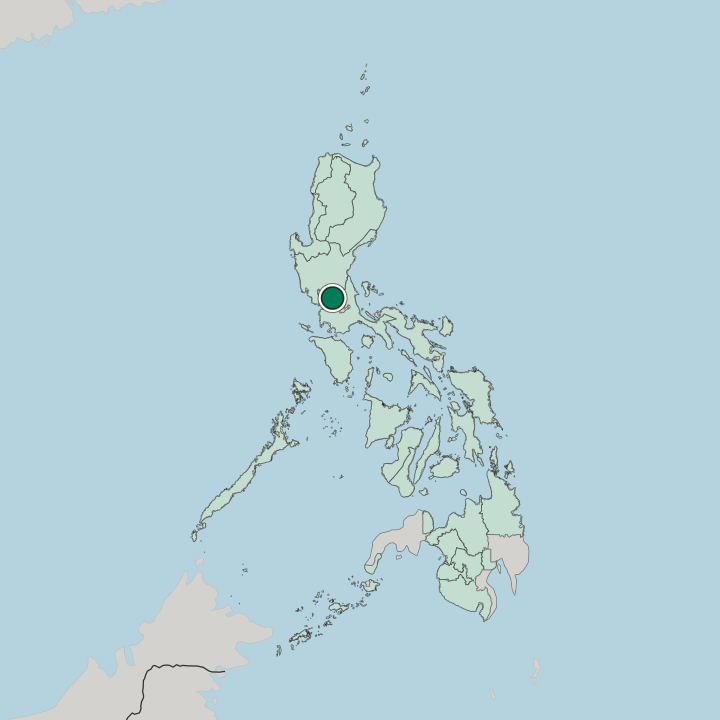
Manila sits on the eastern shore of Manila Bay on the island of Luzon, where a river empties into the harbour. Low, flat, deltaic ground carries the city. The streets spread back from the water across land barely above the tide, split by the river that runs through the centre to the bay, and packed tightly onto one of the most crowded urban footprints anywhere.
It faces the open water to the west.
What is the climate of Manila?
Manila has a tropical climate of dry and wet seasons, hot through the year beside Manila Bay. The dry months bring clear, blazing days. From the middle of the year the monsoon rolls in off the sea and typhoons can strike the coast, driving heavy rain across the low ground before the drier, slightly cooler months return.
Sea breezes cross the bayfront.
How do you get to Manila?
Manila is reached through the international airport on its southern edge and the rail and ferry links that serve the bay. Ships still call at the port. Vessels dock along Manila Bay near the old walls of Intramuros, elevated trains cross the city on several lines, and roads run in from the wider island of Luzon toward the capital.
The bay itself is the historic gateway.
Common questions
What is the best area to stay in Manila?
Intramuros: travellers who want to sleep inside the walled old city. The bayfront park: museums, monuments, and sunsets over the water. North of the river: markets, ancestral houses, and the working city.
Good for
More cities in National Capital Region
Updated October 2026