Philippines · National Capital Region
Where to Stay in Pasig City, National Capital Region
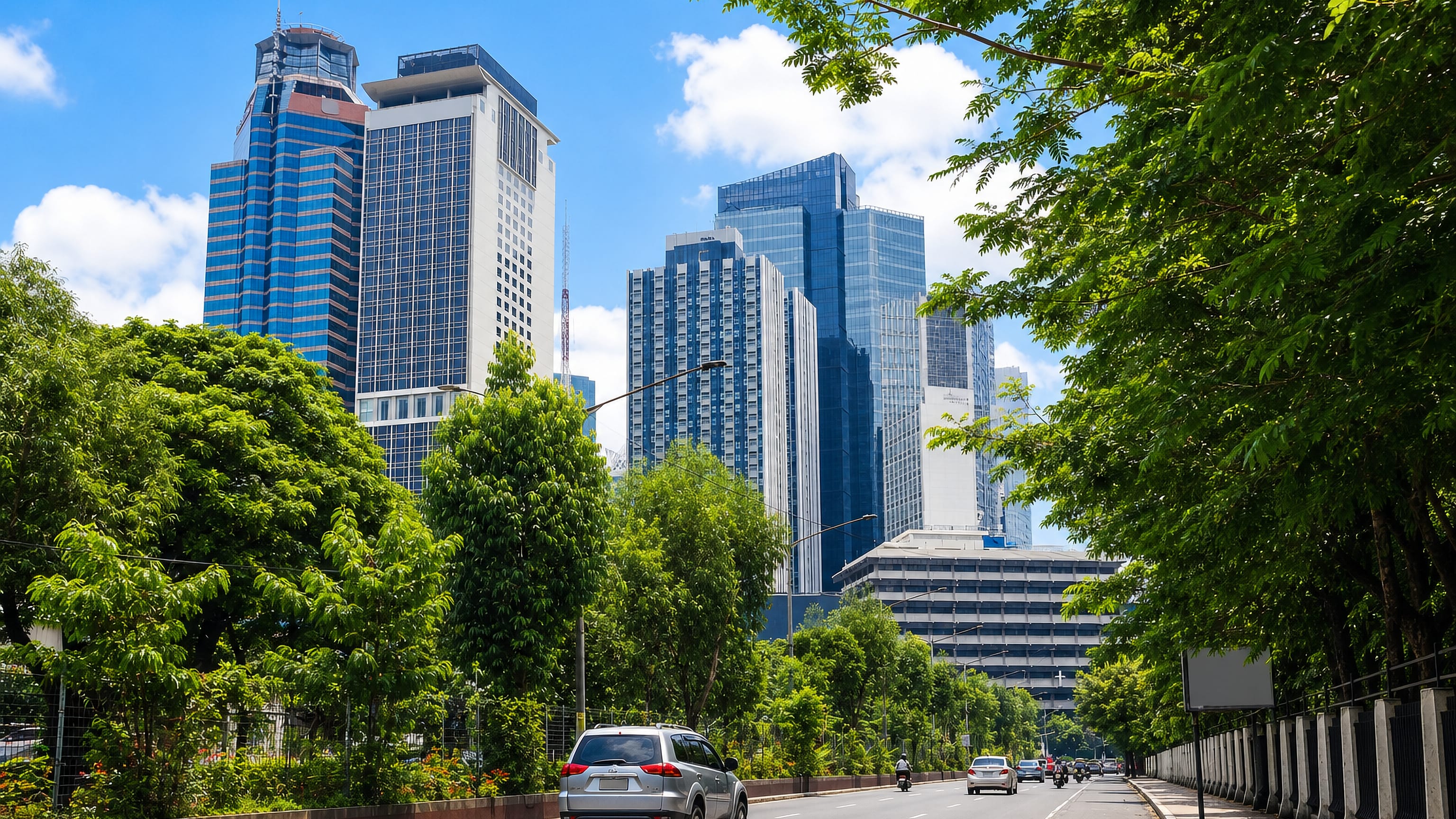
Pasig takes its name from the river and sets the office towers of Ortigas Center against an older downtown around Santo Rosario de Pasig Church.
Hotel links are affiliate links: booking through them may earn us a commission, at no extra cost to you. It never affects how places are ranked. How this works


Where to stay in Pasig City
Where the beds are, and what that means for the visit.
Ortigas Center answers most of the question. The business district holds nearly all of the larger hotels, and a room among its towers keeps meetings, malls and The Mind Museum inside a walk or a very short ride, which is what the majority of arrivals in this city are here for. The old downtown is the alternative.
Streets around Santo Rosario de Pasig Church and the Pasig City Museum are lower, denser and much older in character, and staying there swaps the lobbies for a working quarter with the Pasig World War II Memorial Monument a few corners away. Sport makes a third case. The PhilSports Complex and the Ynares Sports Arena stand apart from both centres, and anyone with a ticket, a match or a training block booked will save an hour a day by sleeping near them rather than in the towers.
Weigh the traffic first. Forty-eight square kilometres sounds compact until the weekday peak fills the approaches, at which point the distance between the Ortigas Center desks and the older streets by the river stops being a matter of a few kilometres. Families often choose differently again, since KidZania Manila and the Lopez Museum reward a base closer to the malls than to the parish.
Find hotels in Pasig City
Direct booking searches for these neighbourhoods.
Ortigas Center
The business district keeps the malls and The Mind Museum inside a short walkFind hotels in Ortigas CenterMornings around Santo Rosario de Pasig ChurchThe old downtown
The Pasig City Museum and the Pasig World War II Memorial Monument are a few corners apart here. Lodging is scarce in this area; reserve in advance.Find hotels in The old downtownTraining blocks at the Ynares Sports ArenaBy the PhilSports Complex
The PhilSports Complex sits well clear of both the towers and the parish streets. Rooms are few around here — worth securing early.Find hotels in By the PhilSports ComplexHotel links are affiliate links: booking through them may earn us a commission, at no extra cost to you. It never affects how places are ranked. How this works
Things to do in Pasig City
Ranked by global recognition; descriptions from Wikidata (CC0).
Museums & Galleries
2- Pasig City Museum
- Lopez Museum
Churches & Religious Sites
1- Santo Rosario de Pasig Church
Castles & Historic Sites
1- Pasig World War II Memorial Monument
Stadiums & Sports
3- PhilSports Arena
- Ynares Sports Arena
- PhilSports Complex
Parks & Gardens
1- KidZania Manila
worth knowingacross 5 categories in Pasig City
About Pasig City
Two centres share one city.
What is Pasig City known for?
Ortigas Center supplies the towers, the shopping and most of the reason business travellers come at all, while the old downtown keeps a street pattern and a parish church that predate every glass frontage around them. The river gave the name. Pasig borrowed it from the Pasig River, and the halls of the PhilSports Complex pull crowds that belong to neither centre.
What are the main landmarks in Pasig City?
The parish church is the oldest fixture. Santo Rosario de Pasig Church anchors the downtown, the Pasig City Museum holds the civic record a few streets from it, and the Pasig World War II Memorial Monument marks the conflict that reached these streets. Two national names follow.
The Felix Y. Manalo National Historical Landmark and the Lopez Museum carry religious and scholarly weight, while The Mind Museum and KidZania Manila are built squarely for children. Sport closes the list at the PhilSports Arena and the Ynares Sports Arena.
What is the history of Pasig City?
A town of 1573 sits under all this. Pasig was established beside the river it is named after, and for most of the centuries since it was a provincial town of Rizal rather than a piece of any capital, with the parish at Santo Rosario de Pasig Church as its centre of gravity. The province lost it.
Metro Manila expanded outward until the sprawl reached and absorbed the town, and the boundary that once separated a river settlement from a capital stopped meaning anything on the ground. The war left its mark here. The Pasig World War II Memorial Monument records what the fighting cost these streets, and the Felix Y. Manalo National Historical Landmark preserves a site of quite different significance from a later chapter.
Then came the towers. Ortigas Center was laid out as a central business district and pulled the money, the offices and eventually the visitors away from the downtown, which kept its older street pattern while growth around it went largely unchecked. The result is a city of two registers, officially the City of Pasig and one of the highly urbanized cities of the National Capital Region, where the Pasig City Museum and the glass frontages a short ride away describe the same place at two different points in its life.
Where is Pasig City?
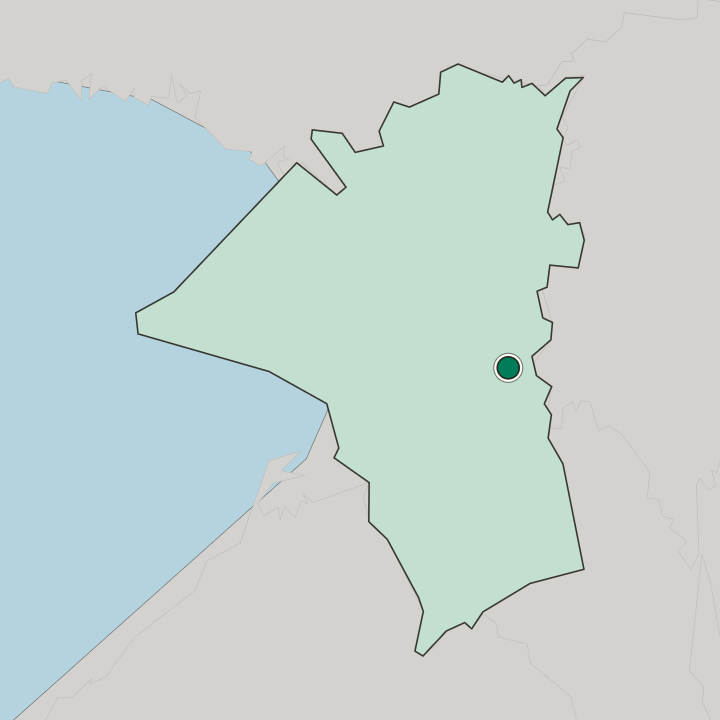
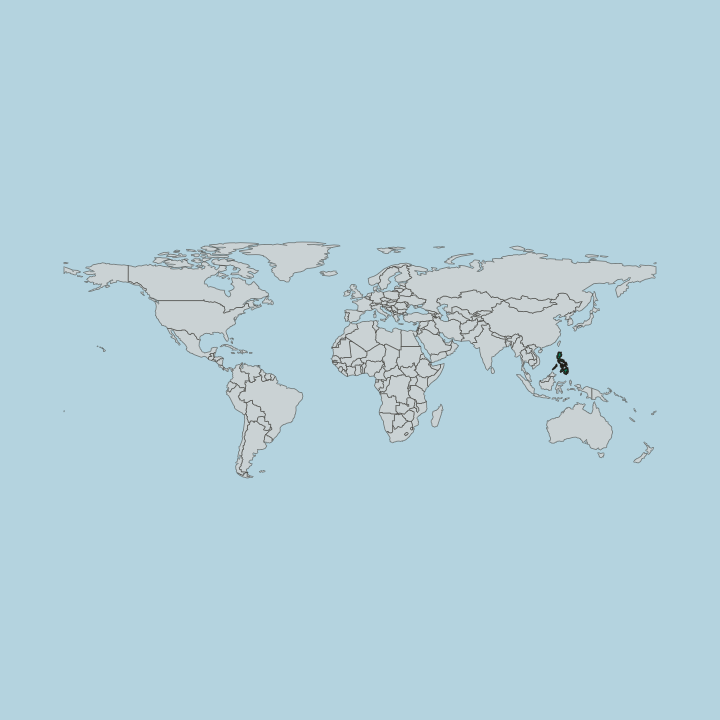
The Pasig River gives the city its name and its axis. Forty-eight square kilometres of the National Capital Region carry the whole of Pasig, ground that is flat enough for the towers of Ortigas Center to be visible from a long way off across the roofs of the older quarters. Nothing here rises.
What varies instead is density, from the built-up business district to the low streets near Santo Rosario de Pasig Church, all of it well inside the tropics.
What is the climate of Pasig City?
The Pasig River carries the wet season. Rain rather than temperature divides the year in this part of the tropics, so the choice between one month and another changes how much water falls and very little else about a visit. Heat is the constant partner.
Dry afternoons turn the walk between the towers of Ortigas Center into a series of short dashes from one cooled lobby to the next.
How do you get to Pasig City?
Ortigas Center is the address most drivers know. Arrivals from the older half of the metropolis cross the Pasig River on the way in, and the run that takes twenty minutes at dawn can take an hour and more once the offices open. Leave margin for the peak.
Visitors heading instead for the PhilSports Complex or the Ynares Sports Arena approach from the opposite side of the city and miss the worst of the business traffic.
Common questions
What is the best area to stay in Pasig City?
Ortigas Center: Meetings in the Ortigas Center towers. The old downtown: Mornings around Santo Rosario de Pasig Church. By the PhilSports Complex: Training blocks at the Ynares Sports Arena.
Good for
More cities in National Capital Region
Updated October 2026