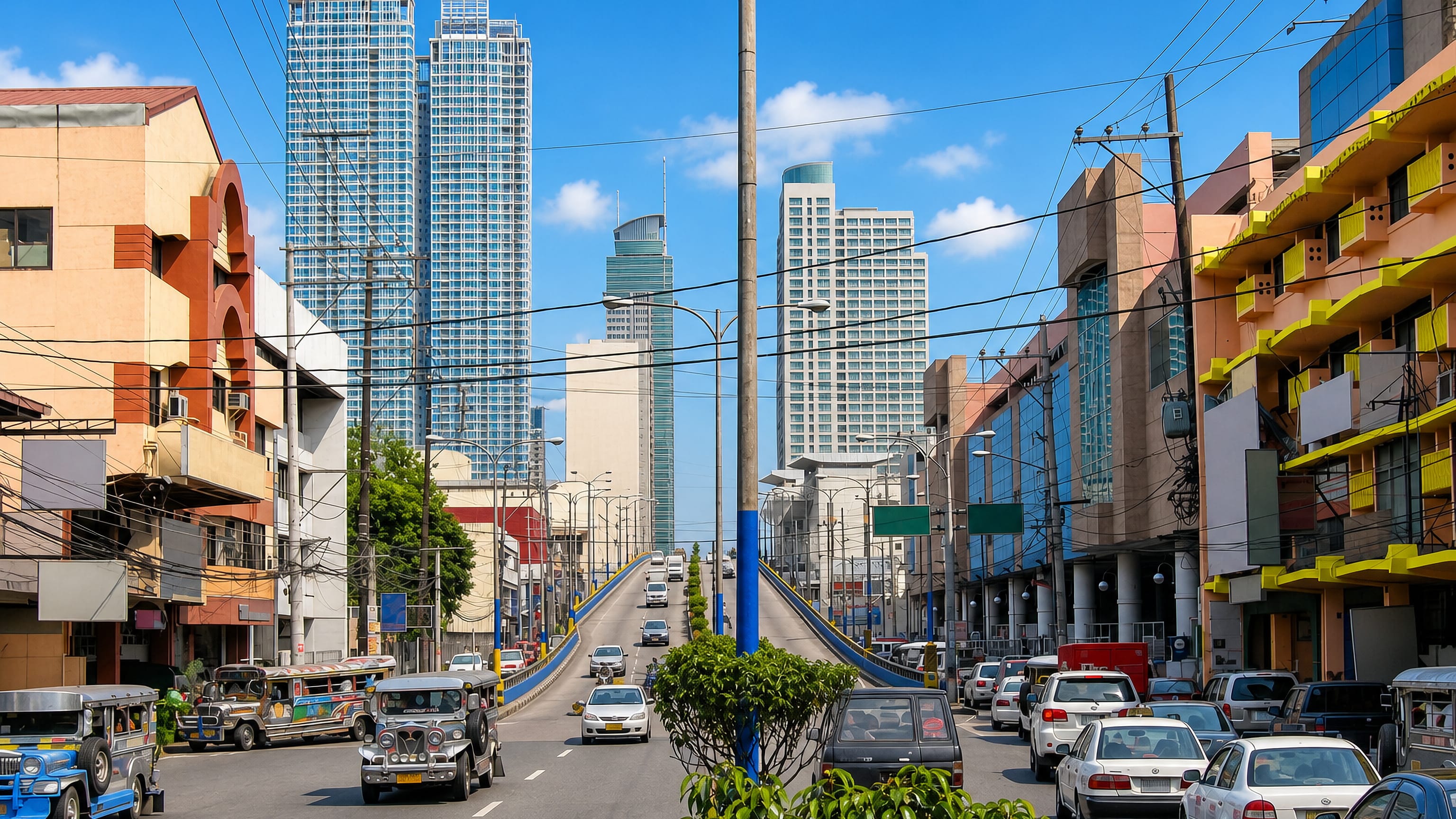
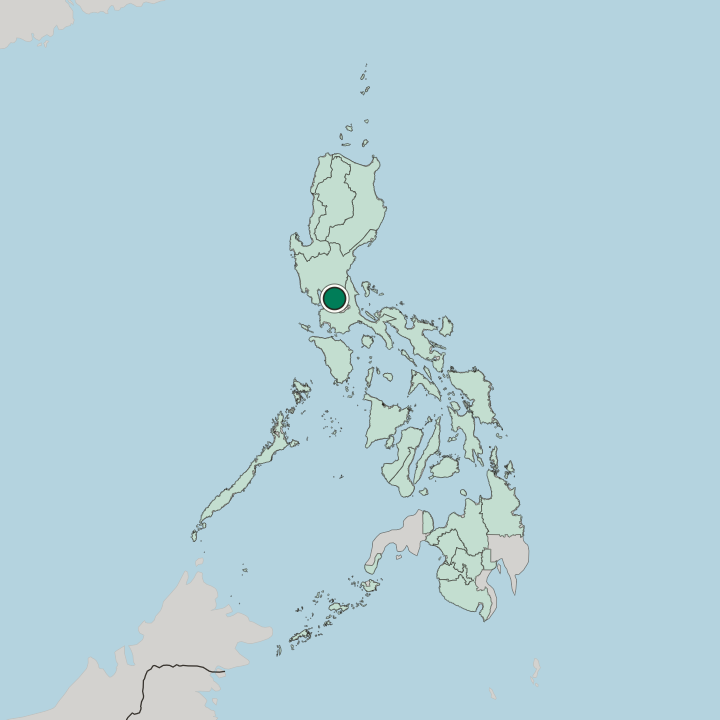
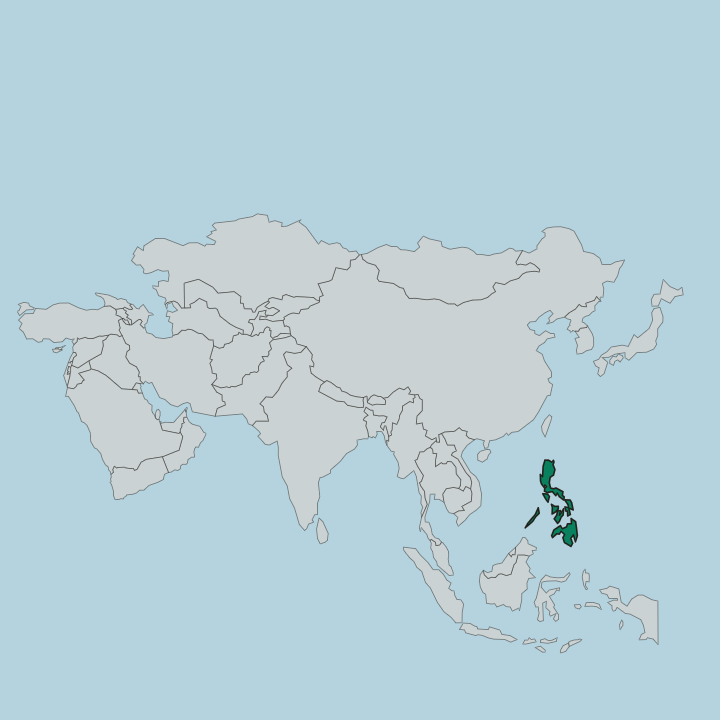
Philippines · National Capital Region
Where to Stay in Mandaluyong City, National Capital Region
Mandaluyong is a highly urbanized city of the National Capital Region, hemmed in by Makati, Pasig, San Juan and Quezon City, and known for shopping.
Hotel links are affiliate links: booking through them may earn us a commission, at no extra cost to you. It never affects how places are ranked. How this works


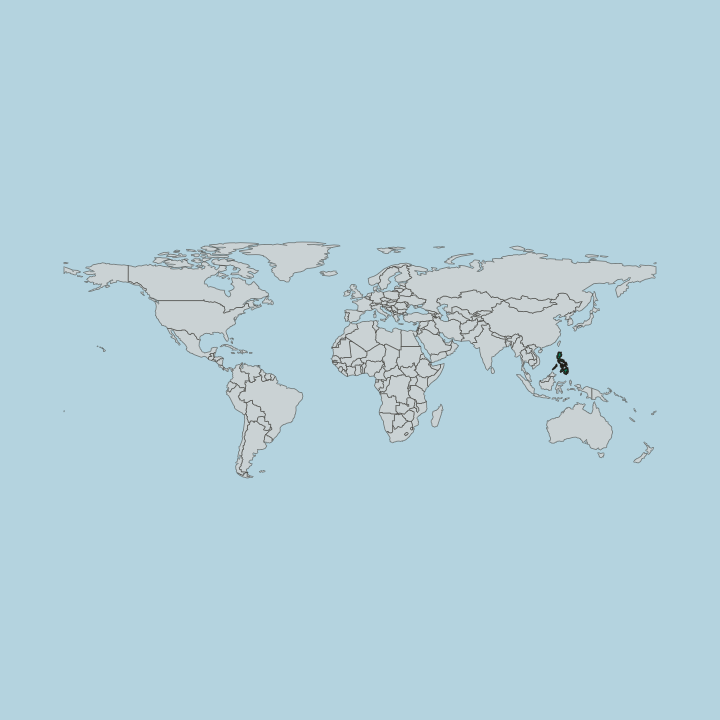
Where to stay in Mandaluyong City
Where visitors usually base themselves, and why.
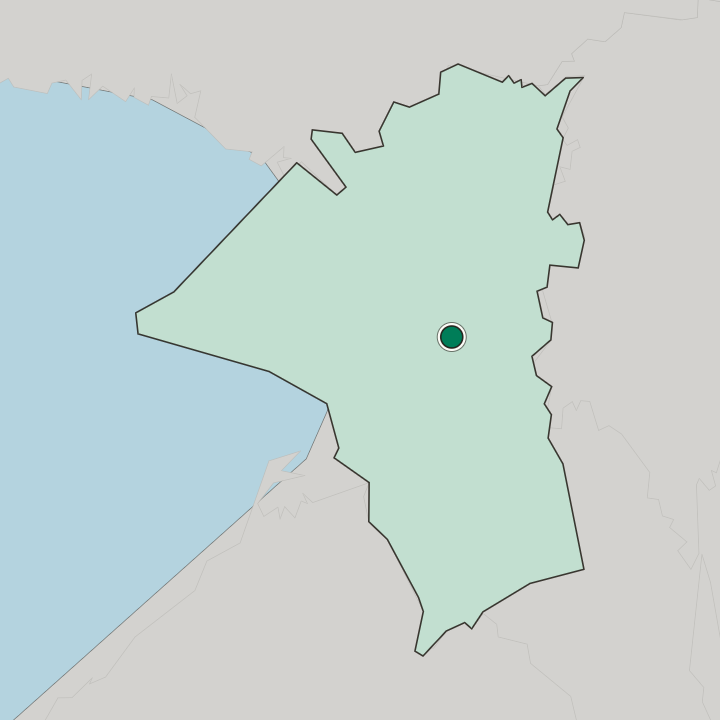
Which border you pick decides the day. Mandaluyong runs into Makati on its southern side, Pasig on the east, San Juan and Quezon City to the north, and Manila's southeast suburban districts to the west, so a room here is always a room on somebody's edge. Shopping sets the rhythm.
Rooms on the Makati side leave the office towers and the Ayala Museum a short hop away, which suits arrivals working in the financial district who would rather not pay for a Makati address, and the cost of that saving is the weekday crawl back. Eastward the calculation changes. The stretch toward Pasig and the PhilSports Complex works for anyone holding tickets to a fixture at the PhilSports Arena or the Ynares Sports Arena, and it keeps the eastern approaches out of the metro within reach.
Quieter nights sit north. Toward San Juan and Quezon City the blocks turn residential and older, near Club Filipino, the Pinaglabanan Shrine and Museo El Deposito, a stay that trades the shopping for a slower evening and a shorter run to the People Power Monument. Distances inside Mandaluyong are trivial; the whole city covers barely nine square kilometres, and what separates these areas is traffic rather than ground.
Find hotels in Mandaluyong City
Direct booking searches for these neighbourhoods.
The Makati side
The southern border puts the Ayala Museum and the office towers a short hop offFind hotels in The Makati sideTickets at the PhilSports Arena or the Ynares Sports ArenaToward Pasig and the PhilSports Complex
The eastern stretch sits beside the PhilSports Complex and the road out into PasigFind hotels in Toward Pasig and the PhilSports ComplexOlder residential blocks around Club FilipinoThe San Juan and Quezon City edge
Museo El Deposito and the Pinaglabanan Shrine sit a few streets over from these blocks. Lodging is scarce in this area; reserve in advance.Find hotels in The San Juan and Quezon City edgeHotel links are affiliate links: booking through them may earn us a commission, at no extra cost to you. It never affects how places are ranked. How this works
Things to do in Mandaluyong City
Ranked by global recognition; descriptions from Wikidata (CC0).
Museums & Galleries
2- Mira-Nila House Heritage
- Museo ng Katipunan
Churches & Religious Sites
2- Iglesia ni Cristo chapel, F. Manalo-San Juan
- Iglesia ni Cristo chapel, Punta
Stadiums & Sports
1- Camp Crame Gymnasium
Landmarks & Notable Places
1- Villa Paciencia
worth knowingacross 4 categories in Mandaluyong City
About Mandaluyong City
Shopping carries the city.
What is Mandaluyong City known for?
Mandaluyong sells itself on retail rather than sightseeing, a point its own visitor guide concedes when it notes the shortage of historical sites beside what Manila and Makati keep. Crowds still come. The halls of the PhilSports Complex take fixtures and concerts, the Lopez Museum and the Ayala Museum fall within a short ride, and the People Power Monument stands just beyond the northern edge.
What are the main landmarks in Mandaluyong City?
Museums do most of Mandaluyong's sightseeing. Six of them fall inside the short radius around Mandaluyong: the Lopez Museum, the Ayala Museum, The Mind Museum, the Iglesia ni Cristo Museum, Museo ng Katipunan and Museo El Deposito, several of these across a city line rather than within it. Arenas take the rest.
The PhilSports Arena, the Filoil EcoOil Centre, the Makati Coliseum and the Camp Crame Gymnasium carry league basketball, while Villa Peñafrancia, Villa Paciencia and Mira-Nila House survive as older houses among the towers.
What is the history of Mandaluyong City?
The record opens in 1841. Mandaluyong was founded long before the metropolis reached it, and for generations after that date it was a town lying outside Manila rather than a part of it, near enough to the capital to take its trade and far enough to keep a separate name. Then the grid caught up.
What emerged was a place administratively distinct but physically continuous with Makati, Pasig, San Juan and Quezon City, where the boundaries read as street names instead of gaps. Officially the title is the City of Mandaluyong. That name, together with the classification as a highly urbanized city inside the National Capital Region, is the term the national administration uses for it.
Little old fabric survived. Villa Peñafrancia, Villa Paciencia and Mira-Nila House are among the handful of named houses still standing on the heritage roll, and the city's own visitor guide says plainly that historical sites are what it lacks beside its neighbours. The commemorative weight sits just over the line instead.
The Pinaglabanan Shrine, Museo ng Katipunan and the People Power Monument all stand within a short ride, marking events observed across the Philippines, while Club Filipino and the Philippine Columbian Association carry the longer institutional record of the associations that met in them.
Where is Mandaluyong City?
The whole city fits in a tight square. Mandaluyong covers barely nine square kilometres of unbroken urban ground, walled in by Makati to the south, Pasig to the east, San Juan and Quezon City to the north, and Manila's southeast suburban districts to the west. No open country remains.
Its ground sits low and level well inside the tropics, and the PhilSports Complex counts among the few large clearings left in the street pattern.
What is the climate of Mandaluyong City?
Cold weather never arrives here. Mandaluyong lies well inside the tropics north of the equator, so its year is divided by wet and dry rather than by temperature, and the gap between a January morning and a May one stays narrow. Concrete holds the heat.
The built ground it shares with Makati, Pasig and San Juan gives back after dark what it took in through the afternoon.
How do you get to Mandaluyong City?
You arrive from a neighbour. Every approach to Mandaluyong crosses a city line, whether from Makati on the south, Pasig on the east, San Juan and Quezon City on the north, or Manila's southeast suburban districts on the west, because the built-up grid never breaks. Traffic, not distance, sets the clock.
Drivers count a trip here in the minutes lost at intersections, and anyone coming for a fixture at the PhilSports Arena times the run around the office rush rather than the map.
Common questions
What is the best area to stay in Mandaluyong City?
The Makati side: Financial-district workdays without a Makati address. Toward Pasig and the PhilSports Complex: Tickets at the PhilSports Arena or the Ynares Sports Arena. The San Juan and Quezon City edge: Older residential blocks around Club Filipino.
Good for
More cities in National Capital Region
Updated October 2026