Philippines · National Capital Region
Where to Stay in Quezon City, National Capital Region
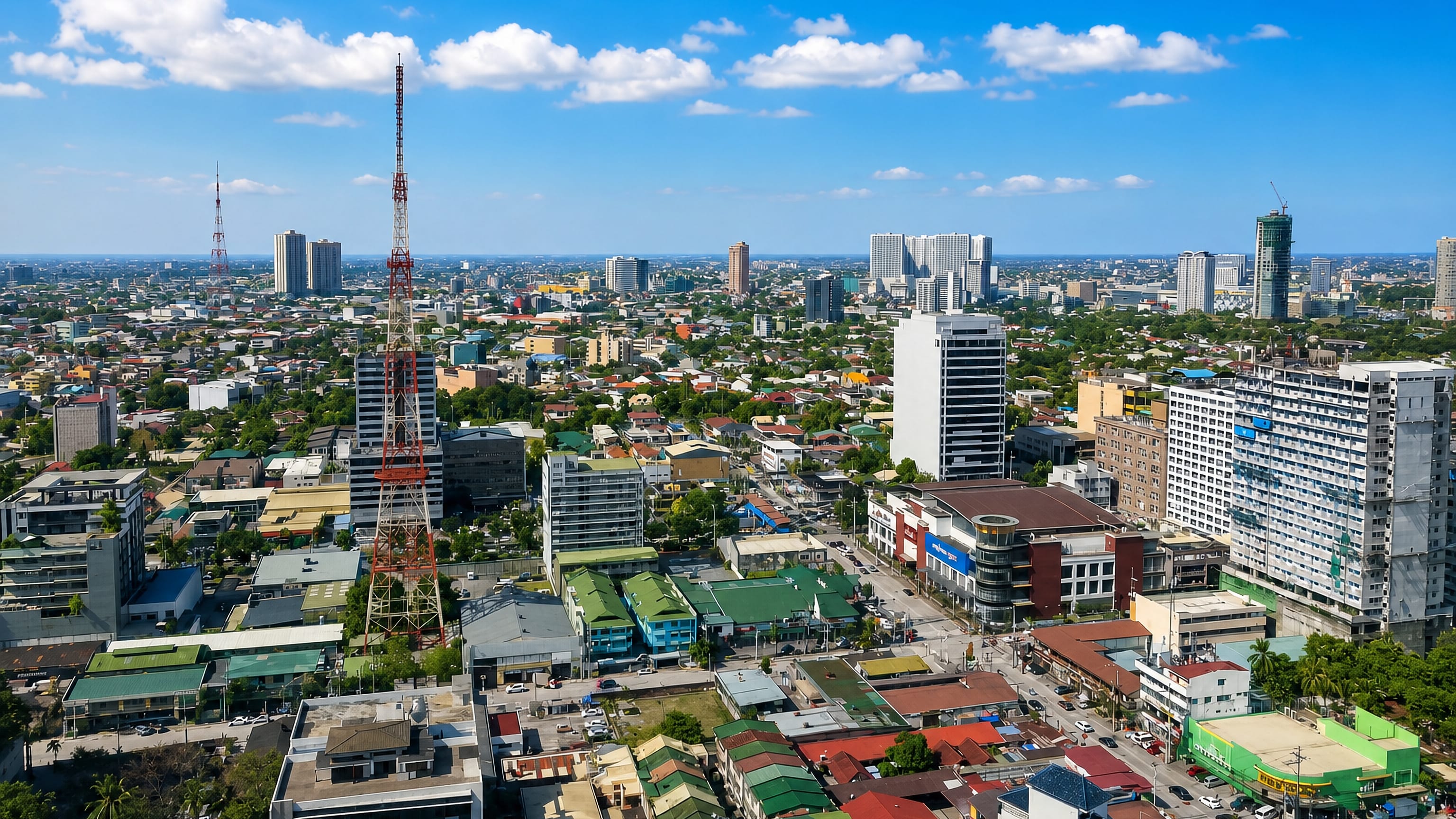
Quezon City rises around the tower of the Quezon Memorial Shrine, the largest city of Metro Manila and once the capital of the Philippines.
Hotel links are affiliate links: booking through them may earn us a commission, at no extra cost to you. It never affects how places are ranked. How this works


Where to stay in Quezon City
Where the beds are, and what that means for the visit.
Quezon City spreads its rooms across several centres, from the arena district around Araneta to the parkland near the Quezon Memorial Shrine. Araneta is the busiest base. The Smart Araneta Coliseum anchors a cluster of malls, cinemas, and transit lines, and a room here puts concerts and games a short walk from the door.
Trains and buses meet at this junction. Closer to the memorial circle the streets open onto green space and civic ground. The Quezon Memorial Shrine stands on its circle above wide lawns, the Quezon Heritage House keeps the family home nearby, and rooms in this quarter trade crowds for quiet and long views of the tower.
Mornings are calm along the parkways. The wildlife park district offers the greenest stay of all. Ninoy Aquino Parks & Wildlife Center holds lagoons and old trees within the city, the Ateneo Art Gallery and the Jorge B. Vargas Museum sit among the campuses to the north, and staying here puts gardens, galleries, and lecture halls within reach.
Pick this side for a slower pace near the museums.
Find hotels in Quezon City
Direct booking searches for these neighbourhoods.
Araneta
The Smart Araneta Coliseum anchors a junction of malls, cinemas, and train lines in the heart of Quezon City.Find hotels in Aranetaa quieter base beside the civic parklandQuezon Memorial Circle
The Quezon Memorial Shrine and the Quezon Heritage House stand above wide lawns and open parkways.Find hotels in Quezon Memorial Circlegreenery, galleries, and a slower paceThe wildlife park and campuses
Ninoy Aquino Parks & Wildlife Center, the Ateneo Art Gallery, and the Jorge B. Vargas Museum gather lagoons, old trees, and art nearby.Find hotels in The wildlife park and campusesHotel links are affiliate links: booking through them may earn us a commission, at no extra cost to you. It never affects how places are ranked. How this works
Things to do in Quezon City
Ranked by global recognition; descriptions from Wikidata (CC0).
Museums & Galleries
3- Bantayog ng mga Bayani
- Ateneo Art Gallery
- Jorge B. Vargas Museum and Filipiniana Research Center
Churches & Religious Sites
3- Church of the Risen Lord
- Iglesia ni Cristo chapel, Bago Bantay
- Iglesia ni Cristo chapel, San Francisco del Monte
Castles & Historic Sites
1- Quezon Memorial Shrine Heritage
Stadiums & Sports
3- Smart Araneta Coliseum
- Amoranto Sports Complex
- Blue Eagle Gym
worth knowingacross 4 categories in Quezon City
About Quezon City
What is Quezon City known for?
Quezon City is known for civic monuments, arenas, and a broad grid of avenues laid out to serve as a planned capital. It carries the name of Manuel L. Quezon. The Quezon Memorial Shrine rises at the centre on its own circle, the Smart Araneta Coliseum draws crowds to boxing and basketball, and the Bantayog ng mga Bayani honours those who resisted martial law.
Media and film took root here.
What are the main landmarks in Quezon City?
Quezon City gathers its landmarks around the memorial circle and the arena grounds. The Quezon Memorial Shrine crowns the centre. The Smart Araneta Coliseum draws the crowds to its dome, the Bantayog ng mga Bayani marks the memory of martial law, and the PAGASA Planetarium and the Quezon Heritage House keep science and family history close by.
Art has its own quarters. The Ateneo Art Gallery and the Jorge B. Vargas Museum hold Filipino collections among the campuses, while the Ninoy Aquino Parks & Wildlife Center guards lagoons and trees within the streets.
What is the history of Quezon City?
Quezon City was founded in 1939 on farmland north-east of the older city of Manila, planned from the start as a new seat of national government. It took its name from Manuel L. Quezon. The second president of the Philippines pushed the project as a modern capital laid out on wide avenues and civic circles, and the ground was broken while much of the land still lay in fields and estates.
War soon interrupted the plan. From 1948 the young city served as the capital of the Philippines, and government offices and monuments gathered around the memorial circle over the following decades. The Quezon Memorial Shrine rose to honour the founder.
Building continued as the city filled in. In 1976 the designation of capital returned to Manila, yet Quezon City kept its arenas, campuses, and government agencies and grew into the largest city of Metro Manila. The Bantayog ng mga Bayani was later raised to remember those who resisted martial law.
Layers of the planned city still show in its grid.
Where is Quezon City?
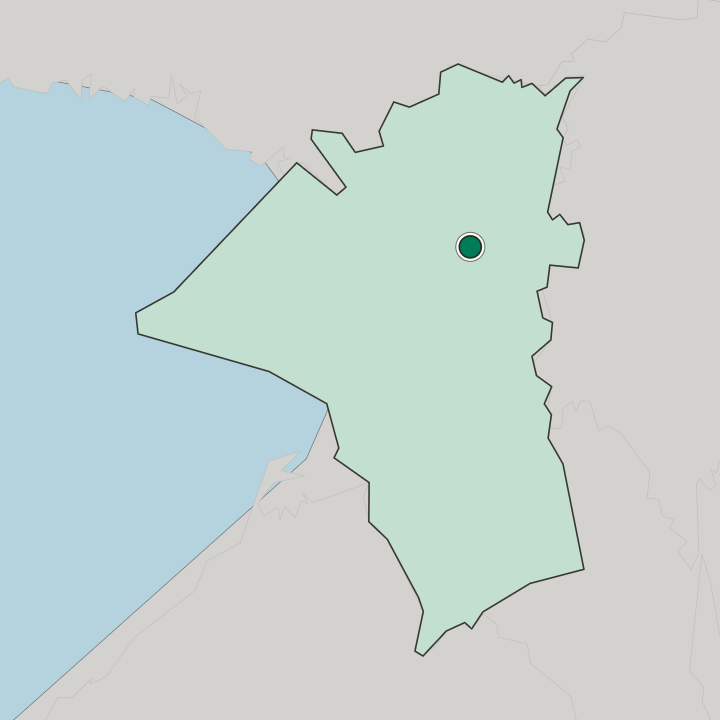
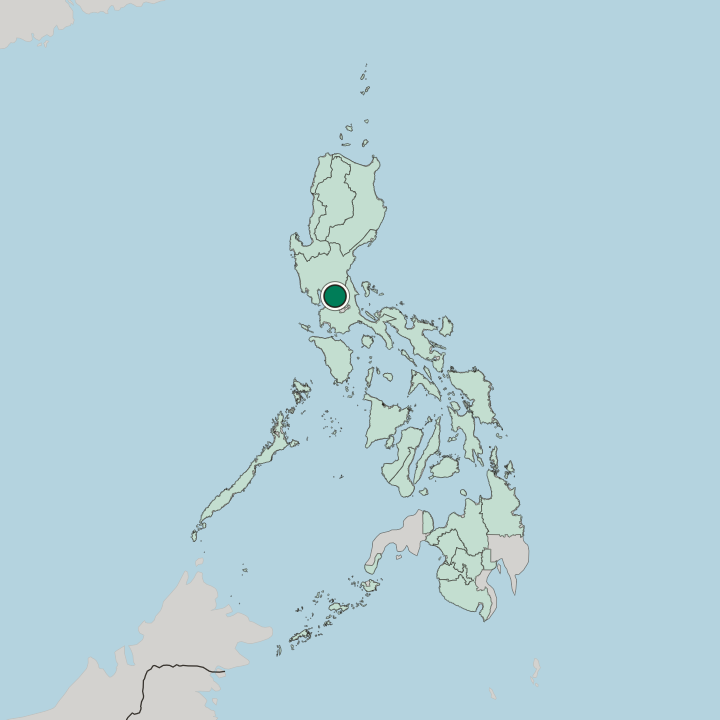
Quezon City occupies a broad stretch of inland ground within Metro Manila, north-east of the older core at Manila. Low hills and plateaus carry its grid. The city runs back from the bay across gently rising land, threaded by creeks and lined with wide parkways rather than a single dominant river, while the National Capital Region wraps its many neighbours around it.
It is the largest of these cities by land.
What is the climate of Quezon City?
Quezon City has a tropical climate of two seasons, warm through the year and set by the monsoon. The dry months run bright and hot. From around the middle of the year the rains sweep in off the sea and storms can cross the National Capital Region, bringing heavy afternoon downpours before the skies clear again toward the cooler months.
Humidity stays high on the plateau.
How do you get to Quezon City?
Quezon City is reached through the airports and rail lines that serve Metro Manila, with elevated trains crossing the city from several directions. Lines meet near Araneta. The Smart Araneta Coliseum sits above one of the busiest transit junctions, where rail routes and bus terminals connect the city to Manila and the wider National Capital Region.
Roads run in on wide radial avenues.
Common questions
What is the best area to stay in Quezon City?
Araneta: concerts, games, and transit within a short walk. Quezon Memorial Circle: a quieter base beside the civic parkland. The wildlife park and campuses: greenery, galleries, and a slower pace.
Good for
More cities in National Capital Region
Updated October 2026