Philippines · National Capital Region
Where to Stay in Makati City, National Capital Region
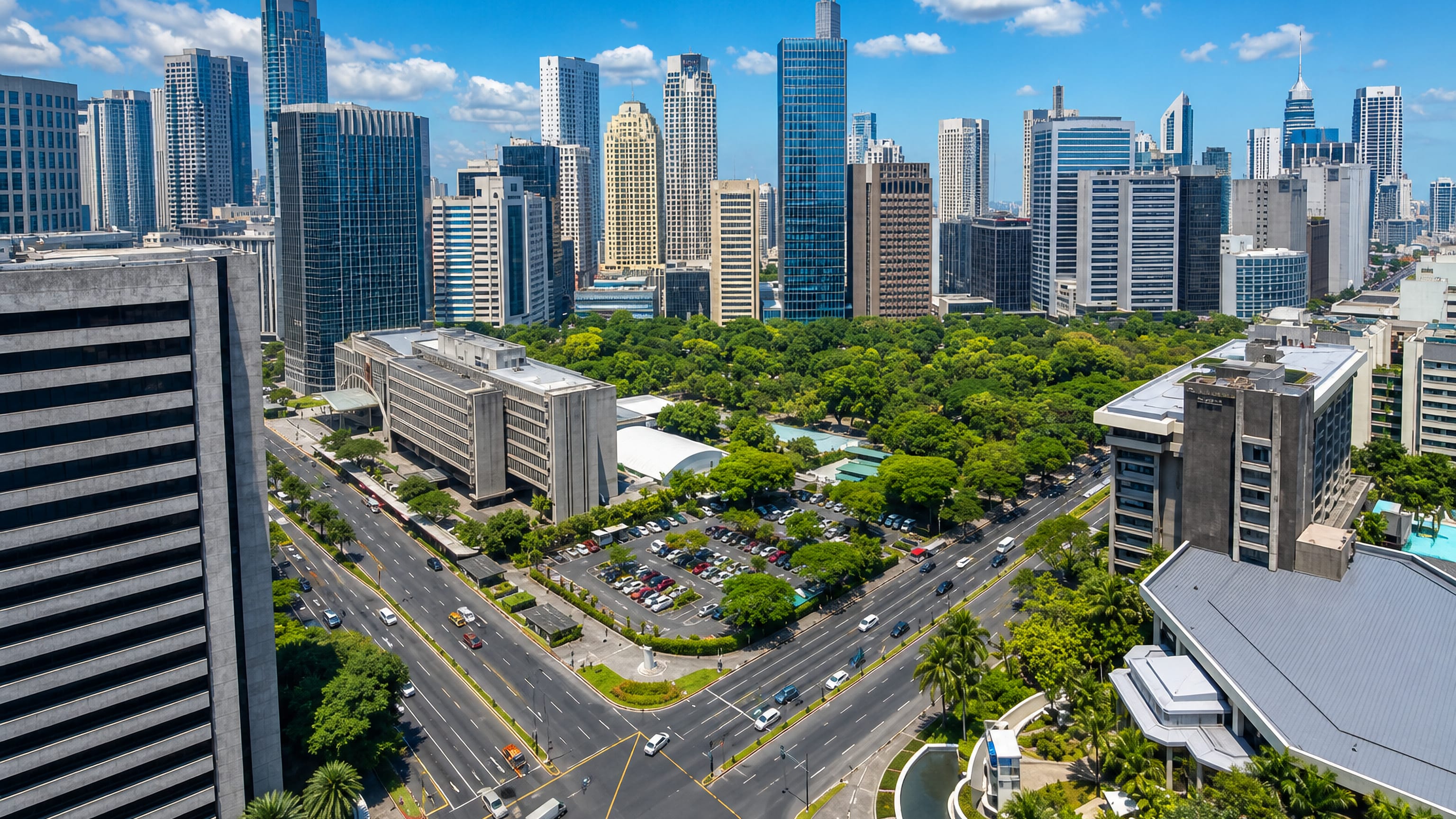
Makati is the leading centre for finance, commerce and diplomacy in the Philippines, and it carries the country's largest skyline.
Hotel links are affiliate links: booking through them may earn us a commission, at no extra cost to you. It never affects how places are ranked. How this works


Where to stay in Makati City
How the choice of base plays out on the ground.
Makati is where Metro Manila puts its hotels. The business district around the Philippine Stock Exchange holds most of them, which means a bed here comes with the malls, the restaurants and the embassies on the doorstep and with the country's densest run of tall building overhead. Ayala Museum sets the cultural corner.
Rooms within walking reach of it and of Makati Museum give a visitor something to do on foot in a city built at the scale of towers, and the same streets carry the shopping Makati is known for. Families read the map differently. The Mind Museum and KidZania Manila sit on the far side of the same broad district, so a room chosen with children in mind is worth putting nearer them than nearer the Exchange.
Sport pulls a third way. Makati Coliseum and the PSC Badminton Hall are fixtures within the city, and staying close to whichever one has an event on saves more time than any saving on the room itself, which is the calculation that suits you if the trip has a fixture at its centre. Villa Peñafrancia keeps an older frontage among all of it.
Find hotels in Makati City
Direct booking searches for these neighbourhoods.
Central business district
The tower blocks around the Philippine Stock Exchange, with the embassies and the shopping on the same streets.Find hotels in Central business districtMuseums on foot at Ayala Museum and Makati MuseumAyala Museum corner
Streets that put Ayala Museum and Makati Museum within a walk of one another.Find hotels in Ayala Museum cornerChildren's outings to The Mind Museum and KidZania ManilaMind Museum side
The end of the district that holds The Mind Museum and KidZania Manila.Find hotels in Mind Museum sideEvent nights at Makati Coliseum or the PSC Badminton HallMakati Coliseum quarter
Close to Makati Coliseum and the PSC Badminton Hall, where a fixture decides the evening. Few places to stay nearby — book ahead.Find hotels in Makati Coliseum quarterHotel links are affiliate links: booking through them may earn us a commission, at no extra cost to you. It never affects how places are ranked. How this works
Things to do in Makati City
Ranked by global recognition; descriptions from Wikidata (CC0).
Museums & Galleries
2- Ayala Museum
- Metropolitan Museum of Manila
Churches & Religious Sites
1- Iglesia ni Cristo chapel, Makati
Stadiums & Sports
2- Makati Coliseum
- Enrique M. Razon Sports Center
Parks & Gardens
3- Manila Zoological and Botanical Garden
- Star City, Manila
- KidZania Manila
worth knowingacross 4 categories in Makati City
About Makati City
The skyline is the tell.
What is Makati City known for?
Makati carries 432 high-rises and skyscrapers, 138 of them above one hundred metres, which is more tall building than anywhere else in the Philippines and the reason the city reads differently from its neighbours at street level. Money explains it. The Philippine Stock Exchange sits here alongside the banks, the embassies and the diplomatic missions, and the upscale malls, restaurants and hotels that follow that kind of business have made shopping the other thing Makati is asked about.
What are the main landmarks in Makati City?
Ayala Museum is the first stop most lists give. Makati Museum covers the city's own record, the Metropolitan Museum of Manila and the Iglesia ni Cristo Museum sit within the same reach, and the Philippine Army Museum adds a military collection to a district better known for towers. Villa Peñafrancia survives from an earlier scale.
The Manila Zoological and Botanical Garden, Rizal Memorial Baseball Stadium and Star City all lie among the neighbouring cities, and Cuneta Astrodome belongs to the same wider circuit rather than to Makati itself.
What is the history of Makati City?
Makati dates to 1670. Three centuries separate that founding from the financial district the name now means, and little of the first town is legible in a city where 432 high-rises and skyscrapers stand on eighteen square kilometres. Villa Peñafrancia is one exception.
It keeps a frontage from before the towers, and the Philippine Columbian Association belongs to a similar older layer of civic life, which is roughly the extent of what the district preserves at ground level. Business rewrote everything else. The Philippine Stock Exchange settled here, the embassies and diplomatic missions followed, and Makati became the country's leading centre for finance, commerce and diplomacy rather than one more district of the capital region.
The formal name came with the standing. City of Makati is the style of a highly urbanized city of the National Capital Region, and the skyline that goes with it is the largest in the Philippines. Culture came afterwards.
Ayala Museum and Makati Museum hold the record between them, and both stand among the towers rather than apart from them, which is as good a summary of the place as the skyline figures themselves.
Where is Makati City?
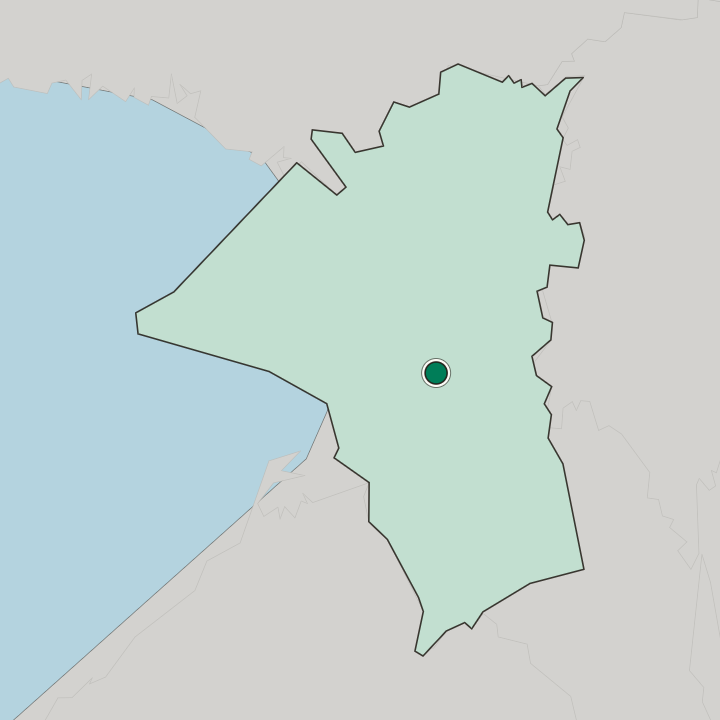
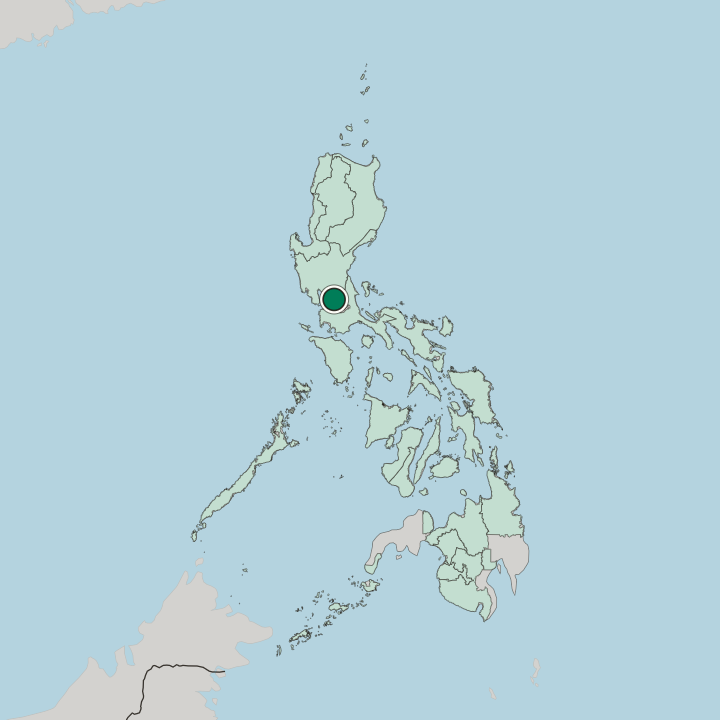
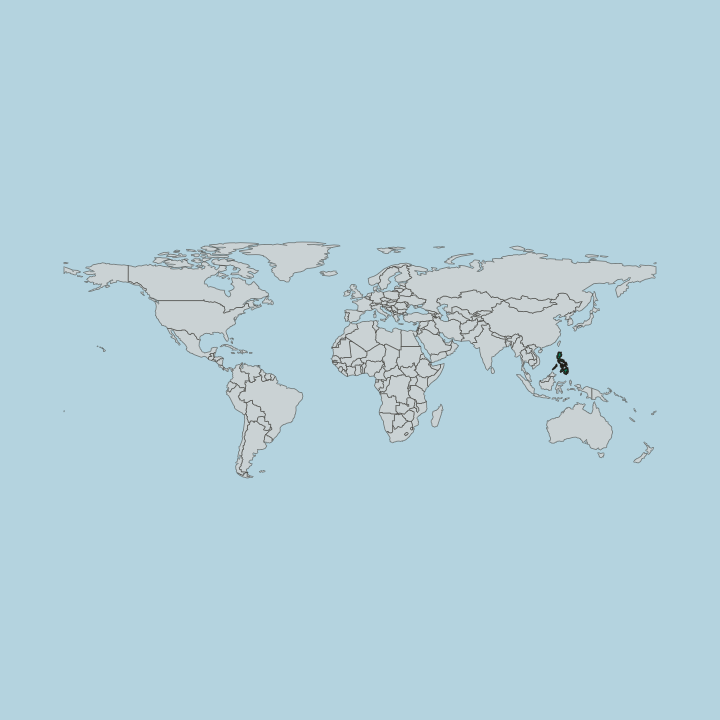
Eighteen square kilometres, no more. Makati lies in the heart of Metro Manila, hemmed on every side by other cities of the National Capital Region, so the only direction left for it to grow was upward, and 432 high-rises and skyscrapers are the result. Ground level tells little.
The tropics supply the warmth and the rain, but the geography that counts here is measured in storeys rather than in slopes, with 138 buildings above one hundred metres setting the horizon in place of any ridge.
What is the climate of Makati City?
The towers make their own shade. Streets between the high-rises of Makati spend more of the day out of direct sun than the lower districts around them do, which is the only local variation on a climate the whole of Metro Manila shares. Rain governs the calendar.
Warmth holds through the year in this part of the National Capital Region, and the distinction that matters to a visit is whether a month falls in the wet half or the dry one, not whether it falls in summer or winter.
How do you get to Makati City?
Makati sits in the middle of everything. The city lies in the heart of Metro Manila, which makes it the shortest average journey from anywhere else in the National Capital Region and the reason so many visitors sleep here and work elsewhere. Embassies fix the addresses.
Diplomatic missions and the Philippine Stock Exchange give the district its fixed reference points, so the practical way to place a hotel in Makati is by which of them it stands nearest rather than by a road name.
Common questions
What is the best area to stay in Makati City?
Central business district: Walking to the Philippine Stock Exchange and the malls. Ayala Museum corner: Museums on foot at Ayala Museum and Makati Museum. Mind Museum side: Children's outings to The Mind Museum and KidZania Manila. Makati Coliseum quarter: Event nights at Makati Coliseum or the PSC Badminton Hall.
Good for
More cities in National Capital Region
Updated October 2026