Philippines · National Capital Region
Where to Stay in Taguig, National Capital Region
Taguig holds Bonifacio Global City, the tower district of Metro Manila, along with McKinley Hill and the green ground of the Manila American Cemetery.
Hotel links are affiliate links: booking through them may earn us a commission, at no extra cost to you. It never affects how places are ranked. How this works


Where to stay in Taguig
How the choice of base plays out on the ground.
The choice here falls between two built districts. Bonifacio Global City puts the towers, the shopping and The Mind Museum inside a grid that can be walked end to end, and it carries the densest run of rooms anywhere in Taguig. Nights stay busy on the ground floors.
Restaurants and bars fill the street level beneath the offices, so the district never empties out once the working day ends. McKinley Hill is the quieter side. It lies away from the core of Bonifacio Global City and closer to the Manila American Cemetery, which suits anyone wanting an address in the city without tower blocks directly overhead.
The cemetery grounds are green and still. A room on that side trades the shortest walk to the office towers for open ground and a slower street, which fits visitors here for The Mind Museum rather than for business. Beds thin out past the planned districts.
Outside Bonifacio Global City, the Bonifacio Capital District and McKinley Hill the ground turns residential, and staying elsewhere in Taguig means a longer trip back into the grid every morning.
Find hotels in Taguig
Direct booking searches for these neighbourhoods.
Bonifacio Global City
The Mind Museum, the shops and the street-level restaurants all fall inside one walkable gridFind hotels in Bonifacio Global CityQuieter nights within reach of the Manila American CemeteryMcKinley Hill
Away from the Bonifacio Global City core, with open ground in place of tower blocksFind hotels in McKinley HillLonger stays that accept a commute into the Bonifacio Capital DistrictThe rest of Taguig
Residential ground beyond the three planned districts, with few rooms near Fort Bonifacio. Beds are limited here, so book early.Find hotels in The rest of TaguigHotel links are affiliate links: booking through them may earn us a commission, at no extra cost to you. It never affects how places are ranked. How this works
About Taguig
High-rises and headquarters.
What is Taguig known for?
Bonifacio Global City ranks as the second business district of Metro Manila, and it works as a shopping, dining and entertainment centre quite as much as an office one, which sets the tone for everything laid out around it. The Mind Museum pulls the family trade. McKinley Hill and the Bonifacio Capital District extend the same build-out, while embassies spread through Taguig make the city a working centre of the country's diplomacy.
What are the main landmarks in Taguig?
The Mind Museum is the popular one. Science exhibits fill it, and families make up much of the traffic, which is unusual for a district built around offices and towers. Two service museums sit nearby.
The Philippine Army Museum and the Philippine Air Force Aerospace Museum both keep the military record of Fort Bonifacio, and the Shrine of St. Therese, Doctor of the Church, stands away from the commercial blocks.
What is the history of Taguig?
No founding year sits on record. What the city carries instead is the memory of a garrison, because Fort Bonifacio occupies the ground that the financial districts were later laid across, and the name survives in both Bonifacio Global City and the Bonifacio Capital District. The Philippine Army Museum keeps that thread.
So does the Philippine Air Force Aerospace Museum, which records the other service's side of the same century from a site in the same city. The Manila American Cemetery is the largest single reminder. Its ground lies inside Taguig, held apart from the towers, and it belongs to a period when this corner of Metro Manila was military land rather than a business address.
Then the ground changed use. Fort Bonifacio gave way to Bonifacio Global City, McKinley Hill and the Bonifacio Capital District, and the corporate headquarters, the embassies and the high-rises followed a plan instead of arriving one at a time. What the city became is legible from any street.
A national centre for finance and technology sits on the same ground as the arts and the media, and the garrison name underneath the whole build-out has never been dropped.
Where is Taguig?
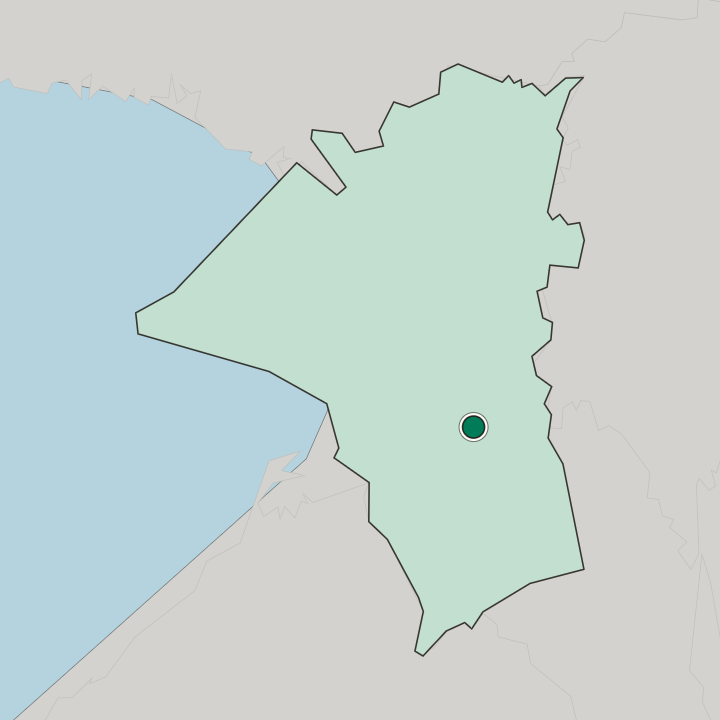
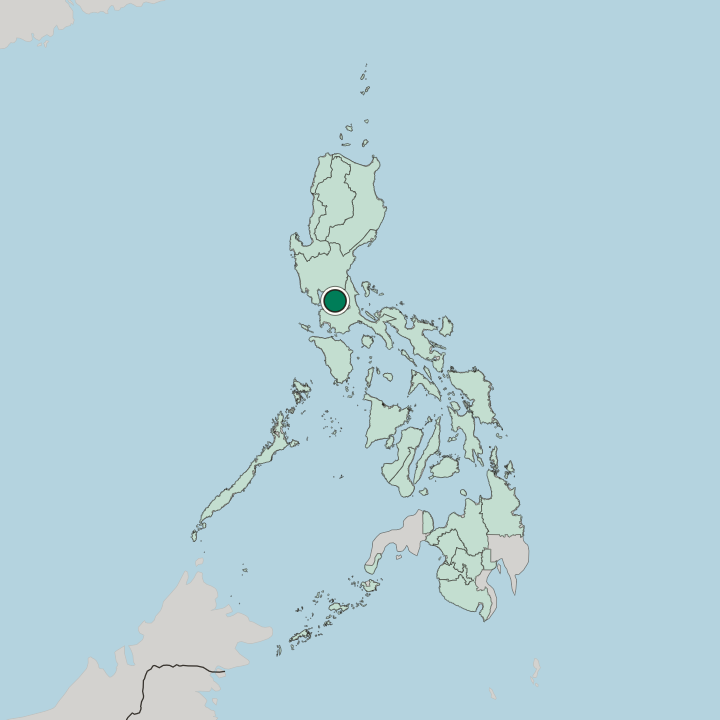
Roughly forty-seven square kilometres of ground. Taguig lies within Metro Manila in the National Capital Region, and its land is given over almost wholly to built districts, with Fort Bonifacio, Bonifacio Global City, the Bonifacio Capital District and McKinley Hill accounting for much of it. The skyline ranks third in the Philippines.
Some 289 high-rises stand across the city, 80 of them past 100 metres, which gives the place a profile readable from far outside its own boundaries.
What is the climate of Taguig?
Warmth holds through every month. Taguig lies in the tropical band, where the calendar turns on rain rather than on temperature, and the gap between a dry month and a wet one is far wider than anything the thermometer records across a whole year. Concrete does the rest.
Bonifacio Global City packs its high-rises tightly enough that the streets hold warmth well after dark, while open ground elsewhere in Metro Manila loses it faster.
How do you get to Taguig?
Every approach comes by road. Taguig has no airport and no terminal of its own, so anyone heading for Bonifacio Global City or McKinley Hill comes overland from elsewhere in Metro Manila, and the last part of the trip gets measured in traffic rather than in kilometres. The grid inside is walkable.
Once past the edge of Fort Bonifacio the district blocks run on a regular plan, which makes the final stretch far simpler than the approach across the National Capital Region.
Common questions
What is the best area to stay in Taguig?
Bonifacio Global City: Working days and evenings out under the Bonifacio Global City towers. McKinley Hill: Quieter nights within reach of the Manila American Cemetery. The rest of Taguig: Longer stays that accept a commute into the Bonifacio Capital District.
More cities in National Capital Region
Updated September 2026