Philippines · National Capital Region
Where to Stay in Pasay, National Capital Region
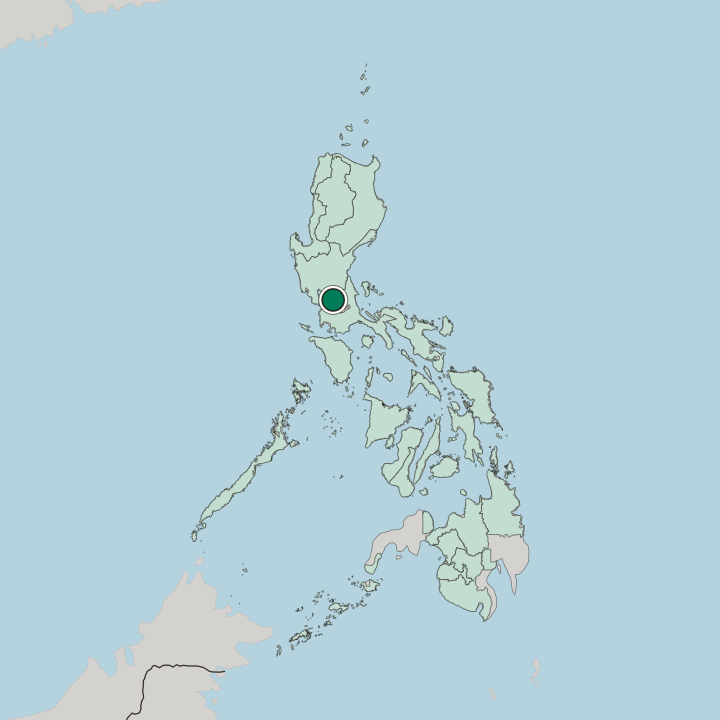
Pasay, a city just south of Manila, holds Ninoy Aquino International Airport and the reclaimed Bay City ground behind SM Mall of Asia.
Hotel links are affiliate links: booking through them may earn us a commission, at no extra cost to you. It never affects how places are ranked. How this works


Where to stay in Pasay
The practical side of choosing where to sleep.
Three very different Pasays offer beds. Bay City is the newest and the easiest to walk: the reclaimed blocks put SM Mall of Asia, the SM Mall of Asia Arena and Star City within a few minutes of one another, and a room there means never crossing a busy junction after dark. The terminals are the second choice.
Hotels on the side nearest Ninoy Aquino International Airport exist for the early departure and the long layover, with Old Nayong Pilipino and the APEC Sculpture Garden the only real diversions once bags are down. Older Pasay is the third. Streets inland from the reclaimed ground hold the Cuneta Astrodome, the Rizal Memorial Baseball Stadium and the Manila Zoological and Botanical Garden, and a stay among them puts you in an ordinary working city rather than a planned one.
Guidebooks are blunt about the contrast. What Bay City gains in order it gives up in character, while the inland districts carry the everyday trade of a city that grew without a plan, and a visitor with a fixture at the PSC Badminton Hall or the Enrique M. Razon Sports Center will end up out there anyway. Fourteen square kilometres is not much ground.
Whichever of the three you pick, the Metropolitan Museum of Manila and the Museo del Galeón are a short ride, not an expedition.
Find hotels in Pasay
Direct booking searches for these neighbourhoods.
Bay City
The reclaimed Bay City blocks hold SM Mall of Asia, its arena and Star City side by sideFind hotels in Bay CityLayovers at Ninoy Aquino International AirportThe airport side
Ninoy Aquino International Airport is minutes off, with Old Nayong Pilipino the nearest diversionFind hotels in The airport sideFixtures at the Cuneta Astrodome or the Rizal Memorial Baseball StadiumInland Pasay
These older streets keep the Manila Zoological and Botanical Garden and the astrodome close. Lodging is scarce in this area; reserve in advance.Find hotels in Inland PasayHotel links are affiliate links: booking through them may earn us a commission, at no extra cost to you. It never affects how places are ranked. How this works
Things to do in Pasay
Ranked by global recognition; descriptions from Wikidata (CC0).
Museums & Galleries
3- Metropolitan Museum of Manila
- Dessert Museum
- GSIS Museo ng Sining
Churches & Religious Sites
1- Shrine of St. Therese, Doctor of the Church
Stadiums & Sports
3- SM Mall of Asia Arena
- Cuneta Astrodome
- Enrique M. Razon Sports Center
Parks & Gardens
3- Manila Zoological and Botanical Garden
- Star City, Manila
- Old Nayong Pilipino
worth knowingacross 4 categories in Pasay
About Pasay
The airport fixes the address.
What is Pasay known for?
Ninoy Aquino International Airport serves the whole region from inside Pasay, which makes this the city most travellers cross whether or not they ever mean to stop in it. Bay City supplies the rest. Raised on land reclaimed from Manila Bay, that development carries SM Mall of Asia, the SM Mall of Asia Arena and the Star City amusement park, and its planned blocks look nothing like the older streets further inland.
What are the main landmarks in Pasay?
Sport takes an unusual share of the list. The Cuneta Astrodome, the Rizal Memorial Baseball Stadium, the PSC Badminton Hall and the Enrique M. Razon Sports Center sit alongside the SM Mall of Asia Arena, which handles the largest events. Galleries fill the middle.
The Metropolitan Museum of Manila, the GSIS Museo ng Sining, Museo del Galeón and the Dessert Museum span painting, maritime history and novelty. Star City and the Manila Zoological and Botanical Garden take the families, while the APEC Sculpture Garden and Old Nayong Pilipino keep quieter ground.
What is the history of Pasay?
1863 is the date the record gives. Pasay began as a settlement on the flat ground just south of Manila, close enough to the capital to be shaped by everything that happened there and small enough to be overtaken by it within a century. Aviation changed the scale.
Ninoy Aquino International Airport turned a suburban city into the point through which the region's air traffic passes, and the hotels, terminals and approach roads that came with it reorganised whole districts around a single function. The water moved next. Land reclaimed from Manila Bay produced the Bay City development, a piece of ground that did not exist when the city was founded and now carries SM Mall of Asia, its arena and Star City.
Two Pasays resulted. One is planned, level and recent; the other grew street by street inland, and guidebooks describe the difference between them in fairly unsparing terms. The institutions predate both: the Cuneta Astrodome and the Rizal Memorial Baseball Stadium served crowds long before the reclaimed blocks opened, the Manila Zoological and Botanical Garden is older still, and the Metropolitan Museum of Manila, the GSIS Museo ng Sining and Museo del Galeón hold the collections the city kept through all of it.
Officially the place is the City of Pasay, one of the highly urbanized cities of the National Capital Region.
Where is Pasay?
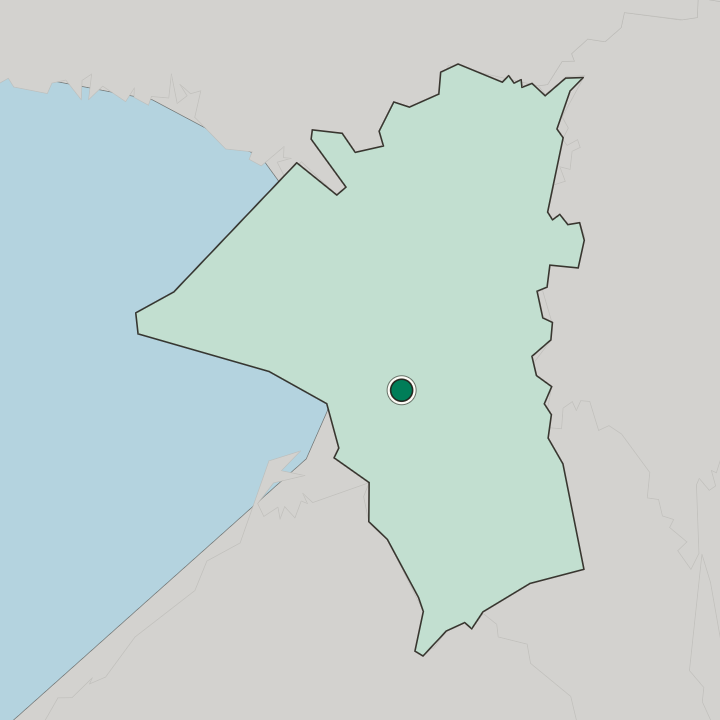
Water made part of this city. Pasay covers about fourteen square kilometres of flat ground just south of Manila, and its western margin is not original coast but fill taken from Manila Bay to build the Bay City blocks. Elevation hardly varies.
The rest is a dense grid running inland from that made ground, hemmed by the runways and aprons of Ninoy Aquino International Airport, with the Manila Zoological and Botanical Garden among the few green surfaces of any size.
What is the climate of Pasay?
Manila Bay does the moderating. Air moving off the open water takes a little of the edge off afternoons along the Bay City frontage, which is the one climatic advantage the reclaimed ground has over the inland streets. Wet and dry split the year.
Temperatures stay high through both halves at this depth in the tropics, so the season a visitor picks changes the rain rather than the heat.
How do you get to Pasay?
Most arrivals land here. Ninoy Aquino International Airport sits inside Pasay and serves the region, so the first ground a great many visitors to the metropolis stand on belongs to this city rather than to Manila. Road handles everything else.
Traffic between the terminals and Bay City is the daily test, and anyone timing a run to SM Mall of Asia or the SM Mall of Asia Arena learns quickly which hours to avoid.
Common questions
What is the best area to stay in Pasay?
Bay City: Walking between SM Mall of Asia and Star City. The airport side: Layovers at Ninoy Aquino International Airport. Inland Pasay: Fixtures at the Cuneta Astrodome or the Rizal Memorial Baseball Stadium.
Good for
More cities in National Capital Region
Updated October 2026