Poland · Greater Poland Voivodeship · Poznań
Podolany, Poznań — Area Guide & Where to Stay
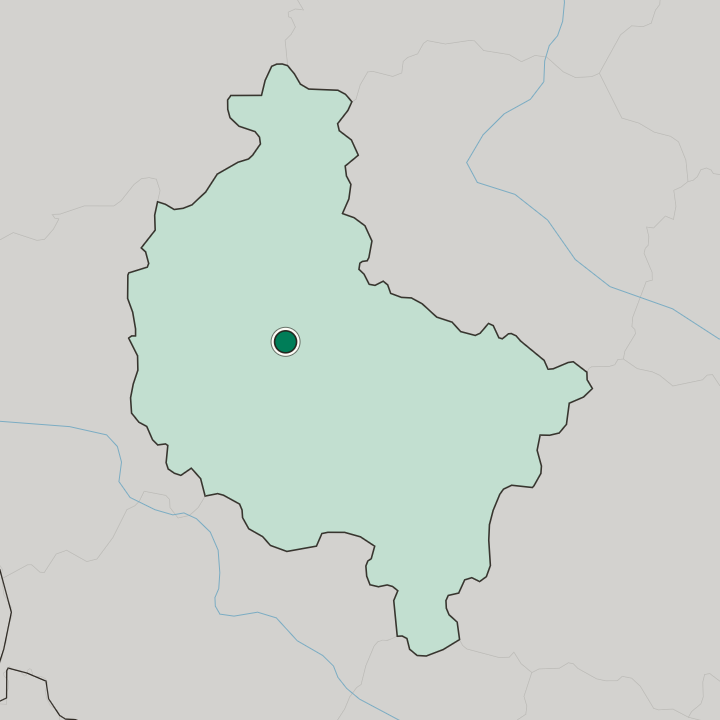
Podolany is a garden suburb of Poznań laid out for railway workers to Jan Rakowicz's 1923 plan, with many streets named for Polish spa towns.
Hotel links are affiliate links: booking through them may earn us a commission, at no extra cost to you. It never affects how places are ranked. How this works


Where to stay in Podolany
Where the beds are, and what that means for the visit.
Podolany was parcelled for houses rather than for rooms, and the interwar plots along ulica Ciechocińska and ulica Krynicka still carry single-family houses, so hotel space is the exception here rather than the pattern. Shops sit on ulica Strzeszyńska. The rail halt closed in 1987, and Poznań Podolany reopened in 2019 to put Poznań Główny about three kilometres down line 354, which makes a room in the centre a workable base if you have come for Fort VI or for the chestnut avenue on ulica Janiny Omańkowskiej.
Things to do in and around Poznań
Ranked by global recognition; descriptions from Wikidata (CC0).
Museums & Galleries
1- Armored Weaponry Museum, Poznań
Churches & Religious Sites
3- Saint Padre Pio church in Poznań
- Saint Stanislaus of Szczepanów church in Poznań
- Divine Mercy church in Poznań
Castles & Historic Sites
3- Pomnik ofiar Fortu VII nad Rusałką w Poznaniu (północny brzeg)
- Pomnik 600-lecia bitwy pod Grunwaldem w Poznaniu
- Pomnik Serca Jezusowego w Poznaniu
Landmarks & Notable Places
1- Piątkowo transmitter
worth knowingacross 4 categories in and around Poznań
About Podolany
What are the main landmarks in Podolany?
Fort VI sits at ulica Lutycka, built between 1879 and 1883 to Hans von Biehler's design as one of the eighteen forts of the Poznań fortress ring, and entered in the monuments register in 1983. Its patron is Kazimierz Mielęcki. The Church of Our Lady of Consolation in Poznań came much later, raised on ulica Kartuska between 1970 and 1973 to Jan Kopydłowski's design, a low single-nave hall lit only through its glazed front wall and a lantern over the chancel.
Forty white chestnuts line ulica Janiny Omańkowskiej under protection given in 1986, and Park Leszka Bergera dams the Wierzbak beside ulica Druskienicka.
What is the history of Podolany?
Podolany began as an olęder settlement on the road from Poznań through Winiary to Oborniki, its Polish name first written down in the late 1770s and carried onto David Gilly's map of 1805. The German name was Schönherrnhausen. Railway employees founded a settlement cooperative on the old folwark ground in January 1921, and two years later Jan Rakowicz drew them a garden suburb on the model of Hellerau outside Dresden, three streets fanning from the station square with a lime avenue down the middle.
Poznań took the settlement in 1933. Jan Zbijewski's revisions cut the parkland, the sports pitches, and the library from that plan.
Good for
More areas in Poznań
Updated October 2026