Romania
Covasna, Romania — Towns & Travel Guide
Eastern Transylvania, in short. Covasna is a county of Romania that sits within Transylvania and keeps its seat at Sfântu Gheorghe.
Hotel links are affiliate links: booking through them may earn us a commission, at no extra cost to you. It never affects how places are ranked. How this works


Towns & cities in Covasna
One town here has its own guide — it links to where to stay.

 Romania
Sfântu Gheorghe
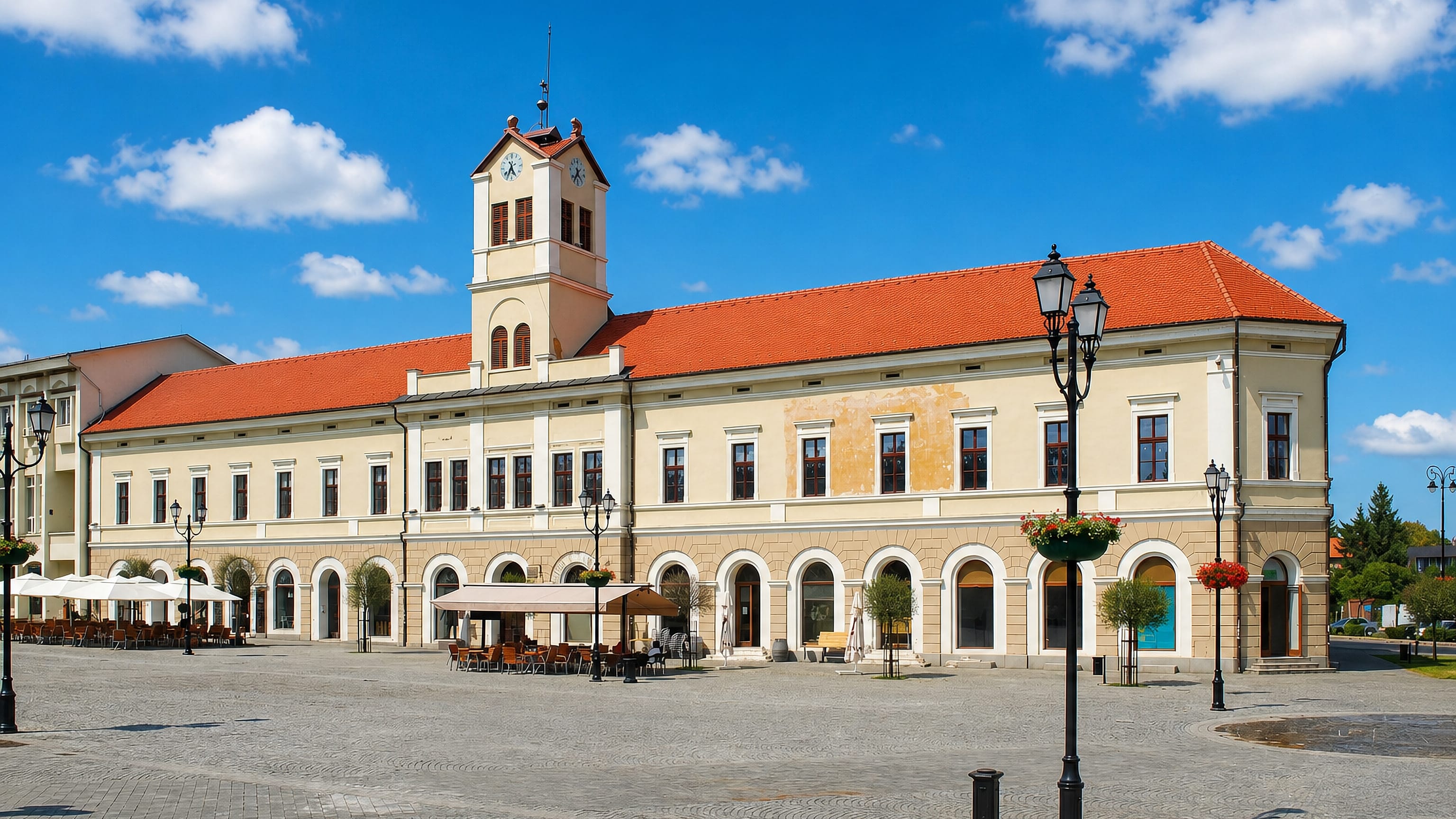
Sfântu Gheorghe, seat of Covasna County, is a Szekler county town recorded from 1332, its museums and old townhouses set in one compact centre.Where to stay →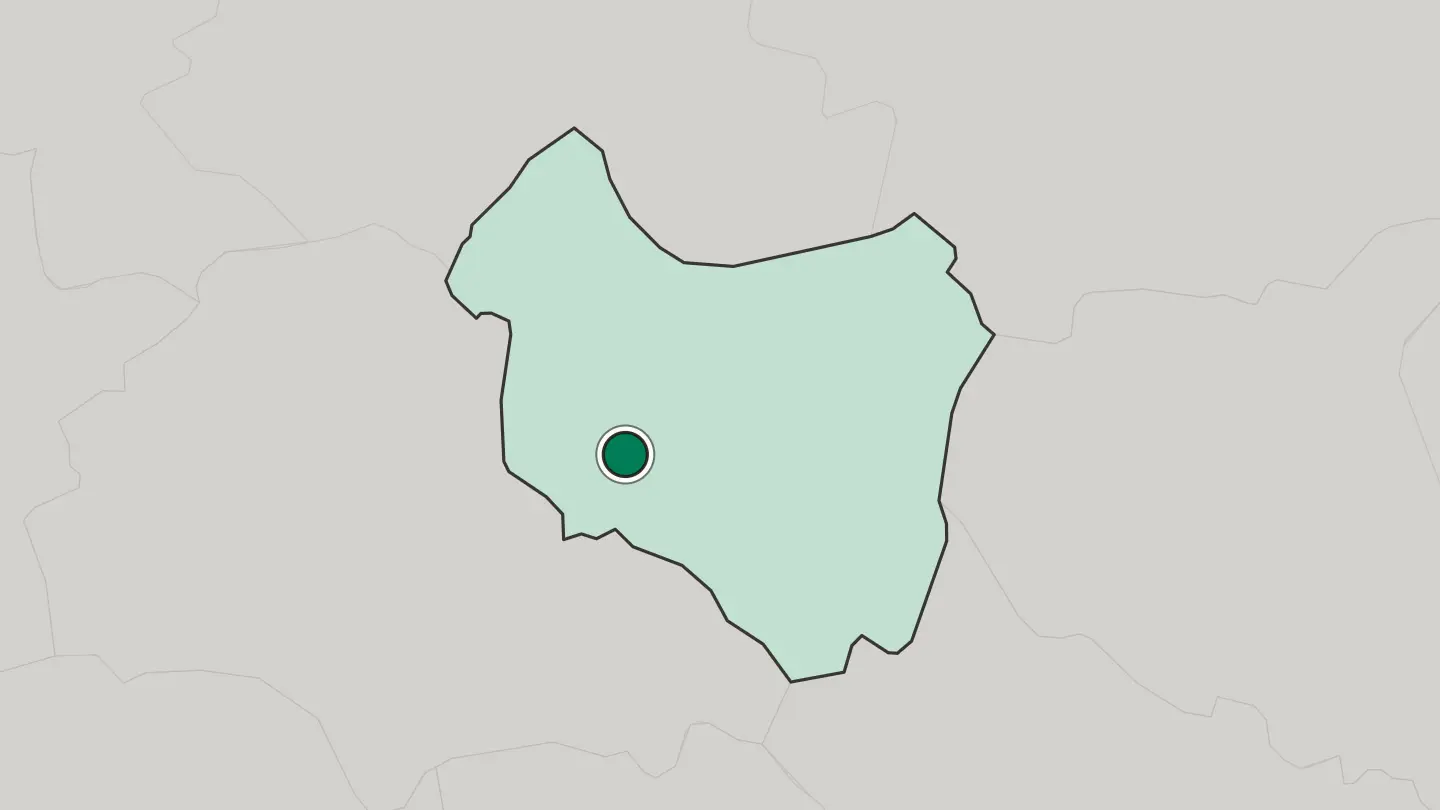
Hotel links are affiliate links: booking through them may earn us a commission, at no extra cost to you. It never affects how places are ranked. How this works
About Covasna
One county, one province.
What is Covasna known for?
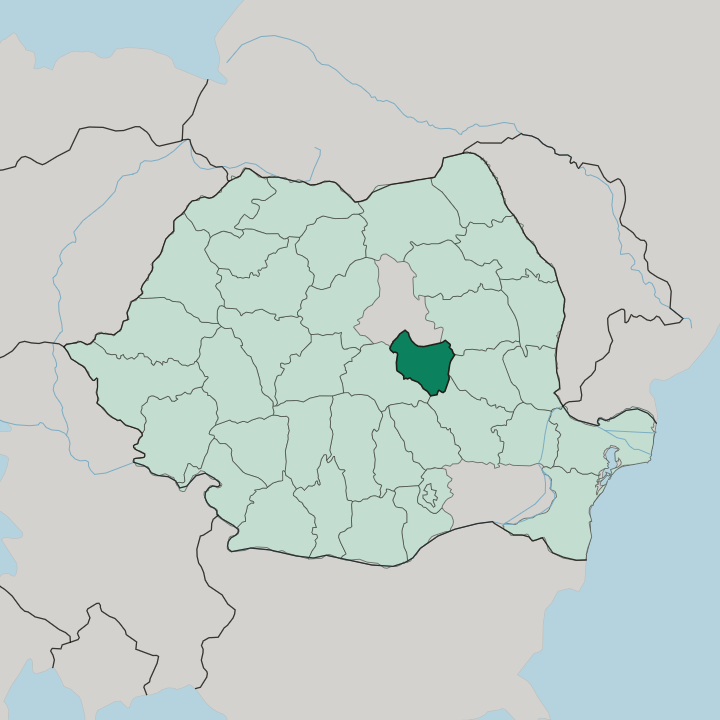
Covasna lies in the eastern part of Transylvania and belongs to Romania as one of its județ units, which spares it the split identity carried by counties that straddle two historical regions. Sfântu Gheorghe holds the seat. Every administrative thread in Covasna County resolves there, and a traveller soon notices that the name of the county and the name of its capital town are not the same word.
Where is Covasna?
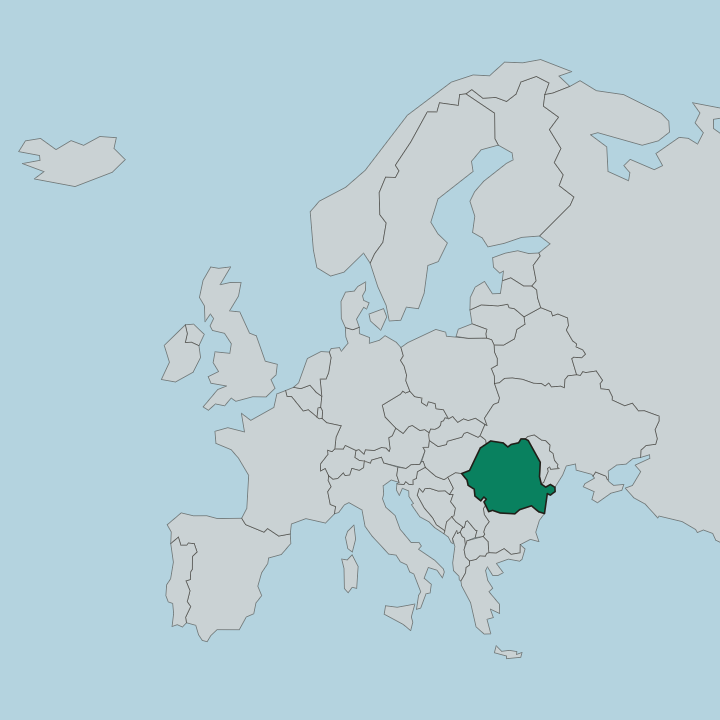
Transylvania sets the frame. Covasna occupies the eastern part of that historical region, and unlike counties drawn across a provincial boundary it belongs to one province from edge to edge, which makes its geography easier to describe than most. Sfântu Gheorghe anchors the county.
The seat sits inside the same Transylvanian ground as everything else Covasna administers. Romania divides itself into județ units, and Covasna is one of them. The county is not among the country's larger ones, so the ground between its outer limits and Sfântu Gheorghe is crossed without much effort, and the practical geography of Covasna County is the geography of a single day's radius.
Compact, in a word. That scale governs how the county works, because no second town has ever needed to duplicate what the seat already provides. Inland ground throughout.
Covasna reaches no coast, and its position in the temperate band of the northern hemisphere puts it among the parts of Transylvania where the seasons swing rather than hold steady. Nothing in the county's outline breaks that pattern, since the whole of Covasna County shares one province, one climate band, and one administrative centre at Sfântu Gheorghe.
What is Covasna like?
Sfântu Gheorghe carries the county's public life. Being the seat of Covasna, it holds the offices, the civic institutions and the gatherings that a județ of this size sustains, while the villages beyond it keep the older rhythm that eastern Transylvania has long had. Romanian is the language of record.
It runs through the county's administration and its everyday dealings alike. Transylvanian belonging shapes how the county describes itself. Covasna County is wholly inside Transylvania rather than shared with a neighbouring province, so the regional label attaches cleanly here in a way it does not for counties cut by a historical boundary, and people speak of the region before they speak of the county.
That distinction matters locally. It is the difference between a place that has to explain itself and one that does not. The county town does the explaining anyway.
Visitors arriving in Covasna find Sfântu Gheorghe presenting the region's story through the institutions gathered there, and the countryside filling in the rest by simply carrying on. Two registers, one county. Between the seat and the villages, Covasna offers the ordinary Transylvanian pairing of an administrative centre and the rural ground it serves.
What is the history of Covasna?
Transylvania is the older name here. The province existed as a recognised historical region long before Romania organised itself into the județ units that produced Covasna County in its present shape, so the county line is a modern overlay on much older ground. Sfântu Gheorghe became the seat.
That choice has held, and the town has carried the administration of Covasna ever since the county took the form it now has within eastern Transylvania.
What is the climate of Covasna?
The Transylvanian interior sets the terms. Covasna sits inland within that region, well away from any sea, so the temperate band it occupies delivers a wider seasonal swing than a coastal county of similar standing would see, and Sfântu Gheorghe experiences the same range as the villages around it. No coast softens it.
Winter and summer both arrive fully across Covasna County.
How do you get to Covasna?
Everything here moves by road. Arrivals into Covasna come overland through Transylvania, and Sfântu Gheorghe is where those roads converge, since the county seat is the one place in the county that concentrates services enough to be worth aiming at. It is a short county to cross.
Once inside Covasna County, the villages sit within easy reach of the seat, and no corner of it demands a long haul from Sfântu Gheorghe.
Common questions
What is the best area to stay in Covasna?
Sfântu Gheorghe: Basing in the town that serves as the Covasna county seat. The Covasna countryside: Village nights in the eastern reach of Transylvania.
More regions in Romania
Updated September 2026