Romania
Bihor, Romania — Towns & Travel Guide
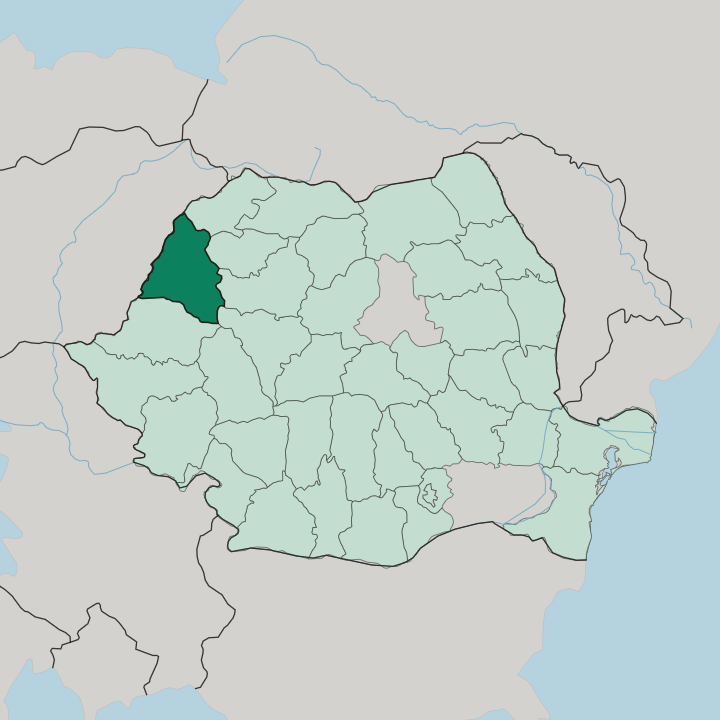
Bihor is a county in western Romania, running from the Apuseni Mountains down to the plain, with Oradea as its capital.
Hotel links are affiliate links: booking through them may earn us a commission, at no extra cost to you. It never affects how places are ranked. How this works


Towns & cities in Bihor
One town here has its own guide — it links to where to stay.

 Romania
Oradea
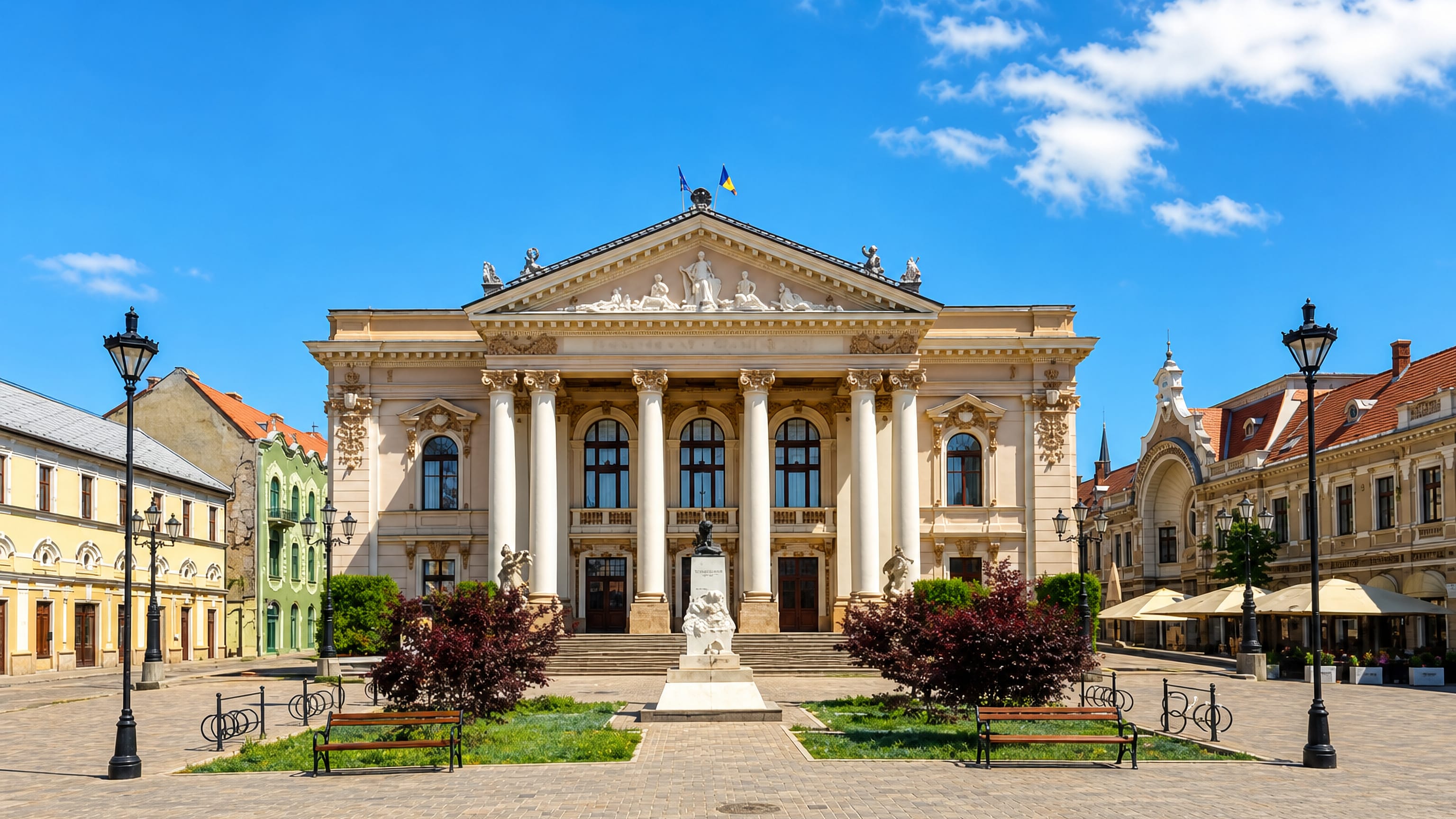
Oradea straddles the Crișul Repede River as the capital of Crișana and the administrative centre of Bihor County, on record since 1113.Where to stay →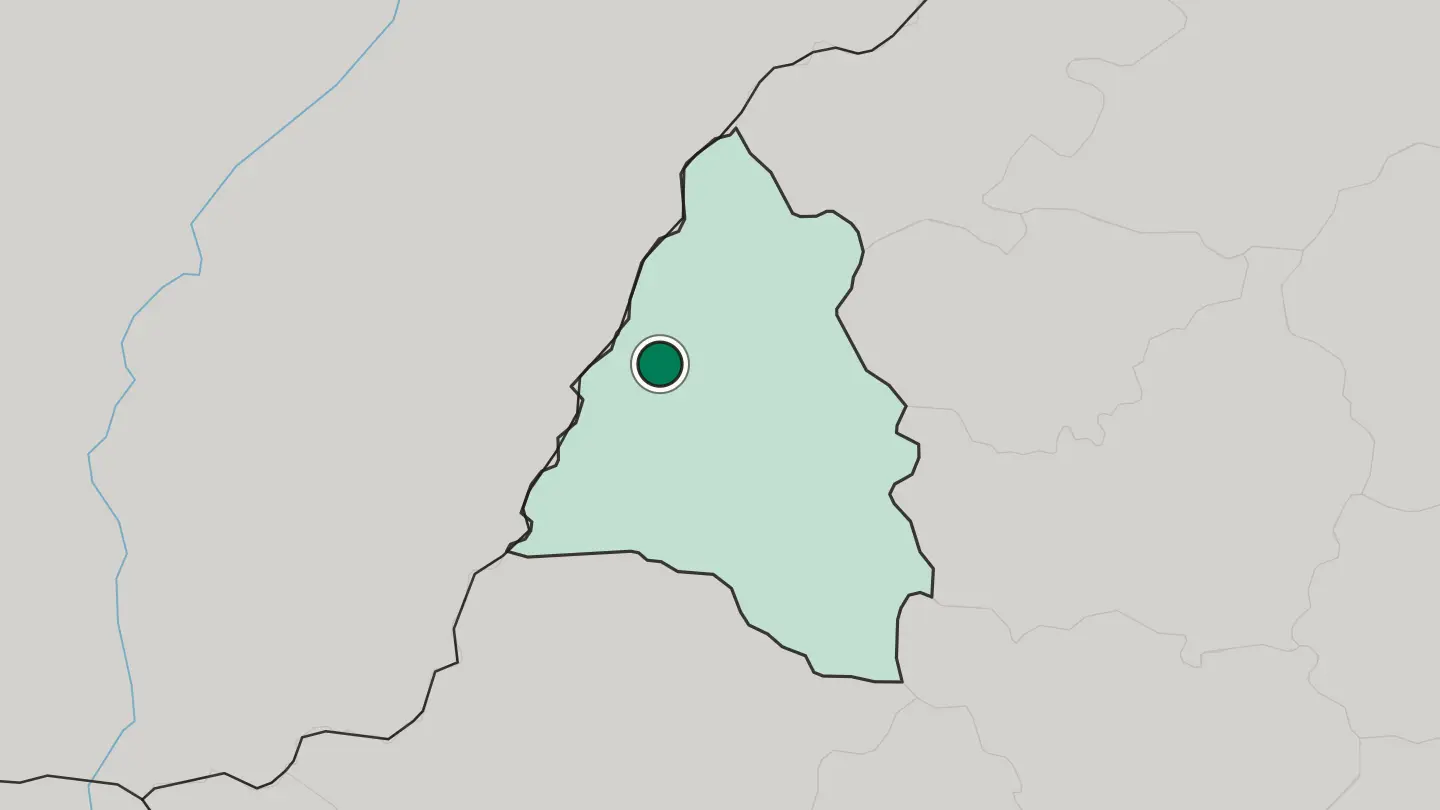
Hotel links are affiliate links: booking through them may earn us a commission, at no extra cost to you. It never affects how places are ranked. How this works
About Bihor
Bihor is thermal-water country.
What is Bihor known for?
Băile Felix, just outside Oradea, is the largest spa resort in Romania, and its warm springs were tapped for their healing effect as far back as Roman times. Oradea itself draws visitors for its restored Secession and Art Nouveau facades, painted across the old centre in pale pink, green and blue. Then there are the mountains.
Head east and the plain gives way to the Apuseni, where the Bears' Cave near Chișcău holds galleries hung with cave-bear bones. Water, stone and carved stucco.
Where is Bihor?
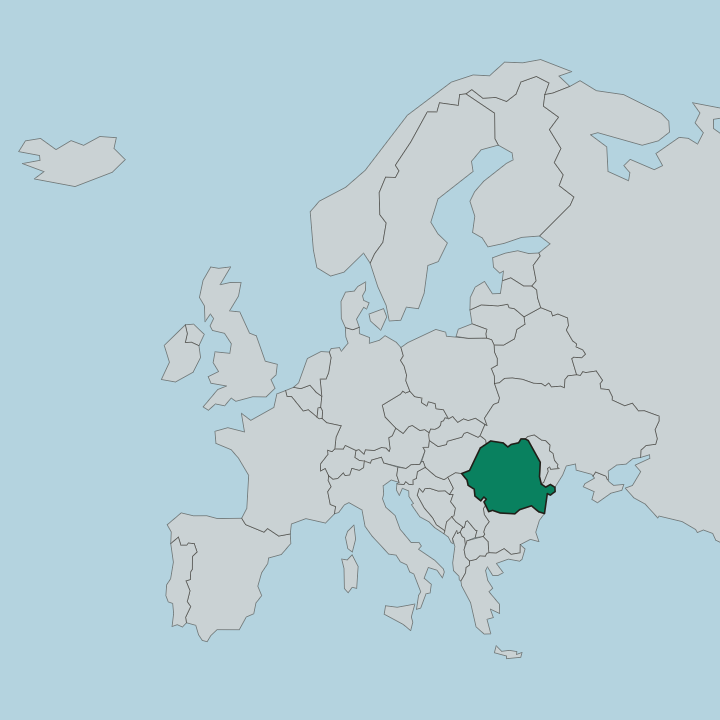
Bihor sits in western Romania, in the historical region of Crișana, right against the Hungarian border. The land tilts from east to west. Its eastern flank is the Apuseni Mountains, where Vârful Curcubăta Mare, the Bihor Peak, tops out at 1,849 metres and marks the highest ground of the whole range.
From there the country steps down through wooded hills and then flattens into the Romanian plain, the eastern lobe of the great Pannonian basin that spreads on into Hungary. Rivers do the shaping. The Crișul Repede cuts west through Oradea and on across the border, the Crișul Negru drains the southern hills, and the Barcău runs along the north.
All of them belong to the Criș basin that gives Crișana its name. Oradea, the county seat, stands out on the western plain, close to where the Crișul Repede leaves Romania for the Hungarian lowland. The mountains hold the east; the plain and its towns hold the west.
What is Bihor like?
Two languages share Bihor. Romanian is the majority tongue, but roughly a quarter of the county is ethnic Hungarian, and Oradea has long carried three names at once, Oradea in Romanian, Nagyvárad in Hungarian, Großwardein in German. That mix is written into the streets.
Oradea rebuilt itself after an 1836 fire in the Secession and Art Nouveau styles then fashionable across the Austro-Hungarian Empire, and the Black Eagle Palace, with its stained-glass arcade, is the showpiece of that reconstruction. The countryside keeps older crafts alive. Beiuș is known for its red-and-black pottery, and the villages of the Apuseni foothills hold to woodwork and weaving traditions of their own.
Faith adds another layer: Orthodox, Greek-Catholic, Roman Catholic and Reformed churches, along with the surviving synagogues of a once-large Jewish community, all stand within Oradea. It is a border county, and it wears the crossing of cultures plainly.
What is the history of Bihor?
Oradea grew up as a medieval fortress and bishopric on the Crișul Repede, a stronghold of the Kingdom of Hungary. For centuries the town and its county lay inside Hungary, and later inside the Austro-Hungarian Empire, which is why so much of Oradea speaks in Central-European stone. That changed after the First World War.
When Austria-Hungary collapsed, the region passed to the Kingdom of Romania, confirmed by the 1920 Treaty of Trianon, and Bihor took its modern shape as a Romanian county in 1925. The border it now sits against was drawn in that settlement.
What is the climate of Bihor?
The plain and the mountains split the weather. Bihor has a humid continental climate, softened on the western plain by mild oceanic air the prevailing westerlies carry in off the Pannonian basin toward Oradea. Summers there run warm.
Winters bring frost and snow. The Apuseni Mountains in the east are cooler through the year, wetter, and snow-covered for months on the higher ground toward the Bihor Peak. That is why the thermal springs, warm the year round, draw people even in a hard winter.
How do you get to Bihor?
Oradea has its own airport, a short way south-west of the city, though the flight network is thin. Many visitors instead cross overland. Because Bihor lies right on the frontier, driving or taking the train the short distance from the Hungarian plain is often the easiest way in, and Oradea sits on rail lines that run east into Transylvania and west across the border.
For the mountains and the Bears' Cave you need a car. Roads climb east into the Apuseni through Beiuș.
Common questions
What is the best area to stay in Bihor?
Oradea: Art Nouveau facades and city life. Băile Felix: thermal pools and wellness treatments. Beiuș: the Apuseni foothills and the Bears' Cave.
Good for
More regions in Romania
Updated September 2026