
Romania
Iaşi, Romania — Towns & Travel Guide
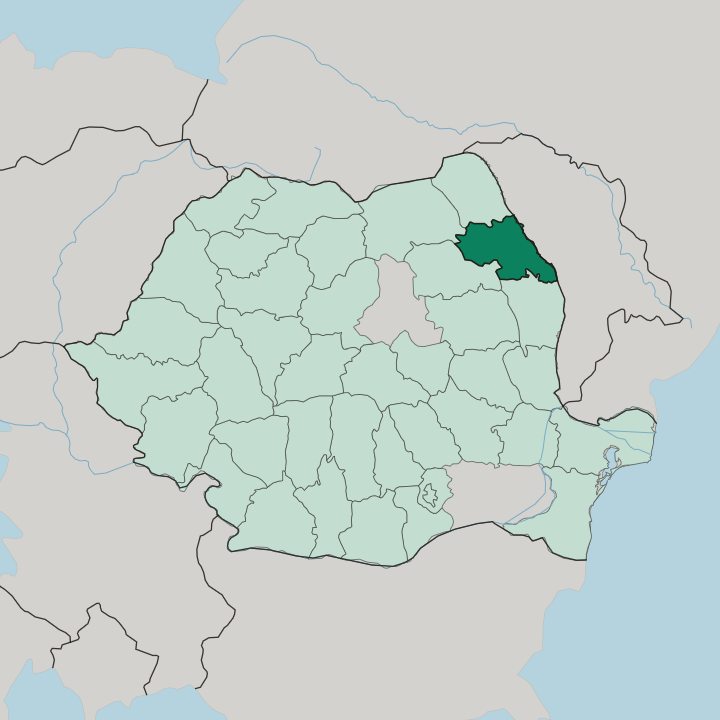
Iași is Romania's easternmost county, the historic capital of Moldavia, spread over hills between the Siret and the Prut.
Hotel links are affiliate links: booking through them may earn us a commission, at no extra cost to you. It never affects how places are ranked. How this works


Towns & cities in Iaşi
One town here has its own guide — it links to where to stay.

 Romania
Iaşi
Church spires rise over Iaşi, a city of the historical region of Moldavia in Iaşi County, known for the Palace of Culture and Trei Ierarhi Monastery.Where to stay →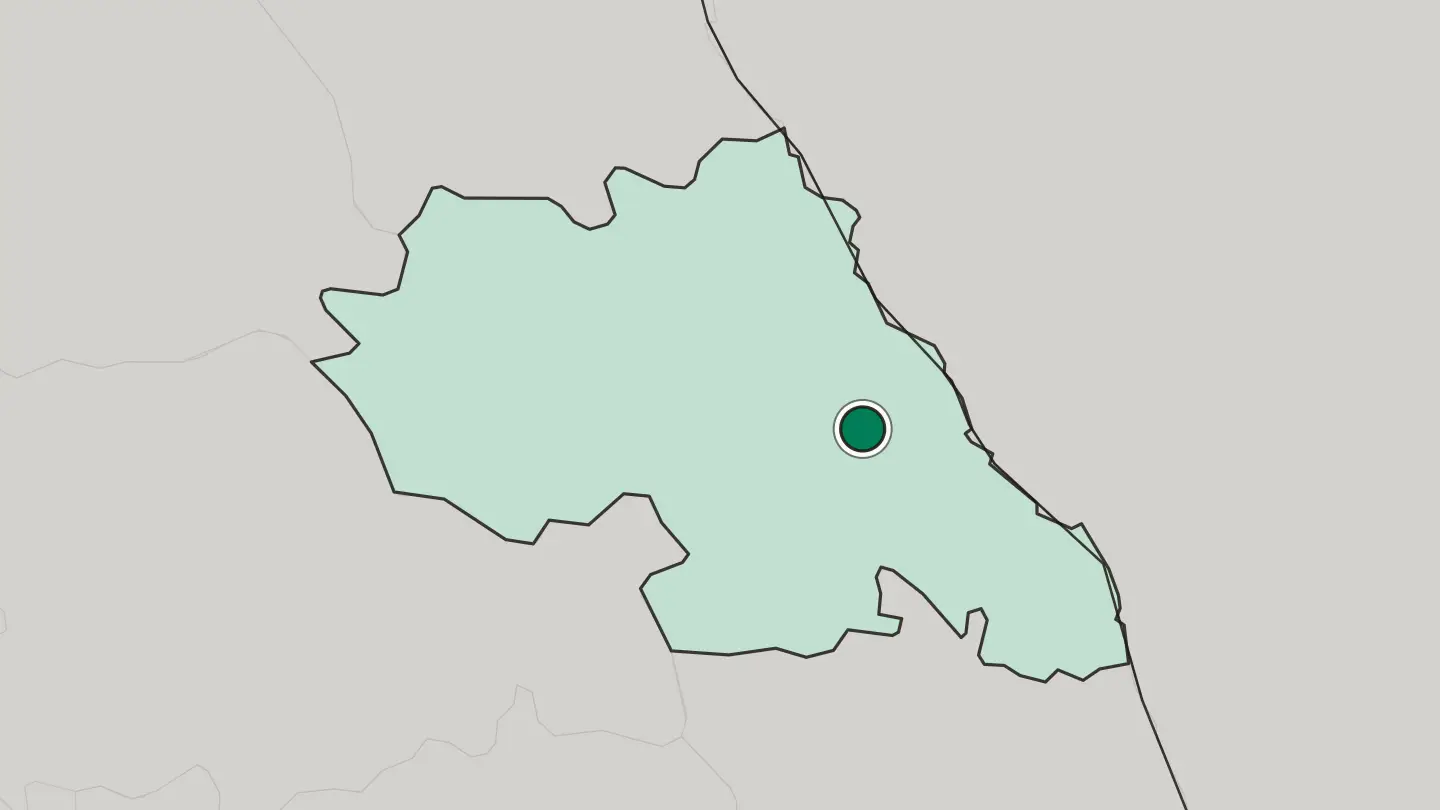
Hotel links are affiliate links: booking through them may earn us a commission, at no extra cost to you. It never affects how places are ranked. How this works
About Iaşi
What is Iaşi known for?
Iași is Romania's cultural capital. Its namesake city carries the weight. For nearly three centuries Iași was the seat of the Principality of Moldavia, and Alexandru Ioan Cuza University, opened in 1860 as the country's first modern university, still anchors the intellectual life that reputation rests on.
Pilgrims know the county too, arriving in their hundreds of thousands each autumn for the relics of Saint Parascheva. The neo-Gothic Palace of Culture stands over the old city as its landmark.
Where is Iaşi?
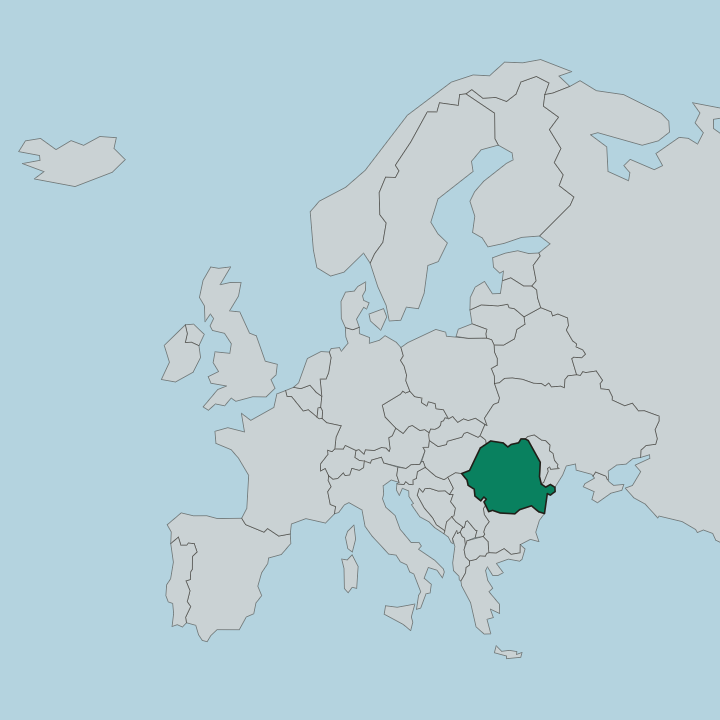
Iași County lies at the far eastern edge of Romania, in the historic region of Western Moldavia. The Prut marks its whole eastern border, and across that river lies the Republic of Moldova. This is the Moldavian Plateau: rounded hills, broad inter-river plateaus and floodable meadows rather than mountains, folded between two big rivers that never actually enter the county's heart.
The Siret runs down the western side, past Pașcani. The Prut runs down the east, dividing Romania from Moldova. Between them, two smaller rivers do the real work of shaping the land.
The Bahlui is the county's own river. It rises in the western hills, gathers the Jijia, and carries the city of Iași on its valley floor before both drain east into the Prut. Neamț County borders Iași to the west, Botoșani and Suceava to the north-west, and Vaslui to the south.
Slopes here are prone to landslides, and the meadows flood, so the towns keep to the higher, drier ground. It is a landscape of long low ridges and open farmland, not dramatic relief. The county seat sits near the middle of it all, on the Bahlui, thirteen kilometres short of the Moldovan frontier.
What is Iaşi like?
Iași thinks of itself as the mind of Romania, and it has the credentials for the claim. The great Moldavian chroniclers wrote here. Grigore Ureche, Miron Costin and Ion Neculce set down the story of their principality in and around the city, and the scholar-prince Dimitrie Cantemir carried its name across Europe.
That literary weight never left. Alexandru Ioan Cuza University opened its doors in 1860 as the first modern university in the country, and a student population still shapes the streets, the cafés and the second-hand bookshops of the county seat. Faith runs alongside learning.
Each October the relics of Saint Parascheva draw pilgrims from across the country and beyond to the Metropolitan Cathedral, in one of the largest Orthodox gatherings in the region. The churches themselves are the county's calling card. The Three Hierarchs Monastery, its stone façade carved edge to edge, and the Golia Monastery with its tall bell tower rank among Romania's finest early architecture.
Away from the city, the culture turns rural and Moldavian: wine from the hillside vineyards, village churches, and a broad plateau farmed much as it has been for generations. Romanian is the everyday language throughout.
What is the history of Iaşi?
Iași is bound up with the story of Moldavia itself. It became the seat of power early. Prince Alexandru Lăpușneanu moved the capital of the Principality of Moldavia here in the mid-16th century, and the city held that role from 1564 until the union with Wallachia in 1859 created modern Romania.
For a stretch of the First World War, when the south was occupied, Iași served briefly as the capital of the whole country. In 2018 it was formally named the Historical Capital of Romania.
What is the climate of Iaşi?
Iași has a humid continental climate with four sharp seasons. Winters bite. Cold, windy spells off the plateau can push temperatures below minus fifteen, and snow lies on the hills for weeks at a stretch.
Summers swing the other way, hot and sometimes topping thirty-five degrees over the open farmland between the Siret and the Prut. The shoulder seasons are kinder. Spring and autumn stay drier and mild, and October carries the pilgrimage crowds into the county seat.
How do you get to Iaşi?
Most travellers land at Iași International Airport, the busiest in Moldavia and the usual door into the county. Trains matter here as much as planes. The main line down the Siret valley links Pașcani and the county seat to Bucharest and westward, a legacy of the railway that made Pașcani a junction town.
Drivers reach the county on the roads up from Bucharest or in from the Moldovan border, a short hop east across the Prut. Once you arrive, the city itself is compact and walkable.
Common questions
What is the best area to stay in Iaşi?
Central Iași: a first visit to Iași County. Copou: leafy streets by the university. Pașcani: a stop on the Siret rail line.
Good for
More regions in Romania
Updated September 2026