Romania
Constanța, Romania — Towns & Travel Guide
Constanța County holds Romania's Black Sea coast, from the Danube in the west to the resort beaches around its ancient port capital.
Hotel links are affiliate links: booking through them may earn us a commission, at no extra cost to you. It never affects how places are ranked. How this works


Towns & cities in Constanța
One town here has its own guide — it links to where to stay.

 Romania
Constanţa
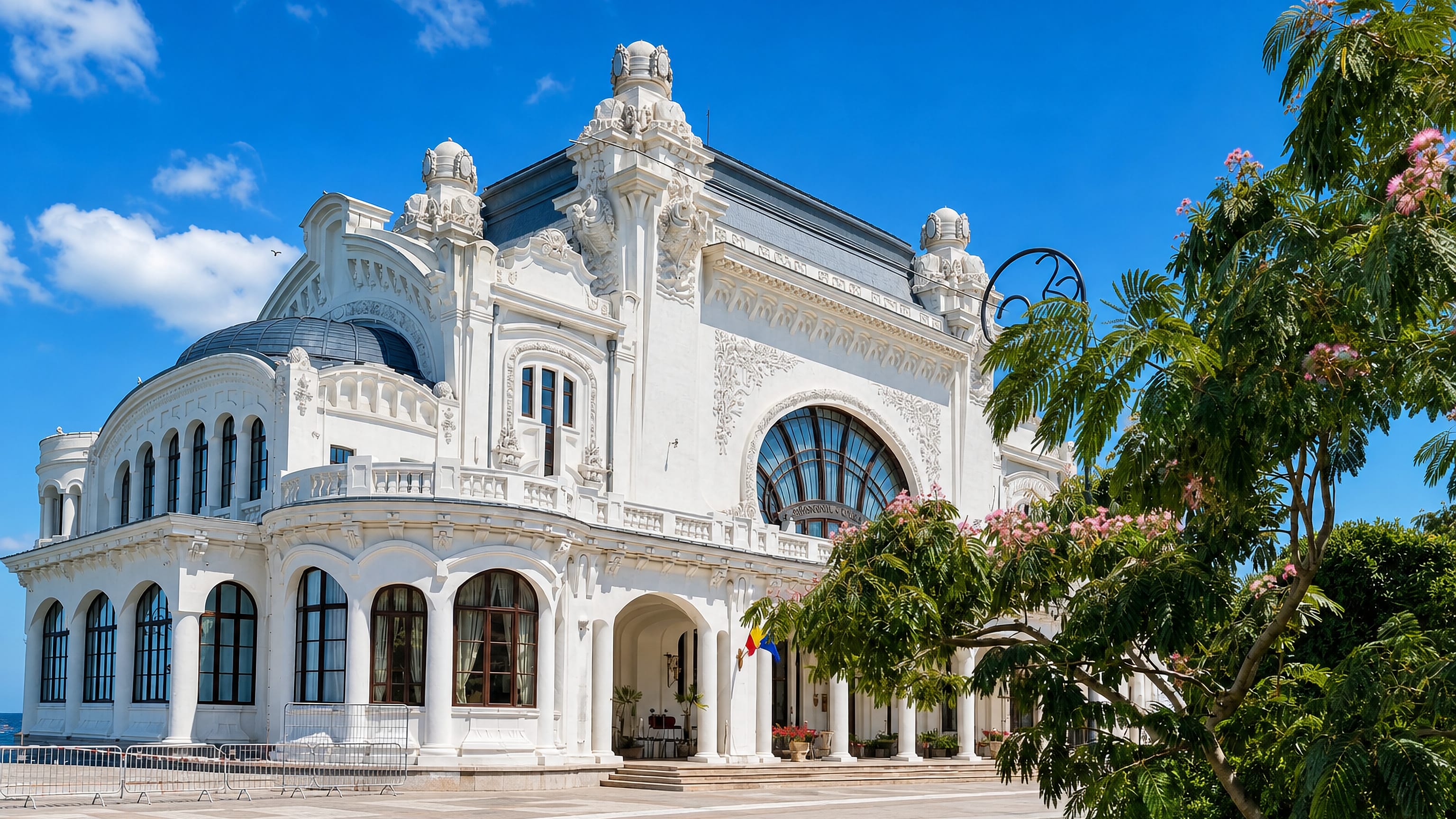
Constanţa is Romania's principal Black Sea port, the capital of Constanța County, and the city that grew over ancient Tomis.Where to stay →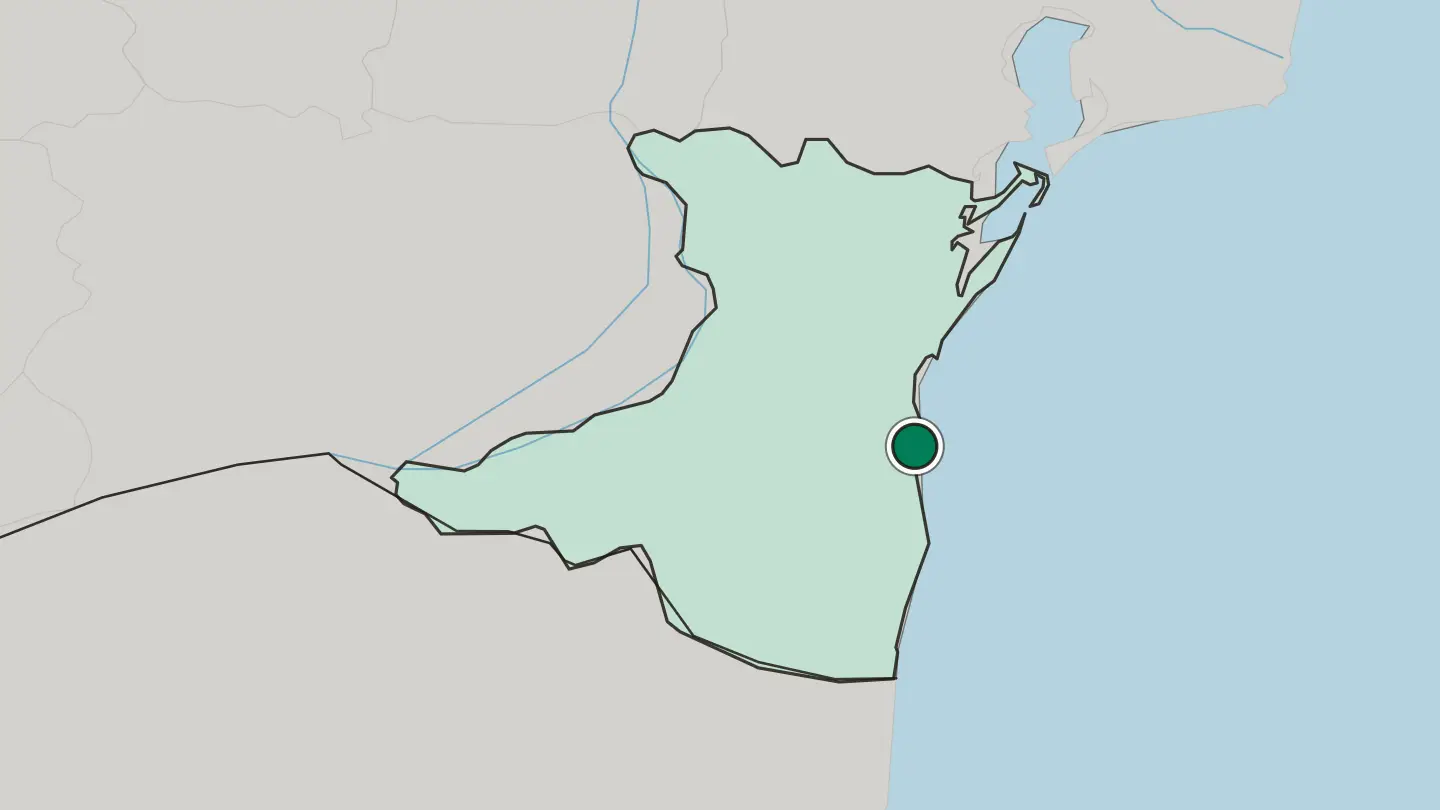
Hotel links are affiliate links: booking through them may earn us a commission, at no extra cost to you. It never affects how places are ranked. How this works
About Constanța
What is Constanța known for?
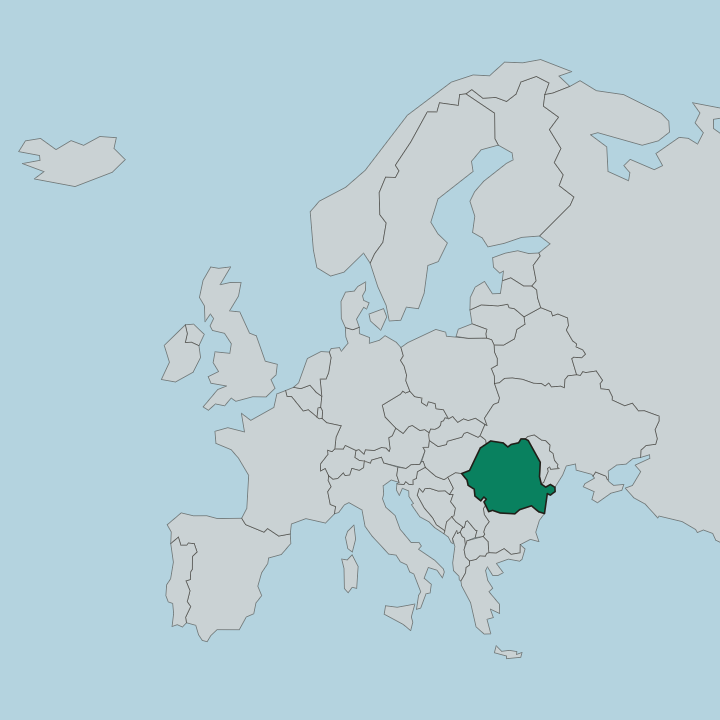
This is Romania's stretch of the Black Sea. The county fills the eastern half of Northern Dobruja, between the Danube on the west and the sea on the east, with Bulgaria along its southern edge. Its capital, the city of Constanța, grew from the Greek colony of Tomis and runs the largest port on the Black Sea.
Summer is the draw. A line of resorts north and south of the city, from Mamaia's sandbar down to the spa town of Mangalia, forms the coast that Romanians call their Riviera.
Where is Constanța?
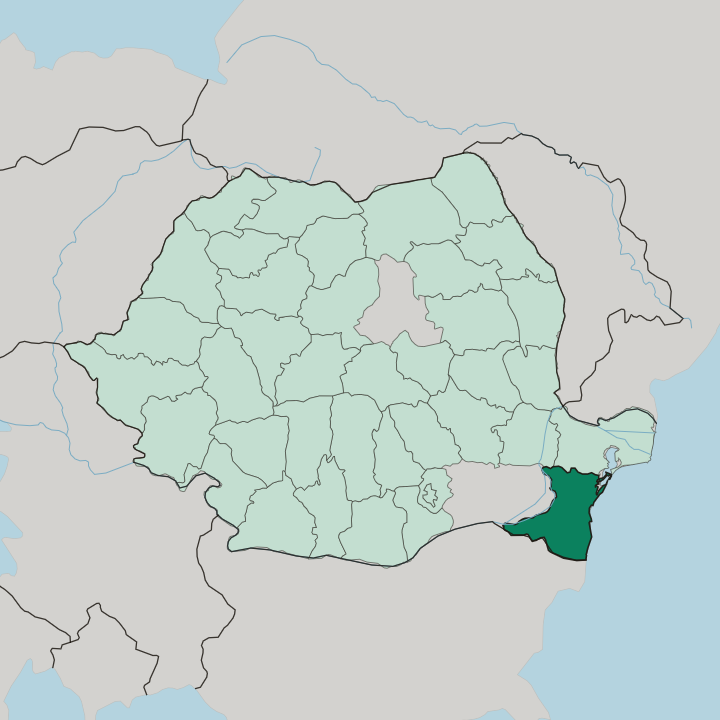
Constanța County occupies the eastern half of Northern Dobruja, the wedge of land in south-eastern Romania caught between two great waters. The Danube bends around it to the west and north, and the Black Sea forms the whole of its eastern edge. Bulgaria lies to the south, across a land border that runs inland from the coast. Tulcea County sits to the north.
Inland the ground is a low plateau of steppe and rolling farmland, part of the wider Dobruja Plateau, rarely rising far above the plains. The coast is the county's front. It curves for well over a hundred kilometres, backed in places by cliffs and elsewhere by sandbars and shallow lagoons.
Water defines the interior as much as the coast. The Danube-Black Sea Canal cuts clean across the county from Cernavodă on the river to the sea near Constanța, sparing ships the long loop north through the Danube Delta. Lakes and lagoons pool behind the shore.
Lake Siutghiol backs the Mamaia sandbar, and salty Lake Techirghiol, further south, supplies the black mud that made the spa resorts. Away from the water it is open country. Fields of grain and sunflowers run to the horizon across one of the flattest, driest corners of Romania.
What is Constanța like?
The coast carries layer on layer of the people who held it. Greeks from Miletus founded the port as Tomis, Romans made it a frontier town, and Ovid was exiled here to write his letters of complaint about the cold. Byzantines renamed it for a sister of Constantine the Great.
For centuries after 1419 it was Ottoman Küstence, and that long Turkish spell still shows. Mangalia keeps the Esmahan Sultan Mosque, the oldest in Romania, and the county remains home to Tatar and Turkish communities alongside Romanians. Dobruja has always been a border of peoples rather than a single one.
The everyday culture is a seaside one. Life bends to the summer. The city keeps a serious side out of season, with an archaeology museum built around a vast Roman mosaic floor and the fragments of Tomis under the streets, but from June the crowds move to the beach.
Grilled fish and the local plum brandy stand in for the heavy mountain cooking of the interior. Music spills from the Mamaia clubs at night. It is Romania at its most Mediterranean in habit, turned outward to the water rather than inward to the Carpathians.
What is the history of Constanța?
The county's story begins with the sea traders. Greek colonists founded Tomis and Callatis on this coast around 600 BC, part of a chain of ports along the western Black Sea. Rome took Dobruja in 29 BC and ran it as a Danube frontier for centuries; Ovid died here in exile.
Then came Byzantium. The name Constanța dates from that period, after a sister of Constantine the Great. The Ottomans held the coast from 1419 until the wider region passed to Romania in 1878, after which the modern port and the rail links to the interior turned an old harbour into the country's window on the sea.
What is the climate of Constanța?
The Black Sea softens the seasons here. Summers are warm, dry and long, with July and August settling into steady sun once the early-summer showers pass, which is what fills the Mamaia beaches. Winters run milder than the Romanian interior, since the sea holds its warmth and pushes the first frost later than inland Dobruja sees it.
Rain is scarce across the year. This is one of the driest corners of the country, and the county's grain fields depend more on the coastal breeze and the lagoons than on any generous sky.
How do you get to Constanța?
Most travellers come from Bucharest. The A2 motorway runs east from the capital across the Danube to Constanța in a couple of hours, the fastest way onto the coast. Trains follow the same corridor to the city and on to the resort towns in summer.
Mihail Kogălniceanu International Airport lies just north of the city and takes some seasonal and charter flights, though many arrivals still fly into Bucharest first. Ships reach the great port on the Black Sea, and cruise calls put passengers ashore in the old town itself.
Common questions
What is the best area to stay in Constanța?
Constanța city: the port capital and its museums. Mamaia: a beach-first summer stay. Mangalia: spa waters and ancient ruins.
Good for
More regions in Romania
Updated September 2026