
Romania
Suceava, Romania — Towns & Travel Guide
Suceava is a county in north-eastern Romania, the heart of southern Bukovina and its painted monasteries.
Hotel links are affiliate links: booking through them may earn us a commission, at no extra cost to you. It never affects how places are ranked. How this works


Towns & cities in Suceava
One town here has its own guide — it links to where to stay.

 Romania
Suceava
Suceava, the county seat of Southern Bukovina, keeps a medieval fortress, the Zamca monastery and the open-air Bukovinian Village Museum.Where to stay →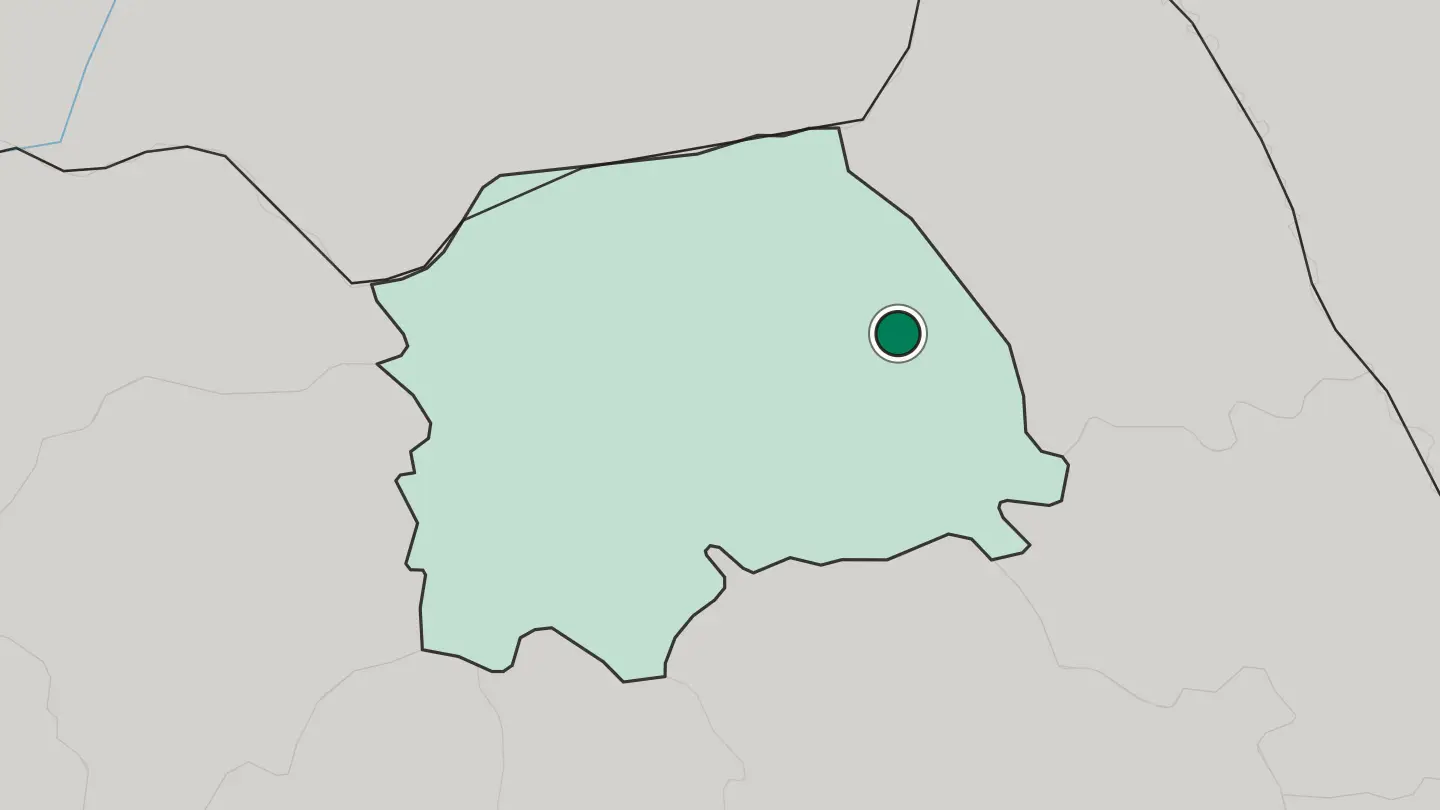
Hotel links are affiliate links: booking through them may earn us a commission, at no extra cost to you. It never affects how places are ranked. How this works
About Suceava
Painted monasteries.
What is Suceava known for?
Voroneț, built by Stephen the Great in 1488, wears its Last Judgement across an outer wall in a blue so particular that Romanians simply call it Voroneț blue. The county holds most of southern Bukovina, the Romanian half of a beech-forest region split with Ukraine, and the frescoed churches here are collectively a UNESCO World Heritage site. Suceava, the county seat, was once the throne-city of Moldavia.
Beyond the monasteries lie the Eastern Carpathians, worked for timber and threaded with mountain resorts.
Where is Suceava?
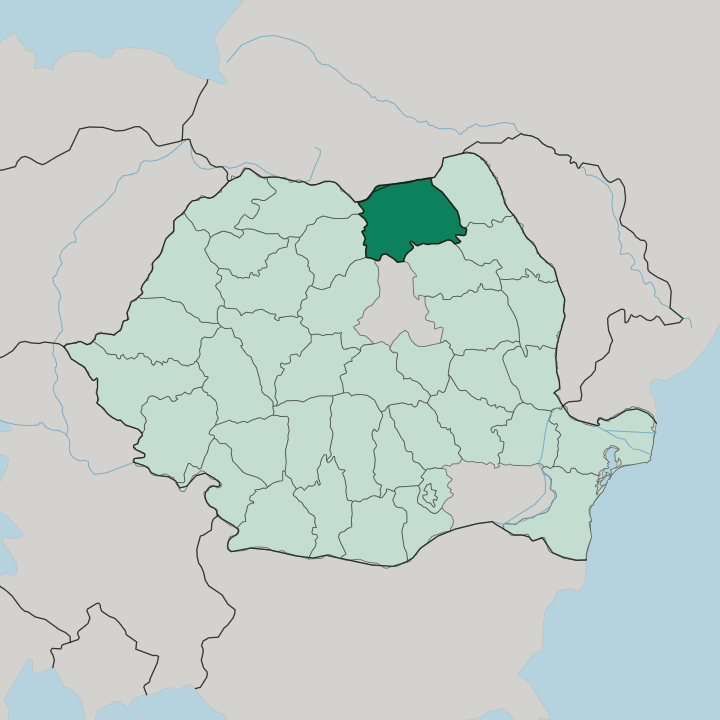
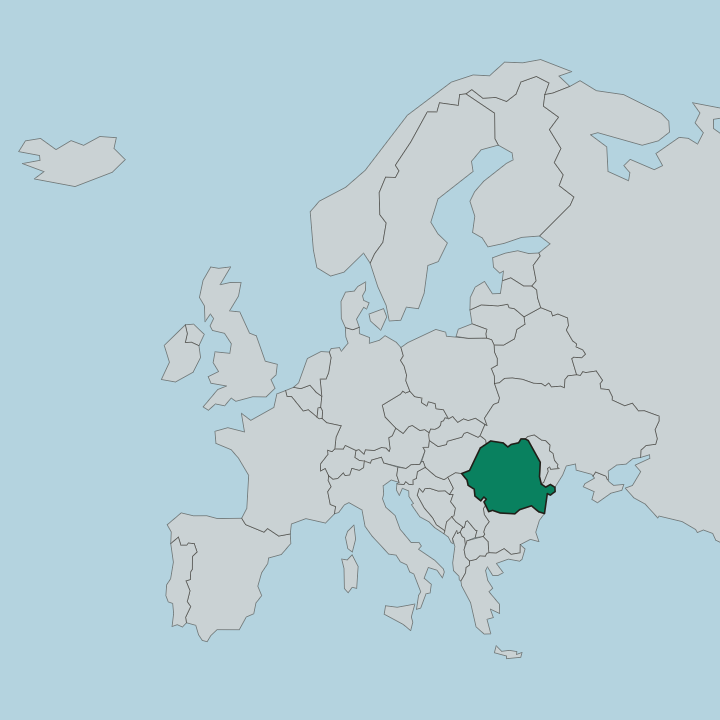
Suceava fills the north-eastern corner of Romania, with Ukraine along its whole northern edge. It is a large county. Only one other in Romania covers more ground, and its 8,553 square kilometres tilt from high mountains in the west down to open plateau in the east.
The Eastern Carpathians take up the western two-thirds, a run of forested ranges that includes the Rodna, Rarău and Giumalău massifs and the beech-covered ridges of Bukovina. Eastward the land eases into the Suceava Plateau, gentler and more settled. Water sorts the county too.
The Siret gathers almost everything, and its tributaries the Suceava, the Moldova and the Bistrița all run south-eastward off the mountains toward it. The old capital sits in the east near the Siret, close to the plateau country rather than the peaks. That split between mountain and plateau shapes almost everything here, from where the towns grew to which slopes carry beech forest and which carry pasture.
What is Suceava like?
The painted churches set the tone. Bukovina's monasteries carry entire cycles of biblical scenes across their outer walls, and Voroneț's blue and Sucevița's green have kept their colour for five centuries in the open Carpathian weather. Faith runs close to daily life here.
Monastic communities still keep the sites, and the old Orthodox calendar shapes the year's rhythm of feasts and fairs across the villages of southern Bukovina. Outside the church walls the culture is upland and rural. Shepherding, woodcraft and beekeeping persist in the Carpathian valleys, and hand-painted eggs, black pottery and woven textiles remain living crafts rather than museum pieces.
Romanian is the everyday language, spoken by nearly the whole county. History left its mark on the towns as well. Rădăuți, Câmpulung Moldovenesc and Fălticeni each carry the layered heritage of a region that has passed between Moldavia, the Habsburgs and Romania, and the mix shows in their churches, market squares and food.
What is the history of Suceava?
Suceava the city was the capital of the Principality of Moldavia from 1388 to 1564, and the county grew up around that throne. Stephen the Great ruled from here and died in the city in 1504, and his Seat Fortress turned back an Ottoman siege under Mehmed II in 1476. Then the throne moved on.
Two centuries later the Habsburgs took the northern lands as Bukovina in 1775, and the county spent a long spell under Austrian rule before returning to Romania. Layer on layer, that past still stands in the fortresses and painted monasteries.
What is the climate of Suceava?
The county has a temperate continental climate, sharpened by its inland, upland setting. Winters are cold and long. Snow lingers on the Eastern Carpathian slopes around Vatra Dornei well into spring, while the lower Suceava Plateau in the east thaws sooner and warms faster in summer.
Springs come short and autumns run on, and the mountains stay several degrees cooler than the plateau through the whole year. Pack for real winter if the monasteries are a cold-season plan.
How do you get to Suceava?
Suceava International Airport at Salcea, just outside the county seat, is the quickest way in and links the region to several European cities. Trains reach much further. The city sits on Romania's national rail network, with services from Bucharest and westward through the Carpathians, and branch lines run out toward the monastery valleys.
By road the county connects south into the rest of Moldavia and north across the Siret to the Ukrainian border. From Suceava itself, local roads fan out to Gura Humorului, Vatra Dornei and the painted churches.
Common questions
What is the best area to stay in Suceava?
Suceava city: arrival and the throne-city fortress. Gura Humorului: touring the painted monasteries. Vatra Dornei: Carpathian mountains and mineral spas.
Good for
More regions in Romania
Updated September 2026