Sweden · Dalarna County
Where to Stay in Sälen, Dalarna County
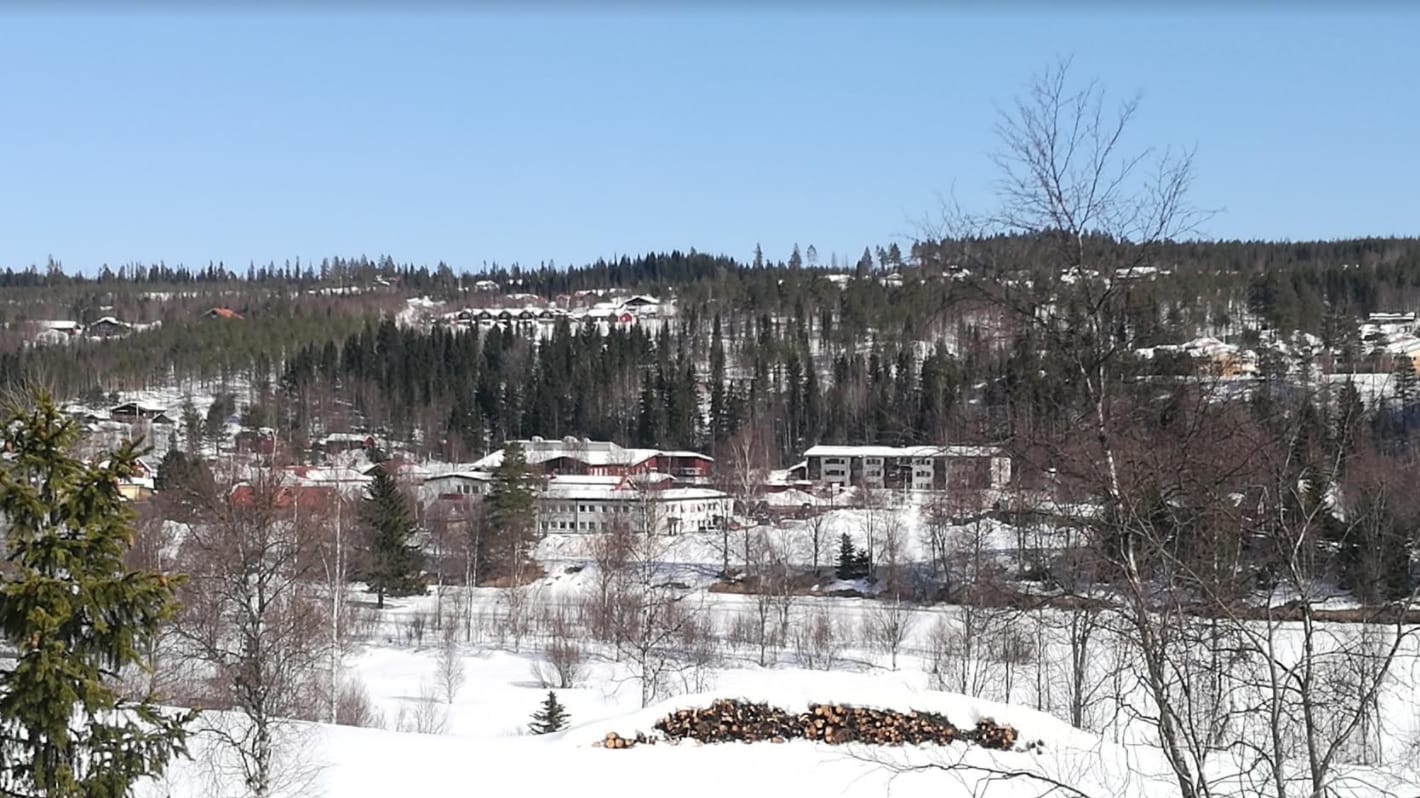
Bare fell tops ring the river valley at Sälen, a village in Dalarna County known for the Vasaloppet start and the ski slopes of Sälenfjällen.
Hotel links are affiliate links: booking through them may earn us a commission, at no extra cost to you. It never affects how places are ranked. How this works


Where to stay in Sälen
Where visitors usually base themselves, and why.
Sälen the village and Sälen the ski resort are not quite the same place, since the slopes lie up on the fells while the old village keeps to the Västerdalälven valley below. Most visitors sleep on the mountain. Lindvallen holds the largest spread of cabins and apartments, with ski-in lodging and the gentlest runs, and it suits you best if you are travelling with children who want the lifts at the door.
Högfjället sits higher on the bare fell around its grand old mountain hotel, quieter at night and close to the cross-country tracks. Tandådalen and Hundfjället, farther west toward the Norwegian border, gather serious skiers around steeper slopes and snow parks. Quieter beds wait by the river.
The village itself offers guesthouses and cabins along the Västerdalälven, a calmer base with food shops, and the Vasaloppet start at Berga lies close by. Book a season ahead for February and March, when Swedish school holidays fill every fell at once.
Find hotels in Sälen
Direct booking searches for these neighbourhoods.
Lindvallen
the gentlest runs on Sälenfjällen with cabins right at the liftsFind hotels in Lindvallencross-country skiersHögfjället
high bare fell around the old mountain hotel, near the track networkFind hotels in Högfjälletconfident skiersTandådalen and Hundfjället
steeper western slopes and snow parks toward the Norwegian borderFind hotels in Tandådalen and HundfjälletVasaloppet visitorsSälen village
riverside guesthouses near the race start at Berga. Rooms are few around here — worth securing early.Find hotels in Sälen villageHotel links are affiliate links: booking through them may earn us a commission, at no extra cost to you. It never affects how places are ranked. How this works
About Sälen
What is Sälen known for?
Sälen is known as the starting point of the Vasaloppet, the long cross-country ski race to Mora run since 1922 in memory of Gustav Vasa's winter flight. The start portal stands at Berga. The fells of Sälenfjällen carry the linked ski slopes of Lindvallen, Högfjället, Tandådalen, and Hundfjället, which together form one of the largest alpine ski areas in the Nordic countries.
Summer brings hikers onto the same bare tops above the Västerdalälven valley.
What are the main landmarks in Sälen?
Sälen's defining landmark is a simple timber portal, the Vasaloppet start at Berga, where racers set off toward Mora each March as they have since 1922. Högfjällshotellet crowns the fell above. The hotel has stood on Högfjället since the nineteen thirties, a mountain block of the early ski years, and the parish church of Transtrand serves the valley downriver.
Between them run the lifts and slopes of Lindvallen. The bare top of Hundfjället looks west into Norway.
What is the history of Sälen?
Sälen enters written history through a winter escape. In the winter of 1521 the rebel nobleman Gustav Vasa, fleeing Danish forces on skis, was overtaken at Sälen by messengers from Mora who begged him to turn back and lead the rising that made him king of Sweden. Farms held the valley for centuries after.
Families in Transtrand parish worked the river meadows of the Västerdalälven and drove cattle to summer pastures high on the fells. The Vasaloppet race, first run in 1922, retraced the old escape in reverse and fixed the village's name in Swedish life. Skiing did the rest.
Lifts climbed Sälenfjällen from the middle of the twentieth century, cabin villages spread across Lindvallen and Tandådalen, and a winter economy grew over the old farmland. An airport on the fells opened in 2019 to bring skiers straight to the snow.
Where is Sälen?
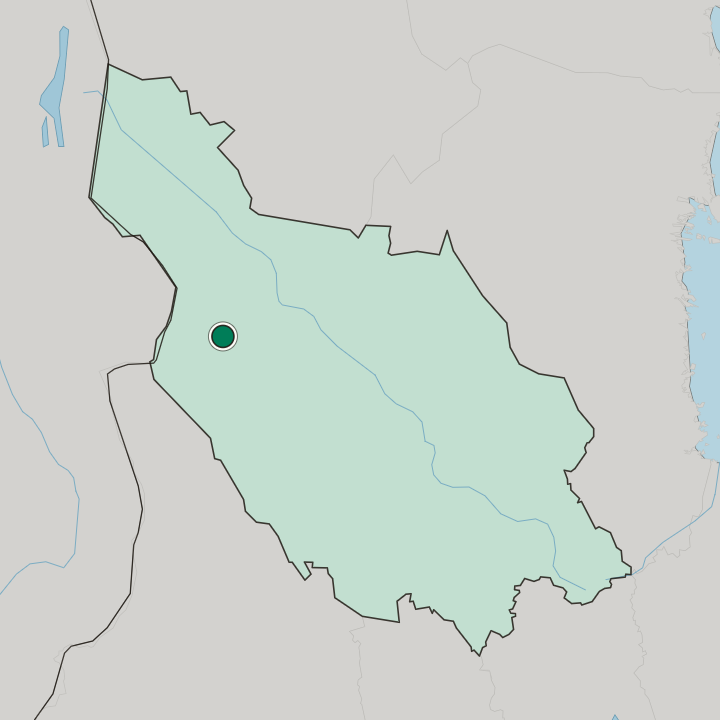
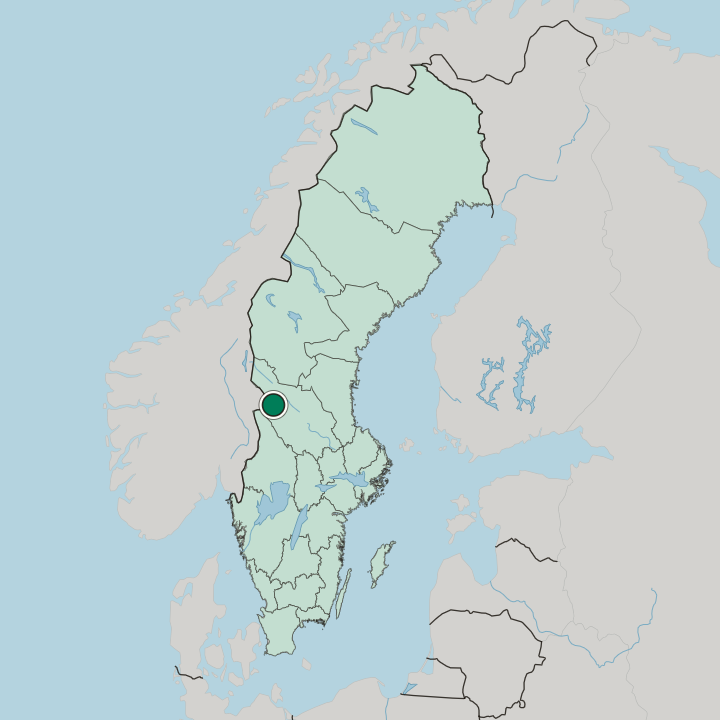
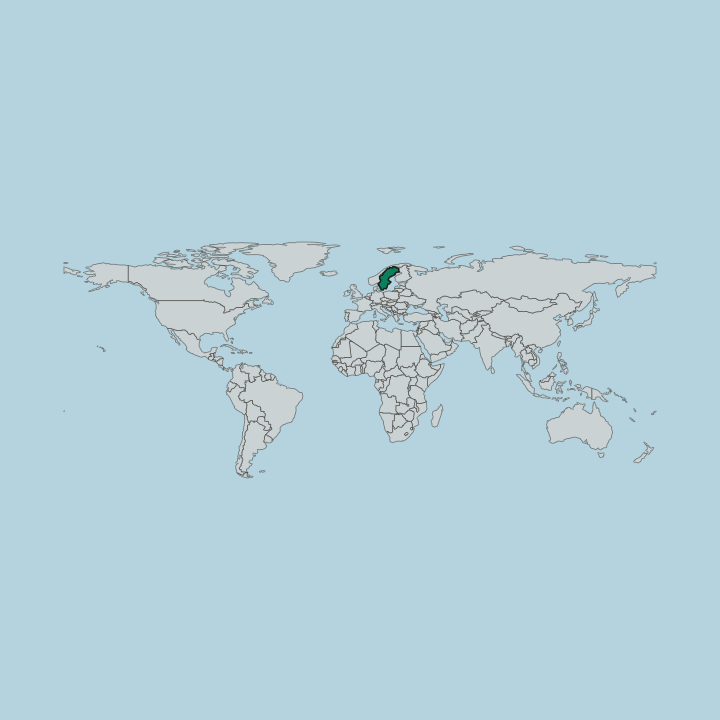
Sälen lies in northwestern Dalarna County, where the Västerdalälven river runs out of the fells near the Norwegian border. The village keeps to the valley. West and north rise the rounded tops of Sälenfjällen, the southernmost true fell country in Sweden, bare above the treeline and laced with ski runs.
Forest closes in downriver toward Malung, while Norway lies a short drive west over the fells.
What is the climate of Sälen?
Snow defines Sälen's year. The fells catch deep falls from late autumn and hold them well into April on the upper runs, so the long Swedish winter is the village's working season. Cold snaps run sharp this far inland.
Between seasons the weather swings fast, with bright dry fell days giving way to fog on the tops within an hour. Summer comes late and mild, opening the high paths above the Västerdalälven to walkers and cyclists.
How do you get to Sälen?
Most winter visitors drive to Sälen. Roads run north from Malung along the Västerdalälven, climbing from the village to the fell resorts, and transfer buses meet trains at Mora and Borlänge farther down the line. Scandinavian Mountains Airport sits on the fells west of the village.
The runway opened in 2019 between Sälen and Trysil, putting arriving skiers minutes from the slopes of Lindvallen and Tandådalen. There is no railway in the valley itself.
Common questions
What is the best area to stay in Sälen?
Lindvallen: children learning to ski. Högfjället: cross-country skiers. Tandådalen and Hundfjället: confident skiers. Sälen village: Vasaloppet visitors.
Good for
More cities in Dalarna County
Updated September 2026