Thailand
Changwat Yasothon, Thailand — Towns & Travel Guide
Yasothon is a small province in northeastern Thailand, on the Chi River, best known for the Bun Bang Fai rocket festival held each May.
Hotel links are affiliate links: booking through them may earn us a commission, at no extra cost to you. It never affects how places are ranked. How this works


Towns & cities in Changwat Yasothon
One town here has its own guide — it links to where to stay.
 Thailand
Yasothon
Yasothon is a town on the Chi River in the north-east of Thailand, capital and administrative centre of Changwat Yasothon in Isaan.Where to stay →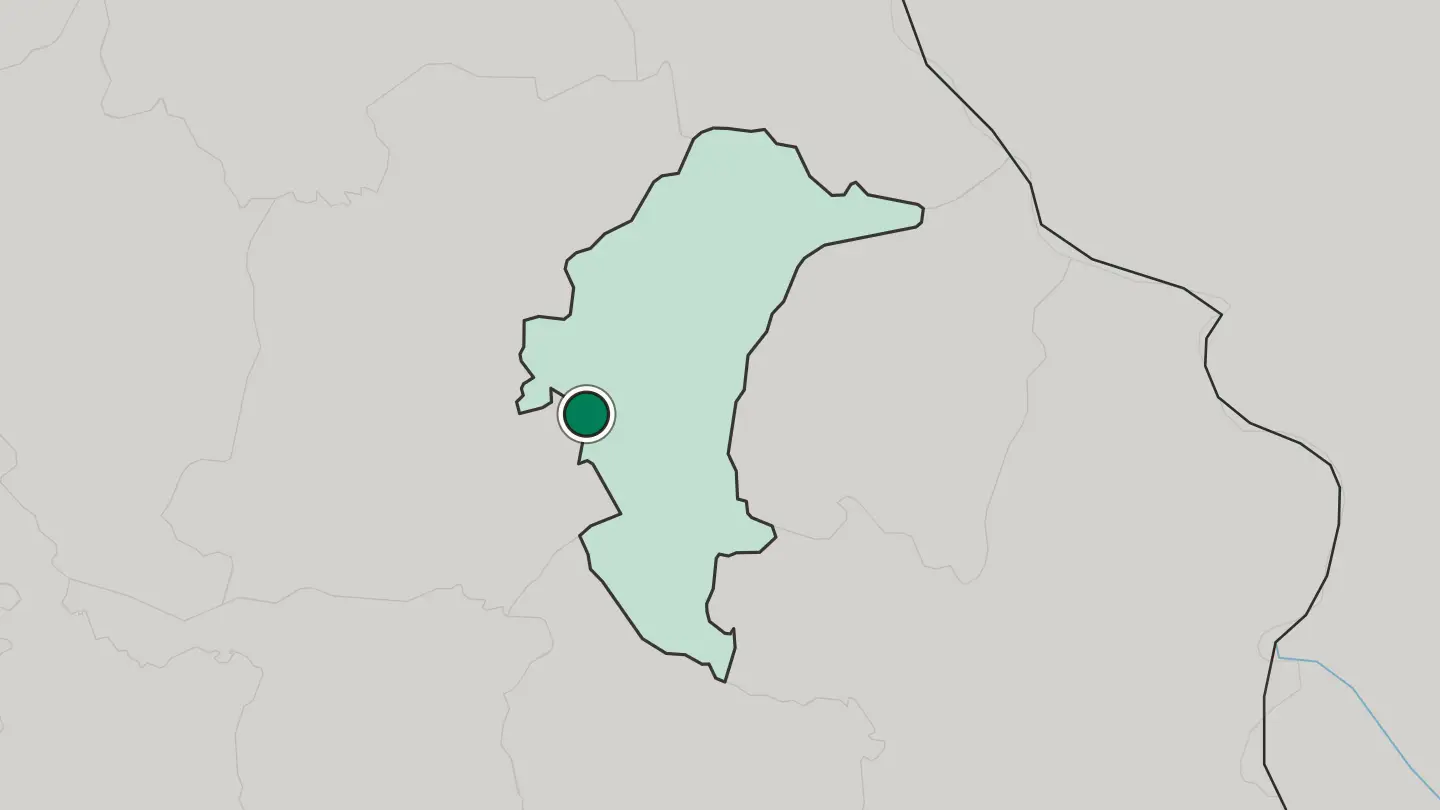
Hotel links are affiliate links: booking through them may earn us a commission, at no extra cost to you. It never affects how places are ranked. How this works
About Changwat Yasothon
What is Changwat Yasothon known for?
The Bun Bang Fai rocket festival is what puts Yasothon on the map. Each May, villagers pack homemade black-powder rockets and fire them skyward from Phaya Thaen Park to prod the rain god Phaya Thaen into breaking the dry season before the rice goes in. Decorated floats and dancing fill the streets of Yasothon town for the weekend.
The province is also known for its fragrant hom mali jasmine rice, much of it grown organically around Kut Chum. Away from the festival, few outsiders come.
Where is Changwat Yasothon?
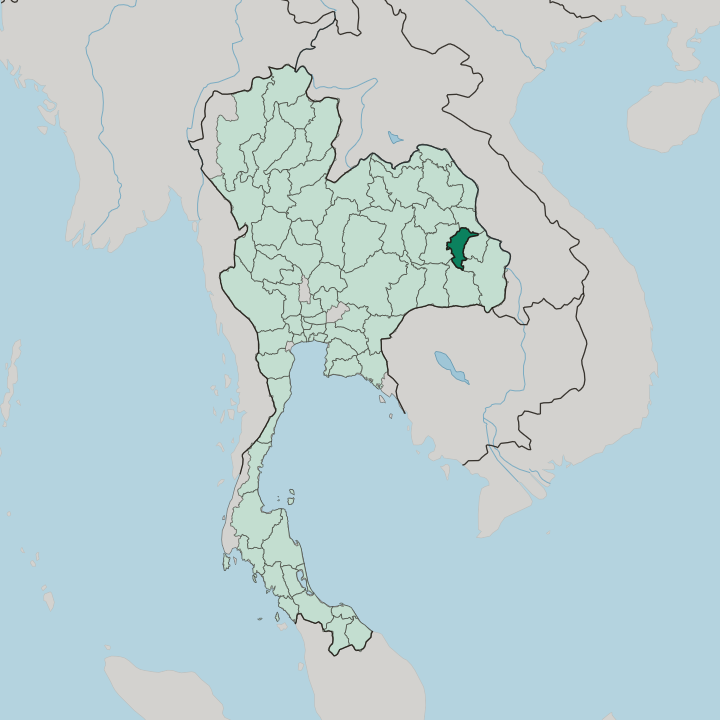
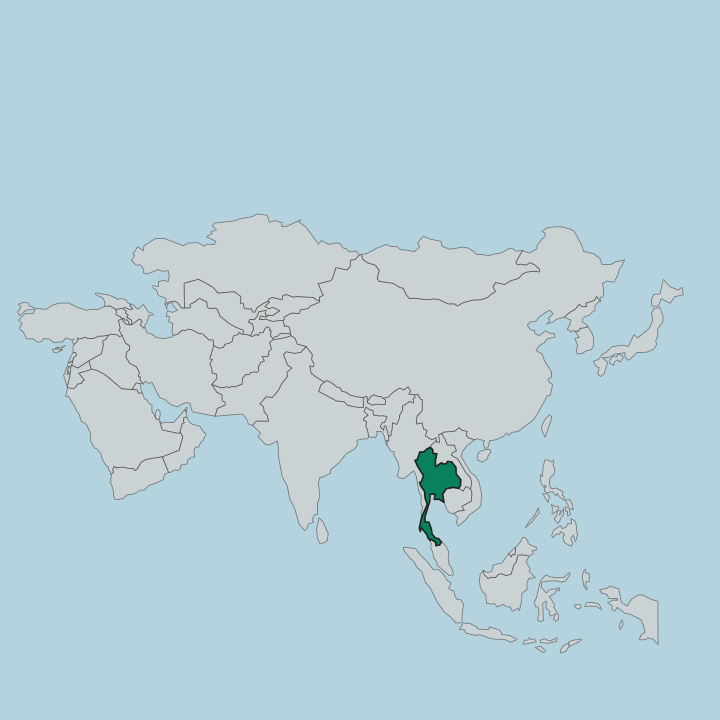
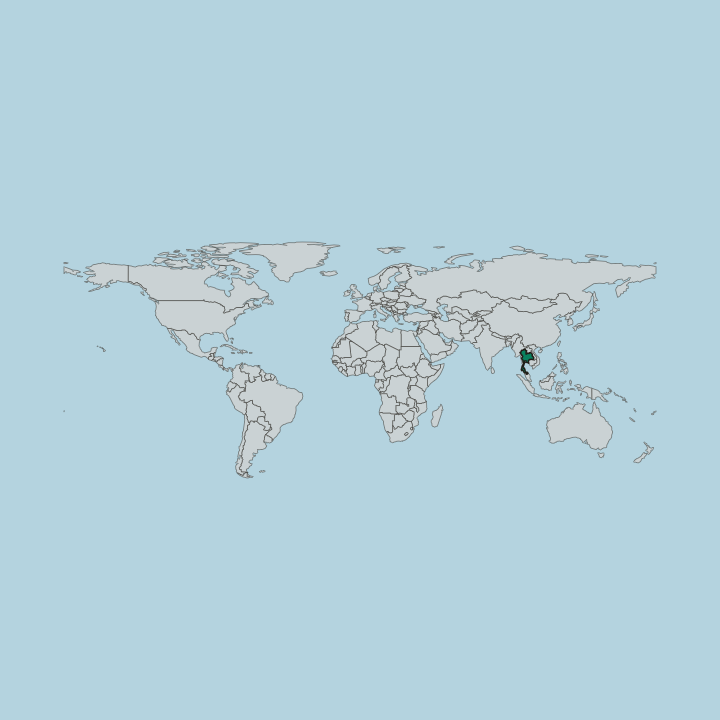
Yasothon lies in the Isan region of northeastern Thailand, on the broad Khorat Plateau that fills the country's north-east. It is one of the smaller provinces of the lower north-east. The land tilts gently toward the Chi River, which crosses the province from west to east on its way to join the Mun River and, beyond that, the Mekong.
Five provinces ring it. Mukdahan and Amnat Charoen lie to the north and east, Ubon Ratchathani and Si Sa Ket to the south-east and south, and Roi Et closes the western side. There are no mountains here. The north is a low country of plains and scattered hills, while the south flattens into the river bottomland of the Chi, a mosaic of paddy fields, ponds, and seasonal swamps that flood when the monsoon rains come.
Rice grows almost everywhere the ground will hold water. The Chi is the longest river running entirely within Thailand, rising far to the west in the Phetchabun Mountains and gathering the runoff of the plateau as it goes. Yasothon town sits on its bank, near the middle of the province.
Flat, green, and given over to farming, this is quiet inland country far from any coast.
What is Changwat Yasothon like?
Life here runs to the rhythm of the rice year, and the calendar's loudest moment is the rocket festival. Before the planting rains, villages build enormous bamboo-and-pipe rockets, parade them on decorated floats, and fire them from Phaya Thaen Park to petition the sky god for water. The custom is old and shared across the Lao-speaking Isan country, but Yasothon's version is the one people travel to see.
Makers whose rockets fizzle get thrown in the mud. It is bawdy, competitive, and deeply agricultural. Most people here speak Isan, a Lao dialect, and the cooking follows suit: sticky rice eaten by hand, grilled chicken, and the fierce green-papaya salad som tam.
A founding legend tells of a lion walking out of the forest, and two such lions still flank the stupa on the provincial seal. That stupa, the Phra That Anon, stands in Wat Maha That in the heart of Yasothon town. Out in the paddies at Tat Thong, the old brick chedi of Phra That Kong Khao Noi keeps its own legend of a son, his mother, and a lunch of rice.
Faith and farming sit close together.
What is the history of Changwat Yasothon?
Yasothon is a young province with an old core. The town on the Chi River began as Ban Singha Tha, its name tied to a legend of a lion walking out of the forest, and it grew rich as a river port trading up and down the plateau. Then came the twentieth century.
For most of it the district answered to sprawling Ubon Ratchathani, away to the south, until a government decree in 1972 carved the northern districts off and made Yasothon a province in its own right. The old shophouses by the water still mark where the trade began.
What is the climate of Changwat Yasothon?
Yasothon has a tropical savanna climate. The hot season runs from March into May, when the plateau bakes and the villages fire their rockets to beg the sky for rain. Then the southwest monsoon breaks.
From about June to October the rains come hard, the paddies flood, and the Chi River runs high across the lowlands of the south. A cooler, drier spell settles in from November into February, the easy months for travel. Rain, not cold, sets the year's rhythm.
How do you get to Changwat Yasothon?
Yasothon has no airport. Most travellers fly into Roi Et or Ubon Ratchathani, the two closest airports, then finish the trip by road across the plateau. Long-haul buses grind up overnight from Bangkok's Mo Chit terminal, most of a day away, climbing onto the plateau by Highway 23 through Roi Et.
No train reaches the province. The nearest railway ends at Ubon Ratchathani, down toward the confluence of the Chi and the Mun. In Yasothon town, the old quarter and the market are small enough to cross on foot.
Common questions
What is the best area to stay in Changwat Yasothon?
Yasothon town: the Bun Bang Fai festival. Ban Singha Tha: the old shophouse quarter. Roi Et: the nearest airport to Yasothon. Ubon Ratchathani: rail and flights into lower Isan.
Good for
More regions in Thailand
Updated September 2026