Turkey
Sivas, Turkey — Towns & Travel Guide
Sivas is a high, cold province of central Turkey where the Kızılırmak rises and Seljuk stonework fills the capital.
Hotel links are affiliate links: booking through them may earn us a commission, at no extra cost to you. It never affects how places are ranked. How this works


Towns & cities in Sivas
One town here has its own guide — it links to where to stay.

 Turkey
Sivas
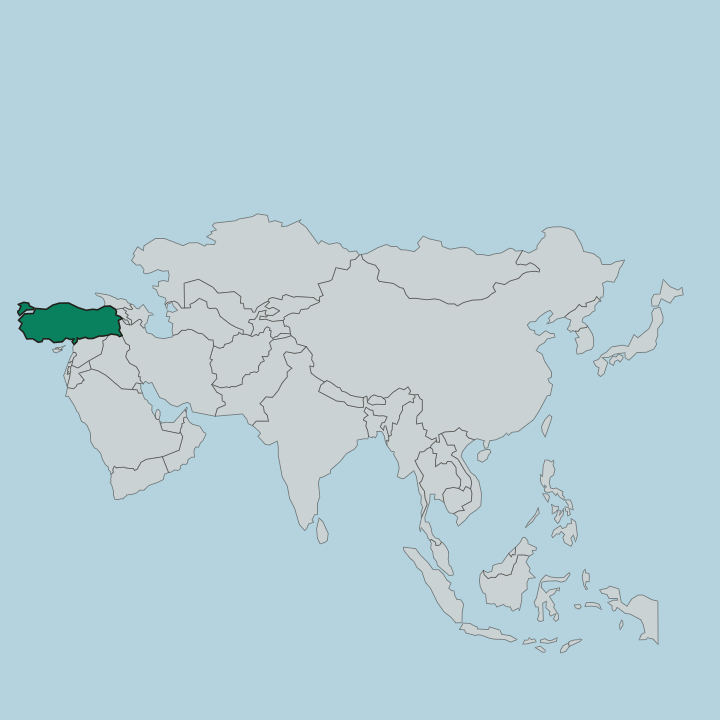
Sivas stands on the high plateau of Central Anatolia in Turkey, an old Seljuk city and transport hub gathered below Sivas Castle east of Ankara.Where to stay →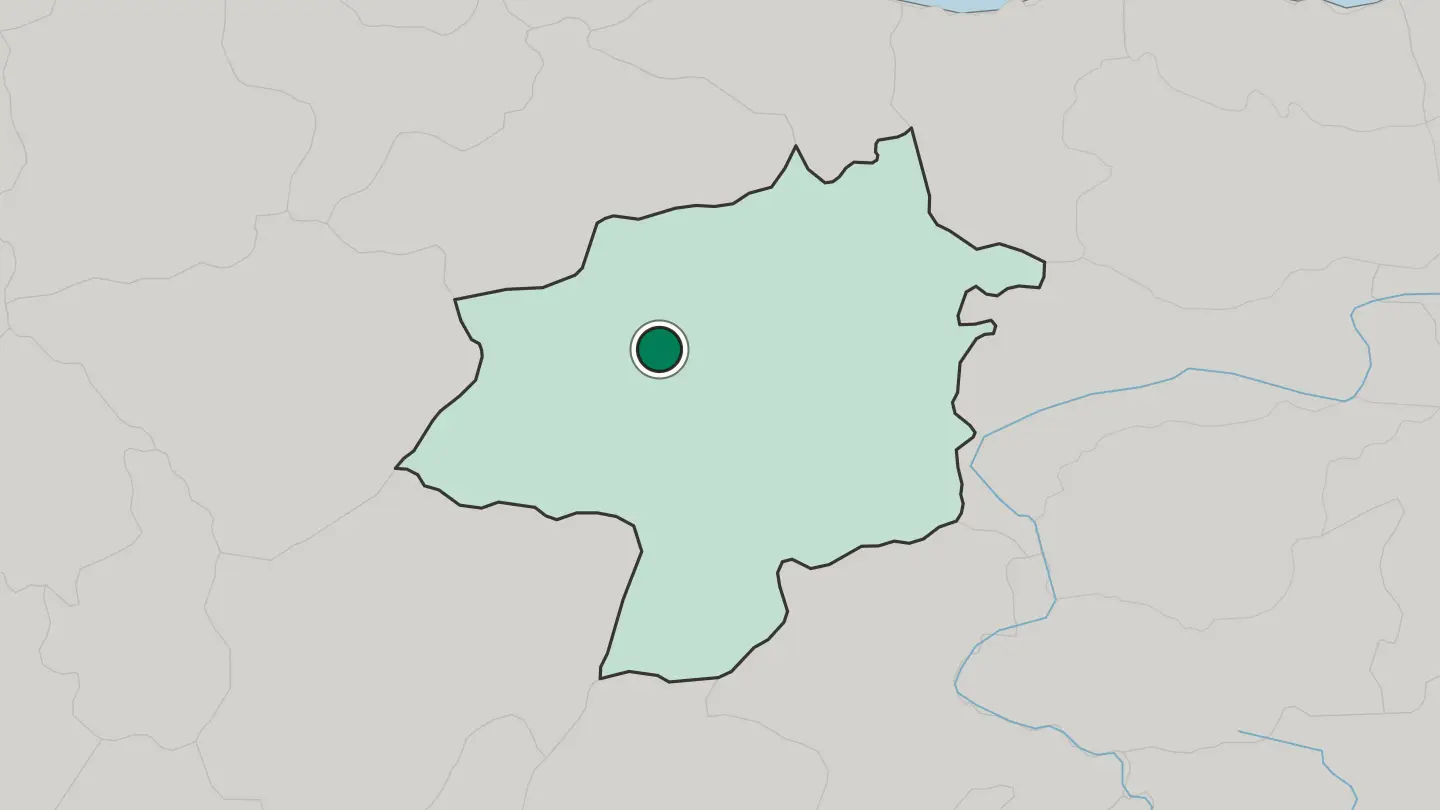
Hotel links are affiliate links: booking through them may earn us a commission, at no extra cost to you. It never affects how places are ranked. How this works
About Sivas
Sivas trades on old stone and hard winters.
What is Sivas known for?
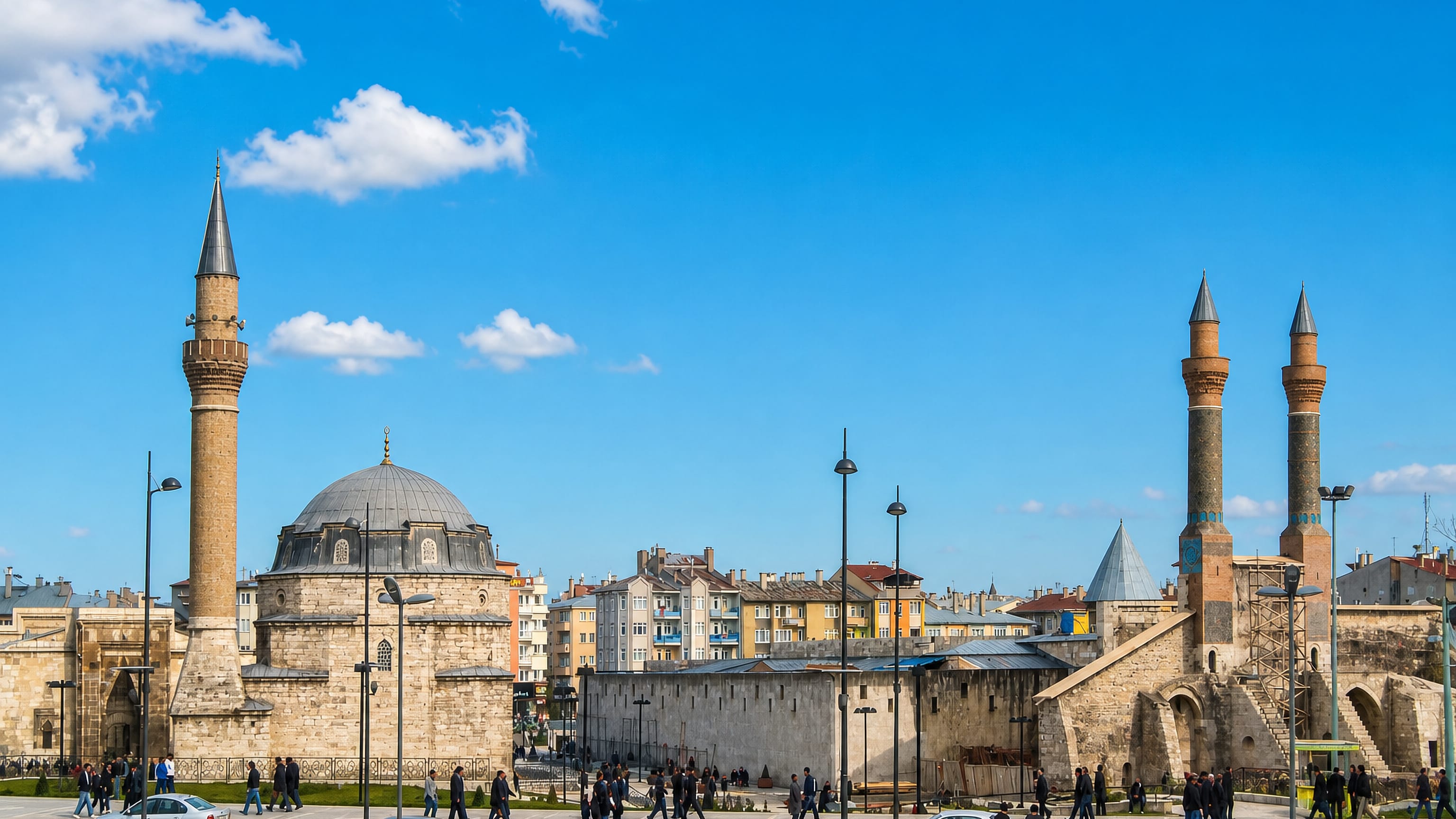
The provincial capital keeps a cluster of thirteenth-century Seljuk madrasas, the Gök Medrese, the twin-minaret portal of the Çifte Minare, the Şifaiye and the Buruciye, among the finest work the Seljuks left in Anatolia. Its name carries political weight too. Mustafa Kemal held the Sivas Congress here in 1919, a set-piece of the coming republic.
Out in the province, the Kangal hot spring lets psoriasis patients bathe with skin-nibbling doctor fish, and the broad-headed Kangal dog takes its name from the same district.
Where is Sivas?
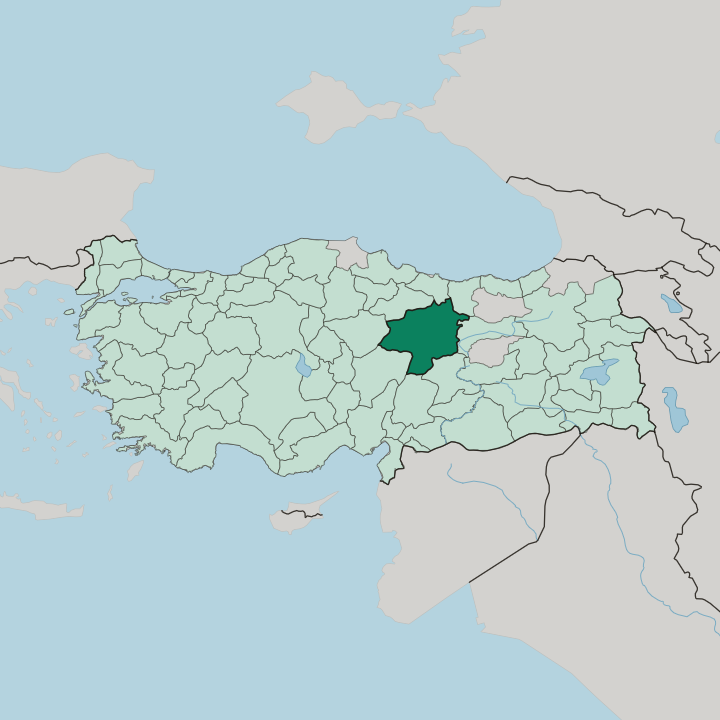
Sivas is the second-largest province in Turkey, a sprawl of high plateau in the eastern reach of central Anatolia. Most of it sits high. The land is open steppe and grain plain, broken by long ridges, the Köse Dağları in the north, the Tecer and Yıldız ranges nearer the capital, and cut by wide, shallow river valleys.
Eight provinces ring it. Tokat and Yozgat lie to the west, Kayseri to the south-west, Kahramanmaraş and Malatya along the southern rim, Erzincan to the east, and the Black Sea provinces of Giresun and Ordu across the northern mountains. Water is the province's real claim. The Kızılırmak, the longest river running entirely within Turkey, rises here in the Kızıldağ mountains east of İmranlı and swings west across the plateau before curving north to the Black Sea.
Other rivers drain the edges: the Kelkit gathers the wet northern valleys around Suşehri and Koyulhisar, while the Çaltı carries the south-eastern water past Divriği toward the Euphrates. The Uzunyayla, a broad grassland plateau, spreads across the south-west. Lakes are few but striking, the spring-fed Gökpınar Lake near Gürün is the best known, and the whole province drains outward rather than in.
What is Sivas like?
Central Anatolia's bard tradition runs deep in Sivas. The province lies in the Emlek country, a stretch of villages long known for its âşıks, travelling minstrels who sing their own verse to the long-necked bağlama. Its most famous son was Âşık Veysel, the blind poet of Sivrialan, whose plain, aching songs about earth and mortality became fixtures of Turkish music.
A folk-poets gathering held in the city in 1931 helped lift that village art onto the national stage. Much of the countryside is Alevi, and the singing carries the faith and its melancholy together. The Seljuk madrasas in the capital are the built face of the same centuries, some of the finest carved stone in all of Anatolia.
Life here is shaped by long winters and open grazing land. The Kangal dog, pale and black-muzzled, bred to guard flocks against wolves on the steppe, comes from the province's southern district and is a point of real local pride. Kitchens lean on grain, mutton and the wild greens gathered off the plateau.
Turkish carries daily life across Sivas. Storytelling and folk song carry the frozen months, with the tea house for warmth.
What is the history of Sivas?
The city is old, Roman Sebasteia before it was Sivas, and an Armenian centre known as Sebastia. Medieval Sivas was a Silk Road city of real weight. The Danishmendids and then the Seljuks of Rum enriched it, and the three great madrasas raised in 1271 date from that height, before Mongol and Ottoman rule followed.
Its most quoted moment is modern. Mustafa Kemal convened the Sivas Congress here in 1919, welding the scattered regional resistance groups into one national movement on the road to the republic.
What is the climate of Sivas?
Altitude runs the weather, not the sea. Sivas keeps one of the harshest continental climates in Turkey, its winters long, snow-bound and bitterly cold on the exposed plateau. Summers are short, warm and dry, with a hard drop between day and night.
The provincial capital ranks among the coldest in the country, and snow can lie for months across the high ground toward İmranlı and the Kızıldağ. Spring comes late here.
How do you get to Sivas?
Most travellers arrive by air or rail. Sivas Nuri Demirağ Airport, north of the city, takes domestic flights from Istanbul and Ankara. Rail is the older story, the province has been a crossroads since the line first climbed the plateau.
The main Ankara-Kars route runs through Sivas on its way east to Erzurum, and a second line drops north through the mountains to Samsun on the Black Sea. Long-distance coaches fill in the rest, over the passes to Kayseri, Malatya and Erzincan.
Common questions
What is the best area to stay in Sivas?
Sivas: the Seljuk madrasas around Konak Meydanı. Divriği: the UNESCO-listed Great Mosque and Hospital. Kangal: the Balıklı Kaplıca doctor-fish spring. Gürün: Gökpınar Lake and the Şuğul canyon. Şarkışla: Âşık Veysel's Emlek bard country.
Good for
More regions in Turkey
Updated October 2026