Turkey
Trabzon, Turkey — Towns & Travel Guide
Trabzon is a province on Turkey's eastern Black Sea coast, where the Pontic Mountains rise steep behind an old port city and its highland valleys.
Hotel links are affiliate links: booking through them may earn us a commission, at no extra cost to you. It never affects how places are ranked. How this works


Towns & cities in Trabzon
One town here has its own guide — it links to where to stay.
 Turkey
Trabzon
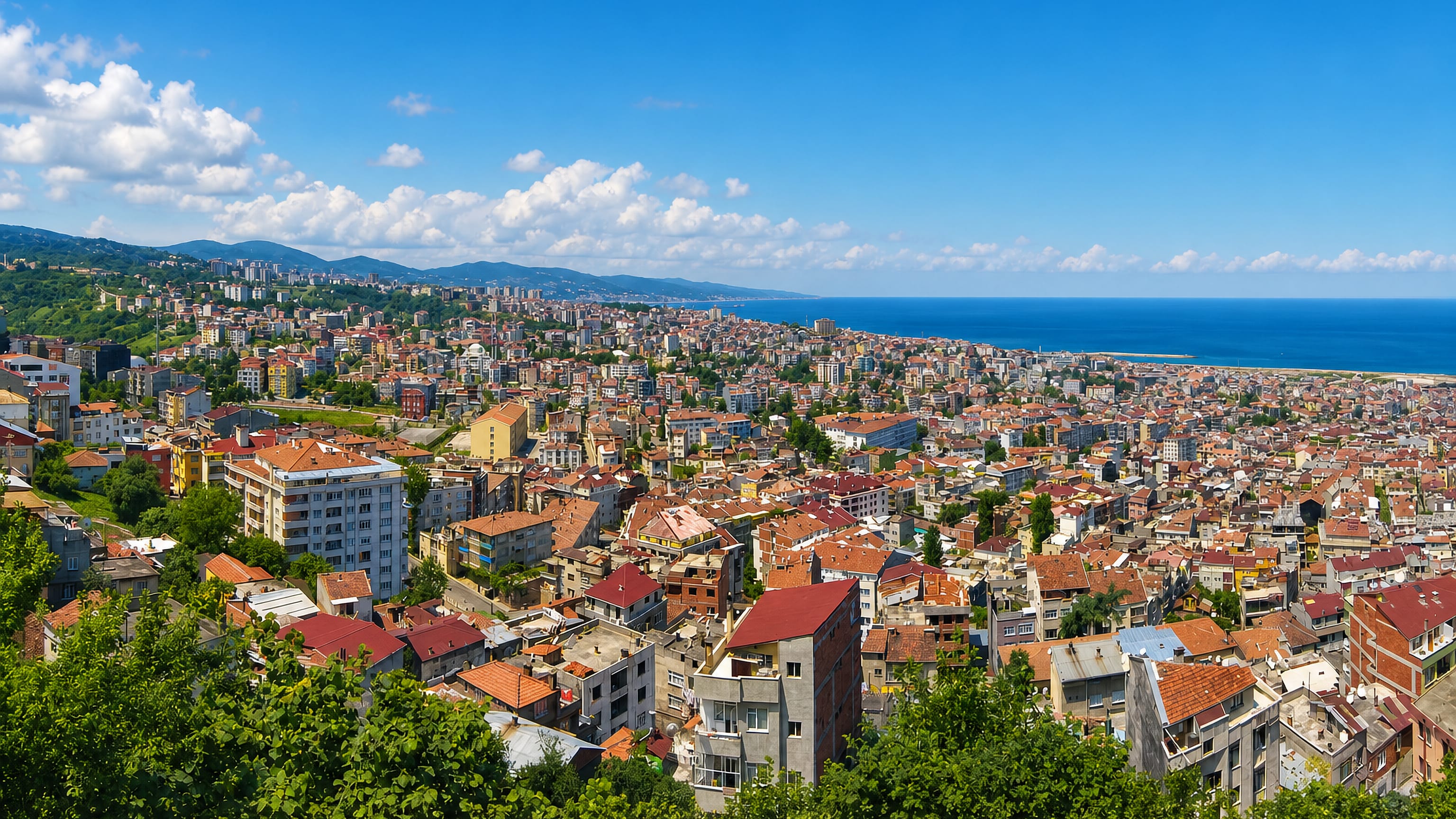
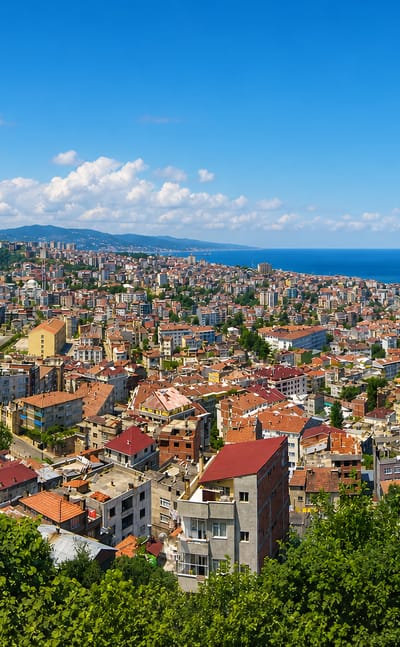
The Black Sea washes the foot of Trabzon, a port city in northeastern Turkey, once the Greek Trapezous and capital of the Empire of Trebizond.Where to stay →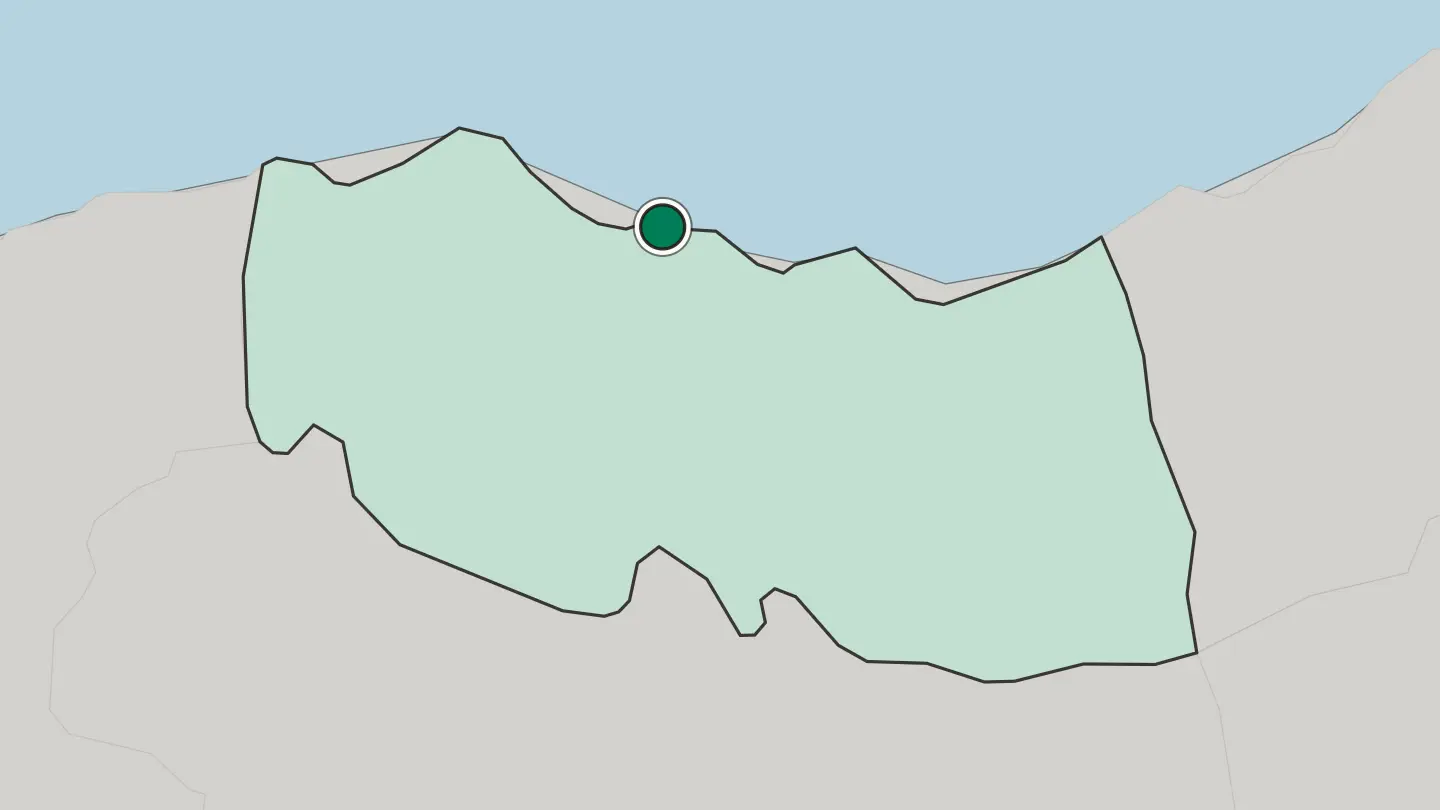
Hotel links are affiliate links: booking through them may earn us a commission, at no extra cost to you. It never affects how places are ranked. How this works
About Trabzon
What is Trabzon known for?
Two sights carry Trabzon's name. Sümela, a Greek Orthodox monastery welded into a sheer cliff above the Altındere Valley, hangs in the forest south of the coast and draws pilgrims and day-trippers alike. Higher still sits Uzungöl, a long lake in a wooded basin of the Pontic Mountains that fills with visitors through the warm months.
The coast itself trades in anchovies, the hamsi that flavours Black Sea cooking, and in hazelnut orchards that climb the slopes. Akçaabat lends its name to a grilled köfte known countrywide. Football matters here too, and Trabzonspor carries the province's pride.
Where is Trabzon?
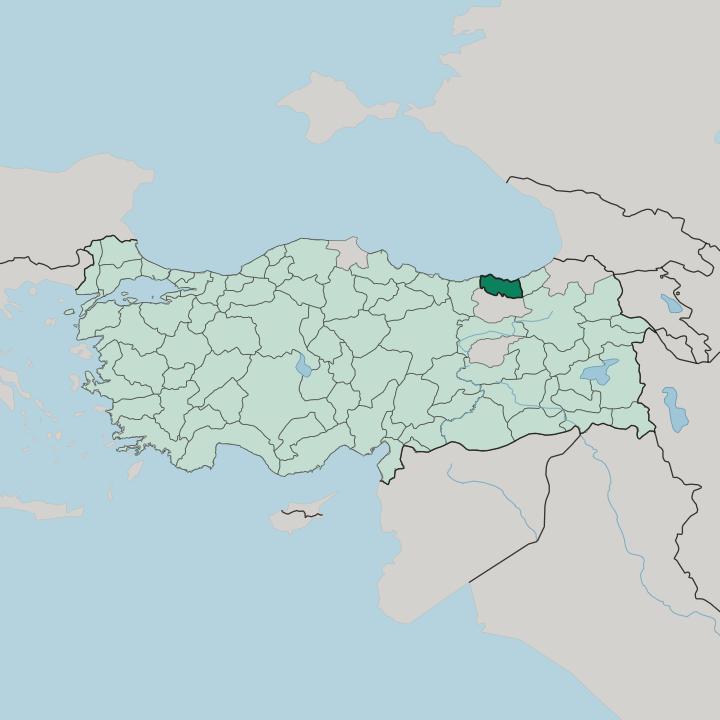
Trabzon stretches along a wide bay on the eastern Black Sea, its coastline running some 114 kilometres from west to east. Behind that shore the land climbs fast. The Pontic Mountains wall off the interior, rising within a few dozen kilometres of the water to ridges that stay under snow well into summer and that separate the coast from the dry Anatolian plateau to the south.
Rivers cut down through the wall in steep, forested valleys, and the towns cling to the narrow strips of flat ground where those valleys reach the sea. It is a vertical province. Little of it lies level.
The port city of Trabzon anchors the middle of the coast, in the district of Ortahisar. West along the shore are Akçaabat and Vakfıkebir; east lie Yomra, Araklı, and Of, each a river mouth backed by orchards. Inland the districts thin out and rise.
Maçka guards the Altındere Valley and the road to Sümela, while Çaykara holds the high lake basin of Uzungöl. Four provinces frame the land: Giresun to the west, Gümüşhane and Bayburt across the mountains to the south, and Rize along the eastern border. The sea is always to the north.
What is Trabzon like?
Trabzon's culture faces the sea and the mountains at once. For centuries the coast was Greek-speaking, and the Empire of Trebizond made the city its capital until the Ottoman conquest of 1461; the Pontic Greek dialect survived in a few inland villages of Çaykara and Of long after. That older layer still shows in the churches turned mosques and in family names along the coast.
The dominant language is Turkish. Local speech, food, and music keep a distinct Black Sea stamp that sets the province apart from the Anatolian interior. Food is where that identity is loudest.
The hamsi, a Black Sea anchovy, turns up fried, in rice, even in cornbread through the winter. Akçaabat is known across Turkey for its hand-chopped grilled köfte, and Vakfıkebir for a huge round sourdough loaf and its butter. Up in the pastures, kuymak binds cornmeal, butter, and stringy cheese into a single molten dish.
Music carries the same mountain energy. The kemençe, a small upright fiddle, drives the fast circle dance called the horon at weddings and at the summer yayla festivals on the high plateaus above Maçka and Çaykara. These highland gatherings pull families back from the cities every summer.
What is the history of Trabzon?
Greek colonists from Miletus founded the city as Trapezous in 756 BC, on the trade route between the Aegean and the Caucasus. It later anchored the Kingdom of Pontus, which fought Rome for the Black Sea before falling into Roman and then Byzantine hands. Its greatest age came after 1204.
When crusaders sacked Constantinople, the Komnenos dynasty carved out the Empire of Trebizond here and held the eastern coast for more than two centuries. Ottoman armies took the city in 1461. Trabzon has guarded this corner of the sea ever since.
What is the climate of Trabzon?
The Pontic Mountains make Trabzon's weather. They trap moist air rolling in off the Black Sea, so rain falls in every season and the seaward slopes stay green and dripping through the whole year. Coastal winters are cool rather than harsh.
Summers turn warm and humid, and the heaviest downpours arrive in autumn, when storms pile up against the mountain wall behind the shore. Climb toward Çaykara and Uzungöl and the air cools fast, holding snow on the high pastures. This wet, mild coast feeds the province's hazelnut orchards.
How do you get to Trabzon?
For most visitors the trip to Trabzon starts by air. Trabzon Airport sits right on the coast just east of the city centre, with frequent links to Istanbul and Ankara and a scattering of international flights. From the terminal the coastal highway runs the length of the province, tying the seaside towns together and feeding the minibuses that grind up the mountain valleys.
For Sümela the road turns inland at Maçka; for Uzungöl the dolmuş climbs through Çaykara. There is no passenger railway. The sea and the road do all the work.
Common questions
What is the best area to stay in Trabzon?
Trabzon: a first base in the port city. Uzungöl: a lake-and-forest stay in the Çaykara highlands. Maçka: the closest beds to Sümela Monastery. Akçaabat: a quieter coast just west of the city.
Good for
More regions in Turkey
Updated October 2026