Germany · Bavaria
Where to Stay in Bamberg, Bavaria
Bamberg is an Upper Franconian town on the Regnitz, its whole old centre a UNESCO World Heritage Site of medieval lanes and baroque fronts.
Hotel links are affiliate links: booking through them may earn us a commission, at no extra cost to you. It never affects how places are ranked. How this works


Where to stay in Bamberg
Where visitors usually base themselves, and why.
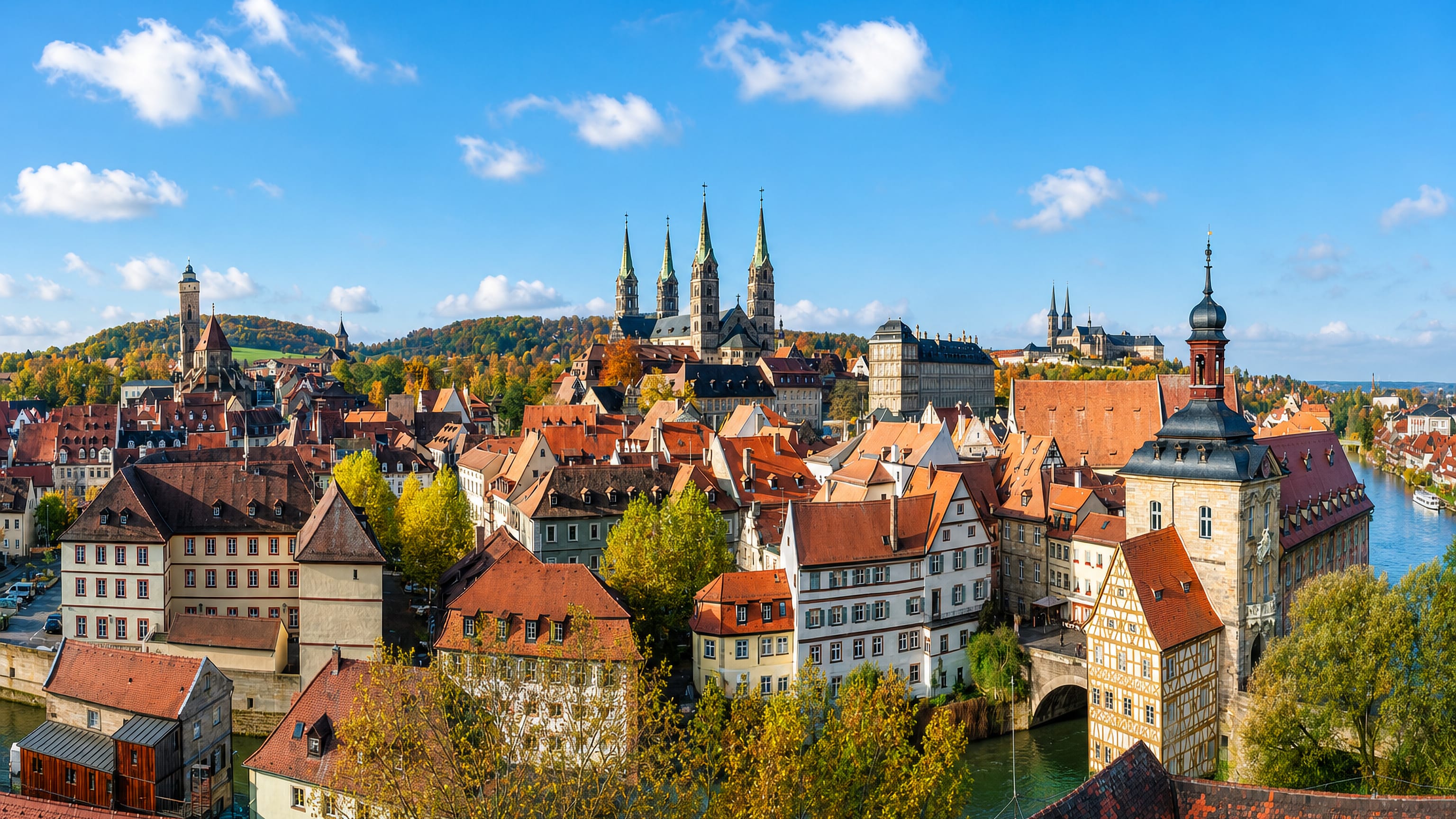
Bamberg divides between the listed lanes and the hill. Rooms in the old town put the New Residence, the Historical Museum Bamberg, and the Diözesanmuseum Bamberg within a few minutes of each other, which suits you if the World Heritage streets are the whole point of the trip. Timber fronts line those lanes.
The Hoffmann-Haus and the Karmelitenkloster Bamberg fall inside the same walk, and so does most of what the town is listed for. The Klarissenkloster Bamberg and the Dominikanerkloster Bamberg add two more old walls to that circuit, both of them monastic houses. Up at Michaelsberg Abbey the ground rises above the roofs, and a room on that side trades immediate access for a view back across the old town of Bamberg.
Steps come with the view. Further out, the Gärtner- und Häckermuseum records the growing trades of the town, and quieter rooms sit among those streets. Parking is easier there.
Anyone here for the breweries can work outward from the Fränkisches Brauereimuseum, and the Feuerwehrmuseum and the Museum für Büro- und Kommunikationsgeschichte fill an afternoon that rain has spoiled. Neither side asks for a car within the old town, where the lanes were laid out long before one.
Find hotels in Bamberg
Direct booking searches for these neighbourhoods.
The listed old town
Timber fronts and medieval lanes inside the World Heritage area of BambergFind hotels in The listed old townRooms above the roofs beside Michaelsberg AbbeyMichaelsberg
The abbey ground looks back over the Regnitz town. Lodging is scarce in this area; reserve in advance.Find hotels in MichaelsbergQuieter nights near the Gärtner- und HäckermuseumThe market-garden streets
Easier parking away from the listed lanes of BambergFind hotels in The market-garden streetsHotel links are affiliate links: booking through them may earn us a commission, at no extra cost to you. It never affects how places are ranked. How this works
Things to do in Bamberg
Ranked by global recognition; descriptions from Wikidata (CC0).
Museums & Galleries
3- New Residence, Bamberg Heritage
- E.T.A. Hoffmann-Haus Heritage
- Historical Museum Bamberg
Churches & Religious Sites
8- Michaelsberg Abbey Heritage
- St. Stephan Bamberg Heritage
- St.Jakob in Bamberg Heritage
- Zentralbau Heritage
- Dominikanerkloster Bamberg Heritage
Show 3 more →
- Sankt Getreu Heritage
- Klarissenkloster Bamberg Heritage
- Maria Hilf Heritage
Castles & Historic Sites
1- Burg Heritage
Landmarks & Notable Places
1- Tropfhaus Heritage
worth knowingacross 4 categories in Bamberg
About Bamberg
What is Bamberg known for?
The old town of Bamberg has been a UNESCO World Heritage Site since 1993, listed for medieval streets, timber houses, and the South German baroque architecture that fills the gaps between them. Beer belongs here too. The Fränkisches Brauereimuseum keeps the record of the brewing trade.
Michaelsberg Abbey, the New Residence, and the Historical Museum Bamberg carry the rest of the town's public interiors.
What are the main landmarks in Bamberg?
The whole centre is listed. Michaelsberg Abbey and the New Residence anchor the list, while the Historical Museum Bamberg, the Diözesanmuseum Bamberg, and the Naturkunde-Museum Bamberg hold the collections. Monastic buildings run from the Karmelitenkloster Bamberg and the Dominikanerkloster Bamberg to the Klarissenkloster Bamberg.
Sankt Stephan, Sankt Jakob, Sankt Getreu, and Maria Hilf carry the church names. Smaller houses of the town, the Hoffmann-Haus, the Tropfhaus, and the Fränkisches Brauereimuseum, work at a different scale from the abbey on its hill.
What is the history of Bamberg?
The name comes from a castle. Bamberg dates back to the 9th century, when its name derived from the nearby Babenberch castle, and the town has kept that name through every rebuilding since. Monastic foundations came with the medieval town: Michaelsberg Abbey above it, and the Karmelitenkloster Bamberg, the Dominikanerkloster Bamberg, the Dominikanerinnenkloster zum Heiligen Grab, and the Klarissenkloster Bamberg within it.
Wood did the ordinary work. Timber houses survive in the old town by the thousand, which is a large part of why the whole of it carries a UNESCO listing. Baroque followed, in the South German manner, and the New Residence is the clearest statement of it in Bamberg.
Church building went on beside it, at Sankt Stephan, Sankt Jakob, Sankt Getreu, Sankt Urban, and Maria Hilf. Trades left their own museums. The Fränkisches Brauereimuseum records the brewing, the Gärtner- und Häckermuseum the growing, and the Museum für Büro- und Kommunikationsgeschichte and the Feuerwehrmuseum two later lines of work.
The Hoffmann-Haus and the Tropfhaus preserve two houses of the old town, and the Historical Museum Bamberg and the Diözesanmuseum Bamberg hold what the buildings themselves cannot. Recognition came in 1993.
Where is Bamberg?
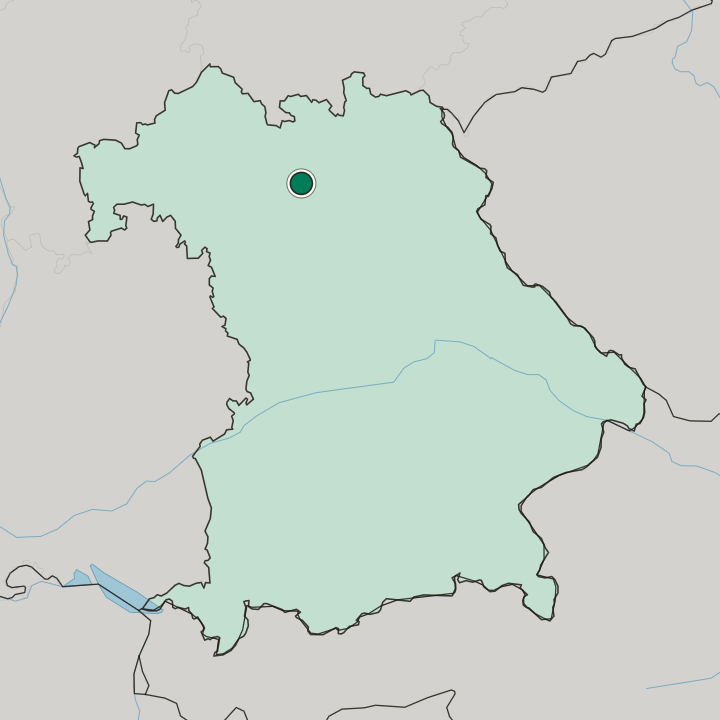
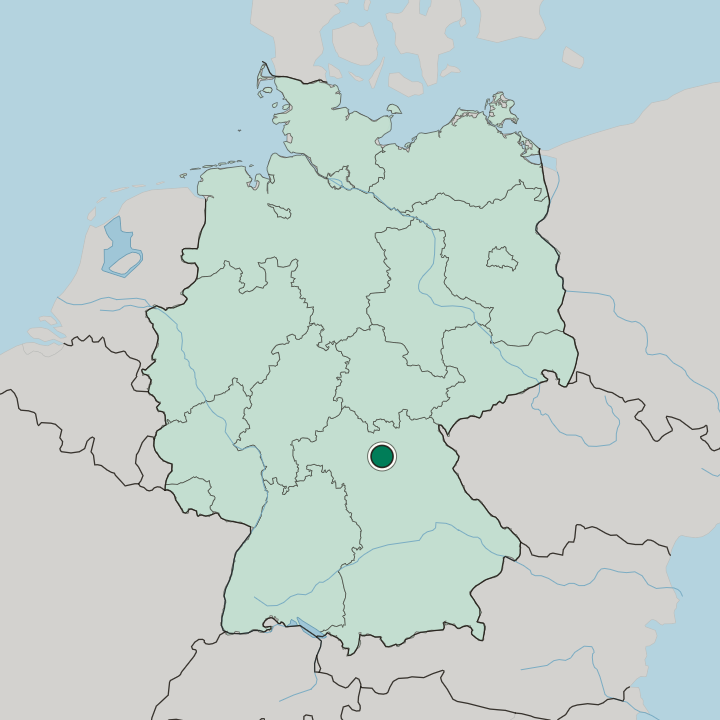
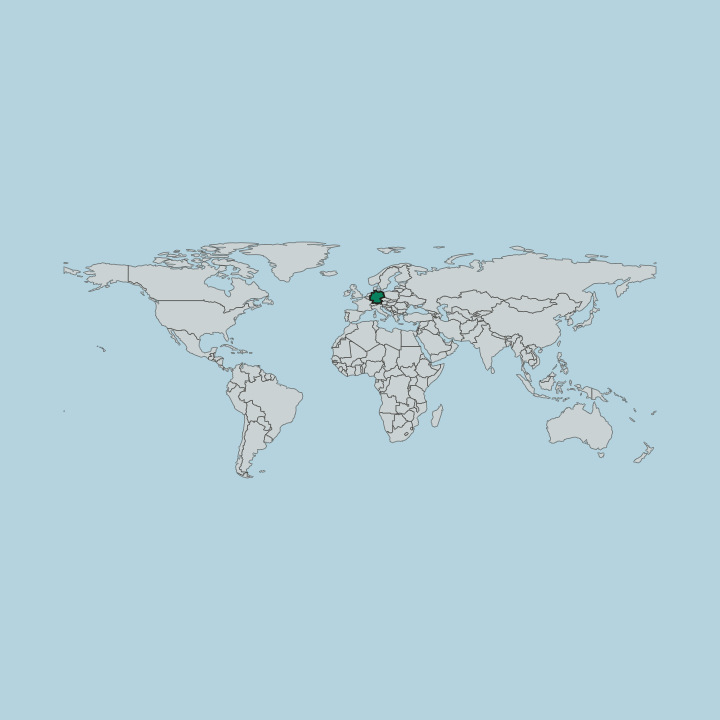
Bamberg stands on the Regnitz in Upper Franconia, close to where that river joins the Main, and the ground rises on the Michaelsberg side above the streets of the old town. That water is never far off. Upper Franconia gives the wider setting, and Bavaria the state around that.
The Michaelsberg rises over the roofs, and Michaelsberg Abbey sits on top of it, so the town reads as two levels rather than one.
What is the climate of Bamberg?
The Regnitz keeps the air damp in the cold months, and the valley that carries it towards the Main gives Bamberg a temperate year without much in the way of extremes. Rain comes year round. Summer sits warm rather than hot, and the growing trades recorded at the Gärtner- und Häckermuseum depended on that steadiness.
How do you get to Bamberg?
The old town is closed enough in scale that arrival by car ends in a car park rather than at a door, and the walk in crosses the Regnitz. Walk from there. The climb to Michaelsberg Abbey is the one stretch that asks for effort.
Drivers continuing through Upper Franconia find the roads out easier from the outer quarters than from the lanes around the New Residence.
Common questions
What is the best area to stay in Bamberg?
The listed old town: Guests who want the New Residence and the Historical Museum Bamberg on the doorstep. Michaelsberg: Rooms above the roofs beside Michaelsberg Abbey. The market-garden streets: Quieter nights near the Gärtner- und Häckermuseum.
Good for
More cities in Bavaria
Updated October 2026