Germany · Bavaria
Where to Stay in Fürth, Bavaria
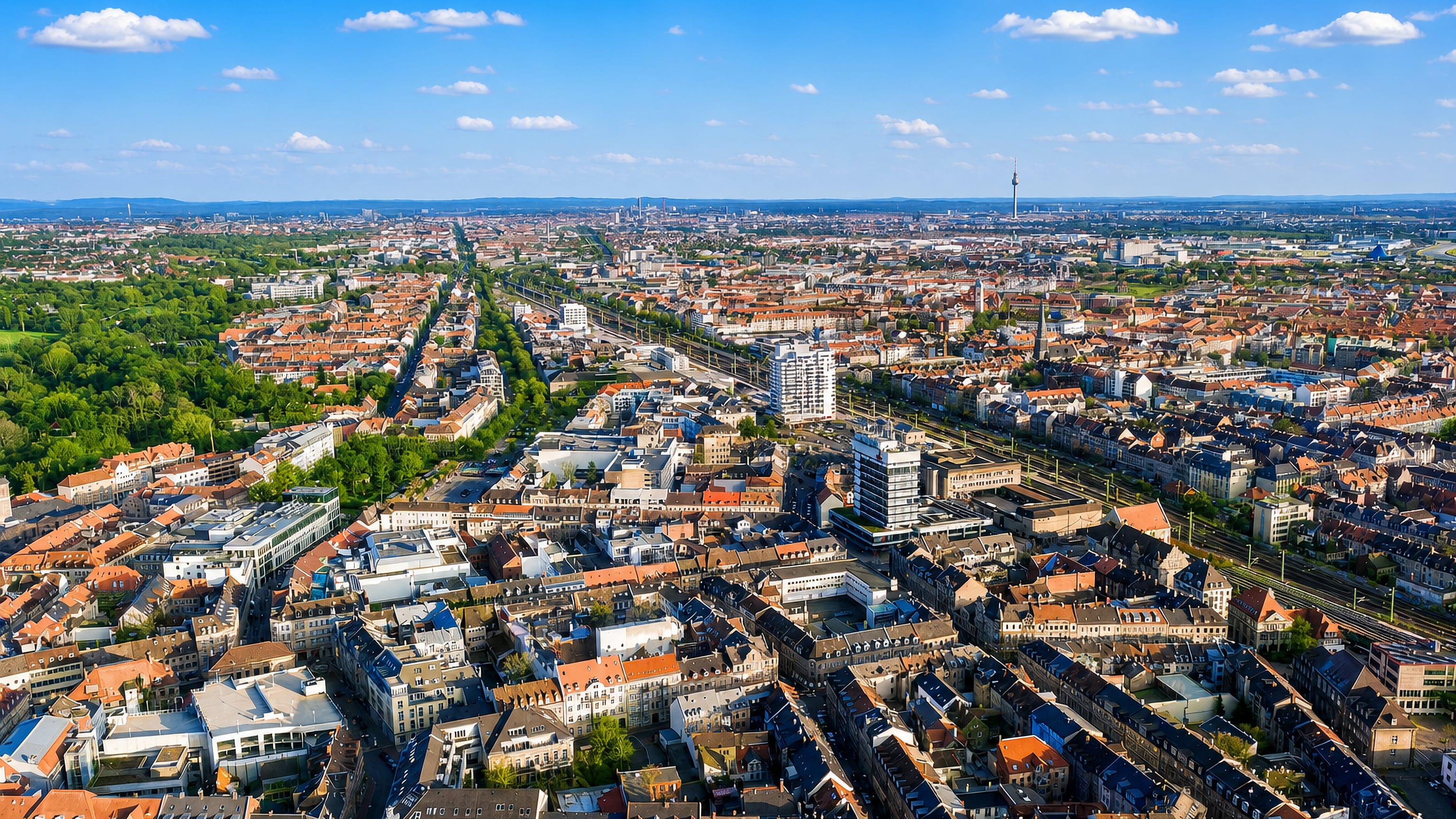
Fürth is a Middle Franconian city grown into Nuremberg, spared the air raids that hit its neighbour, and lined with small museums.
Hotel links are affiliate links: booking through them may earn us a commission, at no extra cost to you. It never affects how places are ranked. How this works


Where to stay in Fürth
The right area depends on your trip — here's what each neighbourhood is best for.

 FürthGermany
Weikershof
Weikershof is a village quarter of Fürth recorded as Wikershoven in 1269, on the east slope of the Rednitz valley three kilometres south of the old town.Where to stay → FürthGermany
Burgfarrnbach
A viaduct and a castle site. Burgfarrnbach is a Fürth quarter whose landmarks run to St. Johannis, St. Marien and the Museum Frauenkultur.Where to stay →Hotel links are affiliate links: booking through them may earn us a commission, at no extra cost to you. It never affects how places are ranked. How this works
Find hotels in Fürth
Direct booking searches for these neighbourhoods.
Around St. Peter und Paul
The Serz'sches Herrenhaus, the Fürth municipal museum and the tenement rows stand within a few blocks of the churchFind hotels in Around St. Peter und PaulTravellers splitting their days between Fürth and NurembergThe Quelleturm side
Long fronts of the former Quelle Großversandhaus Nürnberg, with the Pförtnerhaus still at the gateFind hotels in The Quelleturm sideArrivals by car with the Alte Veste in mindPast Poppenreuther Straße
The streets thin toward the Alte Veste and parking stops being a problemFind hotels in Past Poppenreuther StraßeHotel links are affiliate links: booking through them may earn us a commission, at no extra cost to you. It never affects how places are ranked. How this works
Things to do in Fürth
Ranked by global recognition; descriptions from Wikidata (CC0).
Museums & Galleries
3- Ludwig Erhard Center
- Fürth Crime Museum
- Dialysemuseum Fürth
Churches & Religious Sites
6- St. Johannis (Burgfarrnbach) Heritage
- St. Peter und Paul Heritage
- Christkönig Heritage
- Christuskirche Heritage
- St. Marien Heritage
Show 1 more →
- Cultural heritage D-5-6531-0147 in Fürth Heritage
Castles & Historic Sites
3- Burgstall Burgfarrnbach Heritage
- Burgfarrnbacher Viadukt Heritage
- Alte Veste
Landmarks & Notable Places
4- Blütenstraße 2 (Fürth) Heritage
- Poppenreuther Straße 133 (Fürth) Heritage
- Mietshauszeile Heritage
- Wohnhaus mit ehemaliger Gaststätte Heritage
worth knowingacross 4 categories in Fürth
About Fürth
Small museums, and plenty of them.
What is Fürth known for?
Fürth carries a dense run of them for a city of its size, the Jüdisches Museum Franken, the Rundfunkmuseum Fürth, the Kunst Galerie Fürth, and the Fürth Crime Museum sit within one walkable core, with the Ludwig Erhard Center among them. The war left the fabric standing. Because only a few air raids reached the city, the tenement rows and church towers that Nuremberg lost survive here more or less as they were built, and that survival is what separates the smaller city from its neighbour.
What are the main landmarks in Fürth?
Fürth's list of set-piece buildings runs long for its size. The Quelleturm still rises over the Quelle Großversandhaus Nürnberg, the mail-order complex whose Pförtnerhaus survives beside it, and the Alte Veste and the Serz'sches Herrenhaus stand among the older names. Fürth's museums cover the rest.
The Jüdisches Museum Franken, the Rundfunkmuseum Fürth, the Fürth Crime Museum, the Dialysemuseum Fürth, the Kunst Galerie Fürth, and the Ludwig Erhard Center are all within reach of one another.
What is the history of Fürth?
The war is the hinge of the story. Only a few air raids reached Fürth, while Nuremberg seven kilometres away was struck repeatedly, so the streets came through the fighting standing rather than rebuilt from rubble, which is what happened next door. That inheritance shows in the listings.
The Mietshauszeile, the Helene-Lange-Gymnasium, and addresses as ordinary as Blütenstraße 2 and Poppenreuther Straße 133 are protected for what they are. Little here had to be replaced. Museums carry the rest of the record.
The Jüdisches Museum Franken holds the regional Jewish collection, the Fürth municipal museum the town's own, and the Ludwig Erhard Center a further strand, while broadcasting, dialysis, and crime each support a small institution of their own in the Rundfunkmuseum Fürth, the Dialysemuseum Fürth, and the Fürth Crime Museum. Churches mark the older divisions of the town. St. Peter und Paul, the Christuskirche, the Erlöserkirche, and Christkönig belong to different quarters.
Commerce left its own marks. The Quelle Großversandhaus Nürnberg put a mail-order complex and the Quelleturm on the ground here, with the Pförtnerhaus at its entrance, and the works have since passed out of that use. Within Franconia only one city is larger.
The built-up area kept spreading until it met Nuremberg's, and the two share a single continuous edge rather than a gap of open country.
Where is Fürth?
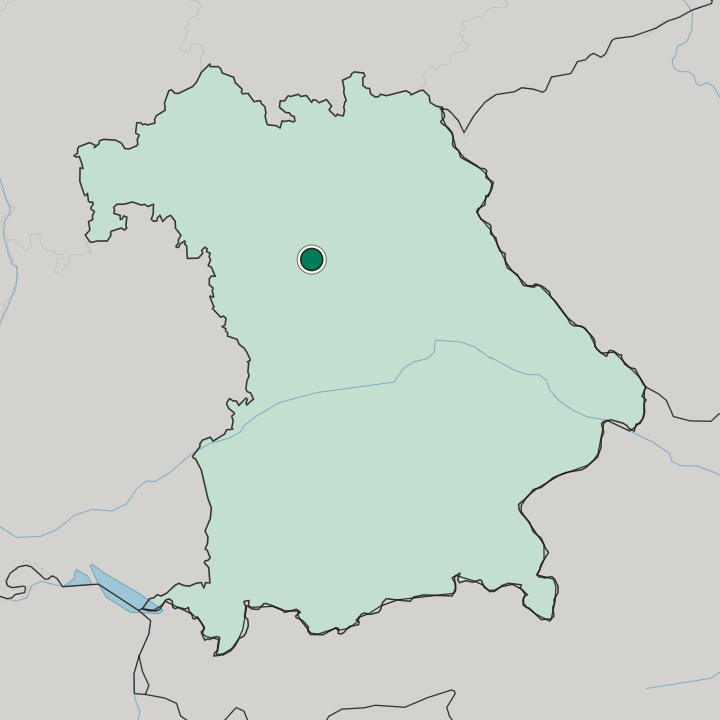
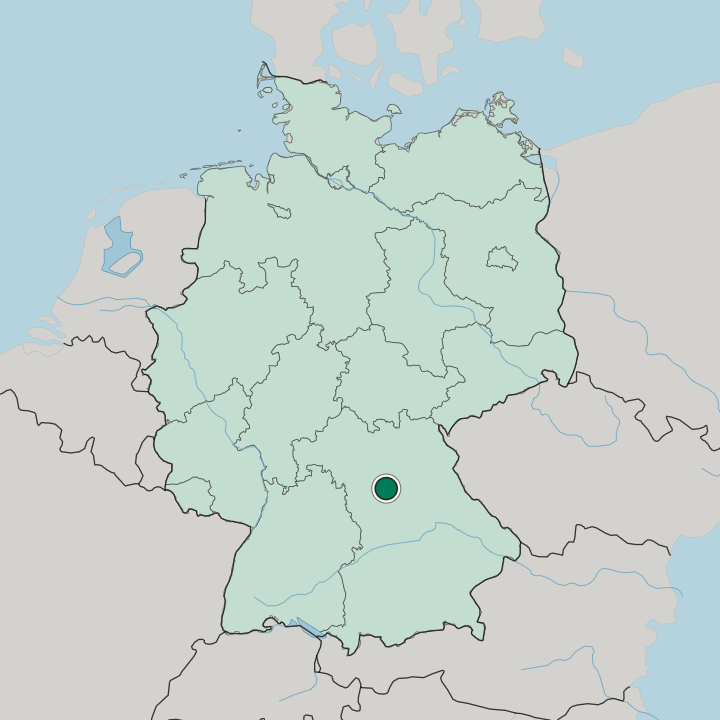
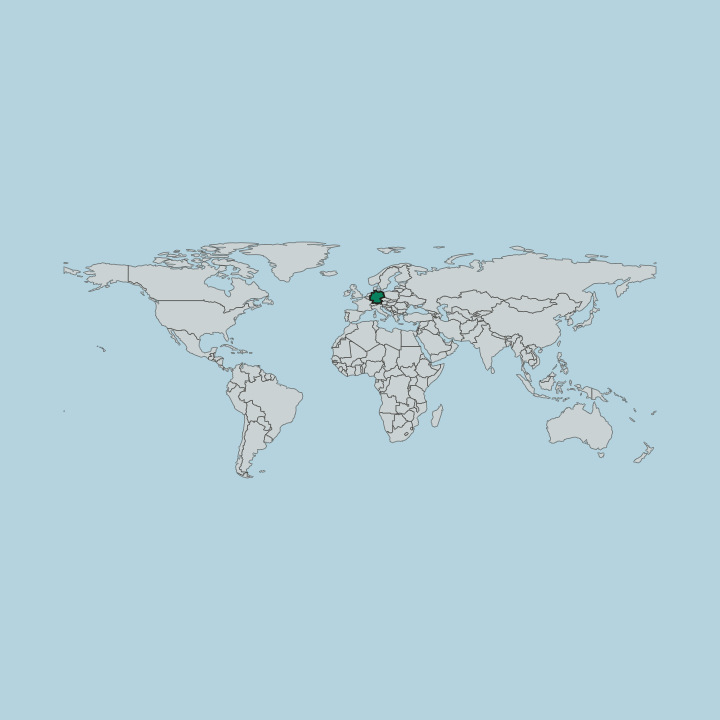
Fürth belongs to Middle Franconia, one of the administrative regions of Bavaria. Its built-up area has run together with Nuremberg's, so the line between the two cities is a matter of street signs rather than open ground, with only seven kilometres between one centre and the other. That makes it half of a single urban block in Middle Franconia.
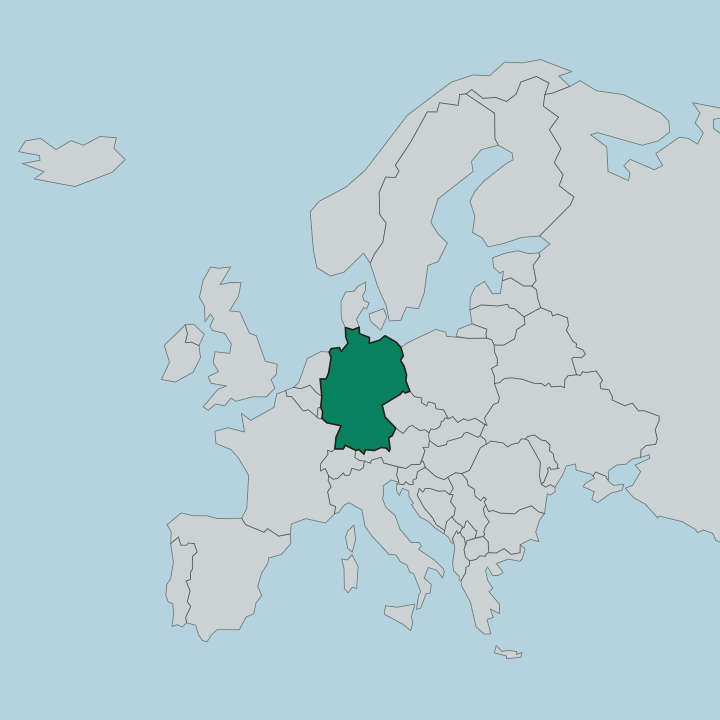
Open country starts late here. Germany's map shows the two as separate cities all the same.
What is the climate of Fürth?
Fürth and Nuremberg share one sky. The two centres stand seven kilometres apart within a single built-up area, so a front crossing Middle Franconia reaches both at once and the seasons turn on the same schedule in each. This is the temperate part of Germany, which means four marked seasons rather than a wet-and-dry split.
How do you get to Fürth?
Arrivals mostly come through Nuremberg. The two cities have grown into one continuous built-up area, their centres seven kilometres apart, so the last stage into Fürth is a short local leg rather than a journey of its own. Changes happen in the larger city.
Local streets take over from there.
Common questions
What is the best area to stay in Fürth?
Around St. Peter und Paul: Guests here for the pre-war streets and the Jüdisches Museum Franken. The Quelleturm side: Travellers splitting their days between Fürth and Nuremberg. Past Poppenreuther Straße: Arrivals by car with the Alte Veste in mind.
Good for
More cities in Bavaria
Updated October 2026