Germany · Bavaria
Where to Stay in Regensburg, Bavaria
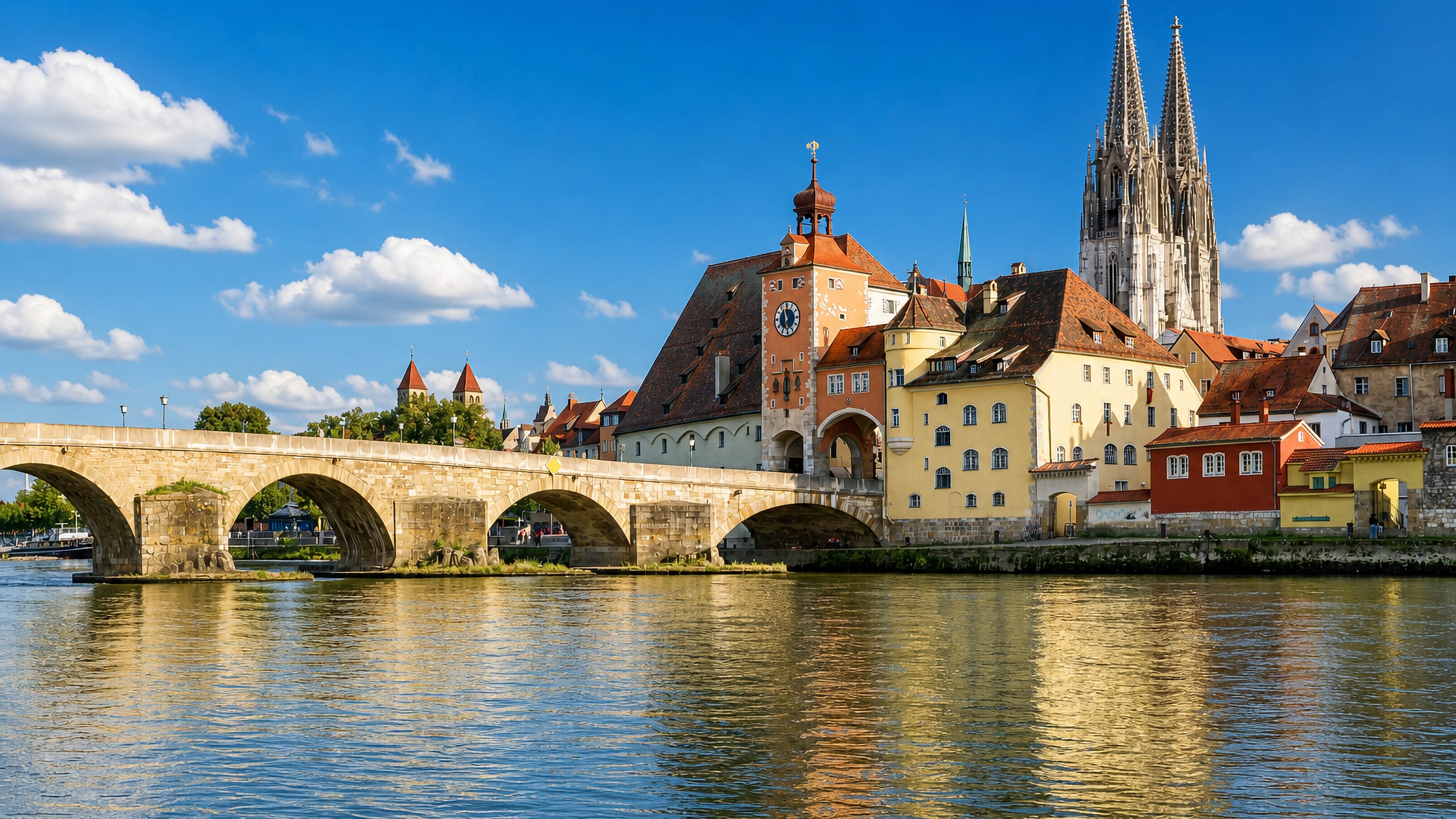
Regensburg is a Roman-founded Danube city, capital of the Upper Palatinate, its patrician towers and narrow alleys listed as World Heritage.
Hotel links are affiliate links: booking through them may earn us a commission, at no extra cost to you. It never affects how places are ranked. How this works


Where to stay in Regensburg
One neighbourhood here has its own guide — here's what it is best for.

 RegensburgGermany
Reinhausen
Reinhausen is Stadtbezirk 07 of Regensburg, a commune of its own until 1 April 1924 that called itself the largest village in the Oberpfalz.Where to stay →Hotel links are affiliate links: booking through them may earn us a commission, at no extra cost to you. It never affects how places are ranked. How this works
Find hotels in Regensburg
Direct booking searches for these neighbourhoods.
The listed alleys
The Baumburger Turm and the Porta Praetoria stand a few doors from the same lanes. Few places to stay nearby — book ahead.Find hotels in The listed alleysQuieter nights with the Brückturm crossing back to the cathedralStadtamhof
A World Heritage quarter on the far bank, close to the Regensburg Museum of Danube ShippingFind hotels in StadtamhofArrivals by car aiming at Prüfening Abbey and the Prüll CharterhouseThe abbey outskirts
Wider roads and parking out where the Kunstforum Ostdeutsche Galerie replaces the alleysFind hotels in The abbey outskirtsHotel links are affiliate links: booking through them may earn us a commission, at no extra cost to you. It never affects how places are ranked. How this works
Things to do in Regensburg
Ranked by global recognition; descriptions from Wikidata (CC0).
Museums & Galleries
2- Kunstforum Ostdeutsche Galerie Heritage
- Museum der Bayerischen Geschichte
Churches & Religious Sites
8- Regensburg Cathedral Heritage
- St. Emmeram's Abbey Heritage
- Scots Monastery Heritage
- Basilica of the Nativity of Our Lady, Regensburg Heritage
- Prüfening Abbey Heritage
Show 3 more →
- Niedermünster Heritage
- Obermünster Heritage
- Minoritenkirche Regensburg Heritage
Castles & Historic Sites
4- Castra Regina Heritage
- Porta Praetoria in Regensburg Heritage
- Schloss Weichs Heritage
- Burg Landeskron Heritage
Landmarks & Notable Places
7- Goldener Turm Heritage
- Baumburger Turm Heritage
- Brückturm Heritage
- Römerturm Heritage
- Turm Villapark in Regensburg Heritage
Show 2 more →
- Doppelwohnhaus Heritage
- Ehemaliges Gerberhaus Heritage
worth knowingacross 4 categories in Regensburg
About Regensburg
Alleys, and towers above them.
What is Regensburg known for?
Regensburg grew out of a Roman fort and kept the medieval fabric that came after it, which is why the old town and Stadtamhof hold a World Heritage listing granted in 2006 and why the city gets called the northernmost city of Italy. The Goldener Turm and the Baumburger Turm rise straight off the lanes. Regensburg Cathedral, the Porta Praetoria and the Museum der Bayerischen Geschichte fall inside the same short walk, and two universities keep the streets in use.
What are the main landmarks in Regensburg?
Regensburg Cathedral sets the scale, and the towers do the rest. The Goldener Turm, the Baumburger Turm, the Römerturm, the Turm Villapark and the Brückturm are the patrician and defensive survivals, while the Porta Praetoria and Castra Regina are what remain of the Roman fort underneath. Monastic buildings run deep here.
St. Emmeram's Abbey, the Scots Monastery, Niedermünster, Obermünster, the Dominican Convent and the Basilica of the Nativity of Our Lady all hold ground here, and the Regensburg Museum of History, the Museum der Bayerischen Geschichte and the Kunstforum Ostdeutsche Galerie carry the collections.
What is the history of Regensburg?
Rome laid the first stone. The fort of Castra Regina went up in 179, which makes Regensburg one of the oldest towns in Germany, and the Porta Praetoria still stands in the fabric as the gate of that camp. Everything since has been built on top.
The street plan simply carried on, absorbing each new century without ever being redrawn. Church foundations dominate the long middle. St. Emmeram's Abbey, Niedermünster and Obermünster held the ground closest to the centre, the Scots Monastery brought in an outside community, and Prüfening Abbey and the Prüll Charterhouse took land further out.
Orders kept arriving. The Dominican Convent, the Dominikanerkirche St. Blasius in Regensburg, the Minoritenkirche Regensburg, the Karmelitenkirche St. Joseph, the Bruderhauskirche St. Ignaz Regensburg and the Stiftskirche St. Johann all belong to that accumulation, and Regensburg Cathedral rose over the top of it. Charter and empire followed.
The city was chartered in 1245 and later housed the Perpetual Diet of Regensburg under the Holy Roman Empire, an arrangement that made a modest river town into a place where the empire argued with itself. Merchants built upward. The Goldener Turm, the Baumburger Turm and the Turm Villapark are what patrician money looked like in stone, and the Brückturm guarded the crossing that carried the trade.
Stadtamhof grew on the far bank. Both it and the old town were inscribed as World Heritage in 2006.
Where is Regensburg?
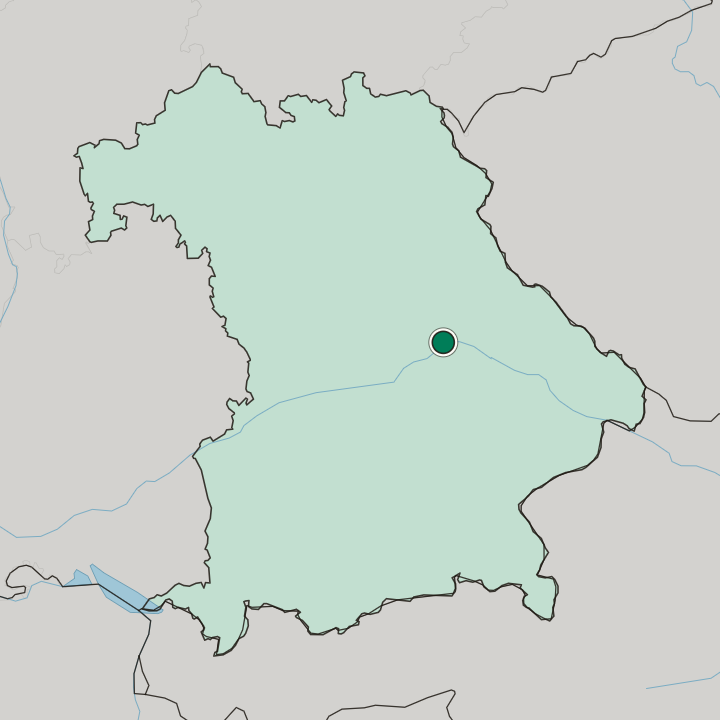
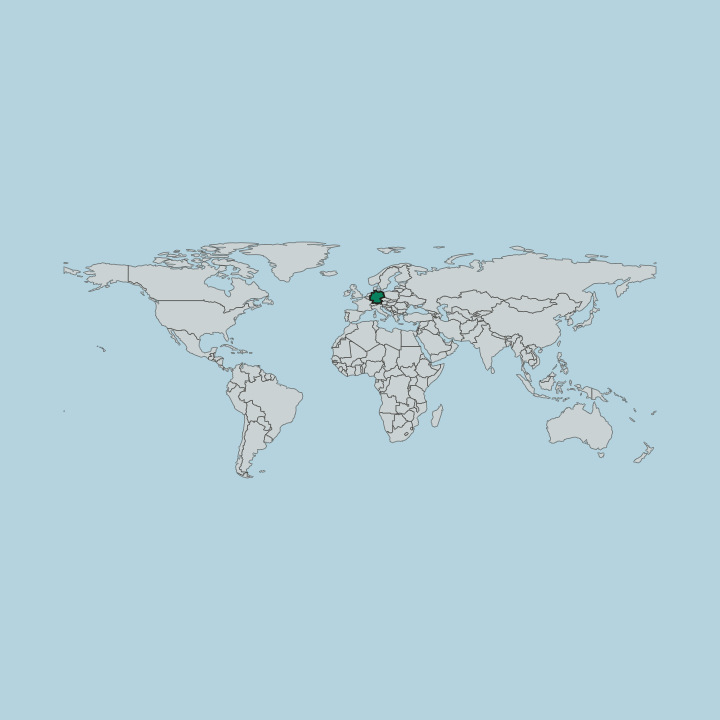
Three rivers meet at Regensburg. The Danube reaches its northernmost point here, and the Naab and the Regen come in at the same stretch, which fixed the site long before anyone drew a boundary around it. The Upper Palatinate takes its capital from that geography.
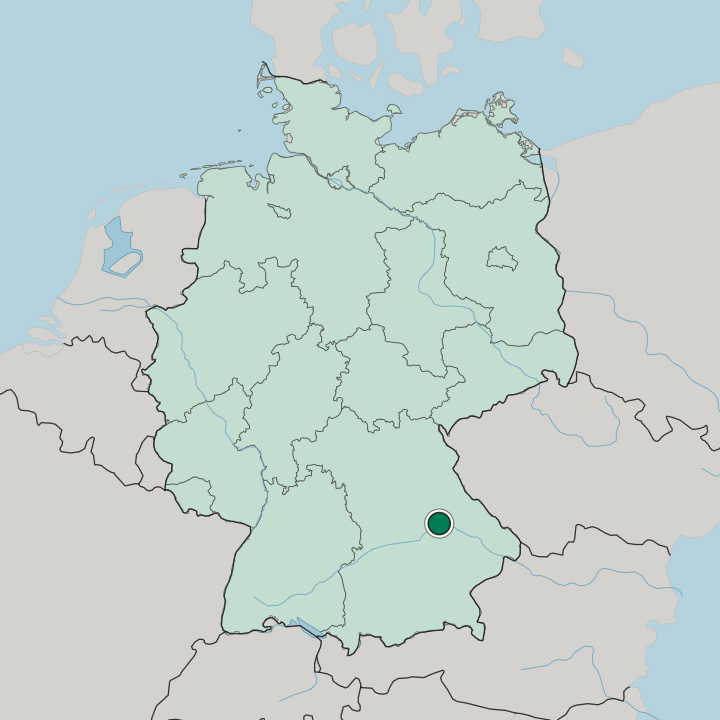
Regensburg ranks fourth in Bavaria behind Munich, Nuremberg and Augsburg, and eighth among all the cities strung along the Danube.
What is the climate of Regensburg?
The Danube turns north here and goes no further. Regensburg sits in the temperate band at that bend, so the year arrives in four separate seasons rather than a wet half and a dry one, and the Upper Palatinate behind the city gives the cold months a continental edge. River mist belongs to the shoulder seasons.
How do you get to Regensburg?
The Danube brought the first arrivals. Roads and rail took that role over long ago, and Regensburg draws them in as the capital of the Upper Palatinate rather than as a stop between larger places, with the Brückturm still marking the crossing the old traffic used. Alleys end the journey on foot.
Nothing inside the listed centre rewards a car.
Common questions
What is the best area to stay in Regensburg?
The listed alleys: Guests wanting Regensburg Cathedral and the Goldener Turm out the door. Stadtamhof: Quieter nights with the Brückturm crossing back to the cathedral. The abbey outskirts: Arrivals by car aiming at Prüfening Abbey and the Prüll Charterhouse.
Good for
More cities in Bavaria
Updated October 2026