Germany · Bavaria
Where to Stay in Aschaffenburg, Bavaria
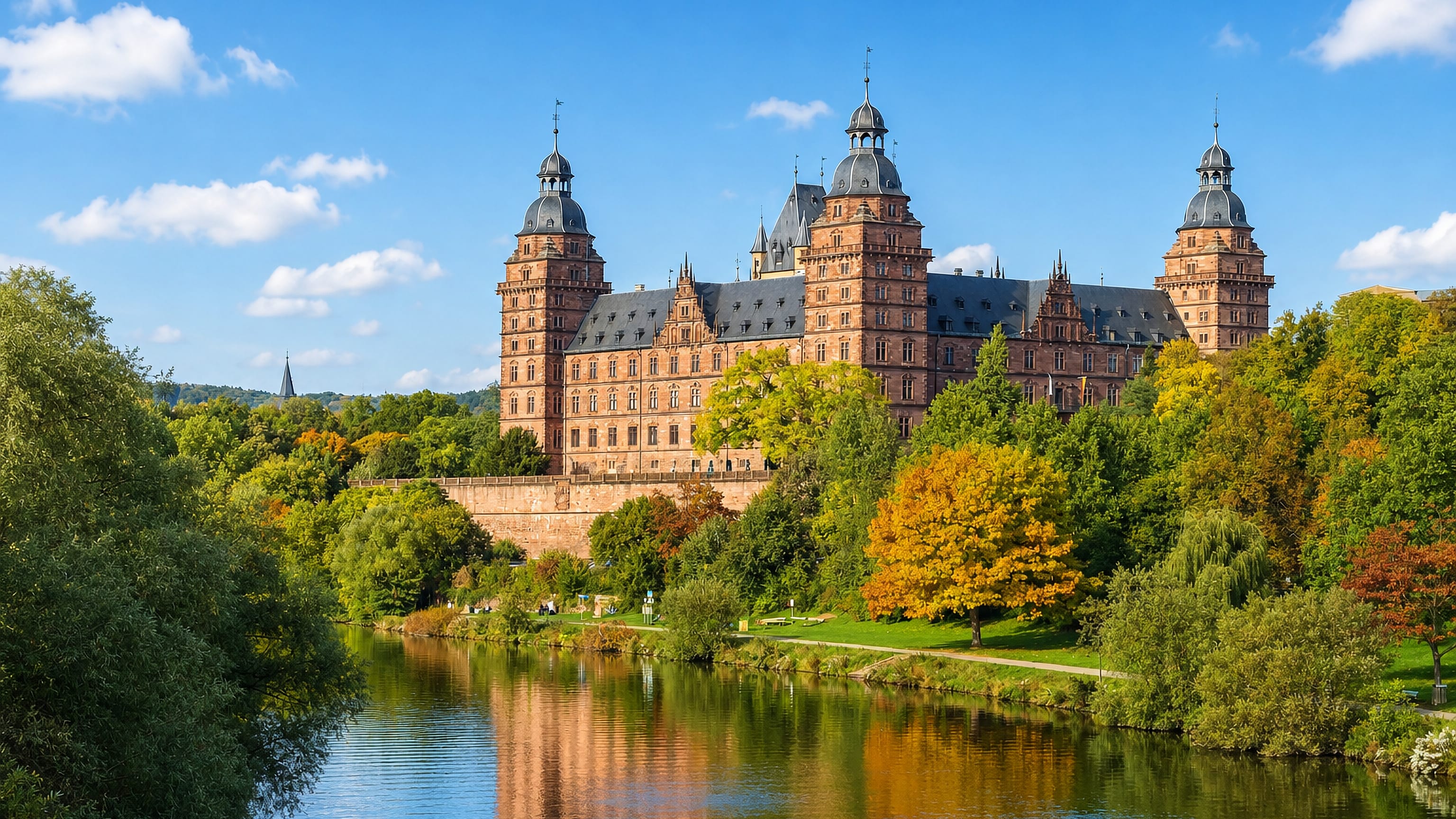
Aschaffenburg is the largest city of the Bavarian Lower Main region, a Lower Franconian town built around Schloss Johannisburg and its museums.
Hotel links are affiliate links: booking through them may earn us a commission, at no extra cost to you. It never affects how places are ranked. How this works


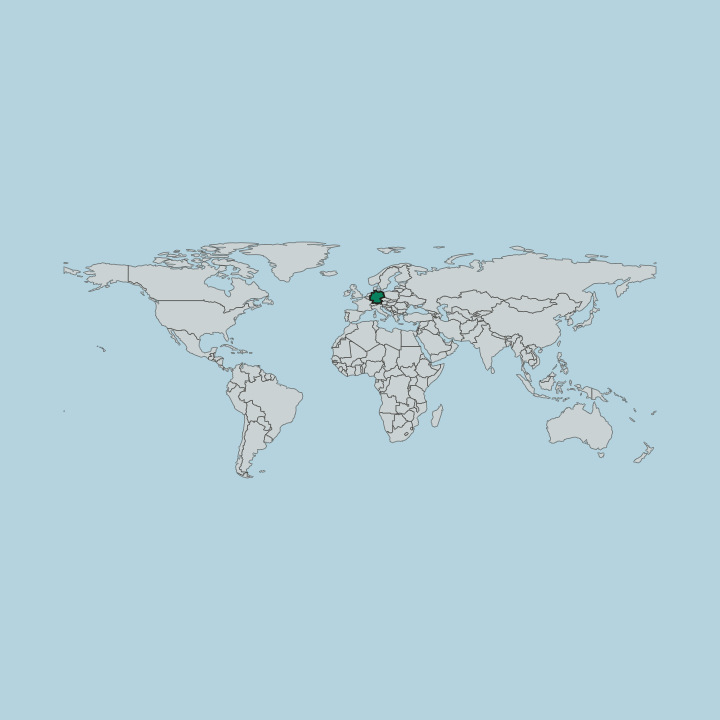
Where to stay in Aschaffenburg
Each area has its own feel; here's who each one suits.

 AschaffenburgGermanyQuiet nights within reach of the Spessart paths
Schweinheim
The Saint Matthew Church marks this outer quarter of Aschaffenburg. Lodging is scarce in this area; reserve in advance.Schweinheim → AschaffenburgGermany
Damm
Damm is a Stadtteil in the northeast of Aschaffenburg on the Aschaff, formed around 1150, whose tithe district passed to the St. Agatha parish about 1170.Where to stay → AschaffenburgGermany
Leider
Leider is a Stadtteil of Aschaffenburg on the left bank of the Main in the historic Bachgau, first named in a document of 1151 as Lyderen.Where to stay →Hotel links are affiliate links: booking through them may earn us a commission, at no extra cost to you. It never affects how places are ranked. How this works
Find hotels in Aschaffenburg
Direct booking searches for these neighbourhoods.
Below Schloss Johannisburg
The Pompejanum and the Basilica of Saints Peter and Alexander on one short circuitFind hotels in Below Schloss JohannisburgStays that want shops beside the Katharinenspital and the KapuzinerklosterThe everyday centre
The Herz-Jesu-Kirche and the Klosterkirche stand among the ordinary streetsFind hotels in The everyday centreHotel links are affiliate links: booking through them may earn us a commission, at no extra cost to you. It never affects how places are ranked. How this works
Things to do in Aschaffenburg
Ranked by global recognition; descriptions from Wikidata (CC0).
Museums & Galleries
3- museum Pompejanum Heritage
- Stiftsmuseum der Stadt Aschaffenburg Heritage
- Staatsgalerie Aschaffenburg
Churches & Religious Sites
8- Basilica of SS. Peter and Alexander Heritage
- Kapuzinerkloster Heritage
- Herz-Jesu-Kirche Heritage
- Klosterkirche Heritage
- Maria Geburt (Aschaffenburg) Heritage
Show 3 more →
- Christ Church (Aschaffenburg) Heritage
- Pfarrkirche Heritage
- Katharinenspital Heritage
Castles & Historic Sites
3- Schloss Johannisburg Heritage
- Burgstall Kugelburg Heritage
- Burgstall Ketzelburg
Landmarks & Notable Places
2- Mietwohnhaus Heritage
- Wächterhaus Heritage
worth knowingacross 4 categories in Aschaffenburg
About Aschaffenburg
The Schloss dominates.
What is Aschaffenburg known for?
Schloss Johannisburg carries both the Schlossmuseum Aschaffenburg and the Staatsgalerie Aschaffenburg, which puts a good part of the city's art collection inside one set of walls. The Pompejanum and the Stiftsmuseum der Stadt Aschaffenburg add two more collections. Aschaffenburg is the largest city of the Bavarian Lower Main region, and the Spessart begins beyond it.
What are the main landmarks in Aschaffenburg?
Schloss Johannisburg is the fixed point, with the Schlossmuseum Aschaffenburg and the Staatsgalerie Aschaffenburg inside it and the Pompejanum standing apart as a museum of its own. Aschaffenburg's churches take it from there. The Basilica of Saints Peter and Alexander, the Klosterkirche, and the Spitalkirche Sankt Katharina head a long list.
The Gentilhaus, the Stiftsmuseum der Stadt Aschaffenburg, and the Rosso Bianco cover the smaller collections. Two former castle sites, the Burgstall Ketzelburg and the Burgstall Kugelburg, survive from earlier defences, and Bunker 224 Aschaffenburg belongs to a much later one.
What is the history of Aschaffenburg?
Stone tells most of the story. The Basilica of Saints Peter and Alexander gave the town its collegiate foundation, and the Stiftsmuseum der Stadt Aschaffenburg carries that inheritance into a museum of its own. Religious houses followed: the Kapuzinerkloster, the Klosterkirche, and the Katharinenspital with its Spitalkirche Sankt Katharina.
The Aschaffenburg Commandry belonged to that same medieval order of foundations. Two castles are gone. Burgstall Ketzelburg and Burgstall Kugelburg mark where they once stood.
The Pfarrkirche keeps the plainest name of any of them. Schloss Johannisburg changed the scale of the place, and its rooms hold the Schlossmuseum Aschaffenburg and the Staatsgalerie Aschaffenburg between them, which is why a visit to the city usually starts there. The Pompejanum and the Gentilhaus are museums as well, so Aschaffenburg keeps its collections in more than one building.
Parish churches spread with the city: Christ Church, Maria Geburt, the Herz-Jesu-Kirche, Sankt Jakobus, Sankt Konrad, Sankt Lukas, Sankt Paulus, and the Saint Matthew Church out in Schweinheim. Bunker 224 Aschaffenburg belongs to the twentieth century. The city is the administrative seat of the district of Aschaffenburg without being part of it.
The Schloss still sets the skyline.
Where is Aschaffenburg?
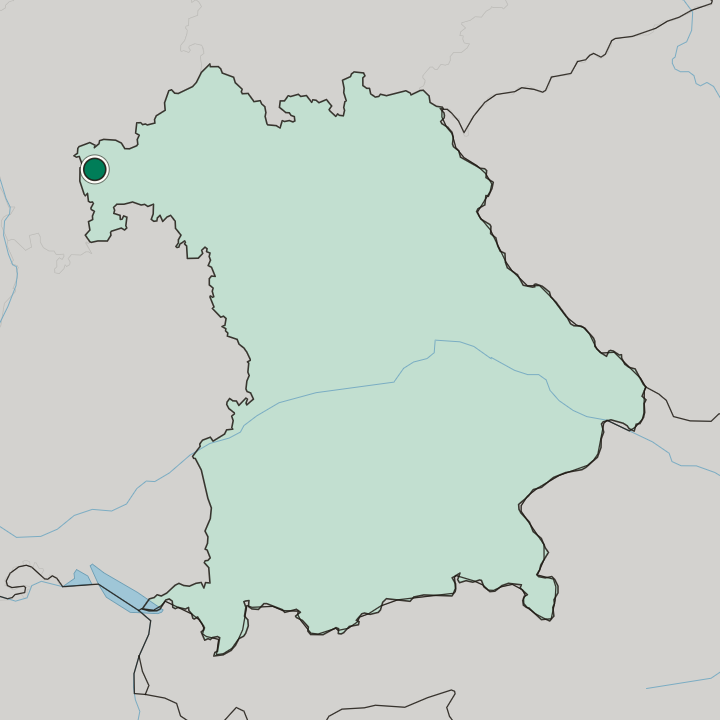
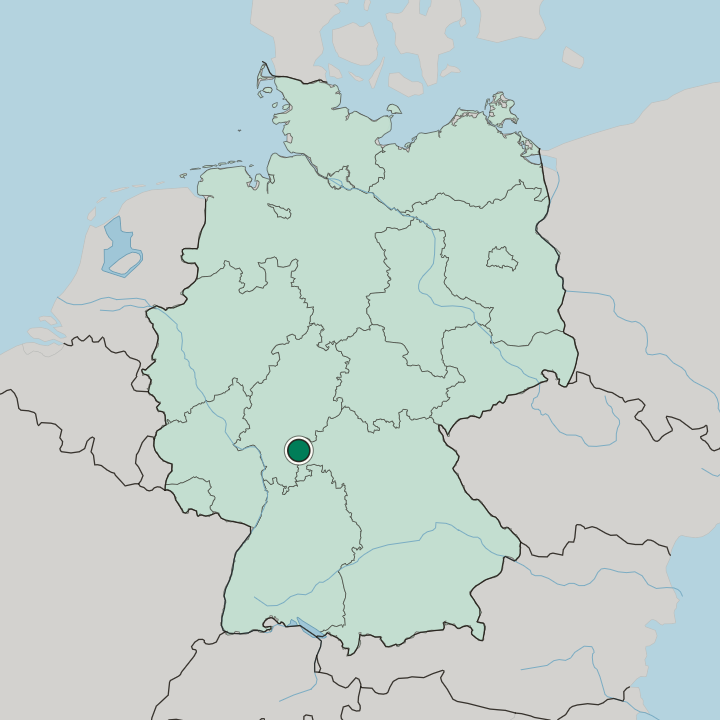
Aschaffenburg lies in Lower Franconia, within Bavaria, and stands as the largest city of the Bavarian Lower Main region, a name the Main itself supplies. The Spessart begins nearby. Schweinheim and the outer quarters carry the city out towards it.
The district of Aschaffenburg shares the name without including the city, which is a distinction that matters to administrators rather than to visitors.
What is the climate of Aschaffenburg?
Little here goes to extremes. The Spessart on one side and the Main valley on the other leave Aschaffenburg with a temperate year in which rain arrives in every season rather than in one. Cloud and rain do more work here than frost or heat, and the seasons turn without much drama in either direction.
How do you get to Aschaffenburg?
Most arrivals converge on the streets around Schloss Johannisburg, where the museums, the Basilica of Saints Peter and Alexander, and the shopping streets sit close enough that a car becomes a nuisance. Leave the car outside. Schweinheim and the outer quarters give easier parking.
Anyone continuing into the Spessart leaves from that edge of Aschaffenburg, and the district of Aschaffenburg beyond it is country rather than town.
Common questions
What is the best area to stay in Aschaffenburg?
Below Schloss Johannisburg: Guests here for the Staatsgalerie Aschaffenburg and the Schlossmuseum. Schweinheim: Quiet nights within reach of the Spessart paths. The everyday centre: Stays that want shops beside the Katharinenspital and the Kapuzinerkloster.
Good for
More cities in Bavaria
Updated October 2026