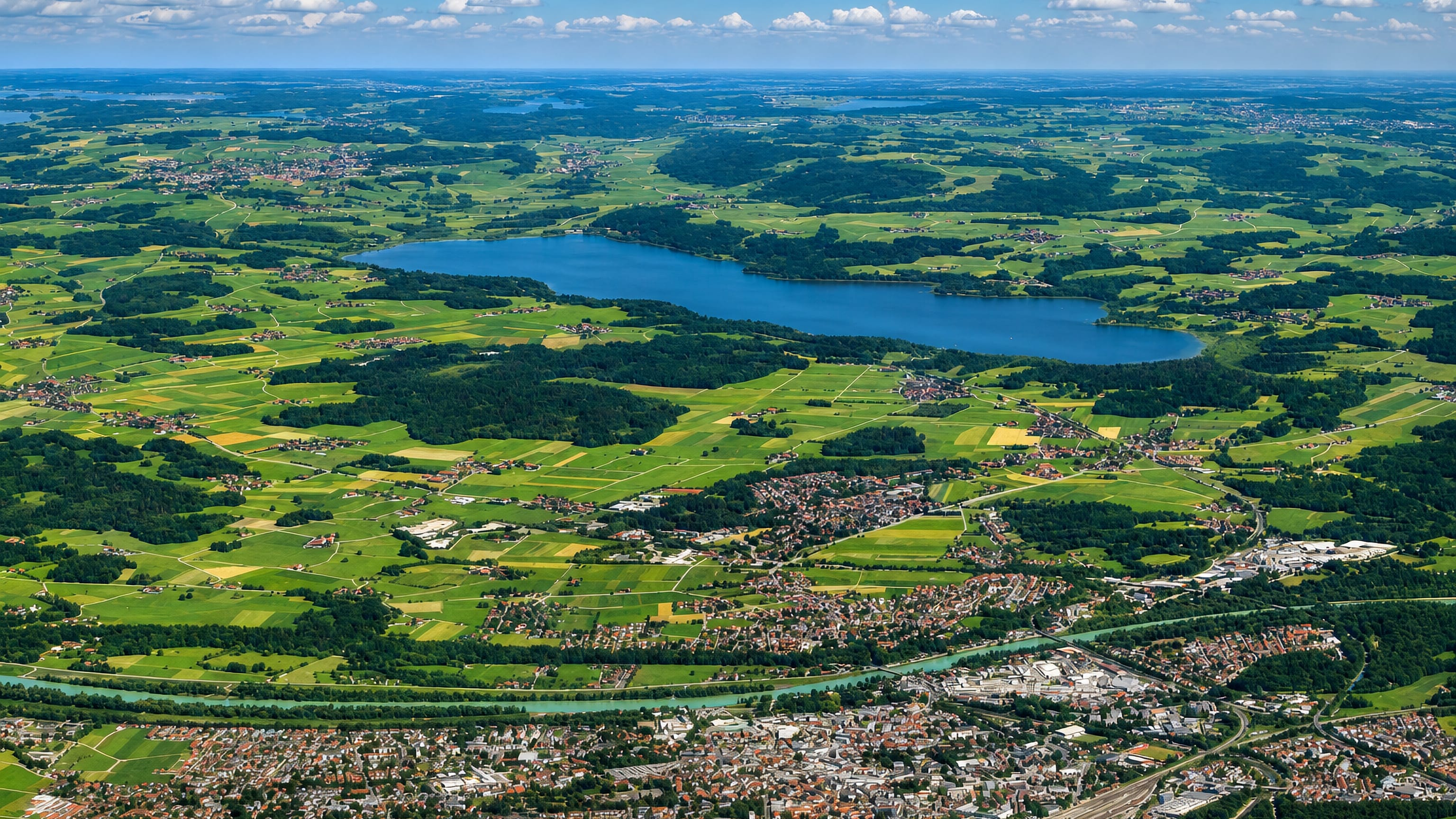
Germany · Bavaria
Where to Stay in Rosenheim, Bavaria
Rosenheim is a Bavarian city built around Ludwigsplatz and Max-Joseph-Platz, with Rosenheim Town Hall and Burg Rosenheim among its landmarks.
Hotel links are affiliate links: booking through them may earn us a commission, at no extra cost to you. It never affects how places are ranked. How this works


Where to stay in Rosenheim
Where visitors usually base themselves, and why.
Two squares set the choice in Rosenheim. Ludwigsplatz and Max-Joseph-Platz sit at the middle of the walkable town, with Rosenheim Town Hall, the Gillitzer-Block, and the Städtische Galerie Rosenheim inside a few minutes of each other, so a room on either square puts most of a day within reach on foot. You lose little by staying central.
Parish Church St. Nicholas is the marker to navigate by, and the Municipal Museum Rosenheim sits close enough that a wet afternoon needs no transport. Beds cluster here. Münchener Straße is the alternative.
The Auerbräu buildings and the Kellerhaus stand along that side, where the streets open out and parking stops being a problem, and the walk back to Max-Joseph-Platz stays short enough to do after dinner. The scale changes there. Out past the built-up streets, the Wallfahrtskirche Heilig Blut am Wasen and a surviving Bauernhaus mark quieter ground, which suits guests who would rather wake away from the squares than beside a delivery van on Ludwigsplatz.
The Wood Technology Museum, the Klepper Museum, and the Inn-Museum are spread widely enough that no single address wins on all three. Burg Rosenheim keeps the oldest reference point.
Find hotels in Rosenheim
Direct booking searches for these neighbourhoods.
Ludwigsplatz and Max-Joseph-Platz
Rosenheim Town Hall, the Gillitzer-Block, and the Städtische Galerie Rosenheim all stand within the reach of the two squaresFind hotels in Ludwigsplatz and Max-Joseph-PlatzDrivers who want the Auerbräu buildings and the Kellerhaus within walking reachThe Münchener Straße side
Münchener Straße carries the Auerbräu buildings and the Kellerhaus where the streets widen away from Parish Church St. NicholasFind hotels in The Münchener Straße sideQuiet nights at the edge where the Bauernhaus survivesOut by Heilig Blut am Wasen
The Wallfahrtskirche Heilig Blut am Wasen and a surviving Bauernhaus stand where the built-up streets of Rosenheim give out. Rooms are few around here — worth securing early.Find hotels in Out by Heilig Blut am WasenHotel links are affiliate links: booking through them may earn us a commission, at no extra cost to you. It never affects how places are ranked. How this works
Things to do in Rosenheim
Ranked by global recognition; descriptions from Wikidata (CC0).
Museums & Galleries
1- Inn-Museum
Churches & Religious Sites
7- Parish Church St. Nicholas, Rosenheim Heritage
- Wallfahrtskirche Heilig Blut am Wasen Heritage
- Zu den Sieben Zufluchten Heritage
- St. Quirin Heritage
- St. Sebastian Heritage
Show 2 more →
- Rosenkranzkönigin Heritage
- Erlöserkirche Heritage
Castles & Historic Sites
2- Burg Rosenheim Heritage
- An der Burgermühle Heritage
Landmarks & Notable Places
8- Rosenheim Town Hall Heritage
- Münchener Straße Auerbräu Rosenheim Heritage
- Gillitzer-Block Heritage
- Kellerhaus Heritage
- Max-Joseph-Platz 8a Heritage
Show 3 more →
- Wohnhaus Heritage
- Wohnteil des ehem. Bauernhauses Heritage
- Bauernhaus Heritage
worth knowingacross 4 categories in Rosenheim
About Rosenheim
Museums do a lot of the work here.
What is Rosenheim known for?
The Inn-Museum, the Klepper Museum, and the Wood Technology Museum each take a narrow subject, while the Municipal Museum Rosenheim and the Städtische Galerie Rosenheim cover the broader ground between them. Churches hold the rest. Parish Church St. Nicholas anchors the centre, and the Wallfahrtskirche Heilig Blut am Wasen draws a different kind of visit from the edge of the built-up streets.
What are the main landmarks in Rosenheim?
Rosenheim Town Hall sits among the squares, with the Gillitzer-Block and the Kellerhaus as the better-known street architecture. Towers mark the churches, and the parish keeps Parish Church St. Nicholas at the centre while the Erlöserkirche holds a corner of its own. Burg Rosenheim carries the oldest name.
St. Sebastian and the chapel Zu den Sieben Zufluchten belong to the smaller dedications, and the Wallfahrtskirche Heilig Blut am Wasen stands well apart from the streets. St. Quirin keeps a further one. Collections fill the list: the Städtische Galerie Rosenheim, the Inn-Museum, the Klepper Museum, and the Wood Technology Museum.
What is the history of Rosenheim?
The castle names the town. Burg Rosenheim stands behind a settlement that grew around its squares, and Ludwigsplatz and Max-Joseph-Platz still carry the frontages that trade paid for. An der Burgermühle records a mill.
Parish Church St. Nicholas served the parish, while St. Sebastian, St. Quirin, and the chapel Zu den Sieben Zufluchten mark smaller foundations that grew up beside it. The Erlöserkirche joins them. Pilgrims walked out to the Wallfahrtskirche Heilig Blut am Wasen, which stands beyond the built-up streets rather than inside them.
Rail and trade left their own marks. A former Bahnwärterhaus survives from the railway that reached the town, the Auerbräu buildings on Münchener Straße stand for its brewing trade, and the Kellerhaus keeps a cellar-built form of the same period. The Gillitzer-Block belongs to that expansion.
Wood has a building of its own here, and the Wood Technology Museum takes that subject while the Klepper Museum keeps a narrower one and the Inn-Museum holds a collection apart from both. Collections carry the telling. Municipal Museum Rosenheim and the Städtische Galerie Rosenheim divide the town's own past from its art, and the Rosenkranzkönigin, a surviving Bauernhaus, and a protected Wohnhaus remain as older fabric among newer building.
Bavaria frames all of it.
Where is Rosenheim?
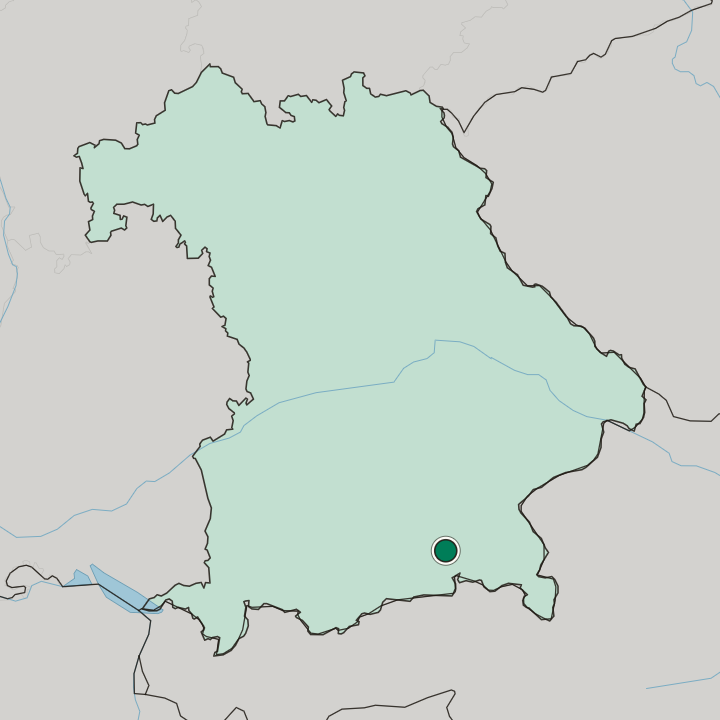
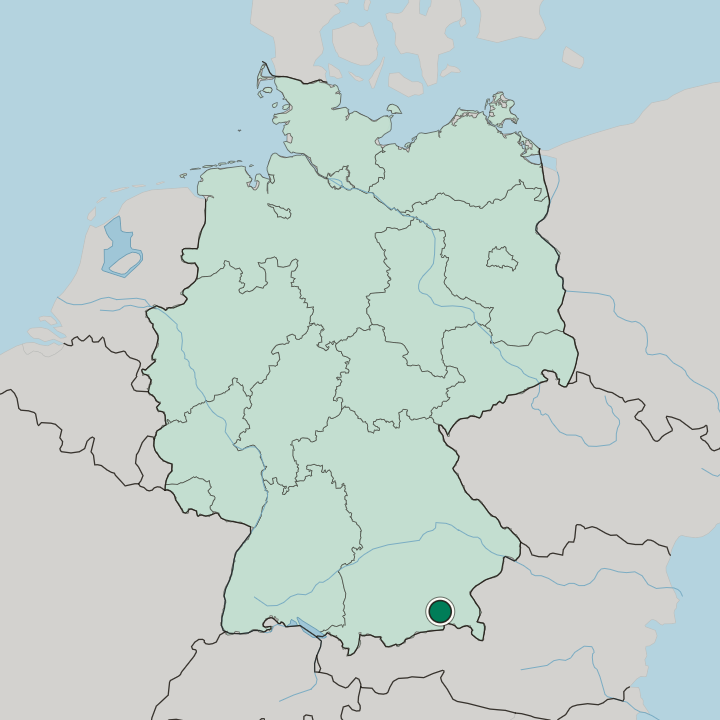
Rosenheim keeps to a small footprint. Streets run out from Ludwigsplatz and Max-Joseph-Platz to Münchener Straße and the housing beyond it, where the Wallfahrtskirche Heilig Blut am Wasen and a surviving Bauernhaus mark the point at which the town gives out. Bavaria surrounds it.
The ground lies in the temperate band, and older water-driven work survives in the name An der Burgermühle and in the cellar form of the Kellerhaus.
What is the climate of Rosenheim?
Winters bite here. The temperate band gives Rosenheim four clear seasons, with grey and cold stretches that keep people moving between Ludwigsplatz and Max-Joseph-Platz rather than lingering on the open paving. Summer opens the squares again.
Rain spreads across the year, and the walk out to the Wallfahrtskirche Heilig Blut am Wasen is a different proposition in January than at midsummer.
How do you get to Rosenheim?
The railway is the old arrival. A former Bahnwärterhaus survives from it, and Münchener Straße is the road that carries most driving traffic toward the middle of the town. From either, the walk is short.
Ludwigsplatz and Max-Joseph-Platz sit close enough to Rosenheim Town Hall, the Städtische Galerie Rosenheim, and Parish Church St. Nicholas that arriving without a car costs nothing in convenience. Heilig Blut am Wasen needs the longer walk.
Common questions
What is the best area to stay in Rosenheim?
Ludwigsplatz and Max-Joseph-Platz: Guests wanting Rosenheim Town Hall and the Gillitzer-Block on the doorstep. The Münchener Straße side: Drivers who want the Auerbräu buildings and the Kellerhaus within walking reach. Out by Heilig Blut am Wasen: Quiet nights at the edge where the Bauernhaus survives.
Good for
More cities in Bavaria
Updated October 2026