Germany · Bavaria
Where to Stay in Munich, Bavaria
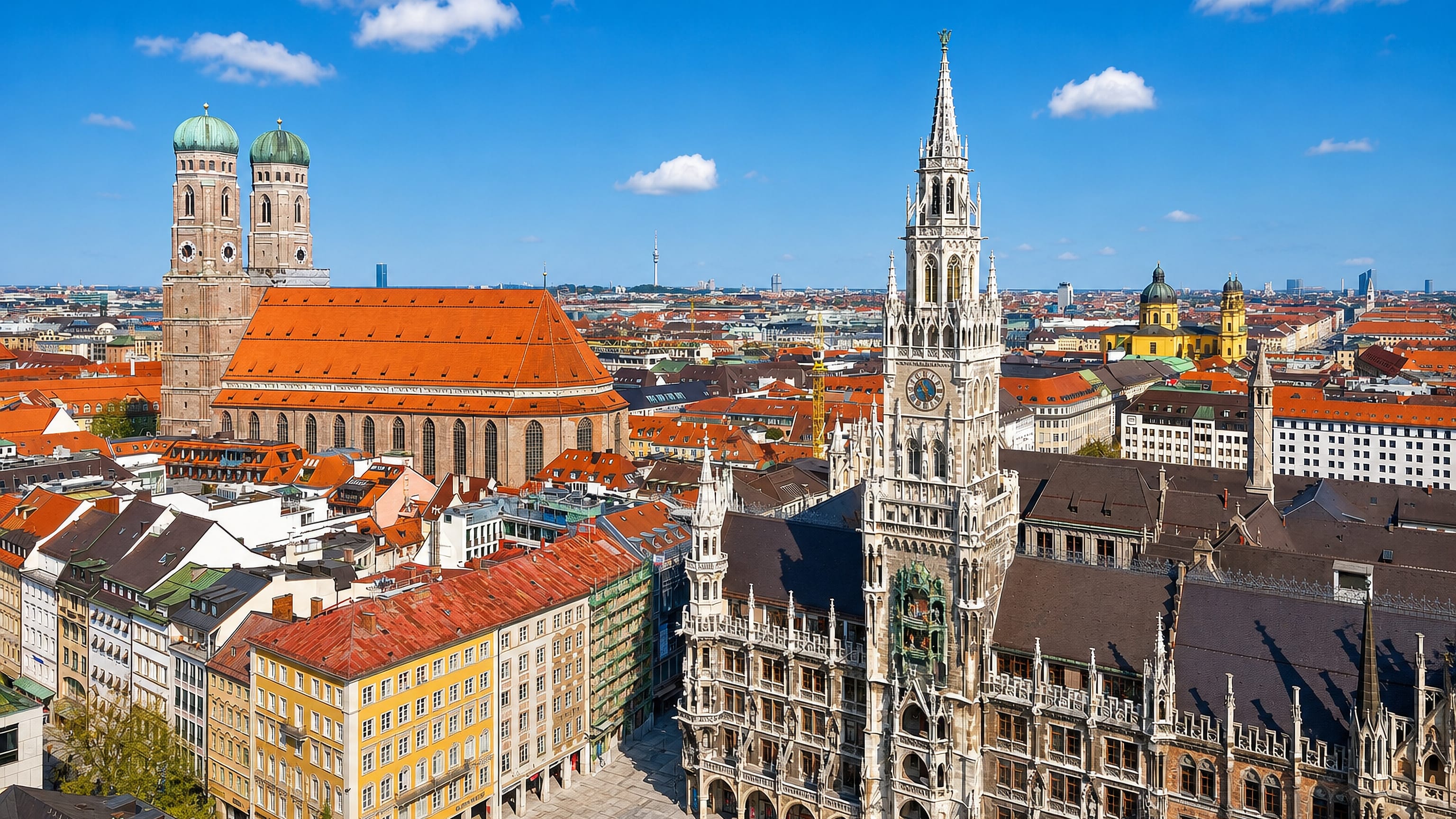
The Isar cuts through Munich, the capital of Bavaria, a city north of the Alps founded in 1158 and known for the Alte Pinakothek.
Hotel links are affiliate links: booking through them may earn us a commission, at no extra cost to you. It never affects how places are ranked. How this works


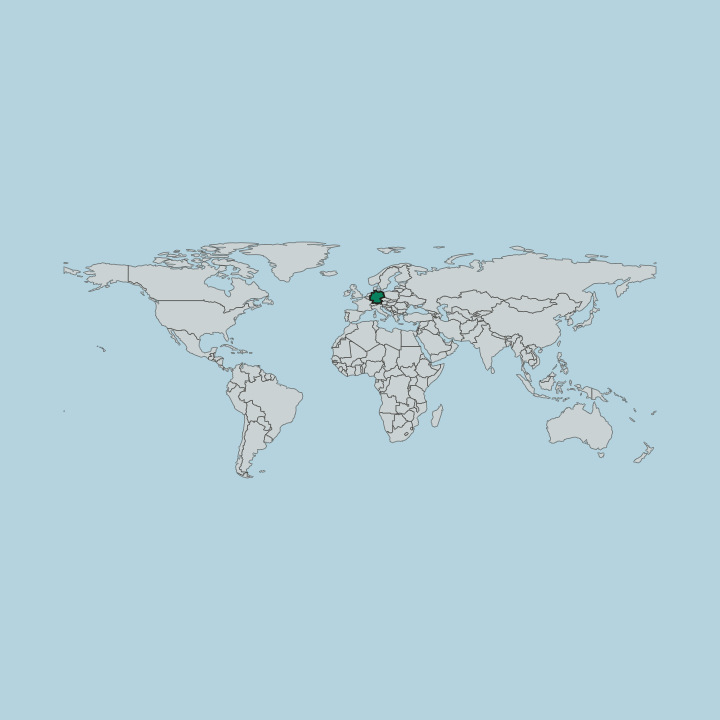
Where to stay in Munich
Where you base yourself shapes the visit — here's the character of each area.
 Germany
Kirchheim bei München
Kirchheim bei München stayed a separate municipality in the district of Munich, east of the centre rather than inside it.Kirchheim bei München →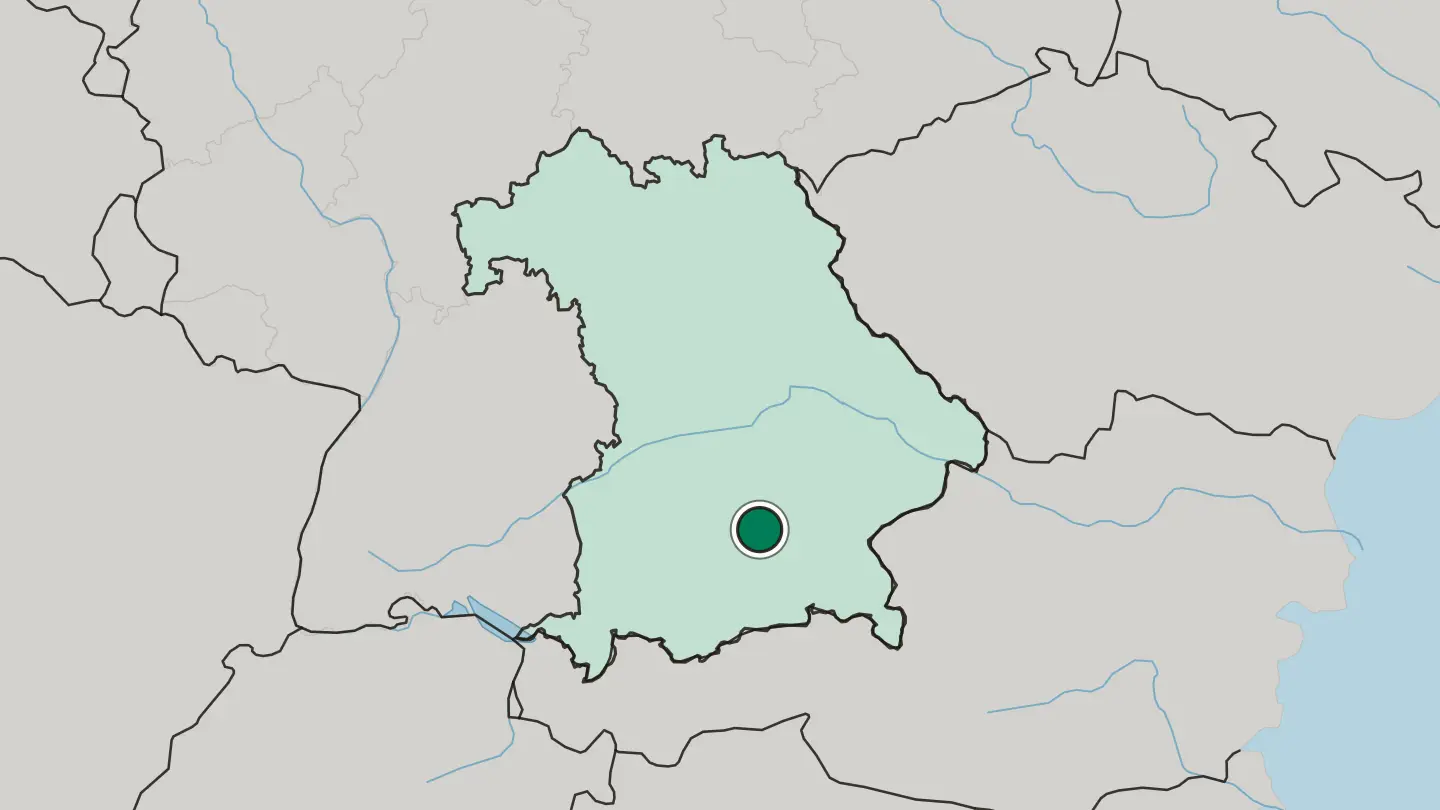
Hotel links are affiliate links: booking through them may earn us a commission, at no extra cost to you. It never affects how places are ranked. How this works
 MunichGermanyResidential streets away from the museum doors
Bogenhausen
Bogenhausen is a Munich district of apartment blocks and villas, with the churches of St. Georg and Heilig Blut among its older buildings.Bogenhausen → MunichGermanyAn outer base whose settlement predates the city
Pasing
Pasing was recorded in 763 and now sits inside the borough of Pasing-Obermenzing, an old village absorbed by Munich.Pasing →Hotel links are affiliate links: booking through them may earn us a commission, at no extra cost to you. It never affects how places are ranked. How this works
Find hotels in Munich
Direct booking searches for these neighbourhoods.
Around the Alte Pinakothek
The Alte Pinakothek and the Neue Pinakothek hold Munich's older painting, and the Pinakothek der Moderne and the Museum Brandhorst carry the work that came after.Find hotels in Around the Alte PinakothekEngineering and science days rather than gallery daysBy the Deutsches Museum
The Deutsches Museum covers engineering and science at a scale that fills a day on its own, which makes a different stay from the painting museums.Find hotels in By the Deutsches MuseumSlow walking between the Asam Church and the Heilig-Geist-KircheAmong the old churches
The Asam Church, the Bürgersaalkirche, the Heilig-Geist-Kirche and the Church of Saint Salvator are the older built layer of Munich.Find hotels in Among the old churchesHotel links are affiliate links: booking through them may earn us a commission, at no extra cost to you. It never affects how places are ranked. How this works
Things to do in Munich
Ranked by global recognition; descriptions from Wikidata (CC0).
Museums & Galleries
7- Alte Pinakothek Heritage
- Glyptothek Heritage
- Haus der Kunst Heritage
- Neue Pinakothek Heritage
- Pinakothek der Moderne Heritage
Show 2 more →
- Lenbachhaus Heritage
- Villa Stuck Heritage
Churches & Religious Sites
8- St. Michael's Church, Munich Heritage
- Asam Church Heritage
- Heilig-Geist-Kirche Heritage
- St. Lukas Heritage
- Bürgersaalkirche Heritage
Show 3 more →
- Church of Saint Salvator Heritage
- Trinity Church Heritage
- St. Georg (Bogenhausen) Heritage
Castles & Historic Sites
2- Angel of Peace Heritage
- Mariensäule Heritage
worth knowingacross 3 categories in Munich
About Munich
Munich is known for its museums.
What is Munich known for?
The Alte Pinakothek and the Neue Pinakothek hold the older painting, the Pinakothek der Moderne and the Museum Brandhorst the work that followed, and the Glyptothek and the Staatliche Antikensammlungen the antiquities. The Deutsches Museum turns to science and engineering instead. Beyond the galleries, Munich is the second city of the Bavarian dialect area after Vienna, and the seat of the Upper Bavarian administrative region.
What are the main landmarks in Munich?
Munich's landmarks are built, not natural. The Asam Church, the Bürgersaalkirche and the Heilig-Geist-Kirche carry the older church architecture, and the Angel of Peace is a monument rather than a museum. Haus der Kunst and the Lenbachhaus put art inside buildings that are part of the exhibit, and Villa Stuck does the same at the scale of a house.
The NS-Dokumentationszentrum and the Jewish Museum Munich hold the record of the twentieth century. The Bavarian National Museum keeps the state collection.
What is the history of Munich?
Munich was founded in 1158. The oldest surviving fabric of the city is religious: the Church of Saint Salvator, the Heilig-Geist-Kirche, the Bürgersaalkirche and the Asam Church were each raised for a congregation rather than a visitor, and each still stands in a working street. Pasing is older still.
Recorded in 763, it kept its own village life for four centuries before the city existed at all, and only later became part of the borough of Pasing-Obermenzing. Bavaria then made Munich a collecting capital, and the institutions carry the state's name: the Bavarian State Painting Collections, the Bavarian National Museum, the Glyptothek and the Staatliche Antikensammlungen. The Alte Pinakothek and the Neue Pinakothek came out of the same appetite for pictures.
The twentieth century left a harder record. Haus der Kunst, the NS-Dokumentationszentrum and the Jewish Museum Munich each hold part of it in a different register, while the Angel of Peace stands apart as a monument to peace. Not every neighbour joined.
Kirchheim bei München remains a municipality in the district of Munich, and Munich itself remains the seat of the Upper Bavarian administrative region.
Where is Munich?
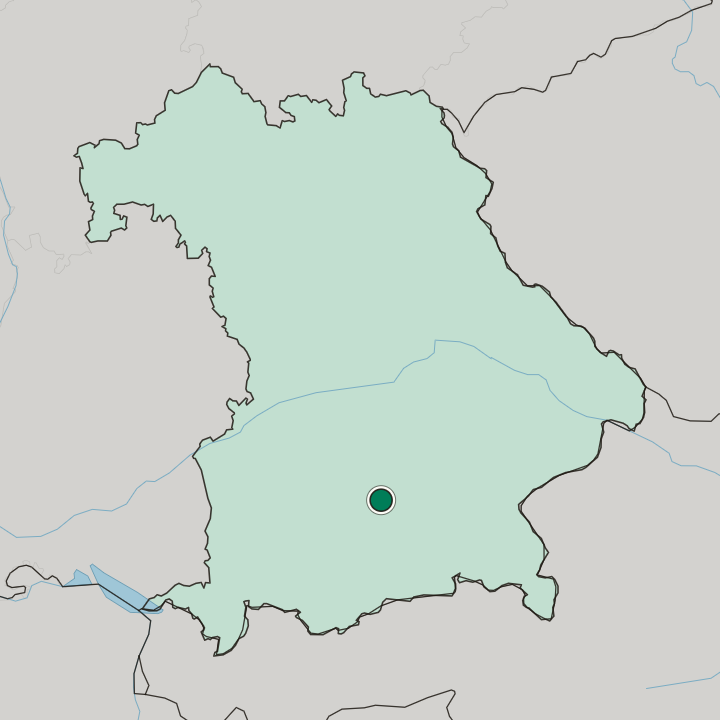
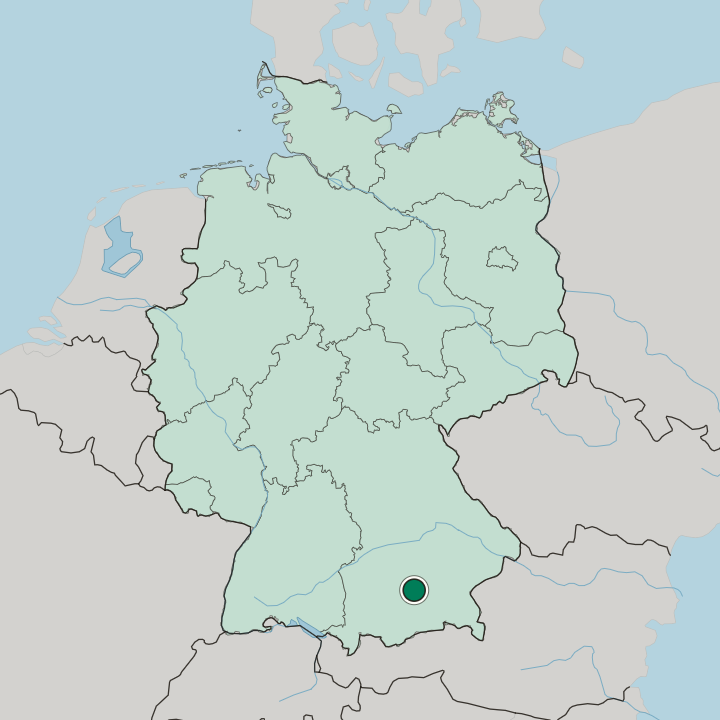
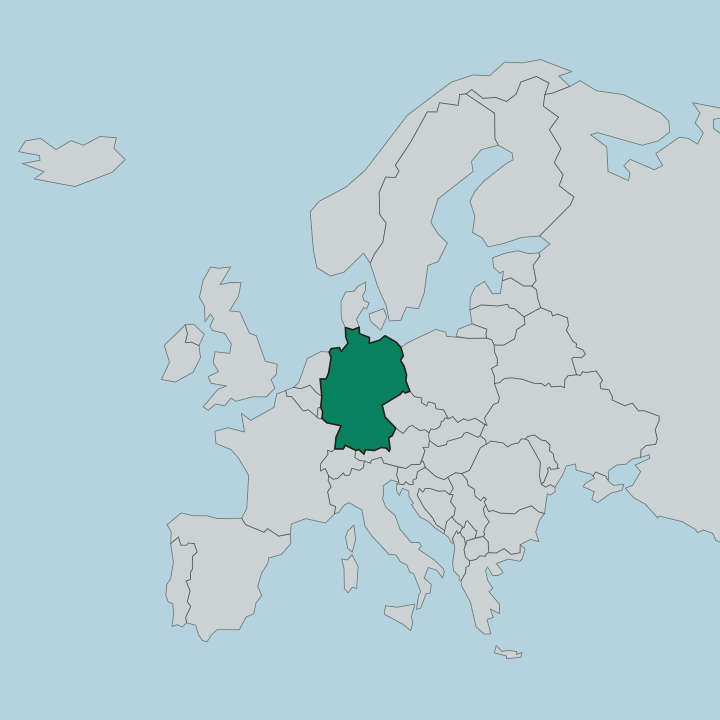
Munich stands on the Isar. The city lies in the south of Germany with the Alps close behind it, and that one fact shapes both the weather arriving over it and the routes in and out. Bavaria has its capital here, and the Upper Bavarian administrative region its seat.
The metropolitan region reaches Augsburg and Ingolstadt.
What is the climate of Munich?
Temperate northern-hemisphere weather sets the baseline for Munich. The Alps stand a short way south, and that wall of mountains, rather than any sea, is what governs the air arriving over Bavaria. Four marked seasons follow.
Winter snow is ordinary here rather than an event, and the summers stay short of anything Mediterranean.
How do you get to Munich?
Munich lies in the south of Germany, north of the Alps. Every land approach therefore crosses Bavaria, and the mountain wall to the south means the open routes are the ones running north, east and west across the state. The Isar marks the middle.
Anyone travelling on east crosses the Bavarian dialect area toward Vienna.
Common questions
What is the best area to stay in Munich?
Around the Alte Pinakothek: Painting-first stays at the Alte Pinakothek and the Neue Pinakothek. By the Deutsches Museum: Engineering and science days rather than gallery days. Among the old churches: Slow walking between the Asam Church and the Heilig-Geist-Kirche. Bogenhausen: Residential streets away from the museum doors. Pasing: An outer base whose settlement predates the city. Kirchheim bei München: Beds outside Munich for anyone arriving by car.
Good for
More cities in Bavaria
Updated October 2026