Germany · Bavaria
Where to Stay in Nuremberg, Bavaria
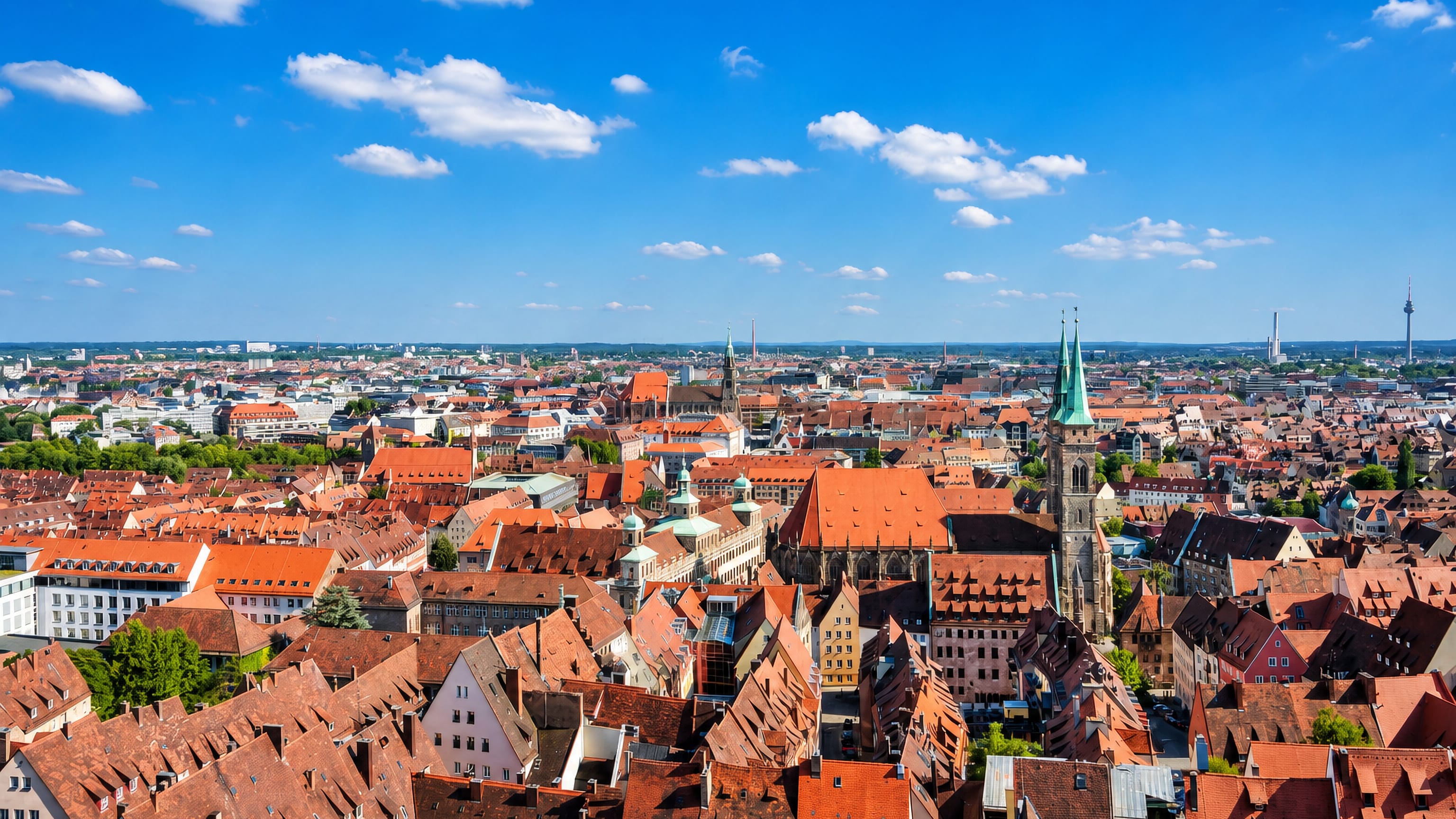
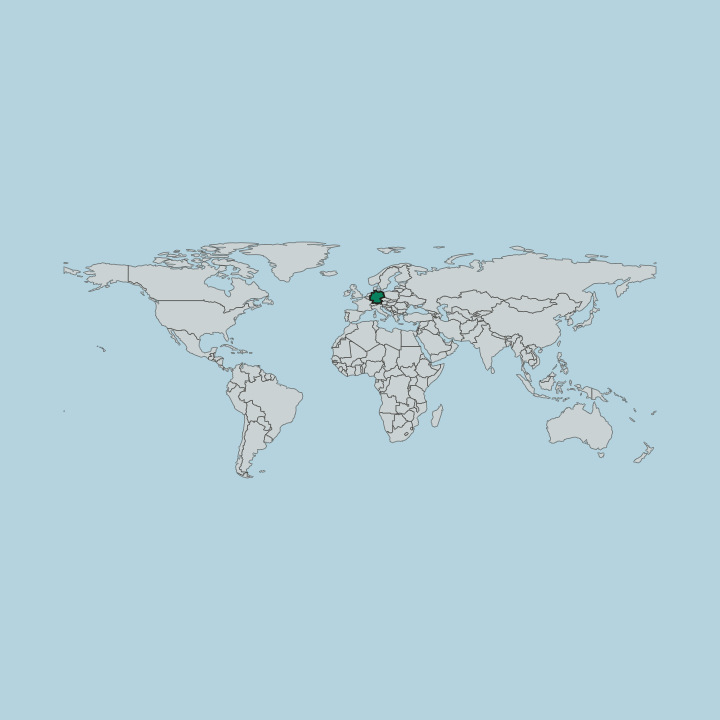
Walls and towers still ring the old town of Nuremberg, the largest city in Franconia, on the Pegnitz in Bavaria and known for Nuremberg Castle.
Hotel links are affiliate links: booking through them may earn us a commission, at no extra cost to you. It never affects how places are ranked. How this works


Where to stay in Nuremberg
Each area has its own feel; here's who each one suits.

 NurembergGermany
Wöhrd
Wöhrd is a Nuremberg district with its edge on the Wöhrder See, its register led by St. Bartholomäus and the Red Cross Museum Nuremberg.Where to stay → NurembergGermany
Großreuth hinter der Veste
Großreuth hinter der Veste is a district in the north of Nuremberg, an old farming village whose sandstone houses still line the Großreuther Straße.Where to stay → NurembergGermany
Kleinreuth hinter der Veste
Kleinreuth hinter der Veste is a statistical district of Nuremberg, cleared by the royal court in the 11th or 12th century, first recorded in 1335 as Rewt.Where to stay →NurembergGermanyWeigelshof
Weigelshof is a Stadtteil in the northeast of Nuremberg, in the statistical district 90 St. Jobst. Weigels Hoff appears in 1388.Where to stay →NurembergGermanyHerrnhütte
Herrnhütte grew from a brick kiln Nuremberg's councillors put up in 1554, south of the Ziegelstein works the Second Margrave War had destroyed.Where to stay →NurembergGermanyLoher Moos
The Merks Motor Museum sits inside Loher Moos, a Nuremberg district that also keeps the Gnadenkirche and the Volksschule im Loher Moos.Where to stay →NurembergGermanyLohe
Lohe is a Nuremberg district of about three-quarters of a square kilometre, holding an Evangelisch-lutherische Kirche and Kriegerlindenstraße 1.Where to stay → NurembergGermany
Ziegelstein
Ziegelstein is a Stadtteil northeast of the Nuremberg centre, first written down in 1370 as Zygelstein, named for the town brickworks it grew beside.Where to stay →NurembergGermanyKleinreuth bei Schweinau
Kleinreuth bei Schweinau is a Nuremberg district of listed Wohnstallhaus farm buildings, with a radio transmitter that carries its name.Where to stay → NurembergGermany
Buchenbühl
Buchenbühl is a Nuremberg Stadtteil built from 1919 by discharged soldiers in the Sebalder Reichswald, below the hill that gives it its name.Where to stay →NurembergGermanyZerzabelshof
Zerzabelshof takes in the Schmausenbuck quarries and the burial mounds of the Zerzabelshofer Forst, six and a half square kilometres of Nuremberg.Where to stay →NurembergGermanyLangwasser
Langwasser is a 1960s satellite town on the southeast side of Nuremberg, a planned Stadtteil named for the stream along its eastern edge.Where to stay →NurembergGermanyErlenstegen
Erlenstegen spreads across nearly twelve square kilometres of Nuremberg, most of it the woodland recorded as the Erlenstegener Forst.Where to stay →NurembergGermanyMoorenbrunn
Moorenbrunn is a quarter of Nuremberg of about one and a half square kilometres, with Mutter vom Guten Rat among its listed buildings.Where to stay →Hotel links are affiliate links: booking through them may earn us a commission, at no extra cost to you. It never affects how places are ranked. How this works
Find hotels in Nuremberg
Direct booking searches for these neighbourhoods.
Nuremberg Castle
The high end of the walled town, entered through the Tiergärtnertor and emptied out by eveningFind hotels in Nuremberg CastleShops at the door and a short walk to everything else inside the wallSt. Lawrence
The busier half of the old town, gathered around one of Nuremberg's two great parish churchesFind hotels in St. LawrenceSplitting the difference between the two halves of the walled townPegnitz
The riverbanks that cross the old town, minutes from both the castle end and the shopping endFind hotels in PegnitzMuseum days, with the Neues Museum Nürnberg on the same short walkGermanisches Nationalmuseum
The museum end of the walled town, residential enough that the streets go quiet earlyFind hotels in Germanisches NationalmuseumHotel links are affiliate links: booking through them may earn us a commission, at no extra cost to you. It never affects how places are ranked. How this works
Things to do in Nuremberg
Ranked by global recognition; descriptions from Wikidata (CC0).
Museums & Galleries
3- Albrecht Dürer's House Heritage
- Germanisches Nationalmuseum
- Neues Museum Nürnberg
Churches & Religious Sites
8- St. Lawrence Heritage
- St. Sebaldus Heritage
- Frauenkirche Heritage
- Katharinenkirche, Nuremberg Heritage
- St. Elizabeth Heritage
Show 3 more →
- St. Egidien Heritage
- St. Martha Heritage
- Klarakirche (Nuremberg) Heritage
Castles & Historic Sites
4- Nuremberg Castle Heritage
- Hans-Sachs-Denkmal (Nürnberg) Heritage
- Cultural heritage D-5-6532-0288 in Nürnberg Heritage
- Cultural heritage D-5-6532-0009 in Nürnberg Heritage
Nature & Outdoors
1- Cultural heritage D-5-6633-0068 in Nürnberg Heritage
Landmarks & Notable Places
8- Nassauer Haus Heritage
- Weißer Turm Heritage
- Henkerturm Heritage
- Terrasse der Gaststätte Zollhauspark Heritage
- Sonnenwohnheim (Nuremberg-Thon) Heritage
Show 3 more →
- Schwedenhaus Heritage
- Altenfurt.Oelser.Str.Kleinhaus Heritage
- Altenfurt.Oelser.Str.Forsthaus (Nuremberg) Heritage
worth knowingacross 5 categories in Nuremberg
About Nuremberg
What is Nuremberg known for?
Nuremberg is the largest city in Franconia and the second largest in Bavaria, and its old town still sits inside its walls. Nuremberg Castle holds the high ground. Albrecht Dürer's House carries the name of the painter who took the city's reputation abroad, the Germanisches Nationalmuseum gathered German art and craft into one collection, and the Nuremberg Toy Museum keeps the trade the place was known for long before either of them.
The Documentation Center Nazi Party Rally Grounds deals with the other reason the name travelled.
What are the main landmarks in Nuremberg?
Nuremberg's landmarks are mostly still standing where they were first put. Nuremberg Castle sits above the roofs. The Tiergärtnertor opens the wall, and the Weißer Turm, the Henkerturm and the Schuldturm are three more of the towers that wall still carries.
St. Sebaldus and St. Lawrence divide the old town between them. Albrecht Dürer's House, the Nassauer Haus and the Hans-Sachs-Denkmal hold three Nuremberg names in stone, while the Frauenkirche faces the market square and St. Egidien keeps its own quarter.
What is the history of Nuremberg?
Nuremberg grew under a castle and behind a wall, and it kept both. Nuremberg Castle held the high rock, and the town below it became the making and trading place of Franconia. The wall came next.
Gates and towers went up along it, the Tiergärtnertor among them, and the Weißer Turm, the Henkerturm and the Schuldturm still mark the line it took. Craft made the money. Albrecht Dürer's House carries the name of a painter who worked inside these walls, the Hans-Sachs-Denkmal carries a poet's, and the toy trade recorded in the Nuremberg Toy Museum outlasted them both.
The Nuremberg Charterhouse marks the monastic side of the same centuries, and the Katharinenkirche marks another. Then the twentieth century took the city for its own purposes. The Nazi party held its rallies on open ground beyond the old town, and the Documentation Center Nazi Party Rally Grounds now stands there and explains what was done on it.
The Synagogue monument Nuremberg marks what was destroyed. War came close enough that the art was moved underground into the Historischer Kunstbunker, and a great deal of what stands inside the wall was put back afterwards. The Nuremberg Transport Museum keeps the rail half of the record.
Where is Nuremberg?
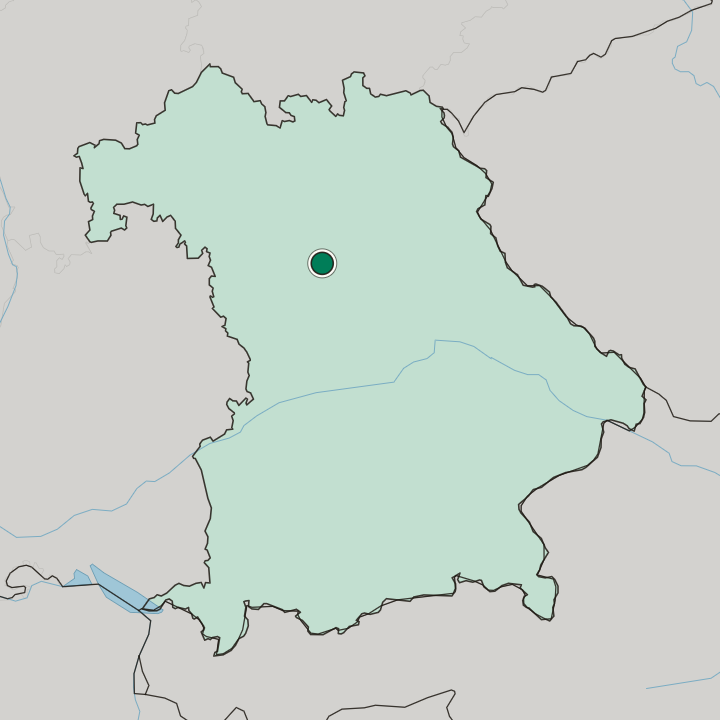
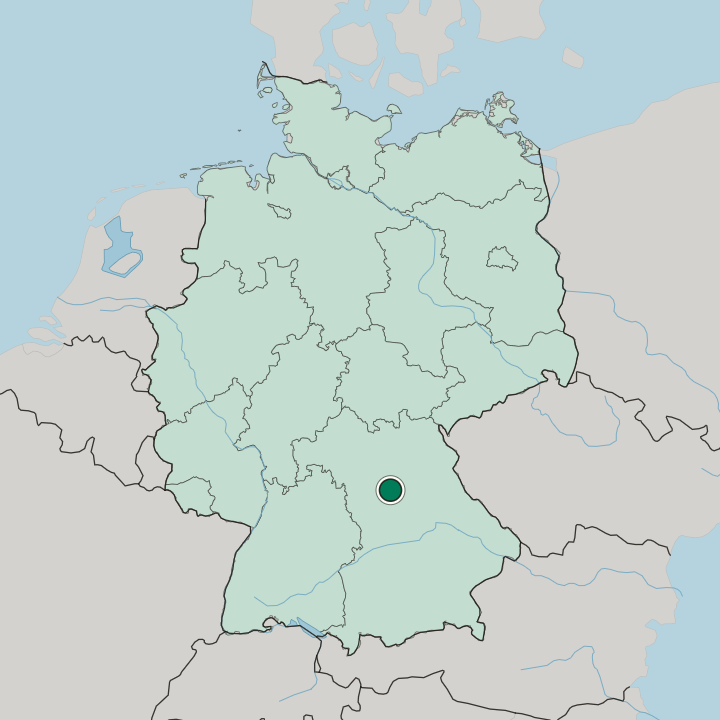
Nuremberg stands on the Pegnitz in Bavaria, at the middle of Franconia rather than at its edge. The river crosses the old town. The Main-Danube Canal passes the city as well, tying together the two river systems it is named for and putting Nuremberg on a through route that has nothing to do with the Pegnitz.
Fürth, Erlangen and Schwabach have grown into one built-up area with it. The Nuremberg Metropolitan Region reaches further still, out as far as Bamberg.
What is the climate of Nuremberg?
Nuremberg sits inland in the temperate band, with no sea near enough to soften it and the whole of Franconia around it. The seasons arrive properly here. Summer heat settles into the Pegnitz valley and stays there, winter is cold in the way an inland winter is cold, and the months on either side of those two are the ones that suit a day spent walking the wall.
How do you get to Nuremberg?
Nuremberg is a junction before it is a destination. The Nuremberg Metropolitan Region pulls rail and road in from Bamberg, Ansbach and the rest of Franconia, and the Main-Danube Canal takes the freight that travels by neither. Fürth is next door.
The built-up area carries on into Erlangen and Schwabach without a real break, so a bed in any of them is still a short ride from the wall, and the Nuremberg Transport Museum keeps the record of the rail side of it.
Common questions
What is the best area to stay in Nuremberg?
Nuremberg Castle: The upper old town, quiet once the day visitors have left the castle. St. Lawrence: Shops at the door and a short walk to everything else inside the wall. Pegnitz: Splitting the difference between the two halves of the walled town. Germanisches Nationalmuseum: Museum days, with the Neues Museum Nürnberg on the same short walk.
Good for
More cities in Bavaria
Updated October 2026