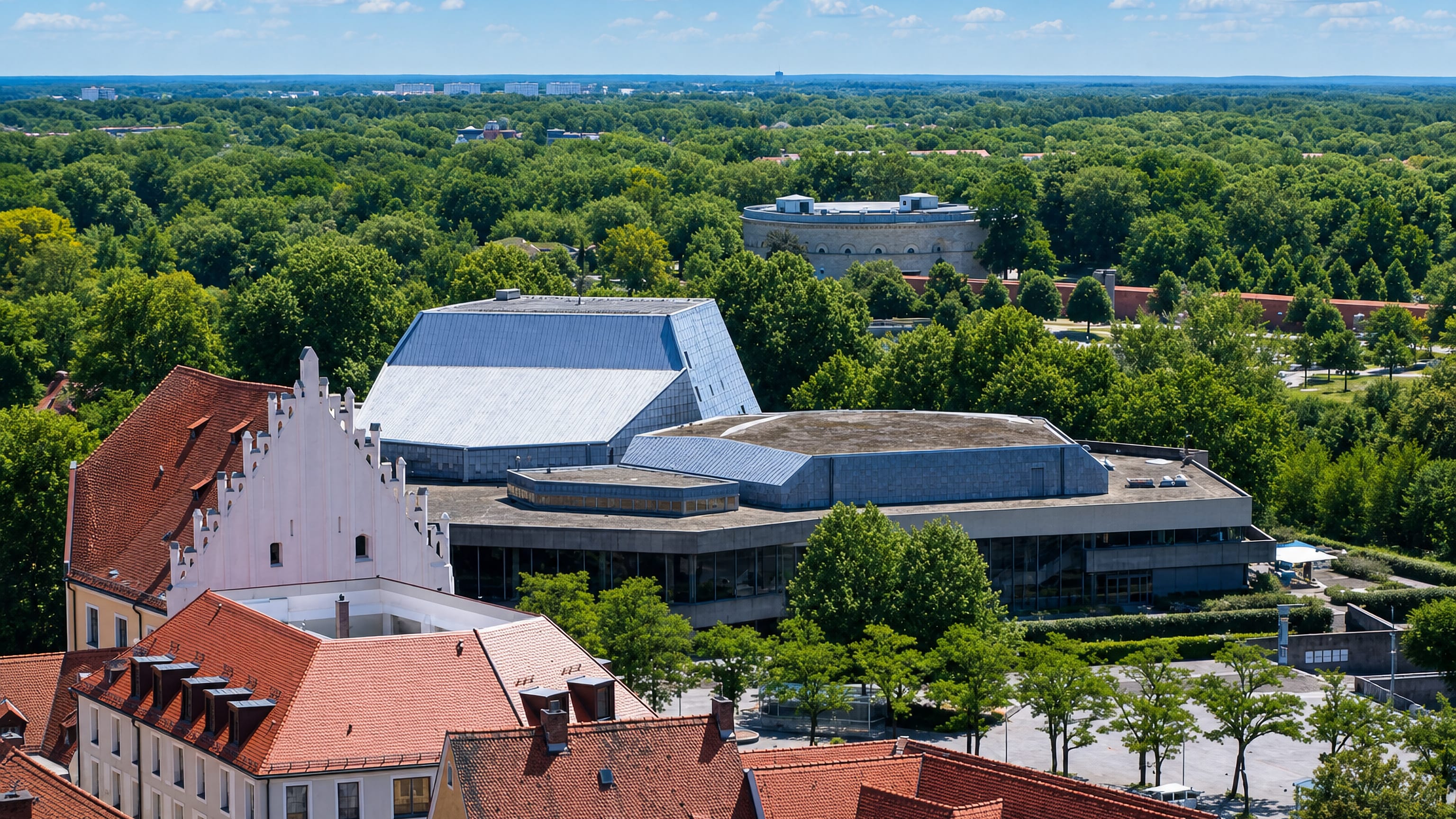
Germany · Bavaria
Where to Stay in Ingolstadt, Bavaria
Ingolstadt is a walled city on the Danube in Upper Bavaria, where the Reinheitsgebot was proclaimed in 1516 and where Audi builds its cars.
Hotel links are affiliate links: booking through them may earn us a commission, at no extra cost to you. It never affects how places are ranked. How this works


Where to stay in Ingolstadt
The practical side of choosing where to sleep.
Ingolstadt keeps its medieval outline, and the choice of bed follows it. Within the ring of gates and towers the Liebfrauenmünster, Sankt Maria de Victoria, and the Pfeifturm are minutes apart, which makes the walled centre the obvious base if you came for the buildings rather than the factory. Distances inside are small.
The Pocket Tower and the Münzberg Gate still hold their places in the street plan. Away from the gates the character changes. Hotel ground near the Audi works serves the plant and the museum mobile, and it suits arrivals with a car and an early start better than anyone meaning to wander the old streets after dark.
The Danube offers a third answer. A room within reach of the river trades landmarks for quiet, and it keeps the works traffic at a remove without putting the Liebfrauenmünster out of range. Parking is the real trade.
The centre was laid out for defence rather than for cars, and the museums that fill it, the Ingolstadt City Museum, the Museum of Concrete Art, the Bavarian Police Museum, reward anyone content to leave the car where it is. The Astronomiepark Ingolstadt sits outside that reckoning.
Find hotels in Ingolstadt
Direct booking searches for these neighbourhoods.
Inside the gates
The Pfeifturm, the Pocket Tower and the Münzberg Gate ring the streets worth walking anywayFind hotels in Inside the gatesEarly starts by car, and anyone heading for the museum mobileNear the Audi works
Hotel ground beside the plant rather than inside the walled street planFind hotels in Near the Audi worksQuieter nights with the Liebfrauenmünster still in rangeWithin reach of the Danube
River ground away from the works traffic and the museum queuesFind hotels in Within reach of the DanubeHotel links are affiliate links: booking through them may earn us a commission, at no extra cost to you. It never affects how places are ranked. How this works
Things to do in Ingolstadt
Ranked by global recognition; descriptions from Wikidata (CC0).
Churches & Religious Sites
7- Sankt Maria de Victoria (Ingolstadt) Heritage
- Franziskanerkirche (Ingolstadt) Heritage
- Liebfrauenmünster Heritage
- St. Augustin Heritage
- St. Johann im Gnadenthal Heritage
Show 2 more →
- St. Georg Heritage
- St. Markus Heritage
Castles & Historic Sites
2- New Castle Heritage
- Duke's Chest Castle Heritage
Landmarks & Notable Places
7- Hohe Schule Heritage
- Tillyhaus Heritage
- Pfeifturm Heritage
- Pocket Tower Heritage
- Münzberg Gate Heritage
Show 2 more →
- Wohnhaus Heritage
- Taschenturmstraße 5 (Ingolstadt) Heritage
worth knowingacross 3 categories in Ingolstadt
About Ingolstadt
Cars and beer, oddly paired.
What is Ingolstadt known for?
Audi builds at Ingolstadt and keeps the museum mobile beside the works, while the Reinheitsgebot, the brewing purity order that German beer marketing still leans on, was announced here in 1516 by the dukes Wilhelm IV and Ludwig X. The Danube runs through the middle. Learning came earlier, and the Hohe Schule and the Jesuit College of Ingolstadt are the older marks of a teaching town, standing among the churches, gates, and towers that the walls once tied together.
What are the main landmarks in Ingolstadt?
Ingolstadt carries an unusual number of set pieces for its size. The Liebfrauenmünster is the principal church, with Sankt Maria de Victoria, the Franziskanerkirche, and St. Johann im Gnadenthal among the rest, while the Pfeifturm, the Pocket Tower, and the Münzberg Gate survive from the defences. Two castles remain.
The New Castle and the Duke's Chest Castle both come from ducal Bavaria, and the museums fill in around them: the German Museum of Medical History, the Ingolstadt City Museum, the Museum of Concrete Art, and the museum mobile at the Audi works.
What is the history of Ingolstadt?
The city dates from about 1200. Ducal Bavaria put its mark here early, and the Duke's Chest Castle and the New Castle are what survive of that arrangement, alongside the ring of gates and towers that made the place defensible. Walls decided the shape.
The Pocket Tower and the Münzberg Gate still hold their positions in the street plan, and Taschenturmstraße 5 keeps a house address from the same fabric. 1516 is the date Ingolstadt is quoted for. Wilhelm IV and Ludwig X, dukes of Bavaria, announced the Reinheitsgebot here, the brewing purity order that German beer marketing has traded on ever since. Teaching belongs to the same centuries.
The Hohe Schule and the Jesuit College of Ingolstadt stand from the years when scholars filled the town, and the German Museum of Medical History belongs to that same intellectual line. War left buildings of its own. The Kriegsspital records a hospital for soldiers and the Tillyhaus carries a commander's name, both of them from the fighting centuries rather than the scholarly ones.
Industry arrived far later. Audi turned Ingolstadt into a manufacturing city, and the works and the museum mobile stand alongside the old town as the second thing the place is known for.
Where is Ingolstadt?
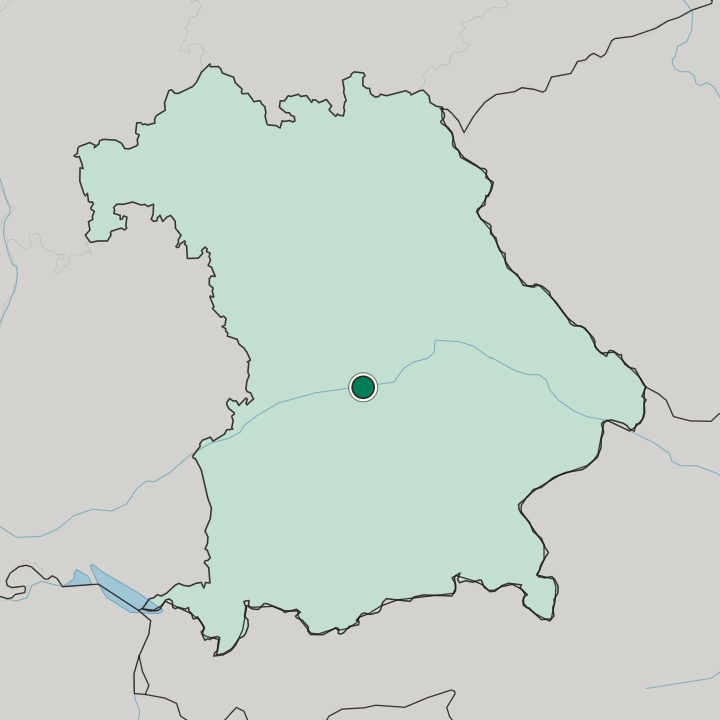
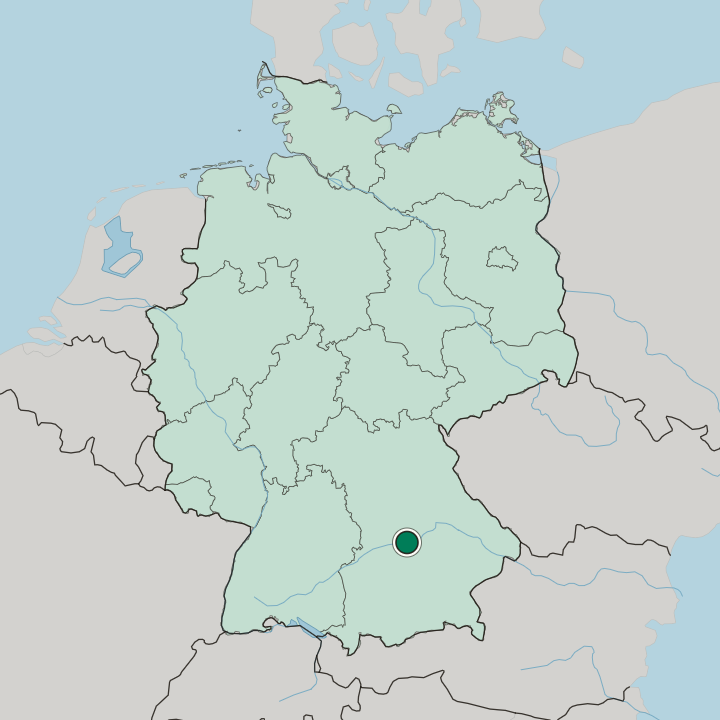
The Danube is the fixed point. Ingolstadt is an independent city on the river in Upper Bavaria, answering to no surrounding district, and it ranks second among German cities on the Danube behind Regensburg. Within Bavaria it comes fifth. Munich, Nuremberg, Augsburg, and Regensburg are the only larger ones, and inside Upper Bavaria itself only Munich is bigger.
What is the climate of Ingolstadt?
Weather comes with the Danube valley. Ingolstadt lies in the temperate band, so the year turns through four separate seasons instead of a wet half and a dry one, and the low ground beside the river takes whatever crosses Upper Bavaria. The nearest sea is a long way off, and nothing maritime softens the swing between one season and the next.
How do you get to Ingolstadt?
Munich carries most of the traffic. As an independent city on the Danube, Ingolstadt is reached from Munich, Nuremberg, and Augsburg without belonging to any of them, and the Audi works draw a steady share of arrivals of their own. The Münzberg Gate still marks one way in.
The old town is compact enough that the last stage is made on foot, whichever direction the approach came from.
Common questions
What is the best area to stay in Ingolstadt?
Inside the gates: Guests taking the Liebfrauenmünster and Sankt Maria de Victoria on foot. Near the Audi works: Early starts by car, and anyone heading for the museum mobile. Within reach of the Danube: Quieter nights with the Liebfrauenmünster still in range.
Good for
More cities in Bavaria
Updated October 2026