Germany · Bavaria
Where to Stay in Kirchheim bei München, Bavaria
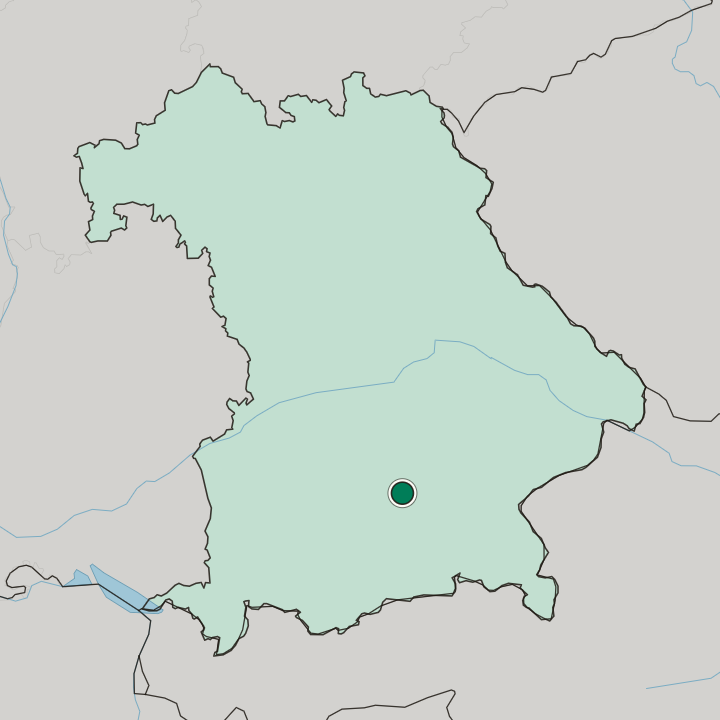
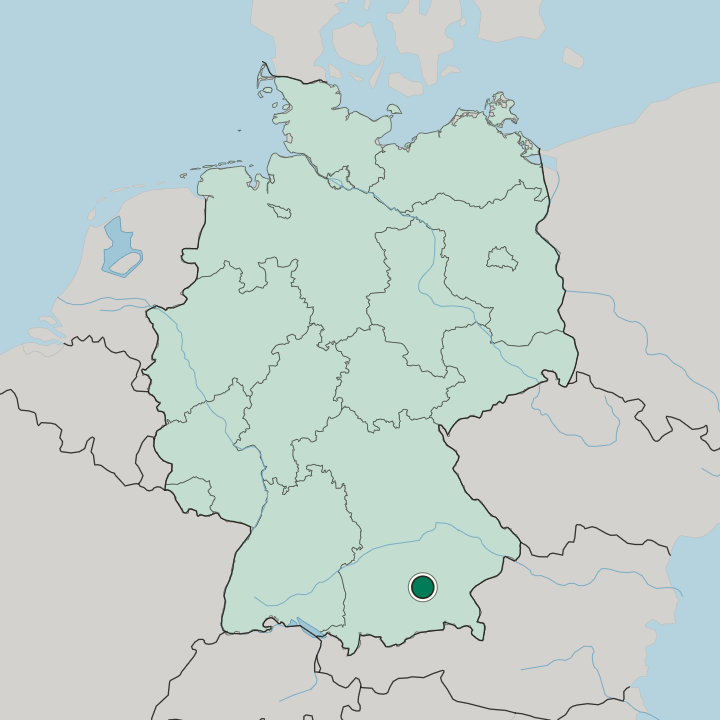
Kirchheim bei München is a Bavarian municipality 14 km from central Munich, home to the Bajuwarenhof Kirchheim open-air museum of early medieval farm life.
Hotel links are affiliate links: booking through them may earn us a commission, at no extra cost to you. It never affects how places are ranked. How this works


Where to stay in Kirchheim bei München
How the choice of base plays out on the ground.
Kirchheim bei München has three parts: Heimstetten, the main village of Kirchheim, and Hausen. Heimstetten has the station, on the Munich S-Bahn since 1972, for daily rides into the city, and the Räterwiese green with its pitches lies at its centre. The main village keeps the parish church of St Andreas.
Hausen dates from the 10th century. It borders the main village yet keeps much of its village character, with a maypole raised by a local club since 1982. The Heimstettener See, a lake that lies only partly inside the municipality, is the local recreation ground.
Find hotels in Kirchheim bei München
Direct booking searches for these neighbourhoods.
Heimstetten
Heimstetten's station, a stop since 1897, became part of the Munich S-Bahn in 1972.Find hotels in Heimstettenthe parish church of St Andreas and its rococo altarKirchheim
The main village of Kirchheim bei München keeps the church of St Andreas, built in 1671, with a rococo altar of 1770.Find hotels in Kirchheima village-scale base in Hausen, first recorded in the 10th centuryHausen
Hausen borders the main village of Kirchheim yet keeps much of its village character.Find hotels in HausenHotel links are affiliate links: booking through them may earn us a commission, at no extra cost to you. It never affects how places are ranked. How this works
About Kirchheim bei München
Kirchheim bei München has been settled since Celtic times.
What is Kirchheim bei München known for?
The village of Kirchheim goes back to the 6th or 7th century, and the Bajuwarenhof Kirchheim open-air museum shows farm life of the early Middle Ages. Kirchheim bei München sits on the eastern Munich gravel plain, near the München-Ost junction between the A 94 and the A 99.
What are the main landmarks in Kirchheim bei München?
The church of St Andreas, built in 1671, is the oldest in Kirchheim bei München. Its rococo altar dates from 1770. Heimstetten has the Chapel of St Ulrich, finished in 1895, and the Meilerhaus, both listed monuments of the municipality.
The Cantate-Kirche was consecrated in 1985 and St Peter in 1991.
What is the history of Kirchheim bei München?
People have lived in Kirchheim bei München since early Celtic times: the oldest finds came to light during building work for the Heimstetten sports centre. The village of Kirchheim was founded in the 6th or 7th century and probably moved in the 9th to the parish church of St Andreas; its name, first written Kirichaim, means church home. Hausen is older on paper, recorded between 937 and 957.
Heimstetten first appears in 1324. Until secularisation in the early 19th century the farms belonged to monasteries such as Schäftlarn and Rott and to wealthy burghers. Both Kirchheim and Heimstetten became municipalities in the Bavarian reforms of 1818.
The railway from Munich to Neuötting opened in 1871, Heimstetten got a stop in 1897, and its S-Bahn station of 1972 was one of the main causes of the strong growth after it. Heimstetten joined Kirchheim bei München on 1 May 1978.
Where is Kirchheim bei München?
Kirchheim bei München lies on the eastern part of the Munich gravel plain, almost completely flat, between about 499 and 524 metres above sea level. Its waters are all man-made: the Abfanggraben, the Mittlere-Isar-Kanal, the Heimstettener See, and the Ismaninger Speichersee. The municipality covers about 15.5 square kilometres.
Common questions
What is the best area to stay in Kirchheim bei München?
Heimstetten: S-Bahn rides into Munich from Heimstetten station. Kirchheim: the parish church of St Andreas and its rococo altar. Hausen: a village-scale base in Hausen, first recorded in the 10th century.
More cities in Bavaria
Updated October 2026