Germany · Bavaria
Where to Stay in Schweinfurt, Bavaria
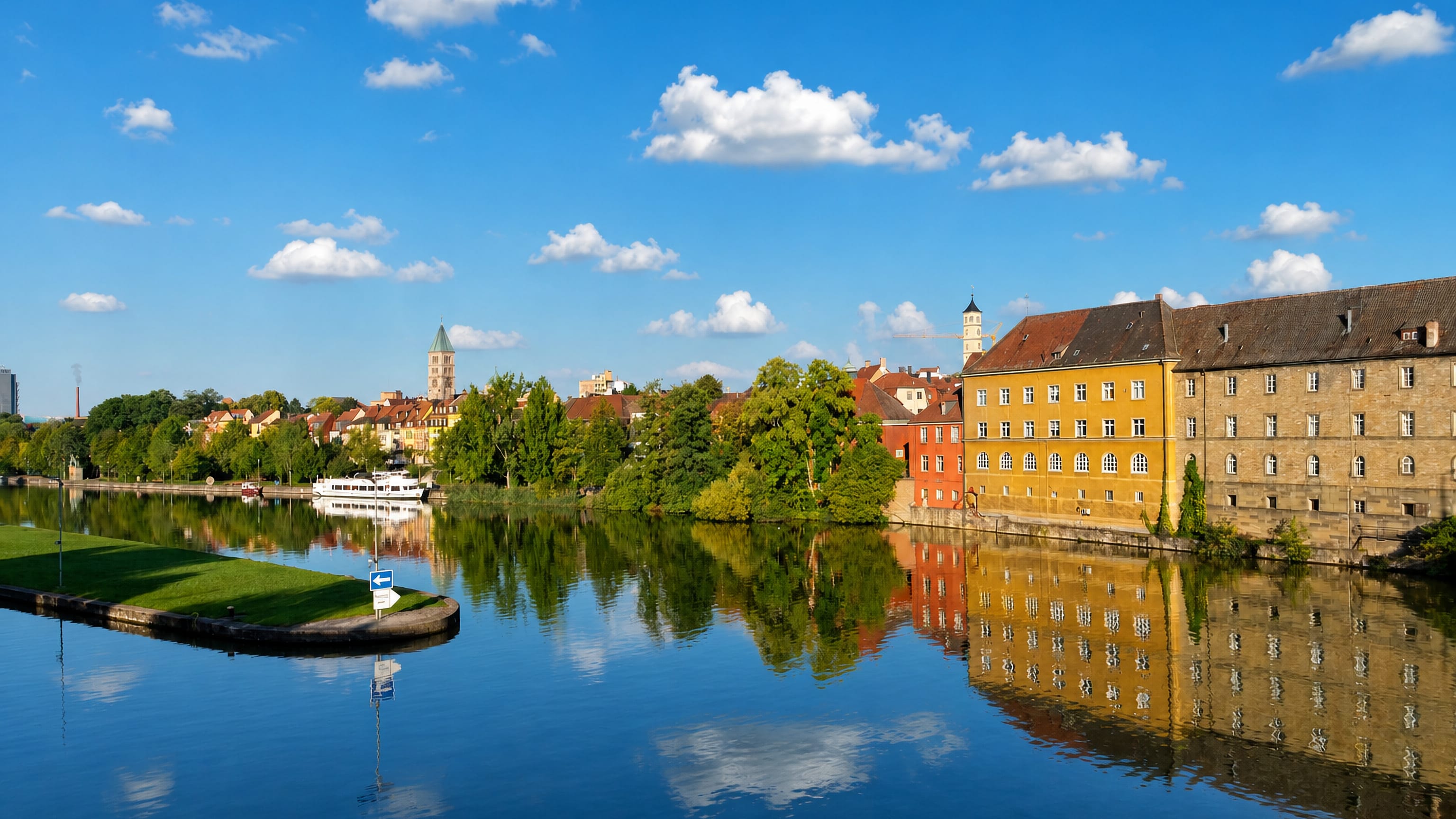
Schweinfurt is a city of Lower Franconia on the Main, founded in 1254, with the Museum Georg Schäfer and the Kunsthalle Schweinfurt at its centre.
Hotel links are affiliate links: booking through them may earn us a commission, at no extra cost to you. It never affects how places are ranked. How this works


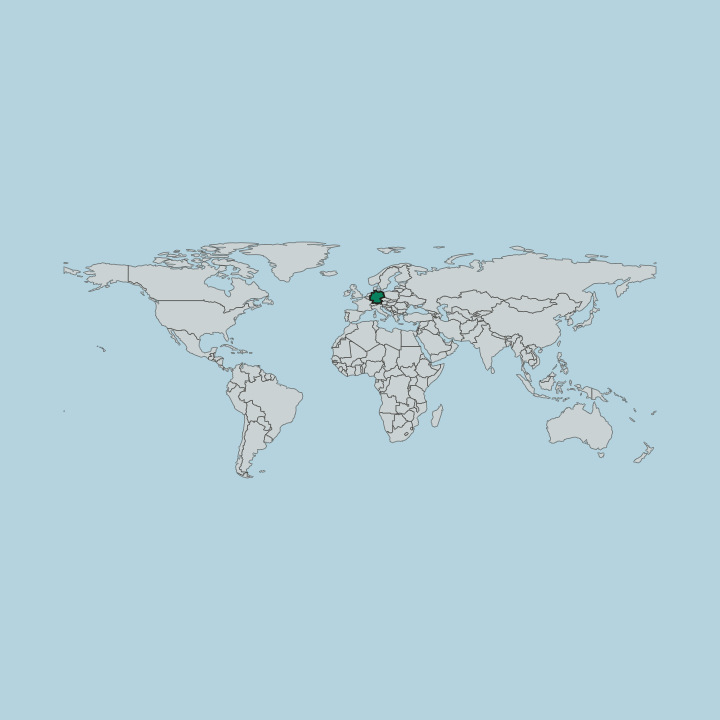
Where to stay in Schweinfurt
How the choice of base plays out on the ground.
Schweinfurt puts its collections close together. The Museum Georg Schäfer and the Kunsthalle Schweinfurt sit near enough to the old centre that a room among the Bürgerhaus fronts covers both without transport, and the Zeughaus and the Zunfthaus fall on the same walk. Church of Saint Salvator marks the way.
Rooms in that core suit visitors who came for the art and want the Naturkundliches Museum thrown in. Little ground separates one door from the next. The river side is the other option.
Beds facing the Main trade gallery doors for the water, and the walk back into the middle stays short enough that you can eat by the river and still reach the Kunsthalle Schweinfurt in the morning. Green edges suit families. Wildpark An den Eichen sits out where the built-up streets thin, with the Gutsanlage nearby, and children get something that is neither a Bürgerhaus nor a museum.
The Aussichtsturm gives the view over all of it. Whichever side you pick, the wine country of Lower Franconia and the Main-Rhön ground stay within reach of a day out, and the Fichtel and Sachs Bunker stands as the reminder of what paid for the town.
Find hotels in Schweinfurt
Direct booking searches for these neighbourhoods.
The old centre by Saint Salvator
Church of Saint Salvator, the Zeughaus, and the Zunfthaus stand within the same few streets as both galleriesFind hotels in The old centre by Saint SalvatorEvenings by the Main with the Kunsthalle Schweinfurt still walkableThe Main riverside
Beds facing the Main keep the water at the door while the old centre of Schweinfurt stays a short walk behindFind hotels in The Main riversideFamilies heading for Wildpark An den Eichen and the AussichtsturmAn den Eichen and the green edge
Wildpark An den Eichen and the Gutsanlage hold the wooded edge where the streets of Schweinfurt thin out. Lodging is scarce in this area; reserve in advance.Find hotels in An den Eichen and the green edgeHotel links are affiliate links: booking through them may earn us a commission, at no extra cost to you. It never affects how places are ranked. How this works
Things to do in Schweinfurt
Ranked by global recognition; descriptions from Wikidata (CC0).
Museums & Galleries
3- Museum Georg Schäfer
- Fichtel and Sachs Bunker
- Naturkundliches Museum (Schweinfurt)
Churches & Religious Sites
5- Benediktinerkloster Schweinfurt Heritage
- Ressurection church (Schweinfurt) Heritage
- Church of Saint Salvator Heritage
- Kirche Heritage
- Pfarrkirche Heritage
Stadiums & Sports
1- Sportanlage Heritage
Landmarks & Notable Places
6- Zeughaus Heritage
- Burg Heritage
- Bürgerhaus Heritage
- Gutsanlage Heritage
- Wohngebäude Heritage
Show 1 more →
- Zunfthaus Heritage
worth knowingacross 4 categories in Schweinfurt
About Schweinfurt
Art carries the name here.
What is Schweinfurt known for?
Schweinfurt promotes itself as a city of art, and the Museum Georg Schäfer and the Kunsthalle Schweinfurt are the two collections that carry the label. Wine belongs to it too. The Main runs past a place that is also a university town, and the Naturkundliches Museum and the Wildpark An den Eichen give a day a different shape from galleries.
What are the main landmarks in Schweinfurt?
Two galleries carry the reputation. The Museum Georg Schäfer and the Kunsthalle Schweinfurt take the art, while the Naturkundliches Museum handles the natural history side from the same compact centre. Older ground keeps its towers.
The Aussichtsturm stands on the site of an imperial castle, the Schindturm survives from the same defensive line, and Church of Saint Salvator holds the church end of the list. The Zeughaus and the Zunfthaus round it out.
What is the history of Schweinfurt?
The charter dates from 1254. Monastic houses came long before the factories, and the Karmelitenkloster Schweinfurt and the Benediktinerkloster Schweinfurt are the two foundations whose names survive that period. A Burg stood here as well.
The Aussichtsturm occupies the site of an imperial castle, and the Schindturm keeps another tower standing where the older defences ran. Church of Saint Salvator belongs to the same old fabric. Craft and trade left the Zunfthaus and a run of Bürgerhaus fronts along the streets, while the Zeughaus records the armoury side of a walled town.
Later work changed the scale. Manufacturing made Schweinfurt an industrial centre for the surrounding district, and the Fichtel and Sachs Bunker is the plainest structure left from that period of factory building. Art came afterwards.
The Museum Georg Schäfer and the Kunsthalle Schweinfurt gave the place its claim as a city of art, and the Naturkundliches Museum added a collection of a different kind to the same compact centre. Wildpark An den Eichen and the Gutsanlage mark the green edge. Lower Franconia and the Main-Rhön ground around it kept Schweinfurt as their administrative centre, with the reach of that role running as far as South Thuringia.
Where is Schweinfurt?
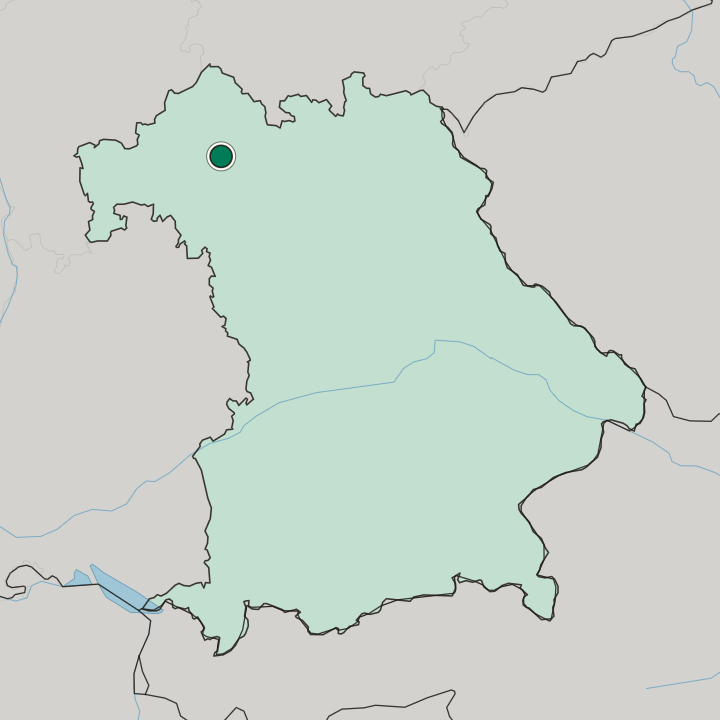
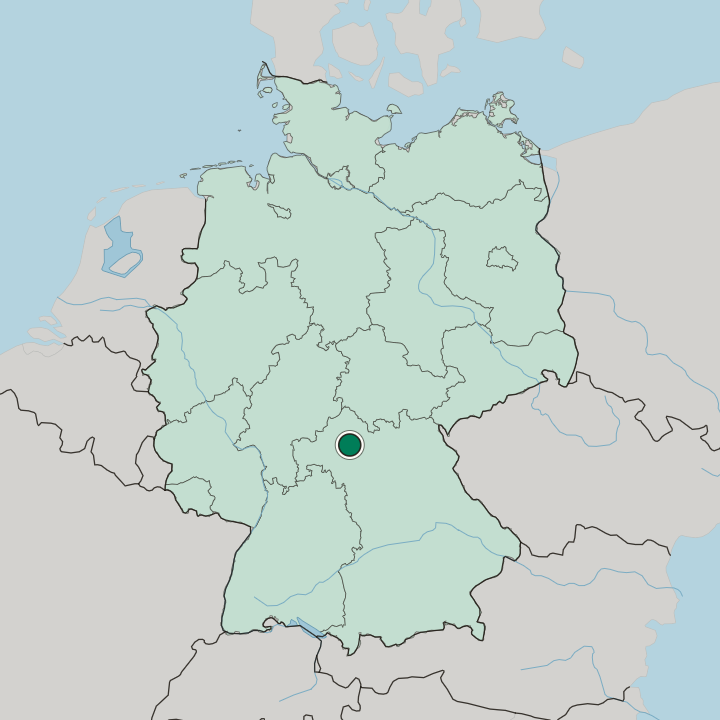
The Main does the shaping. Schweinfurt sits on the river in Lower Franconia, with Bavaria around it and the catchment reaching toward the Main-Rhön ground and South Thuringia beyond. The town falls inside the temperate zone.
Wildpark An den Eichen holds wooded ground at the edge of the built-up streets, and the Gutsanlage marks an estate layout that the town has grown out to meet.
What is the climate of Schweinfurt?
Wine decides how summer reads here. Schweinfurt lies in the temperate band, so winters run cold and summers run warm, and the growing season that Lower Franconia depends on falls between the two without much drama. The river is never far.
Wet weeks fall in every season, and the Wildpark An den Eichen is a different place in February than in the middle of a Franconian summer.
How do you get to Schweinfurt?
Routes follow the Main. Schweinfurt is the administrative centre of the surrounding district, so the roads of Lower Franconia converge on it and the river valley carries through traffic in both directions. Arrival puts everything in reach.
The Museum Georg Schäfer, the Kunsthalle Schweinfurt, and Church of Saint Salvator sit close together, while Wildpark An den Eichen and the Aussichtsturm are the two that reward a longer walk out. Main-Rhön ground lies beyond.
Common questions
What is the best area to stay in Schweinfurt?
The old centre by Saint Salvator: Art visitors pairing the Museum Georg Schäfer with the Kunsthalle Schweinfurt. The Main riverside: Evenings by the Main with the Kunsthalle Schweinfurt still walkable. An den Eichen and the green edge: Families heading for Wildpark An den Eichen and the Aussichtsturm.
Good for
More cities in Bavaria
Updated October 2026