Germany · Lower Saxony
Where to Stay in Celle, Lower Saxony
Celle is a town on the Aller in Lower Saxony, its old centre a dense grid of timber-framed houses below the ducal palace.
Hotel links are affiliate links: booking through them may earn us a commission, at no extra cost to you. It never affects how places are ranked. How this works


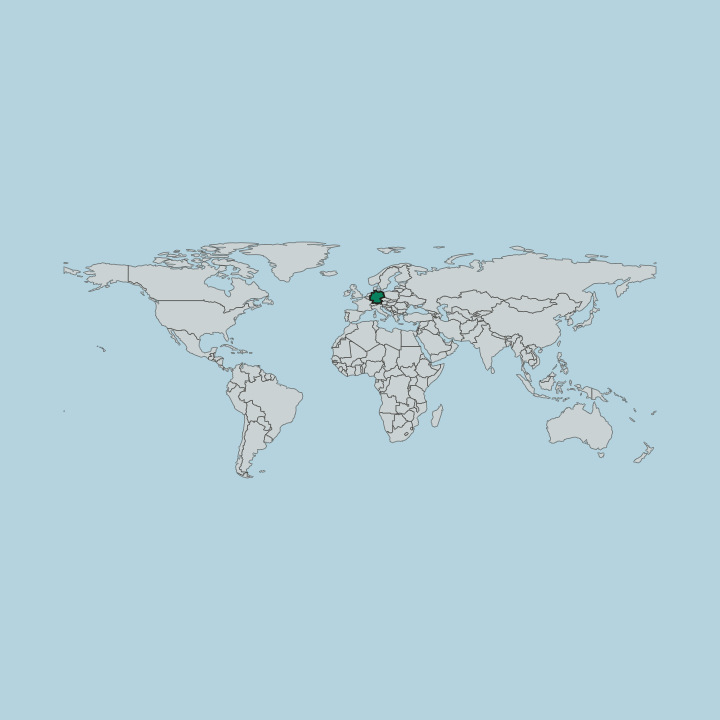
Where to stay in Celle
One neighbourhood here has its own guide — here's what it is best for.

 CelleGermany
Blumlage
Blumlage is Celle's old-town district, registered as Blumlage/Altstadt, four square kilometres holding the Celle Palace and the Bomann-Museum.Where to stay →Hotel links are affiliate links: booking through them may earn us a commission, at no extra cost to you. It never affects how places are ranked. How this works
Find hotels in Celle
Direct booking searches for these neighbourhoods.
Old town by the Celle Palace
Timber-framed lanes run from the palace gate out to the Neustädter KircheFind hotels in Old town by the Celle PalaceEvenings by the Aller and a climb up the SchwalbenbergThe Aller riverside
Quieter streets below the old town, on the bank the river takes through CelleFind hotels in The Aller riversideDrivers basing themselves on the Lüneburg HeathThe heath edge
Outer streets facing the Lüneburg Heath, with parking past the last timber-framed housesFind hotels in The heath edgeHotel links are affiliate links: booking through them may earn us a commission, at no extra cost to you. It never affects how places are ranked. How this works
Things to do in Celle
Ranked by global recognition; descriptions from Wikidata (CC0).
Museums & Galleries
3- Bomann-Museum Heritage
- Residence Museum in the Celle Palace
- Kunstmuseum Celle
Churches & Religious Sites
6- St Ludwig's Church Heritage
- Evangelisch-reformierte Kirche Heritage
- Gertrudenkirche Heritage
- St. Georg Heritage
- St. Cyriacus-Kirche Heritage
Show 1 more →
- Neustädter Kirche Heritage
Castles & Historic Sites
3- Langensalza-Denkmal (Celle) Heritage
- Albrecht Thaer memorial Heritage
- Caroline-Mathilde-Denkmal Heritage
worth knowingacross 3 categories in Celle
About Celle
What is Celle known for?
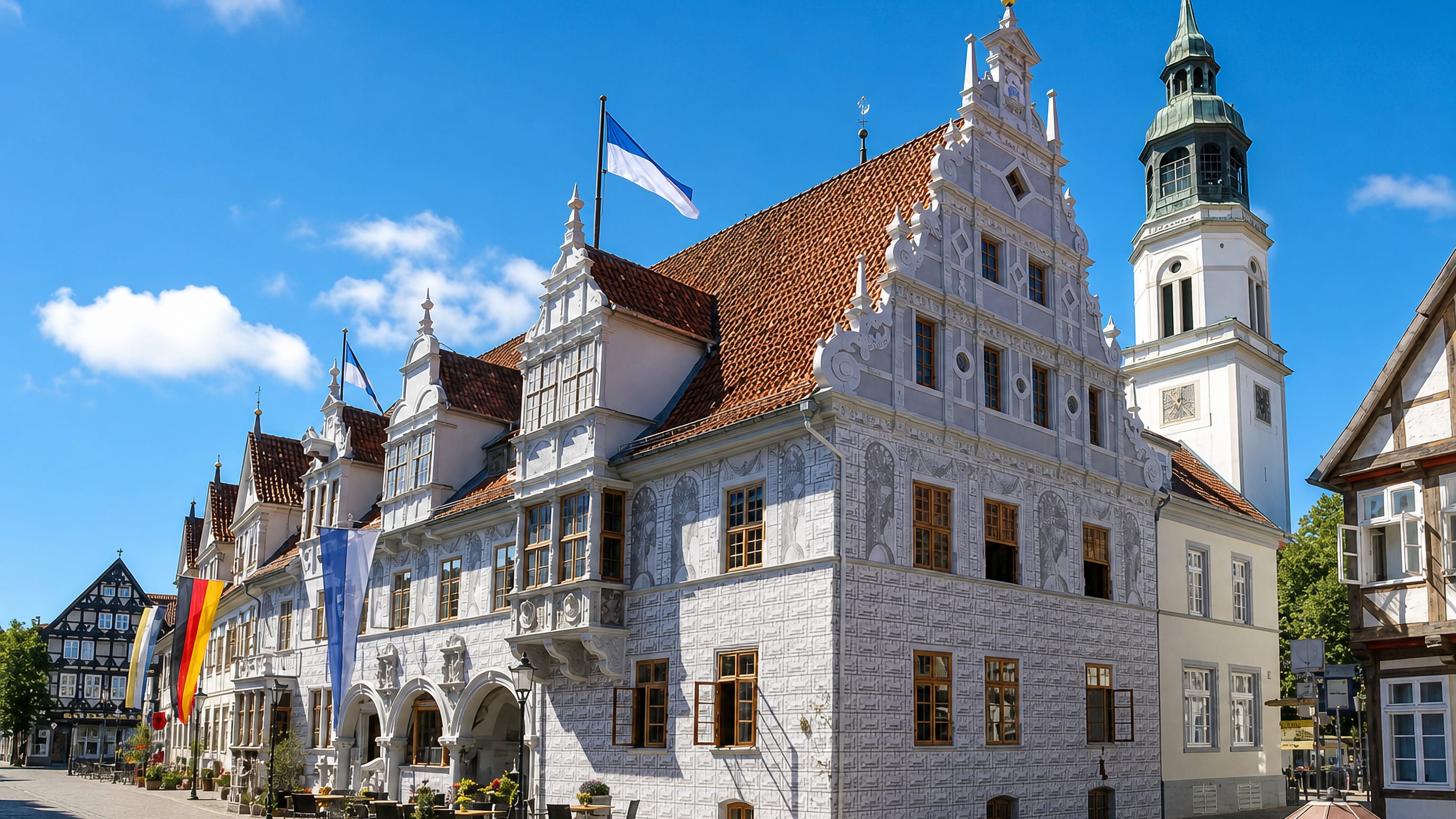
Timber-framed houses fill the old town of Celle by the hundred, a density of framing that puts the place on the German Timber-Frame Road. The palace holds the Residence Museum. Bomann-Museum and Kunstmuseum Celle sit close by, while the Neustädter Kirche and the Gertrudenkirche mark the streets around them.
Dukes of Brunswick-Lüneburg held court here from 1378 to 1705.
What are the main landmarks in Celle?
The Celle Palace anchors the old town, its Renaissance and Baroque fronts facing the timber-framed streets that run away from it, and the Residence Museum in the Celle Palace opens the state rooms inside. Churches punctuate the rest. The Neustädter Kirche, the Gertrudenkirche, and St Ludwig's Church each hold a corner of the town, and the Schwalbenberg gives the flat district a rare slope.
Bomann-Museum, Kunstmuseum Celle, and the Celler Garnison-Museum hold the collections between them.
What is the history of Celle?
The dukes of Brunswick-Lüneburg came to Celle after their own townsfolk drove them from their earlier ducal seat, and from 1378 until 1705 the town served as their official residence. Three centuries of court followed. Building went up to match: a palace remade in Renaissance and Baroque forms, churches for the parishes around it, and street after street of timber-framed houses for the people who served the court.
Court, garrison, and parish each left buildings behind. Two parish churches, the Neustädter Kirche and the Gertrudenkirche, stand among those streets. When the court left, the fabric stayed.
More than 400 timber-framed houses survive in the old town, enough to make Celle one of the more remarkable stops on the German Timber-Frame Road. The museums came later. Bomann-Museum gathers the region's material, the Residence Museum in the Celle Palace opens the ducal rooms, and Kunstmuseum Celle, the Otto-Haesler-Museum, and the Celler Garnison-Museum each take a narrower subject.
Memorials in the town carry names from that past: the Caroline-Mathilde-Denkmal, the Albrecht Thaer memorial, the Langensalza-Denkmal, and the Ernest I memorial. Smaller collections run to the specific: the Celler Schützenmuseum, the Museum der Justizvollzugsanstalt, and the Sammlung des Niedersächsischen Landesinstituts für Bienenkunde.
Where is Celle?
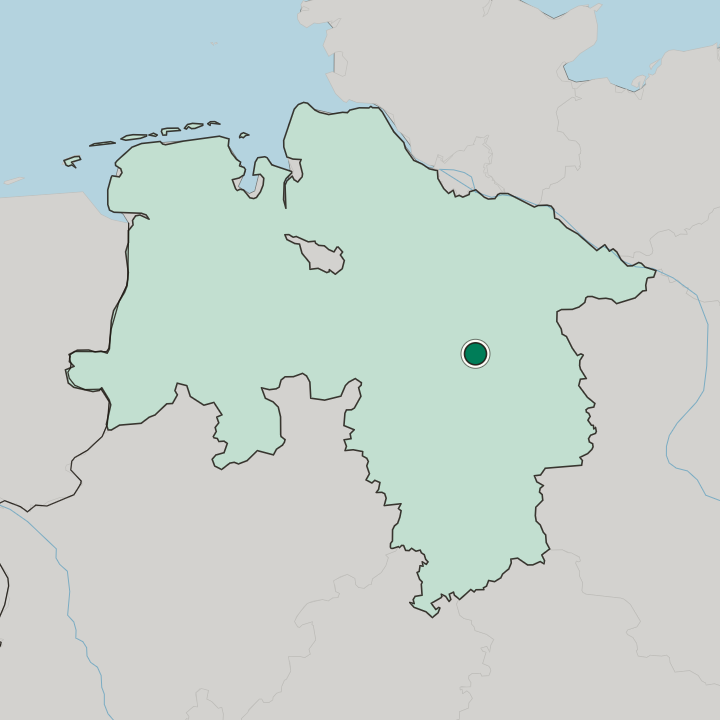
The Aller runs through Celle and carries on to join the Weser, and beyond the last streets the Lüneburg Heath opens out in sand, pine, and low ground. Water shapes the ground. Schwalbenberg rises at the town's edge, one of the few slopes in a district otherwise flat.
The district of Celle spreads around it, part of Lower Saxony.
What is the climate of Celle?
Winters stay grey rather than fierce. Celle lies in the temperate band, and its year turns through cool, damp winters and mild summers, with rain spread thinly across the months rather than saved for one season. The Lüneburg Heath, sandy and open, dries out faster than the meadows along the Aller.
How do you get to Celle?
Celle heads its own district. Roads and rail through Lower Saxony converge on the town, which serves as the administrative seat for the district of Celle and as the usual stopping point for the Lüneburg Heath. You reach Celle by land.
The Aller runs through the town rather than to it, and the heath roads, not the river, bring people in from the rest of Lower Saxony.
Common questions
What is the best area to stay in Celle?
Old town by the Celle Palace: Guests who want Bomann-Museum and Kunstmuseum Celle within a walk. The Aller riverside: Evenings by the Aller and a climb up the Schwalbenberg. The heath edge: Drivers basing themselves on the Lüneburg Heath.
Good for
More cities in Lower Saxony
Updated October 2026