Germany · Lower Saxony
Where to Stay in Hameln, Lower Saxony
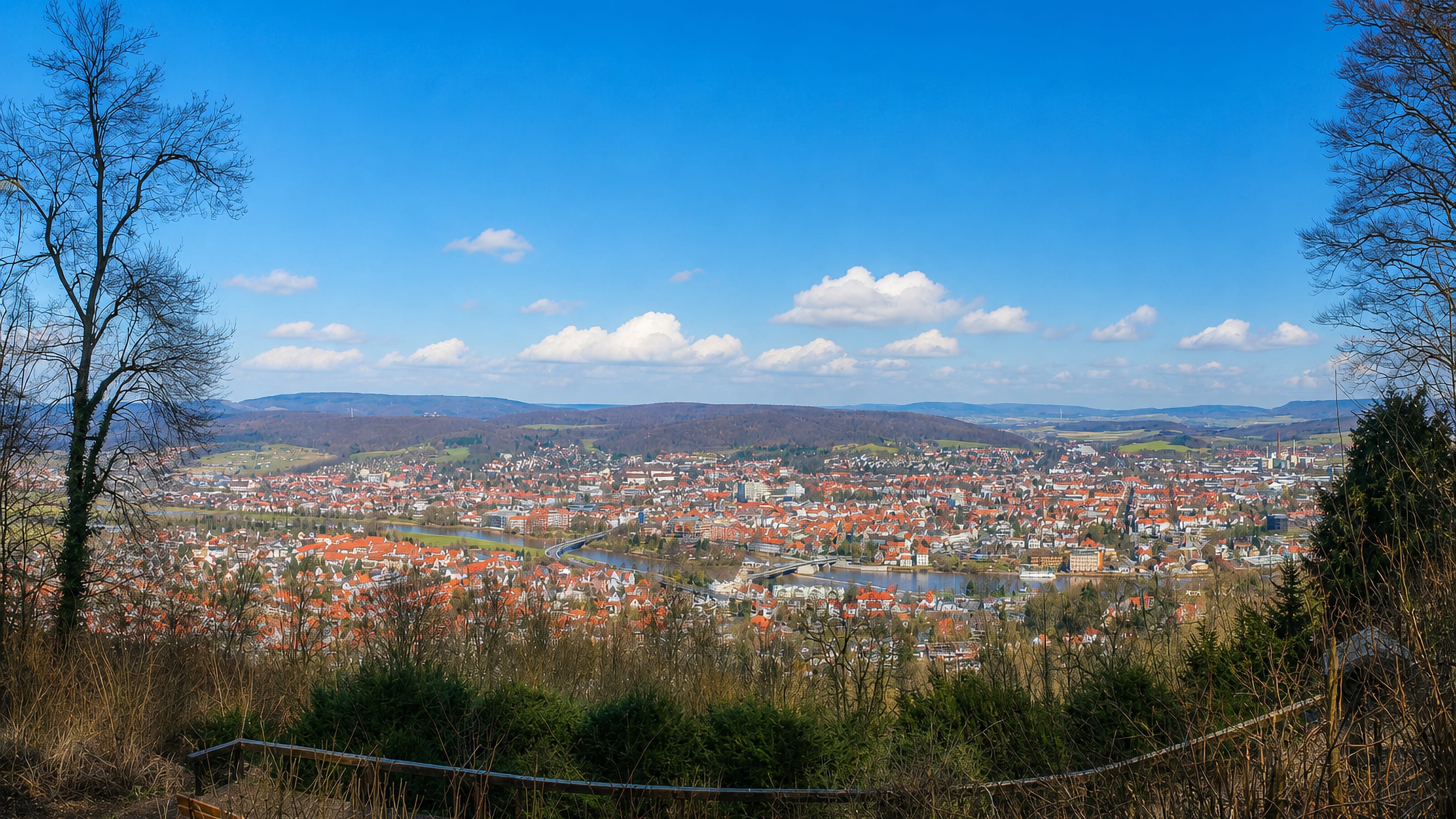
Hameln, or Hamelin, stands on the Weser southwest of Hanover, the town of the Pied Piper tale and the seat of the Hameln-Pyrmont district.
Hotel links are affiliate links: booking through them may earn us a commission, at no extra cost to you. It never affects how places are ranked. How this works


Where to stay in Hameln
Where visitors usually base themselves, and why.
Rooms cluster in the lanes around the Marktkirche. Staying there puts the Rattenfänger-Halle, the Hameln Museum and the Haspelmathturm within a few minutes on foot, which is what most visitors want from a night in Hameln. The Weser gives another option.
Rooms on the water side look onto the river and start the walk towards the Klüt from the door. Neither end is far from the other, so an evening at the Marktkirche and a morning on the hill both fit into one stay. Out under the Klüt, the town gives way to the hill, and a base there trades the lanes for the path up to the Klütturm and somewhere straightforward to park.
Beds are fewer up there. If you came for the piper, the centre is where you want to be. Some visitors keep a room in Hannover and ride the S-Bahn down for the day instead.
The Hameln Museum and the memorial to the murdered Jewish citizens of Hamelin are both inside the walkable part. The Garnisonskirche and the Pulverturm fall on the walk between the river and the market, so neither choice misses them.
Find hotels in Hameln
Direct booking searches for these neighbourhoods.
The Marktkirche lanes
The old lanes by the Marktkirche keep the Hameln Museum and the piper's hall on one short walk.Find hotels in The Marktkirche lanesEvenings along the Weser rather than in the old lanesThe Weser bank
Rooms on the water side face the Weser and put the path towards the Klüt at the door.Find hotels in The Weser bankWalkers heading up to the Klütturm before breakfastUnder the Klüt
Out under the Klüt, beds trade the old lanes for the hill path and simpler parking. Few places to stay nearby — book ahead.Find hotels in Under the KlütHotel links are affiliate links: booking through them may earn us a commission, at no extra cost to you. It never affects how places are ranked. How this works
Things to do in Hameln
Ranked by global recognition; descriptions from Wikidata (CC0).
Museums & Galleries
1- Hameln Museum
Churches & Religious Sites
3- St. Bonifatius
- Marktkirche St. Nicolai (Hameln)
- Garnisonskirche
Castles & Historic Sites
2- Befestigungsanlagen auf dem Klüt
- Memorial to the murdered Jewish citizens of Hamelin
Stadiums & Sports
1- Rattenfänger-Halle
Landmarks & Notable Places
3- Haspelmathturm Heritage
- Pulverturm Heritage
- Turm Heritage
worth knowingacross 5 categories in Hameln
About Hameln
What is Hameln known for?
The Pied Piper story belongs to Hameln: a piper who rid the town of rats, was refused what he had been promised, and led the children away in return. The Rattenfänger-Halle carries the name. Beyond the tale, the Hameln Museum sets out the town's own record, and the Marktkirche stands over the market.
Old towers survive in the Haspelmathturm and the Pulverturm. The Klütturm and the fortifications on the Klüt stand apart from the streets, and the Museum of Hamelin Automobile History works a subject the legend never touches.
What are the main landmarks in Hameln?
The Rattenfänger-Halle is the obvious stop for anyone who came for the piper, and the Hameln Museum sets the rest of the town beside it. The Marktkirche holds the middle. Two old towers remain in the Haspelmathturm and the Pulverturm, and the Garnisonskirche belongs to the same older town.
The Klütturm stands on the Klüt outside the streets. A memorial to the murdered Jewish citizens of Hamelin and the Museum of Hamelin Automobile History complete a list that runs well past the legend.
What is the history of Hameln?
One story travels further than the town. The Pied Piper of Hamelin, who cleared the rats and then led away the children when the citizens went back on what they had agreed, has carried the name of Hameln far beyond Lower Saxony. Underneath the tale is an ordinary river town on the Weser.
Walls and towers went up around it, and the Haspelmathturm and the Pulverturm still stand where the defences ran. More works were built on the Klüt, and the Klütturm belongs to that higher ground. The Marktkirche and the Garnisonskirche mark two different sides of the town's life, one civic and one military.
A memorial to the murdered Jewish citizens of Hamelin stands in the town, one of the plainest records the place keeps of the twentieth century. Hameln kept its old core. The Hameln Museum sets out that record, while the Rattenfänger-Halle takes its name from the piper and gives the legend a building of its own.
Motoring got a museum too, the Museum of Hamelin Automobile History. Hameln-Pyrmont has its administrative seat here, which keeps the town busier than the tale alone would.
Where is Hameln?
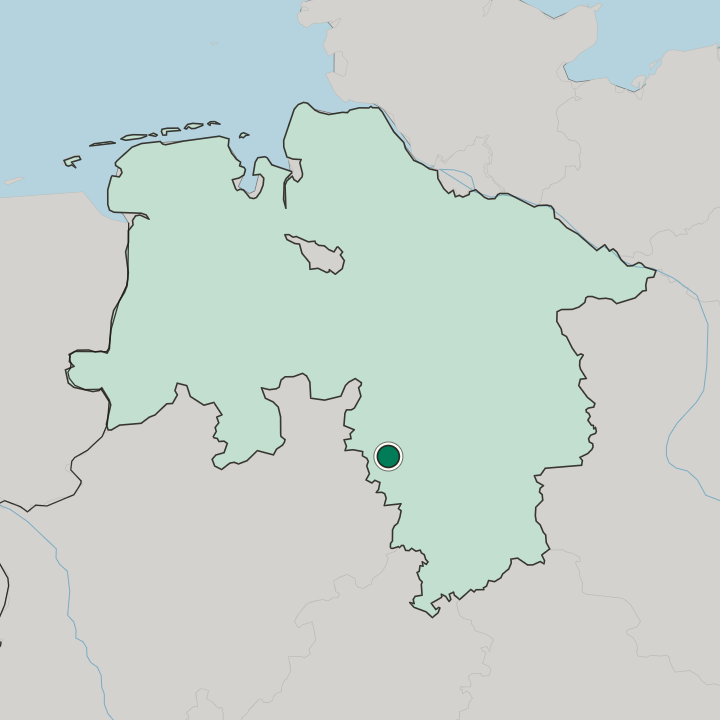
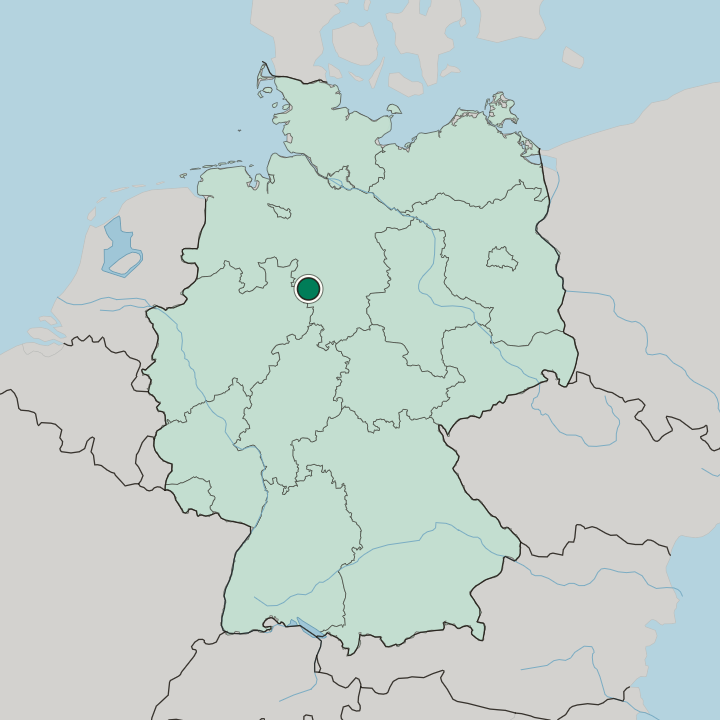
Hameln sits on the Weser about 50 km southwest of Hanover, where the river runs between hills rather than across open plain, and the Klüt rises on one side of it. Hameln-Pyrmont takes its name from here. The Weser carries on through Lower Saxony past the town.
Hanover is the nearest big city, and the road in from it is the usual approach.
What is the climate of Hameln?
The Weser valley funnels the weather through Hameln, and the hills on either side hold cloud and rain longer than the open country beyond does. Summers are moderate. Winter brings frost to the riverbank and grey light to the old streets.
Walkers heading up the Klüt find the weather sharper on the hill than beside the Weser, whatever the season.
How do you get to Hameln?
Trains come in from Hannover. The S-Bahn runs out from Hannover, and Hameln lies some 50 km southwest of it, which makes the trip a short one rather than a journey to plan around. By road the approach follows the Weser valley.
Inside Hameln the old streets are walkable, and only the Klüt and the Klütturm ask for a climb.
Common questions
What is the best area to stay in Hameln?
The Marktkirche lanes: A first stay wanting the Marktkirche and the Rattenfänger-Halle a few minutes apart. The Weser bank: Evenings along the Weser rather than in the old lanes. Under the Klüt: Walkers heading up to the Klütturm before breakfast.
Good for
More cities in Lower Saxony
Updated October 2026