Germany · Lower Saxony
Where to Stay in Oldenburg, Lower Saxony
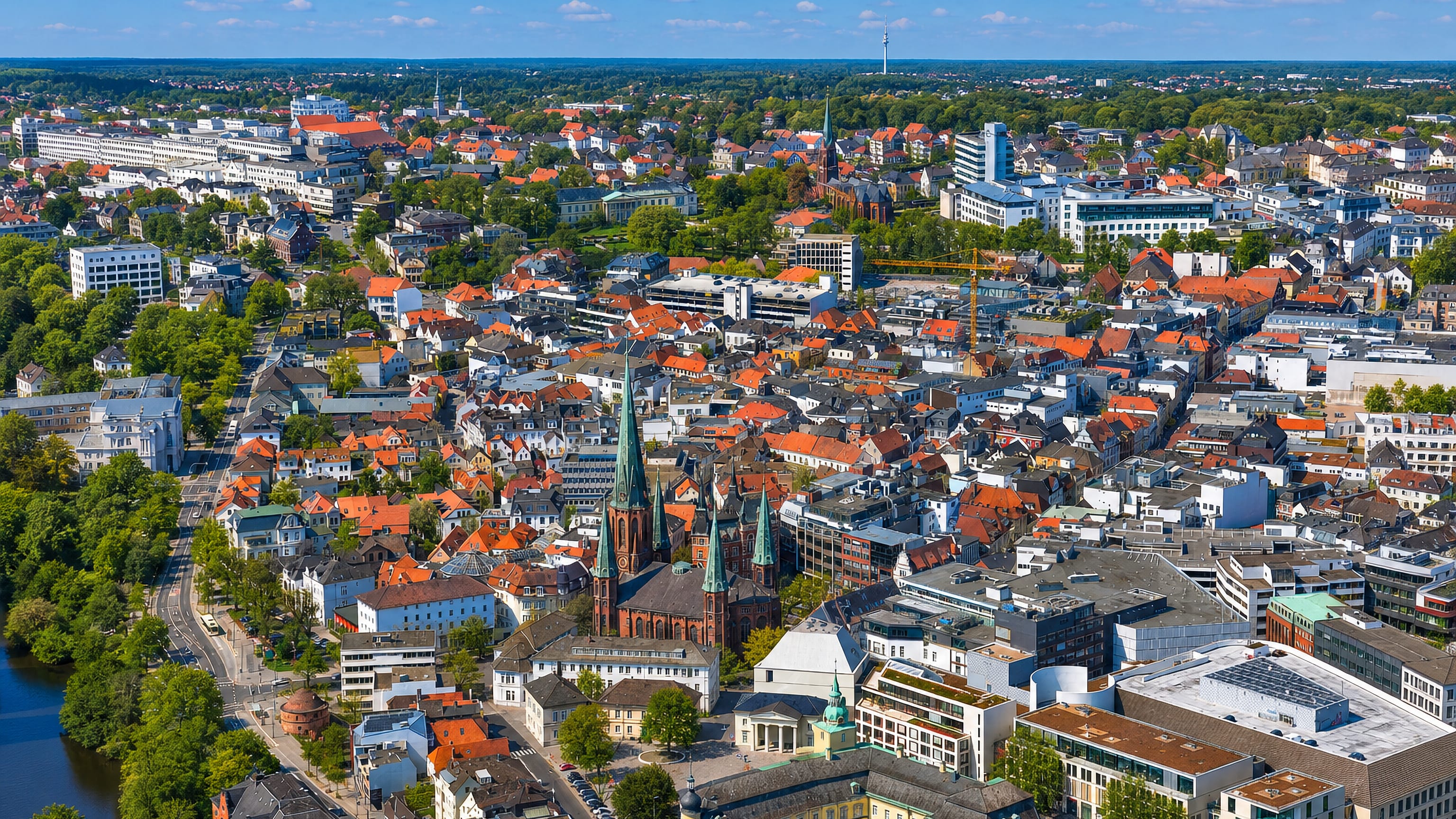
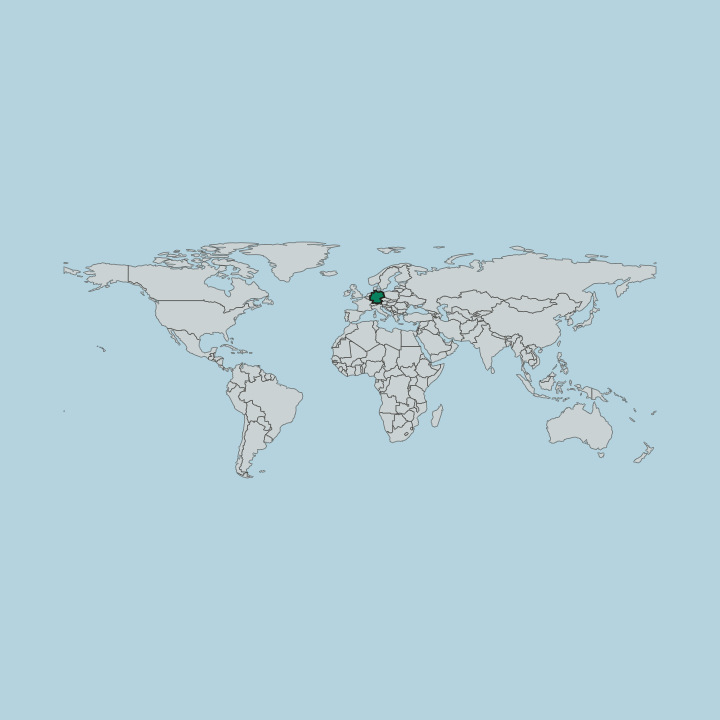
Oldenburg is an independent city in Lower Saxony between Bremen and the Netherlands, with the Lappan and St Lamberti Church over its old centre.
Hotel links are affiliate links: booking through them may earn us a commission, at no extra cost to you. It never affects how places are ranked. How this works


Where to stay in Oldenburg
Where you base yourself shapes the visit — here's the character of each area.

 OldenburgGermanyQuieter nights within reach of Ohmstede church
Ohmstede
Ohmstede sits away from the museum quarter of Oldenburg, with Ohmstede church as its landmark and easier parking than the centre.Ohmstede → OldenburgGermany
Osternburg
Osternburg holds the Prinzenpalais and the State Museum Nature and Human Oldenburg, two of the German city's larger names, inside a residential district.Where to stay →OldenburgGermanyEversten
Eversten is a Stadtteil in the west of Oldenburg, named for the knightly family von Eversen who had their seat there from the 13th century.Where to stay → OldenburgGermany
Donnerschwee
Donnerschwee is a residential quarter of Oldenburg in Lower Saxony, holding the Versöhnungskirche and the parish church of St. Marien.Where to stay → OldenburgGermany
Kreyenbrück
Kreyenbrück is a district of Oldenburg in Germany, its record made up of two parish churches and the housing laid out between them.Where to stay → OldenburgGermany
Bloherfelde
Bloherfelder Kirche and St. Stephanus mark Bloherfelde, a district that Oldenburg counts among its own in Lower Saxony.Where to stay →OldenburgGermanyBümmerstede
Bümmerstede is one of Oldenburg's districts in Germany, residential ground whose record carries a single church and nothing else.Where to stay → OldenburgGermany
Etzhorn
Oldenburg counts Etzhorn among its districts in Lower Saxony, a name the sources carry without attaching a single landmark to it.Where to stay → OldenburgGermany
Krusenbusch
The Jona-Kapelle is the one named building in Krusenbusch, a district on the books of Oldenburg in Lower Saxony.Where to stay →OldenburgGermanyOfenerdiek
Ofenerdiek is one of the districts of Oldenburg in Lower Saxony, a residential name on the city's map with no landmark entered against it.Where to stay →Hotel links are affiliate links: booking through them may earn us a commission, at no extra cost to you. It never affects how places are ranked. How this works
Find hotels in Oldenburg
Direct booking searches for these neighbourhoods.
The Lappan and the pedestrian streets
The Lappan marks the entrance to Oldenburg's pedestrian core, where the restaurants and cafés of the old centre are concentrated.Find hotels in The Lappan and the pedestrian streetsGuests who want St Lamberti Church and the Augusteum at walking distanceAround St Lamberti Church
St Lamberti Church, the Augusteum and the Prinzenpalais fall within one loop of the old centre, which suits a museum-led visit.Find hotels in Around St Lamberti ChurchVisitors attending events at the Weser-Ems HalleThe Weser-Ems Halle side
The Weser-Ems Halle draws crowds of its own, and rooms near it keep an evening clear of the pedestrian streets in the middle.Find hotels in The Weser-Ems Halle sideHotel links are affiliate links: booking through them may earn us a commission, at no extra cost to you. It never affects how places are ranked. How this works
Things to do in Oldenburg
Ranked by global recognition; descriptions from Wikidata (CC0).
Museums & Galleries
3- Horst Janssen Museum
- Niedersächsisches Landesmuseum für Kunst und Kulturgeschichte
- Augusteum
Churches & Religious Sites
3- St Lamberti Church
- St. Peter
- Dreifaltigkeitskirche
Castles & Historic Sites
3- Ehrenhalle der oldenburgischen Artillerie Heritage
- Peace Column Heritage
- Ringpfeilerhalle Heritage
Stadiums & Sports
1- Weser-Ems Halle
Landmarks & Notable Places
1- Lappan Heritage
worth knowingacross 5 categories in Oldenburg
About Oldenburg
What is Oldenburg known for?
Museums are the strong suit, from the Niedersächsisches Landesmuseum für Kunst und Kulturgeschichte and the Augusteum to the Horst Janssen Museum and the State Museum Nature and Human Oldenburg. The Lappan stands over the pedestrian streets. Cafés and restaurants fill the old centre, which keeps a walkable core busy without the scale of Bremen down the road.
Odd collections survive here too. The Oldenburg Computer Museum and the Haus für Medienkunst Oldenburg sit alongside the older institutions.
What are the main landmarks in Oldenburg?
The Lappan is the fixed point of the old centre, the tower guests use to orient themselves before anything else. St Lamberti Church and St. Peter carry the church side. Museums take over from there: the Niedersächsisches Landesmuseum für Kunst und Kulturgeschichte, the Augusteum and the Prinzenpalais hold the art, while the Stadtmuseum Oldenburg keeps the city's own record.
Then the odd ones. The Oldenburg Computer Museum and the Haus für Medienkunst Oldenburg complete a list few cities of this size can match.
What is the history of Oldenburg?
The name comes with a caveat. Officially the city is written Oldenburg (Oldb), or Oldenburg in Oldenburg, a formula that exists to separate it from Oldenburg in Holstein, and in Northern Low Saxon it is Ollnborg. What the record does not supply is a founding year, so the oldest anchors here are institutional rather than dated, the Kollegiatstift St. Lamberti and the Johanniterkommende Oldenburg among them.
St Lamberti Church still stands over the centre. Ohmstede has its own church, listed apart from those of the middle. The city holds its own administratively.
Oldenburg is an independent city within Lower Saxony, which gives it a standing separate from the districts around it and explains the concentration of state institutions in a place this size. The Niedersächsisches Landesmuseum für Kunst und Kulturgeschichte and the State Museum Nature and Human Oldenburg carry that state role in their names, while the Augusteum, the Prinzenpalais and the Stadtmuseum Oldenburg add three more collections to the centre. Memory has its monuments.
The Peace Column and the Ehrenhalle der oldenburgischen Artillerie stand as separate memorials, and the Ringpfeilerhalle belongs to an older building tradition. Oldenburg's later record runs through its museums.
Where is Oldenburg?
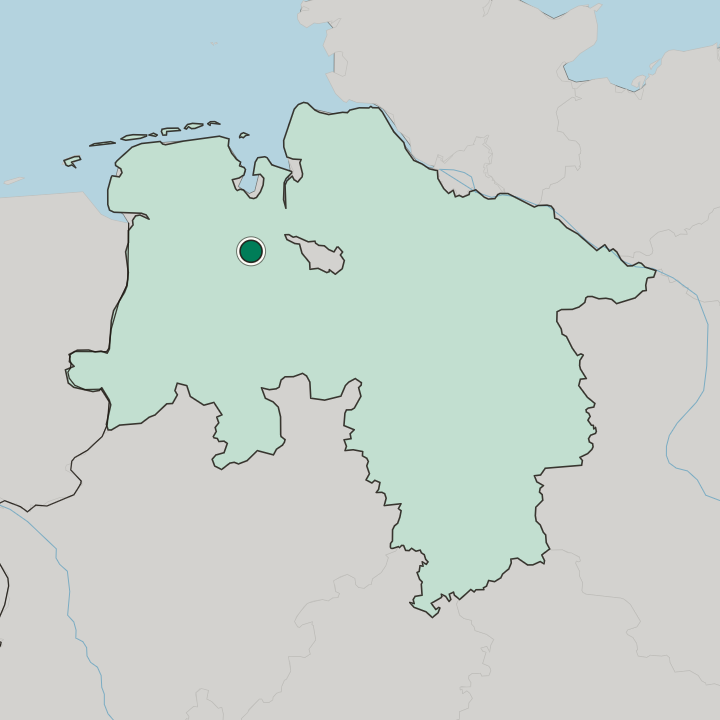
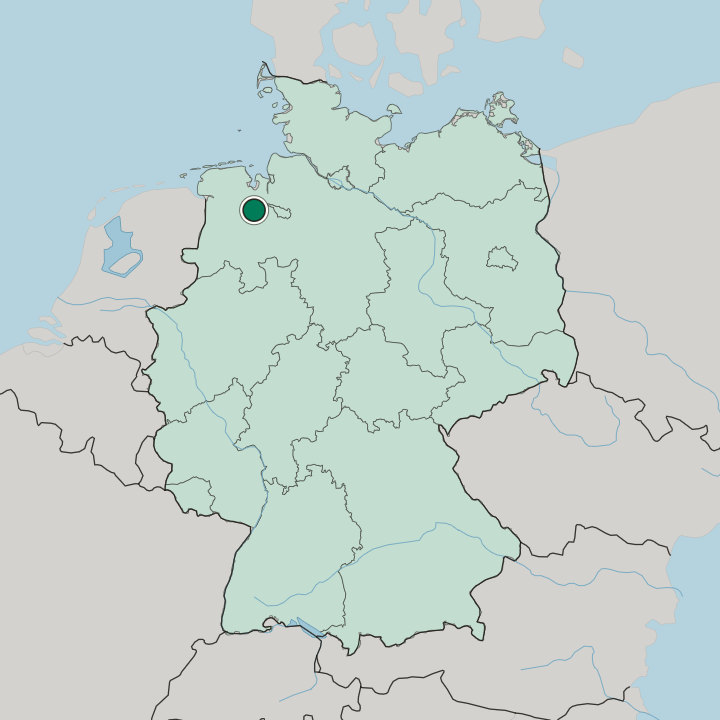
Bremen lies on one side, the Netherlands on the other. Oldenburg occupies the ground between them in Lower Saxony, close enough to the larger city for day trips in both directions and close enough to the border for Dutch traffic to pass through. The city stands independent of any district, which is unusual at this scale and shows in how much of the state's museum estate it holds.
The old centre is small.
What is the climate of Oldenburg?
Weather here arrives from the Netherlands side. Oldenburg sits in the temperate band, so winters turn wet and grey more often than cold, and summer heat rarely holds long enough to empty the cafés of the pedestrian streets. Rain is a fair assumption.
It is why the museums matter to a visit: the Horst Janssen Museum, the Stadtmuseum Oldenburg and the Oldenburg Computer Museum absorb whole afternoons that the old centre cannot.
How do you get to Oldenburg?
Most arrivals come through Bremen. The larger city sits close by, and travellers heading for Oldenburg generally pass it before reaching the pedestrian streets and the Lappan. Road traffic from the Netherlands makes up the other main flow, since the border is near enough that the city works as a stop rather than a destination for anyone crossing between the two countries.
Then it is walking. Inside Oldenburg the Lappan, St Lamberti Church, the Augusteum and the Stadtmuseum Oldenburg fall within one circuit, though the Weser-Ems Halle and Ohmstede church need a bus or a car.
Common questions
What is the best area to stay in Oldenburg?
The Lappan and the pedestrian streets: Short stays wanting the Lappan and the cafés of the pedestrian streets. Around St Lamberti Church: Guests who want St Lamberti Church and the Augusteum at walking distance. The Weser-Ems Halle side: Visitors attending events at the Weser-Ems Halle. Ohmstede: Quieter nights within reach of Ohmstede church.
Good for
More cities in Lower Saxony
Updated October 2026