Germany · Lower Saxony
Where to Stay in Lüneburg, Lower Saxony
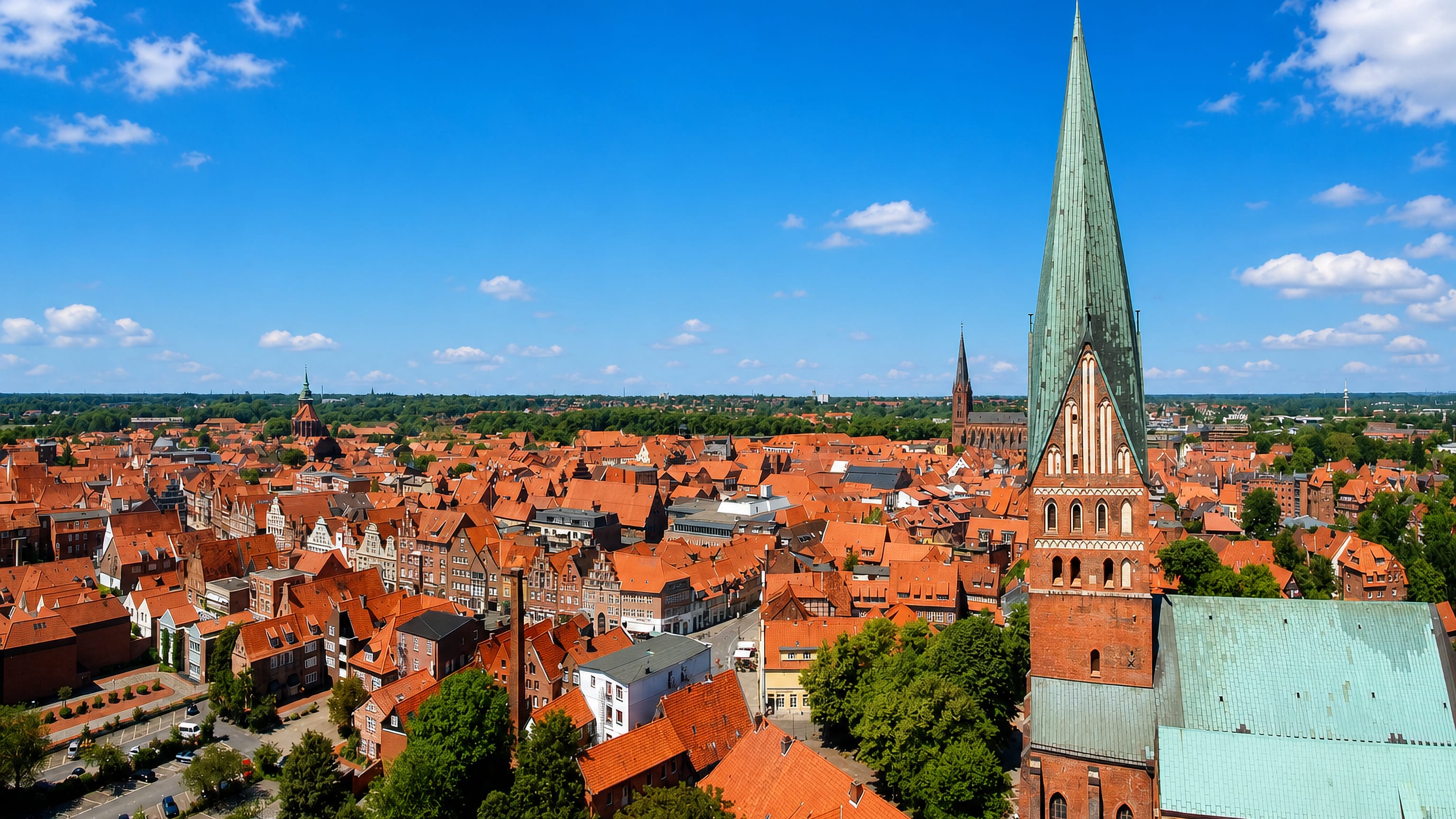
Lüneburg is a Hanseatic town on the Ilmenau in Lower Saxony, ringed by the Lüneburg Heath and known for the salt trade its museum records.
Hotel links are affiliate links: booking through them may earn us a commission, at no extra cost to you. It never affects how places are ranked. How this works


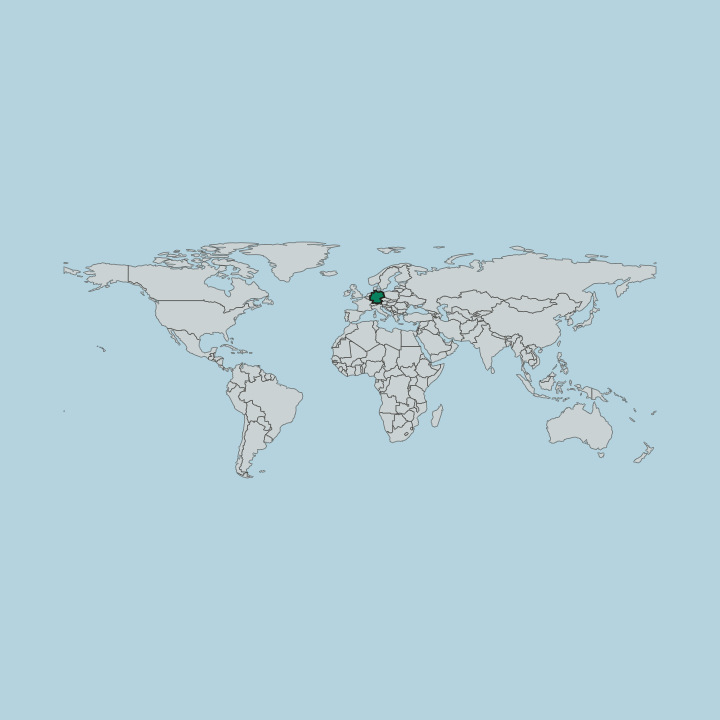
Where to stay in Lüneburg
The right area depends on your trip — here's what each neighbourhood is best for.

 LüneburgGermany
Lüne
Brick walls and a cloister quadrangle mark out Lüne, a district in the north-east of Lüneburg grown up around Kloster Lüne, a convent founded in 1172.Where to stay →LüneburgGermanyOedeme
Oedemer Weg runs the length of Oedeme, a Lüneburg district south-west of the Altstadt, farmland until 1 March 1974. Gut Schnellenberg sits north of it.Where to stay →LüneburgGermanyHäcklingen
Häcklingen is a village-turned-district of Lüneburg, bordered by Rettmer and by Uelzener Straße and part of the town since 1974.Where to stay →Hotel links are affiliate links: booking through them may earn us a commission, at no extra cost to you. It never affects how places are ranked. How this works
Find hotels in Lüneburg
Direct booking searches for these neighbourhoods.
Around the Altes Rathaus
The town hall, the salt museum and the Brömsehaus all fall inside this stretch of old streets.Find hotels in Around the Altes RathausEvenings on the Ilmenau instead of the market streetsBy the Ilmenau
The river side keeps the Lüneburg Water Tower in view and the walk out to Kloster Lüne short.Find hotels in By the IlmenauDrivers using Adendorf or Bardowick as a quieter baseAdendorf and Bardowick
The ring communities swap the old town of Lüneburg for parking and a straight road to Hamburg. Few places to stay nearby — book ahead.Find hotels in Adendorf and BardowickHotel links are affiliate links: booking through them may earn us a commission, at no extra cost to you. It never affects how places are ranked. How this works
Things to do in Lüneburg
Ranked by global recognition; descriptions from Wikidata (CC0).
Museums & Galleries
3- German Salt Museum Heritage
- East Prussian Regional Museum
- Museum Lüneburg
Churches & Religious Sites
3- St. John's Church Heritage
- St. Nicolai Heritage
- Klosterkirche Lüne Heritage
Landmarks & Notable Places
1- Brömsehaus Heritage
worth knowingacross 3 categories in Lüneburg
About Lüneburg
What is Lüneburg known for?
Salt gives Lüneburg its subject, and the German Salt Museum takes up the trade that the town's name is tied to, while the title Hansestadt records its place in the old Hanseatic League. The Altes Rathaus Lüneburg holds the middle. The Lüneburg Water Tower stands above the roofs, and the Brömsehaus belongs to the older houses.
Museum Lüneburg, the Naturmuseum Lüneburg and the East Prussian Regional Museum divide the collections, and the Brauereimuseum Lüneburg keeps a subject of its own. Kloster Lüne lies outside the streets with its Textilmuseum.
What are the main landmarks in Lüneburg?
The German Salt Museum and the Altes Rathaus Lüneburg carry most of what visitors come for, and the Brömsehaus stands among the old houses nearby. The Lüneburg Water Tower breaks the skyline. Museum Lüneburg, the Naturmuseum Lüneburg and the Brauereimuseum Lüneburg take three different subjects.
Kloster Lüne and its Textilmuseum lie outside the centre. The East Prussian Regional Museum, the Gedenkstätte Lüneburg and the Kunstraum of Lüneburg University complete a list longer than the size of the town suggests.
What is the history of Lüneburg?
Salt is the oldest thread. The German Salt Museum keeps that history, and the town's membership of the old Hanseatic League is recorded in the title Hansestadt, granted to it in 2007. The Altes Rathaus Lüneburg stands from the same civic centuries.
Merchant houses like the Brömsehaus survive among the streets, and Kloster Lüne kept a separate life outside them, with the Klosterkirche Lüne beside it. The Lüneburg Water Tower belongs to a later and more practical century. The twentieth century left harder marks, and the Gedenkstätte Lüneburg, a memorial stone where the synagogue stood, and a memorial to the victims of National Socialist rule all record them.
Museums multiplied after that. Museum Lüneburg, the Lüneburger Museum and the Naturmuseum Lüneburg divide the local record, while the East Prussian Regional Museum looks further afield. Brewing got its own house at the Brauereimuseum Lüneburg.
Leuphana University brought students into the town, and the Kunstraum of Lüneburg University belongs to that side of its life. Christ-König and the older churches carry the parish record between them. Lüneburg is the seat of its own district.
Where is Lüneburg?
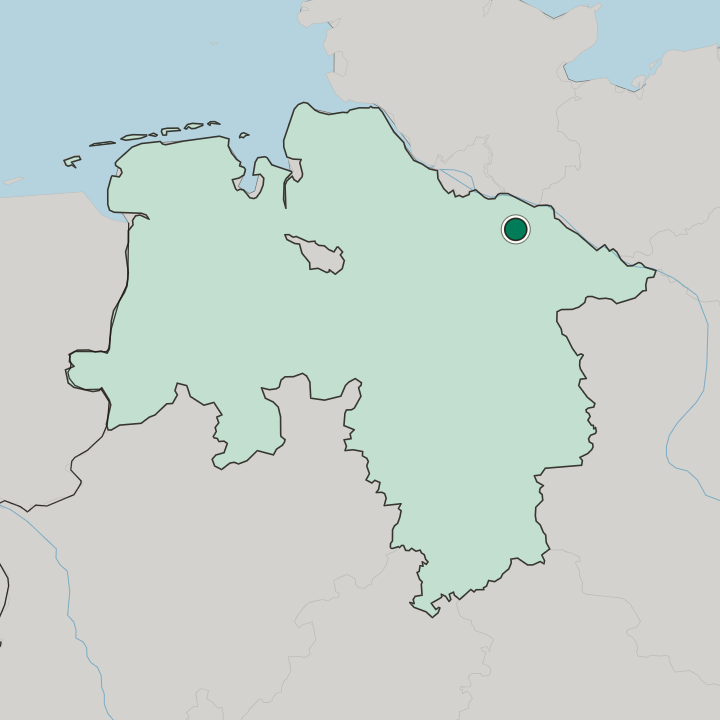
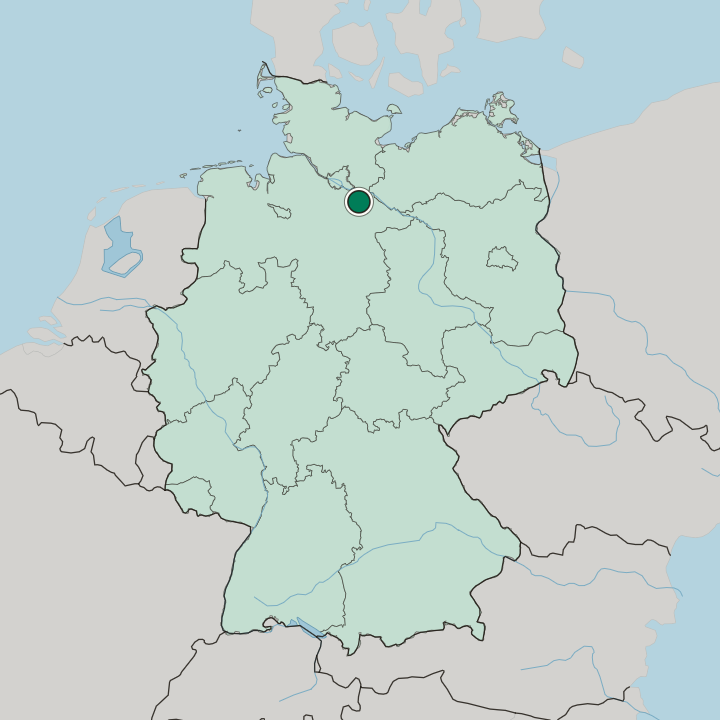
The Ilmenau runs through the town. Lüneburg stands on that river about 50 km southeast of Hamburg, with the Lüneburg Heath spread around it and the flat country of Lower Saxony carrying on beyond. Adendorf, Bardowick, Barendorf and Reppenstedt ring the built-up part.
Hamburg's wider region takes the town in, which puts a city of that size within easy reach of the heath.
What is the climate of Lüneburg?
The Lüneburg Heath is open ground, and weather crosses it without much to stop it, so wind is a constant of the year here. Summers stay mild. Rain arrives in every season, heaviest when the air comes off the sea.
Frost turns up along the Ilmenau through the darkest weeks, though deep snow is not the rule on this low ground.
How do you get to Lüneburg?
Hamburg sits 50 km away. Lüneburg lies southeast of it inside the same metropolitan region, which makes the connection a commuter matter rather than a long journey, and most arrivals come through that city. The Lüneburg Heath spreads out on the other sides.
Inside the town the old streets are walkable, and Kloster Lüne and the outlying communities of Adendorf and Bardowick need wheels.
Common questions
What is the best area to stay in Lüneburg?
Around the Altes Rathaus: A first stay wanting the Altes Rathaus Lüneburg and the German Salt Museum on foot. By the Ilmenau: Evenings on the Ilmenau instead of the market streets. Adendorf and Bardowick: Drivers using Adendorf or Bardowick as a quieter base.
Good for
More cities in Lower Saxony
Updated October 2026