Germany · Lower Saxony
Where to Stay in Hannover, Lower Saxony
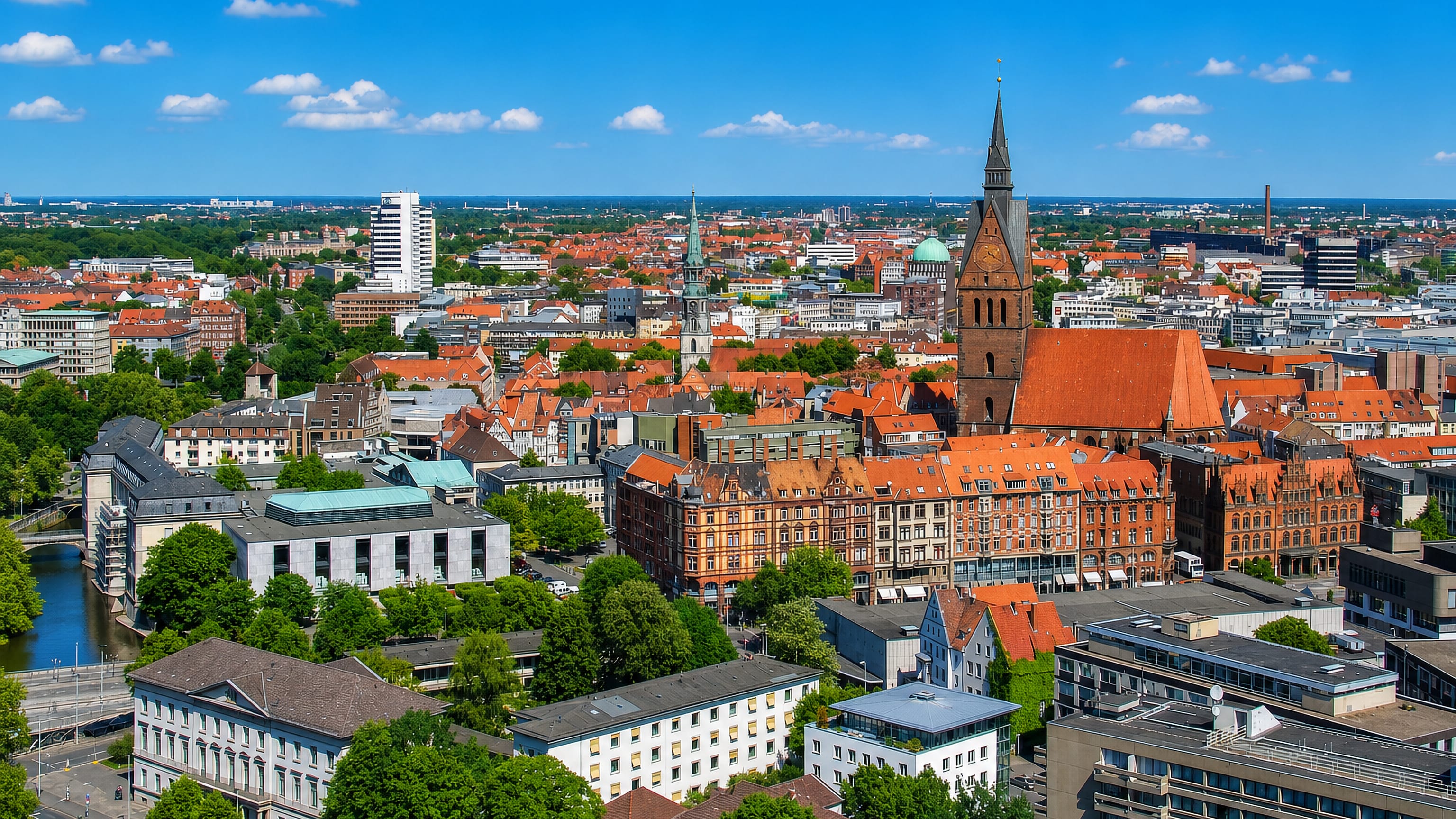
Red brick Gothic rises over the Leine at Hannover, capital of Lower Saxony, known for the baroque gardens at Herrenhausen and its trade fairs.
Hotel links are affiliate links: booking through them may earn us a commission, at no extra cost to you. It never affects how places are ranked. How this works


Where to stay in Hannover
Where you base yourself shapes the visit — here's the character of each area.

 HannoverGermany
Mitte
Inside the ring, with the Aegidienkirche ruin and the main station at handMitte →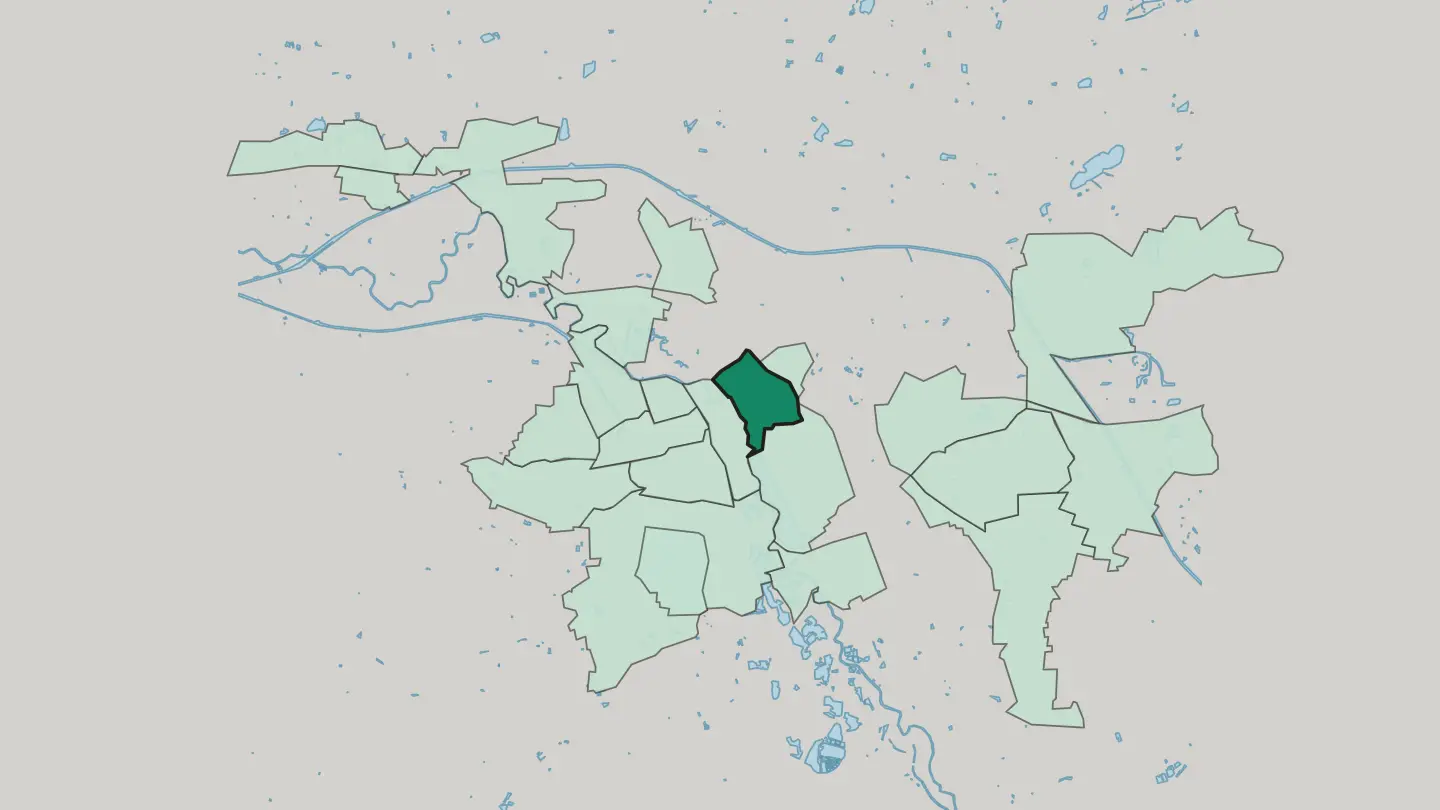 HannoverGermany
Südstadt
Between the dug lake and the Eilenriede, quiet once the offices emptySüdstadt →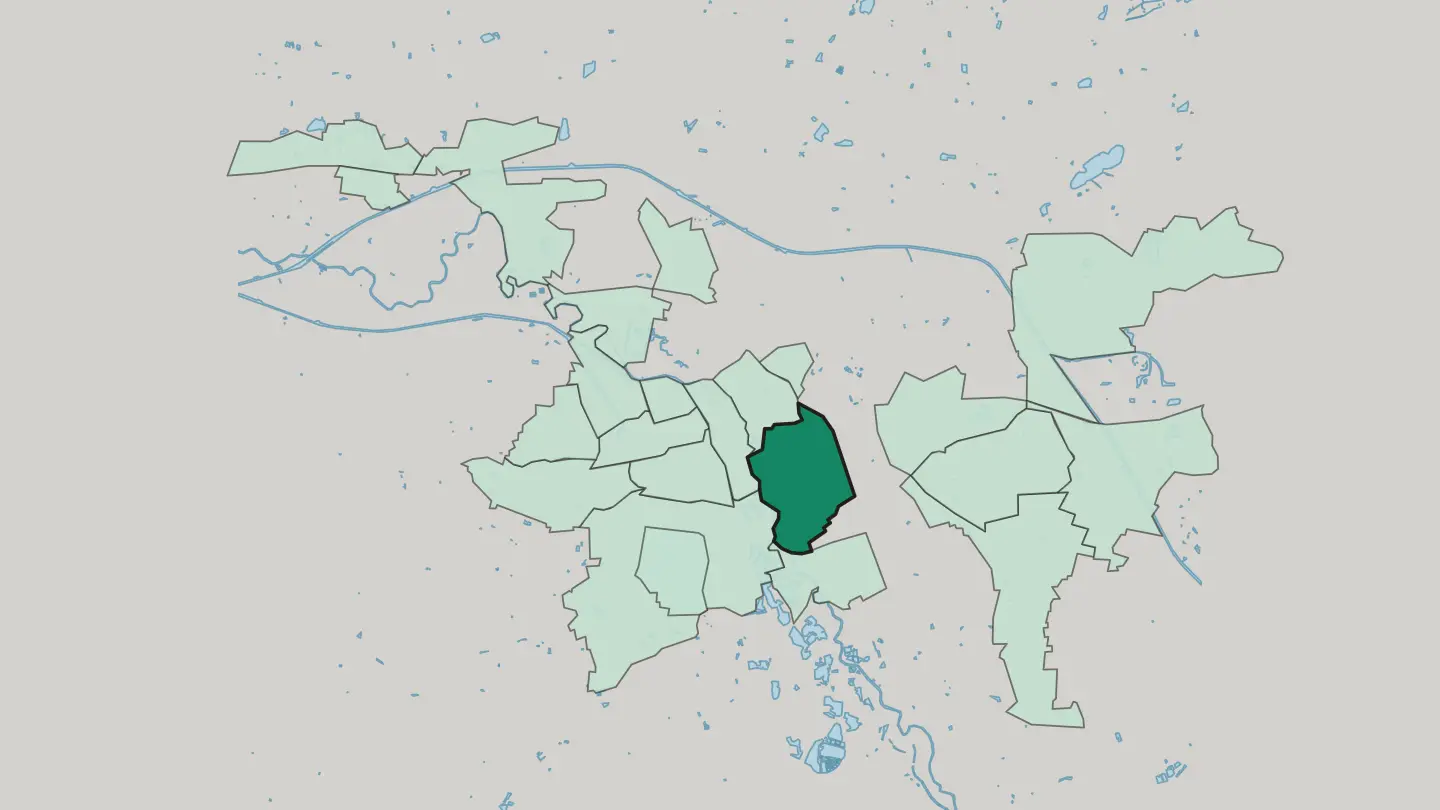 HannoverGermanyEating where the students eat
Linden
Over the Ihme in the old factory quarter of brick tenementsLinden → HannoverGermany
Herrenhausen
Out beside the gardens and the Herrenhäuser ChurchHerrenhausen →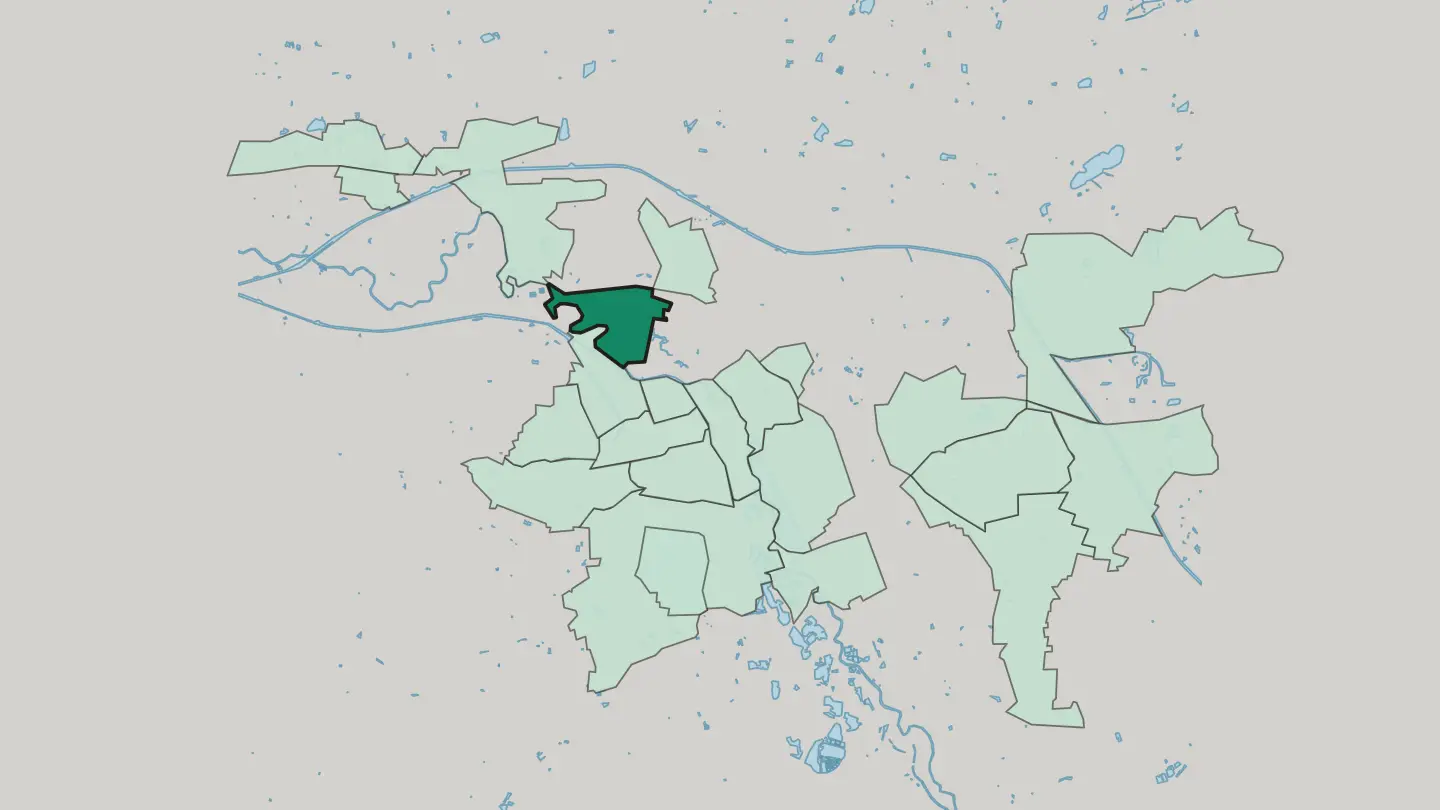
 HannoverGermany
Calenberger Neustadt
Calenberger Neustadt is the Hannover district of the Sprengel Museum, the Market Church and the Leineinsel Klein-Venedig.Where to stay →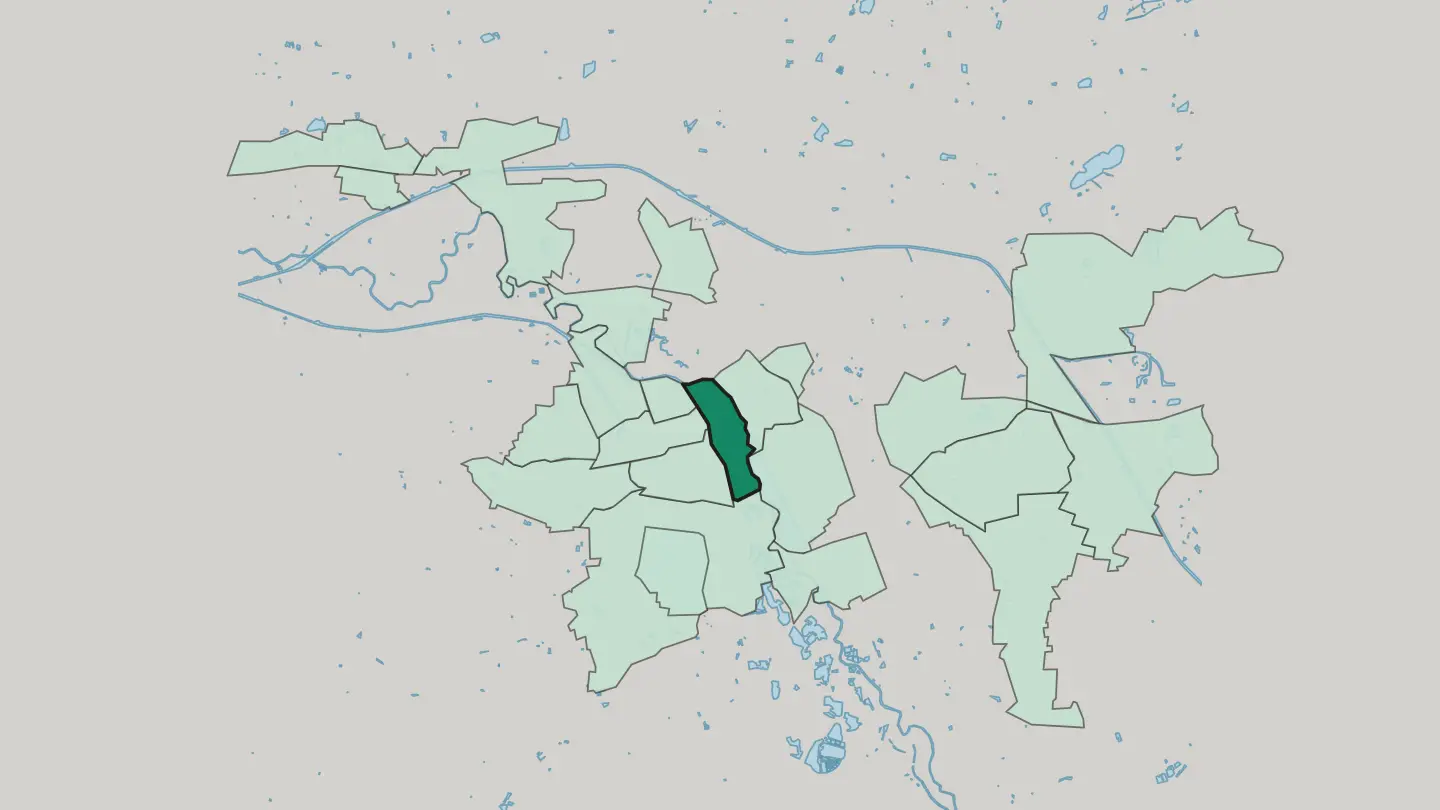 HannoverGermany
Linden-Süd
Linden-Süd lists the Sprengel Museum, the August Kestner Museum and the Beginenturm among the names attached to this part of Hannover.Where to stay →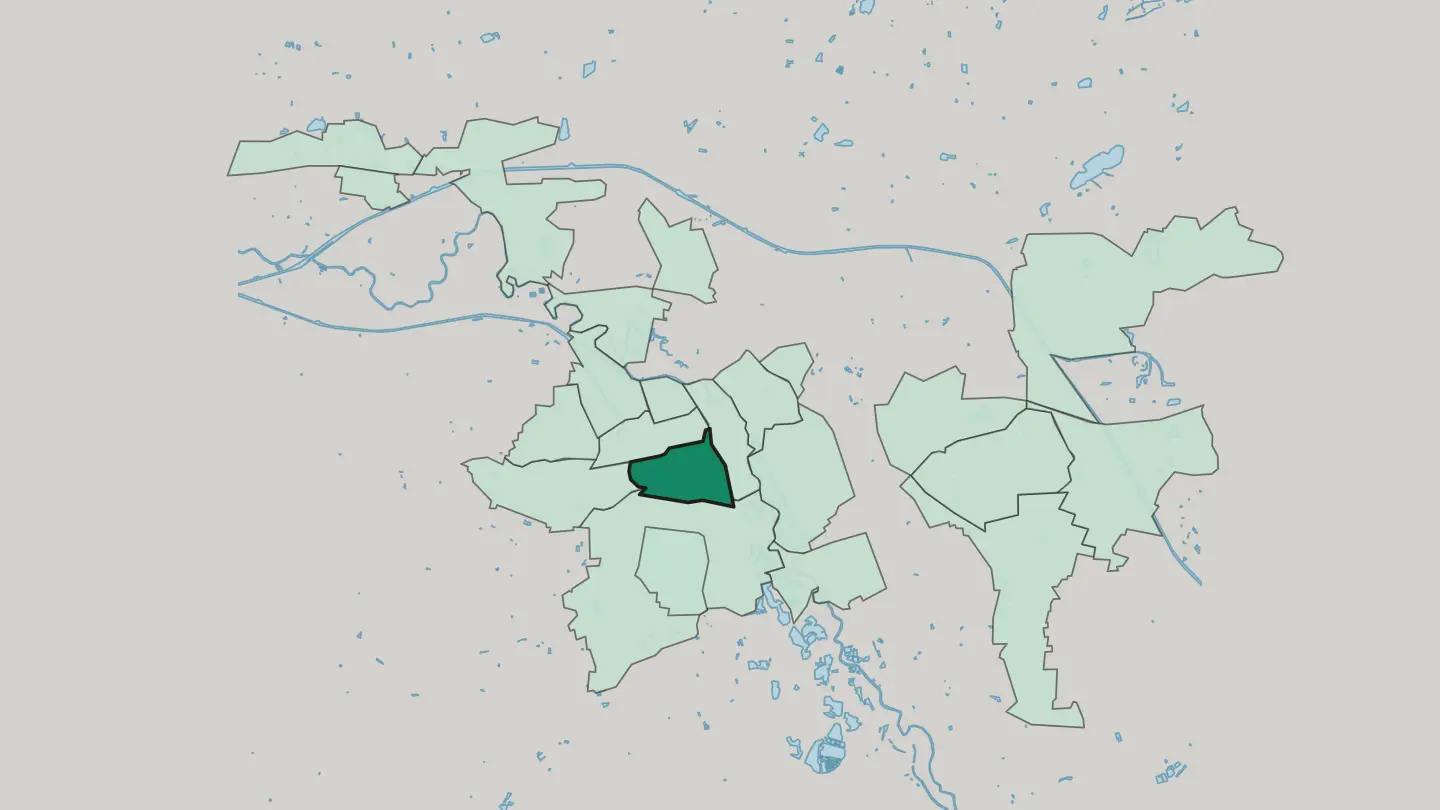
 HannoverGermany
Oststadt
Oststadt is a district of Hannover where the Christuskirche, the Lukaskirche and the Schillerdenkmal stand among close-built streets.Where to stay →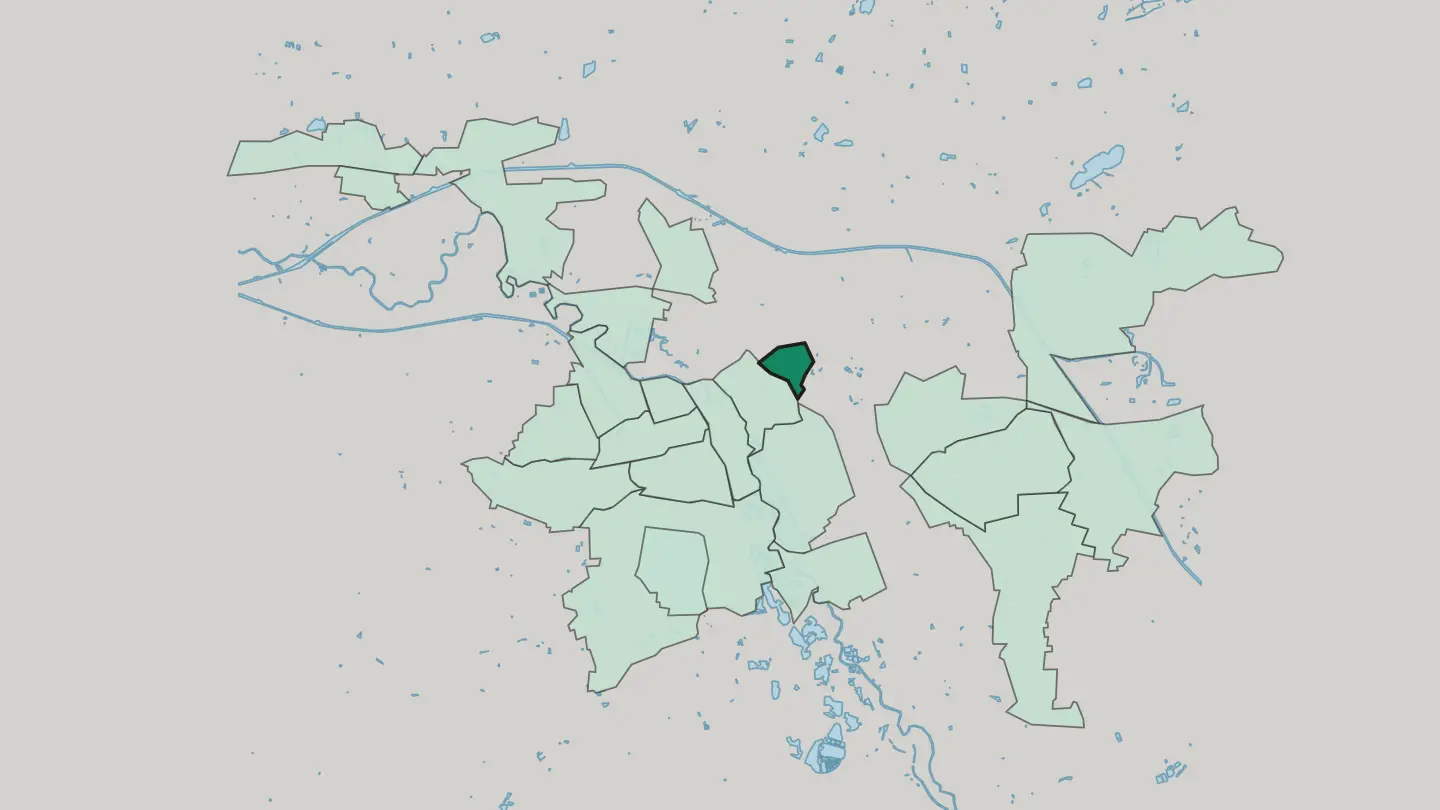 HannoverGermany
Linden-Mitte
Linden-Mitte packs churches and museums into one slice of Hannover, from the Basilica St. Clemens to the Kindermuseum Zinnober.Where to stay →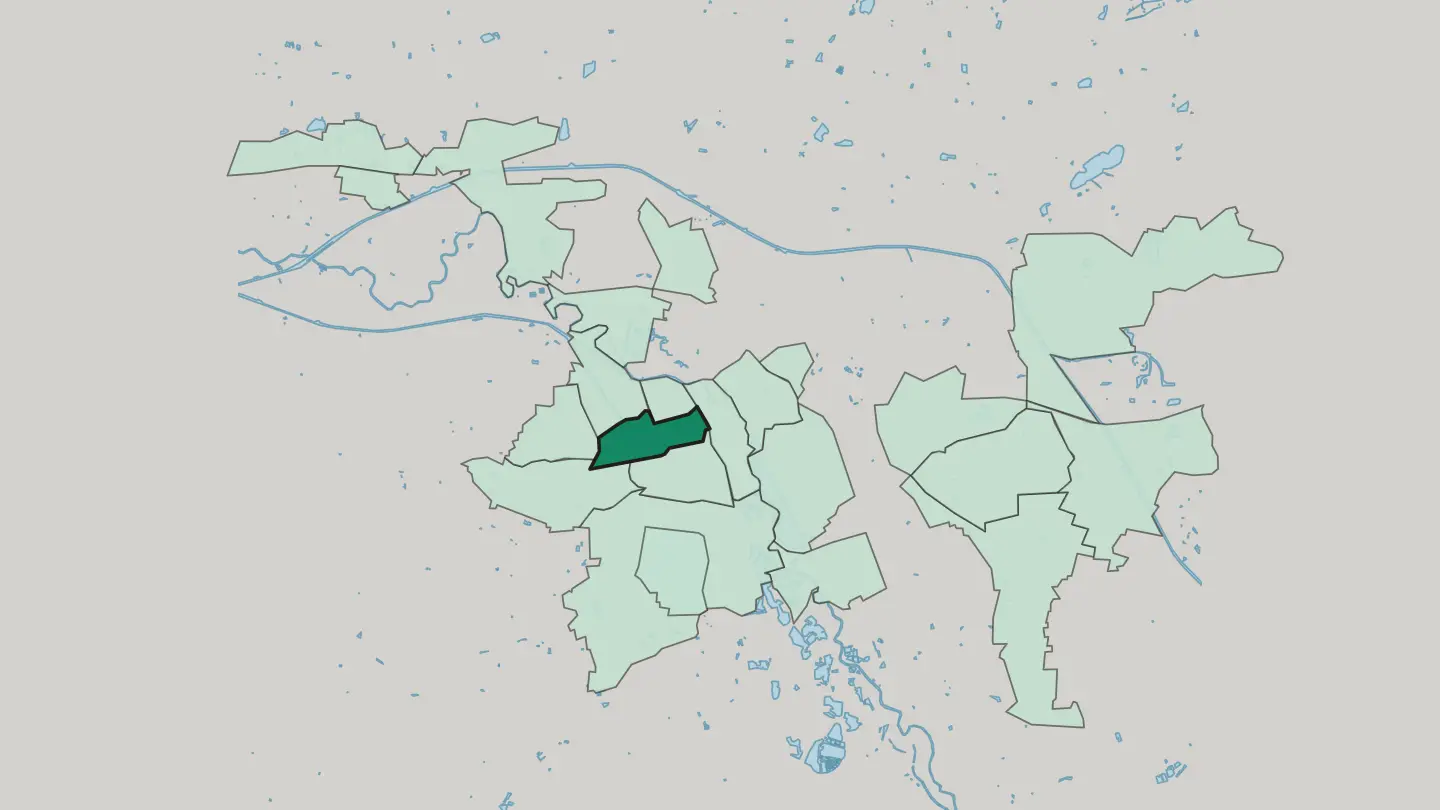 HannoverGermany
Linden-Nord
Art comes first in Linden-Nord: the Wilhelm Busch Museum and the Sculpture Mile, with Burg Lauenrode and the parish churches behind them.Where to stay →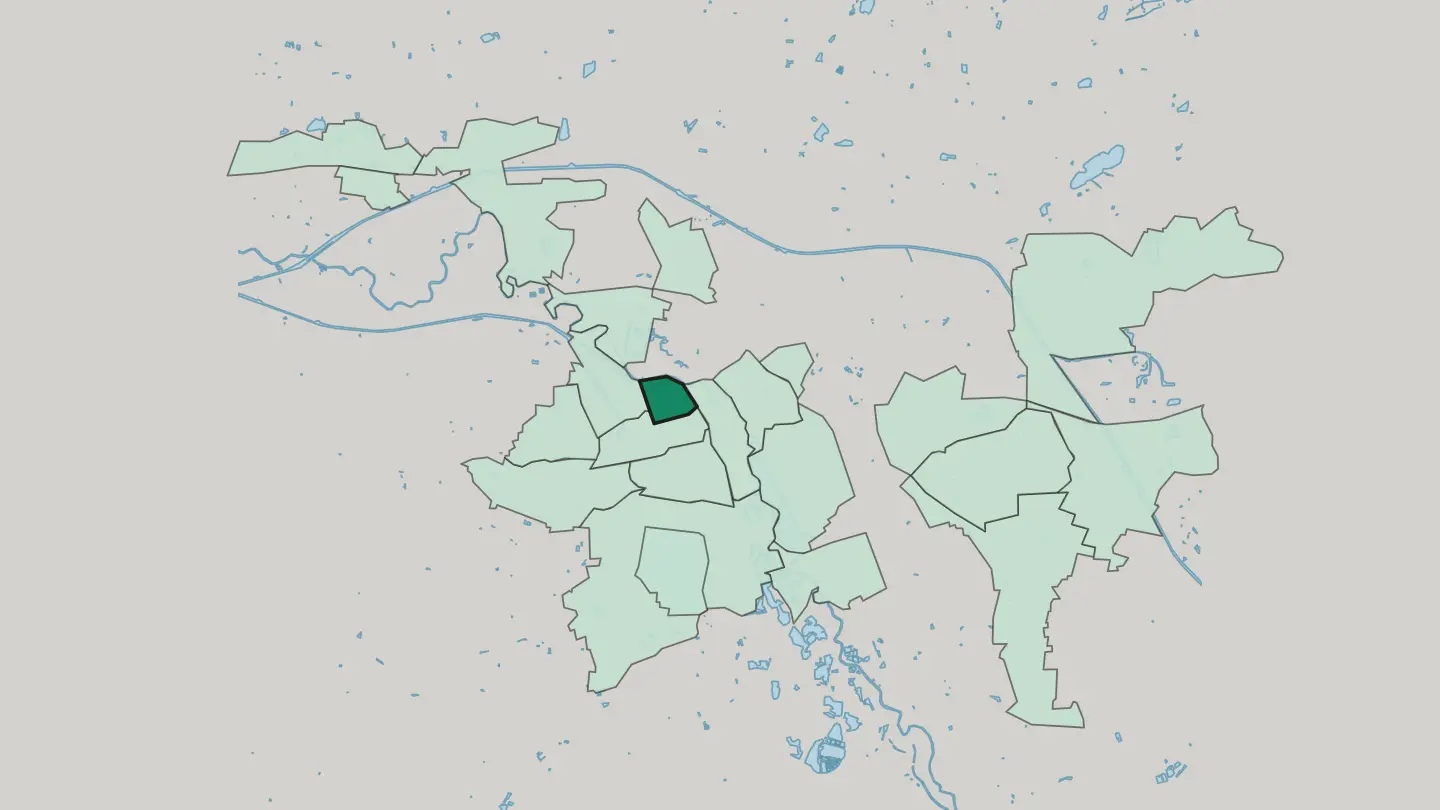 HannoverGermany
Vahrenwald
Vahrenwald is a Hannover quarter whose entire listed record is three churches, among them the Heilig-Geist-Kirche and the Matthäuskirche.Where to stay → HannoverGermany
Limmer
Burg Limmer and the St.-Nikolai-Kirche head the register in Limmer, a Hannover district of parish buildings and memorial ground.Where to stay →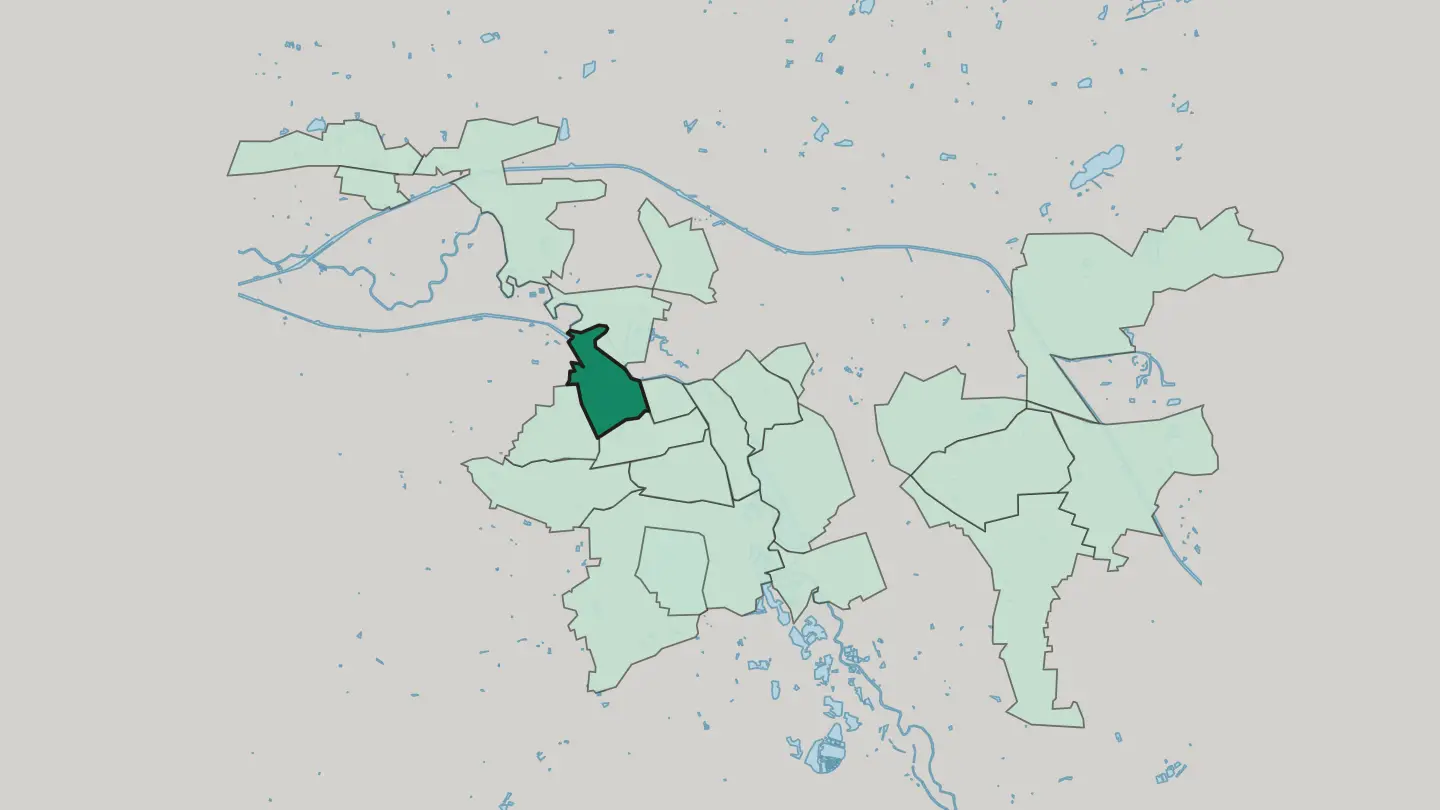 HannoverGermany
Waldhausen
A tower, a bastion, three churches and two grave monuments make up the record of Waldhausen, a quarter of Hannover.Where to stay →All neighbourhoods (29)
HannoverGermany
Ricklingen
Ricklingen is a district of Hannover marked by the Michaeliskirche and the Memorial site An der Bauerwiese.Where to stay →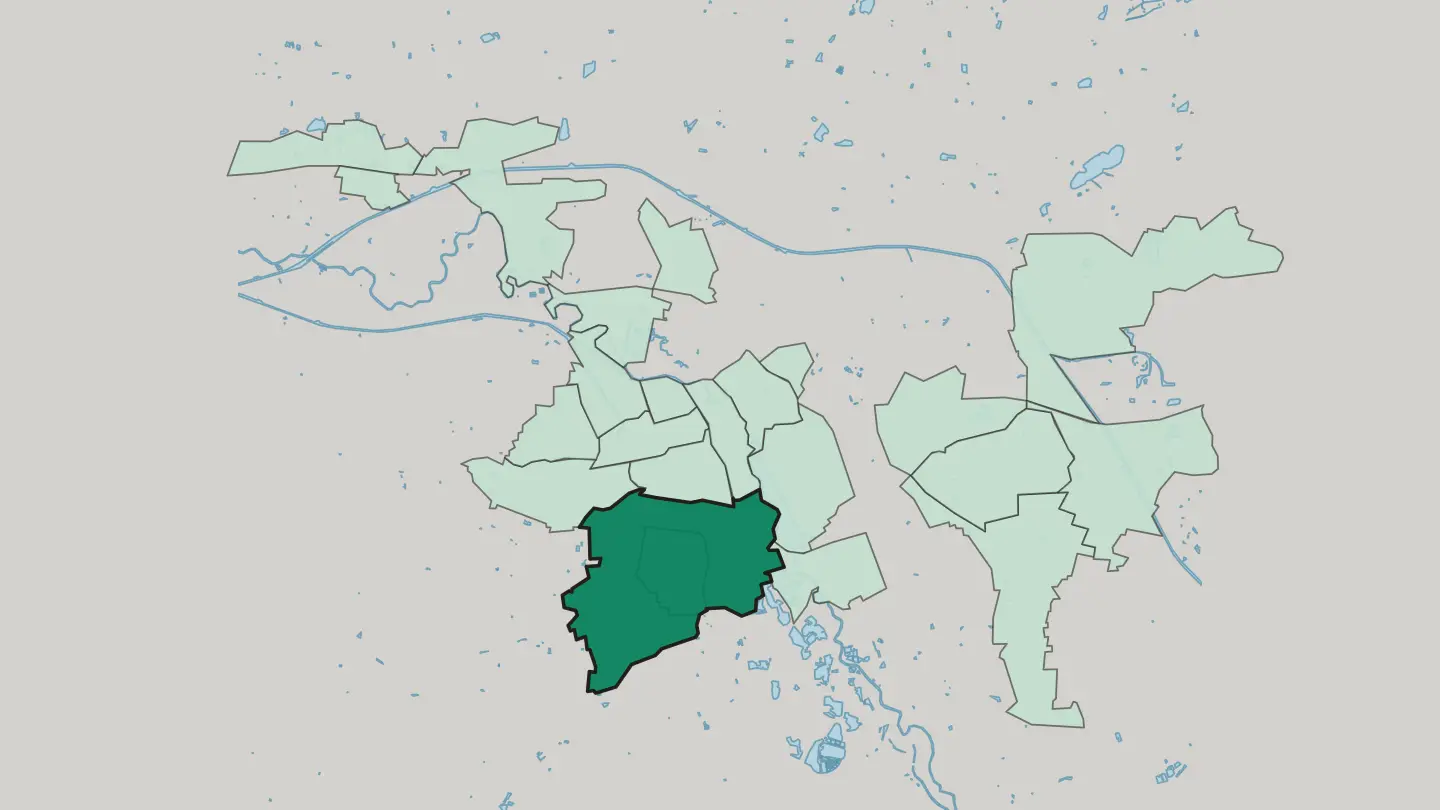
 HannoverGermany
Hainholz
Hainholz is a district of Hannover holding the Vahrenwalder Kirche, a bust of Heinrich Reinhold, and a listed house on An der Strangriede.Where to stay →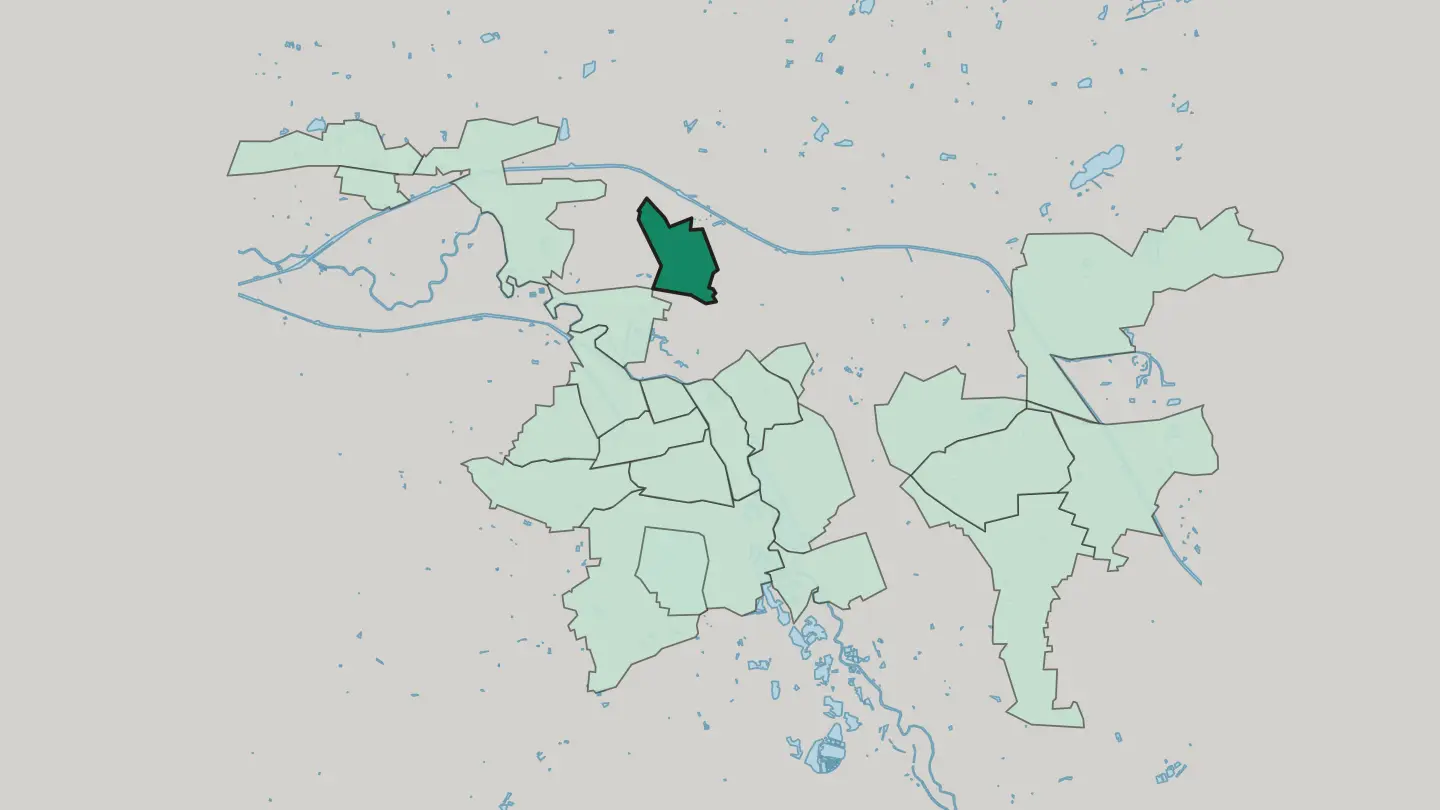 HannoverGermany
Oberricklingen
Oberricklingen is a quarter of Hannover in the Ricklingen borough, an almost square district about a kilometre on each side.Where to stay →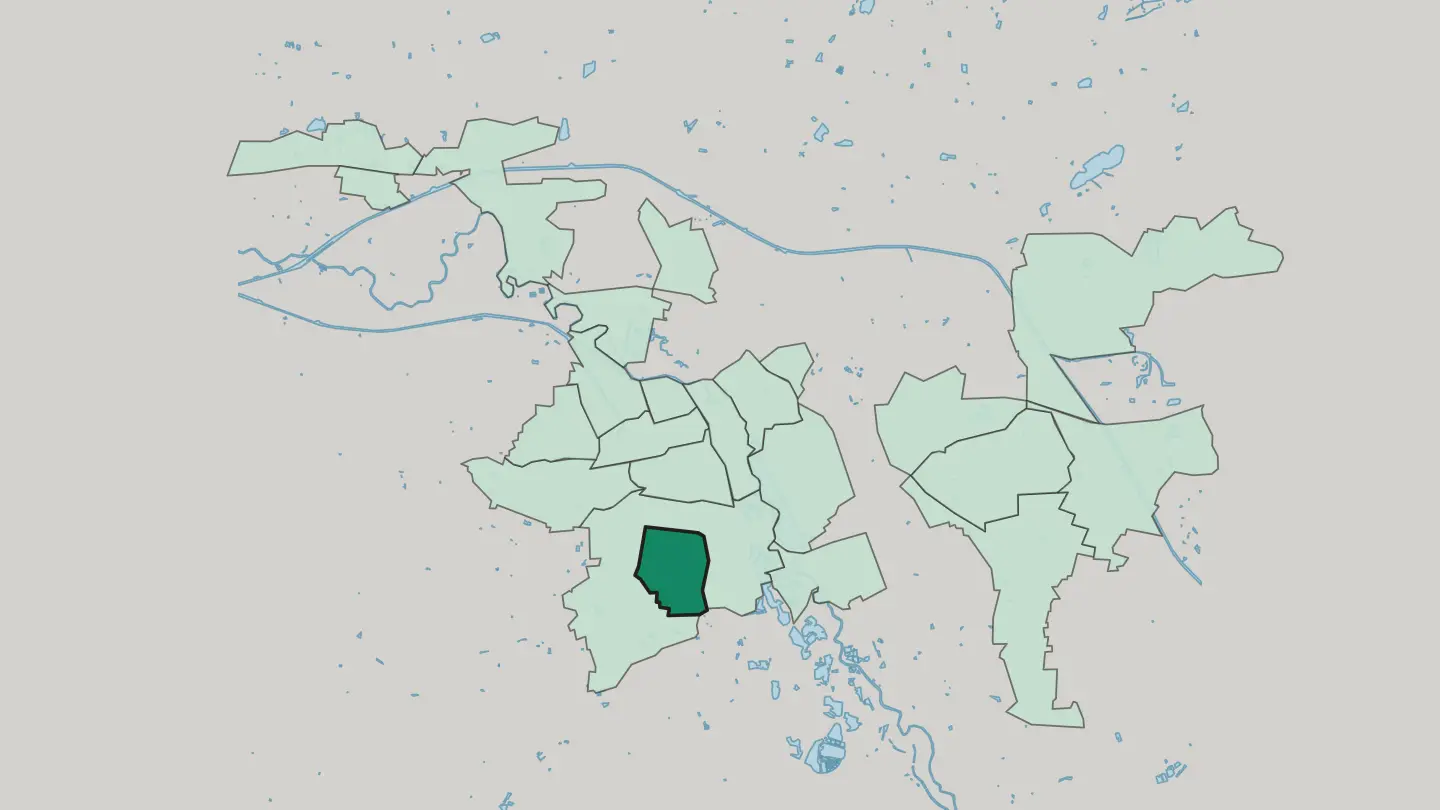 HannoverGermany
Waldheim
Waldheim is a Hannover Stadtteil roughly five kilometres out from the centre, counted within the Stadtbezirk Döhren-Wülfel.Where to stay → HannoverGermany
Kleefeld
Kleefeld is a district of Hannover marked by the Pferdeturm tower, four parish churches, and the museum of the Münzkabinett der TUI AG.Where to stay →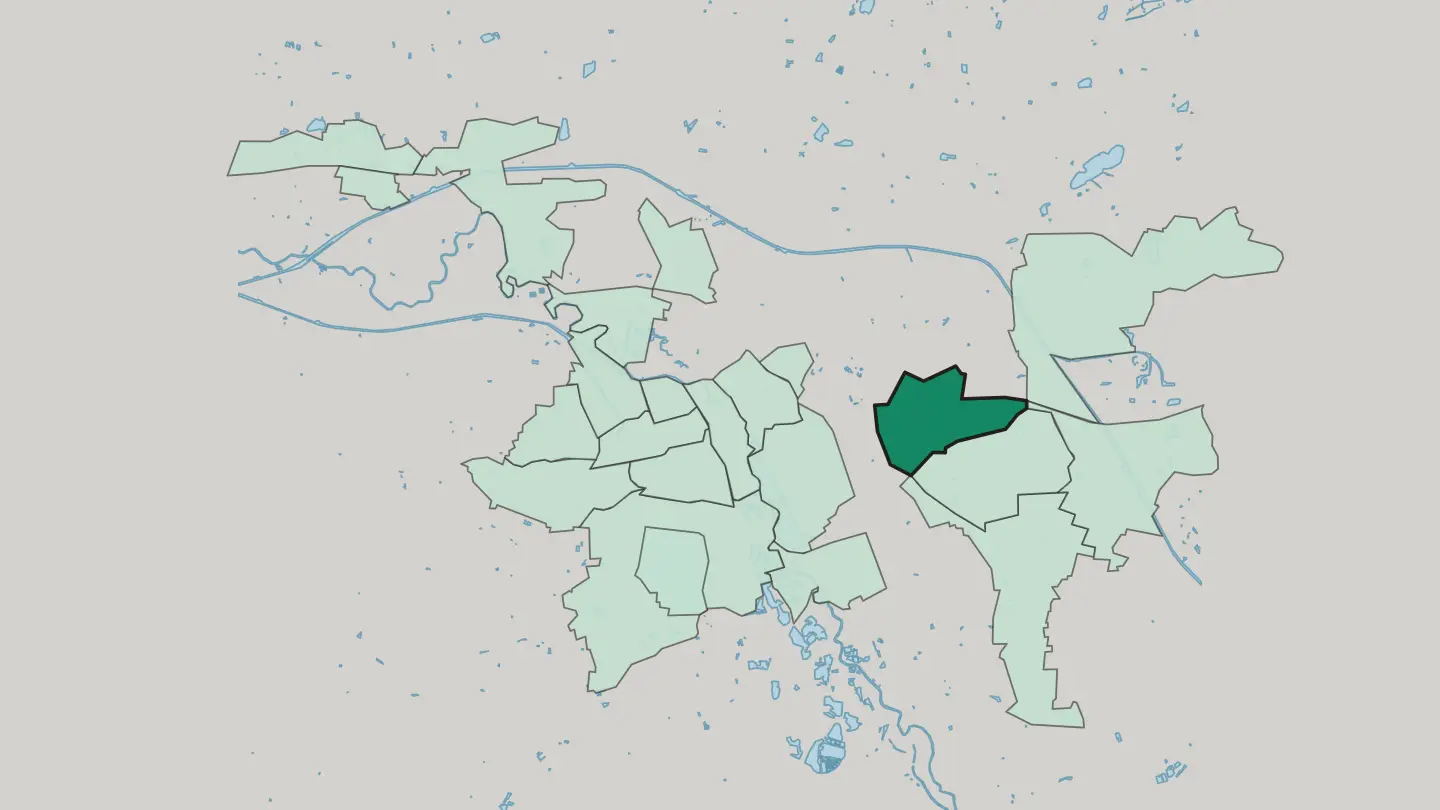 HannoverGermany
Davenstedt
Davenstedt is a district of Hannover carrying the Gedenkstätte Ahlem and the Wand der Namen alongside its parish churches.Where to stay →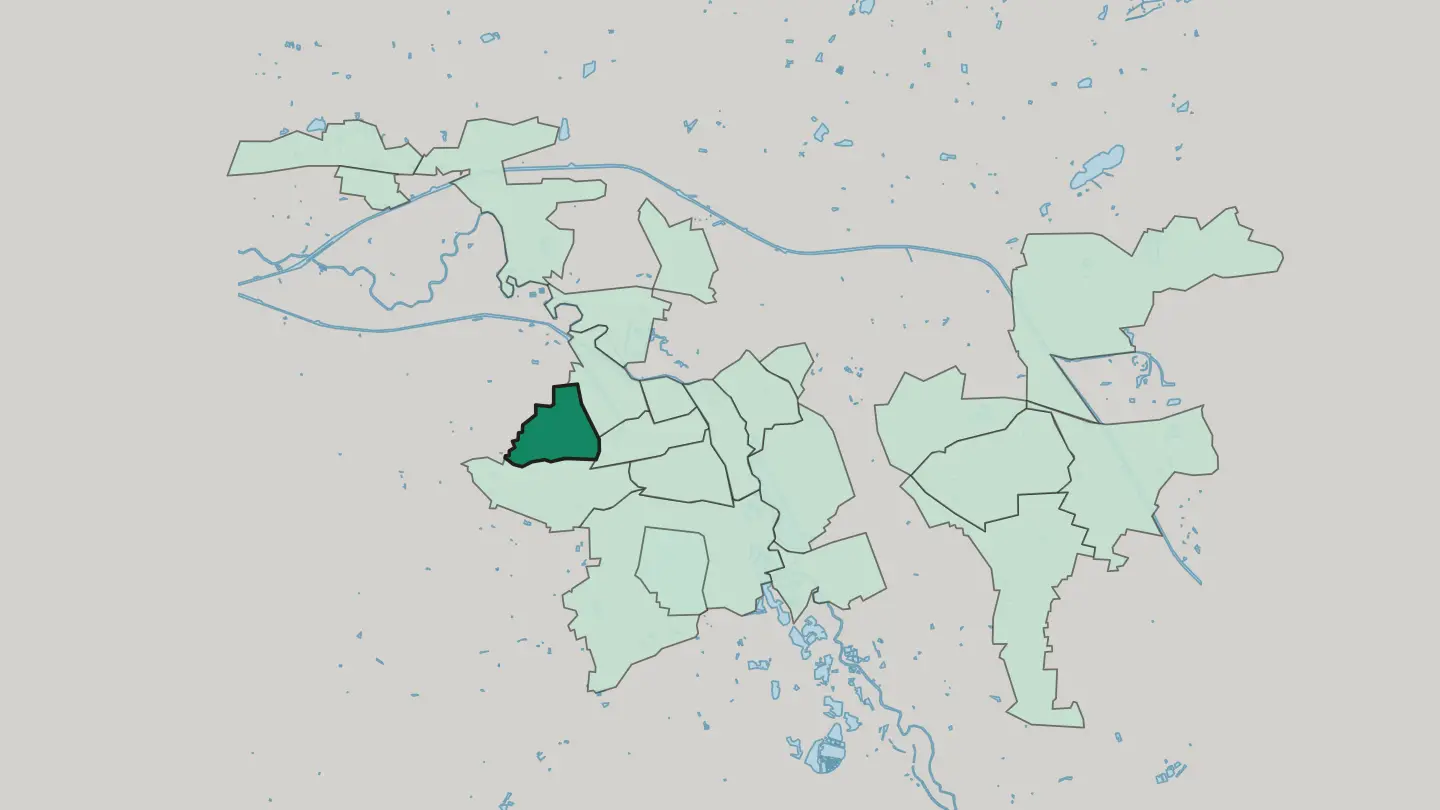
 HannoverGermany
Döhren
Döhren is a Stadtteil in the north-west of Hannover's Döhren-Wülfel borough, crossed by the Hildesheimer Straße.Where to stay →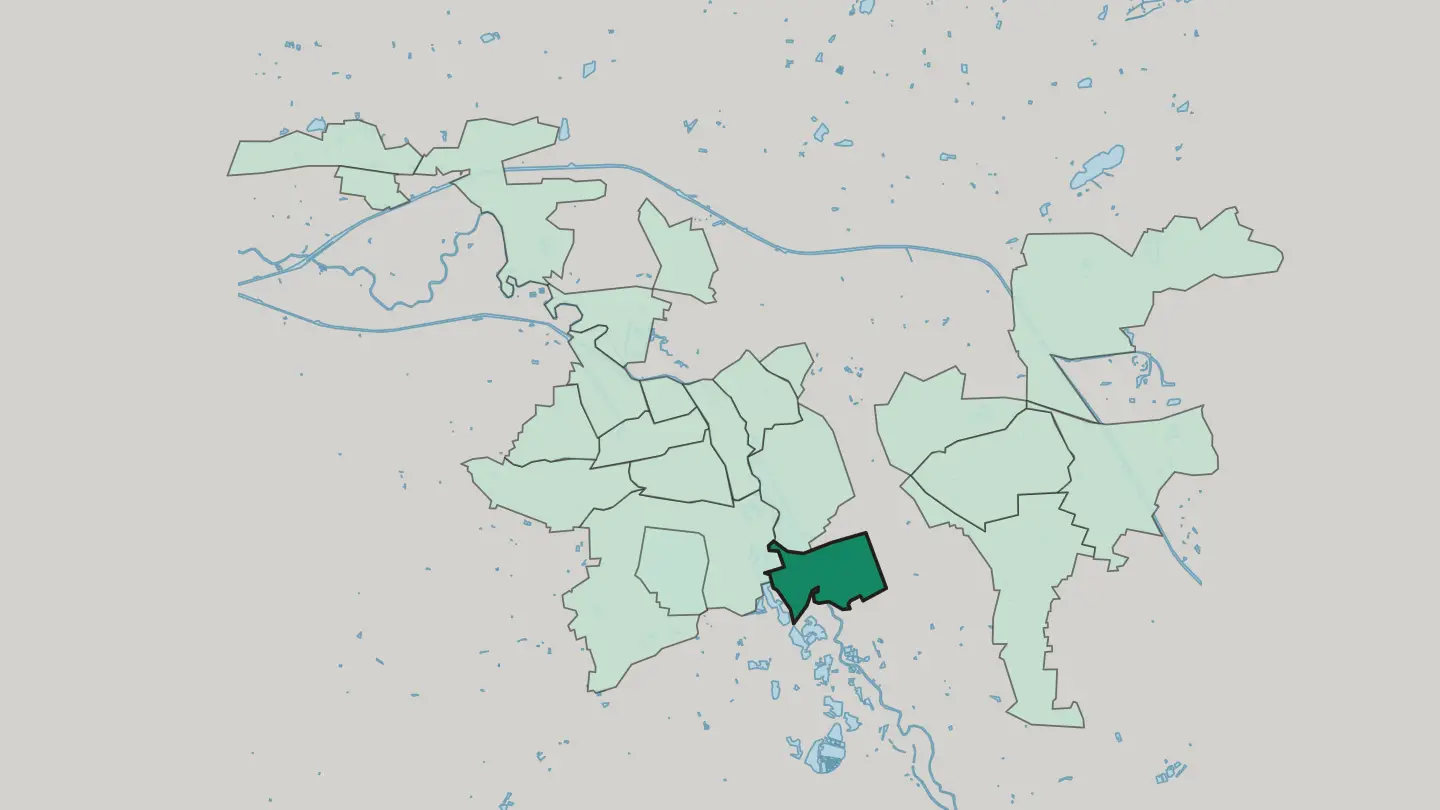 HannoverGermany
Badenstedt
Badenstedt is the corner of Hannover that keeps the Niedersächsisches Museum für Kali- und Salzbergbau, potash and salt underground.Where to stay →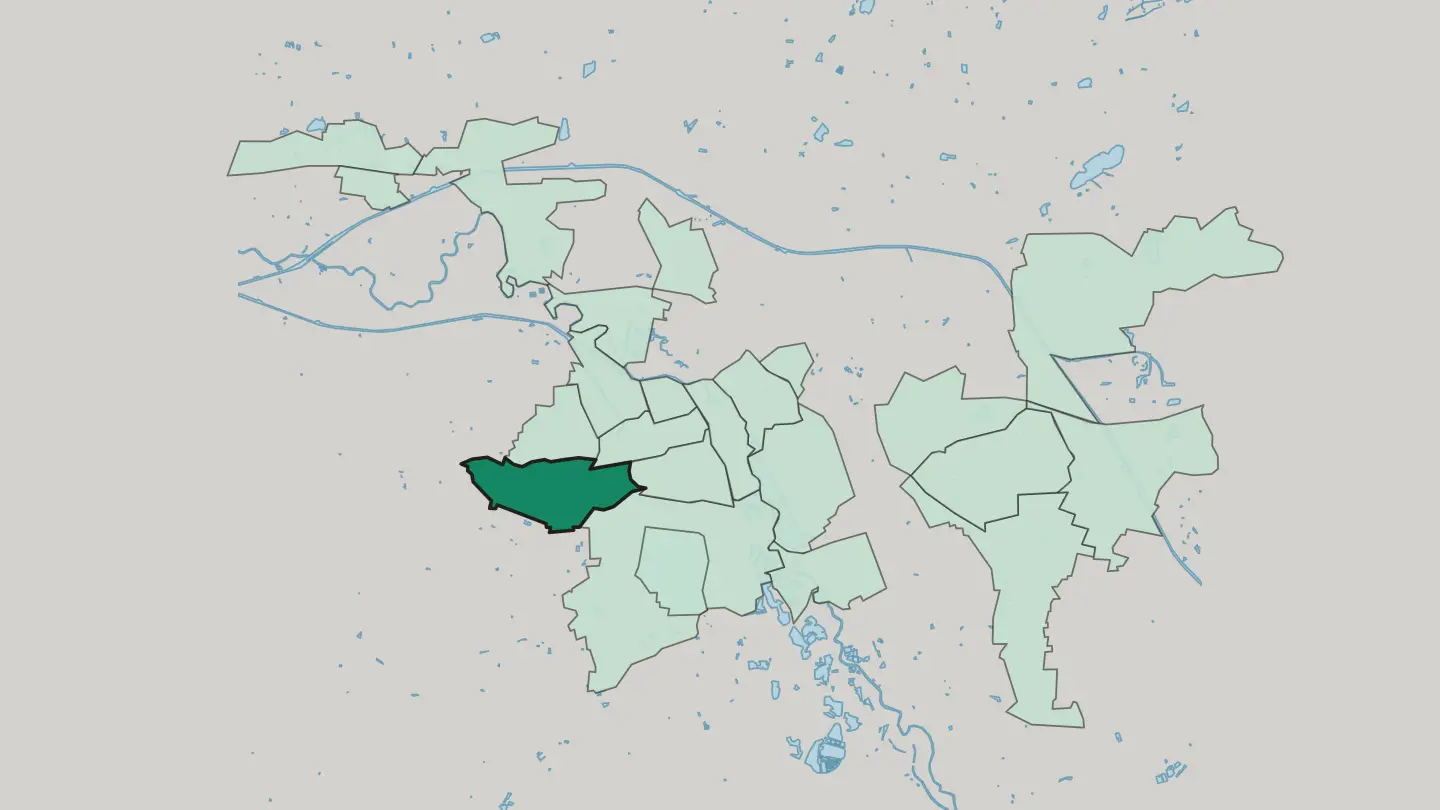 HannoverGermany
Wülfel
Wülfel is a Hannover quarter with two museums on its list: the Aviation Museum Hannover-Laatzen and the Friedhofsmuseum Hannover.Where to stay →HannoverGermanyKirchrode
Kirchrode is a district of Hannover holding the parkland of the Tiergarten Hannover and three small museums among its streets.Where to stay → HannoverGermany
Stöcken
Stöcken is a district of Hannover in Lower Saxony, with the Corvinuskirche among the few named places on its ground.Where to stay →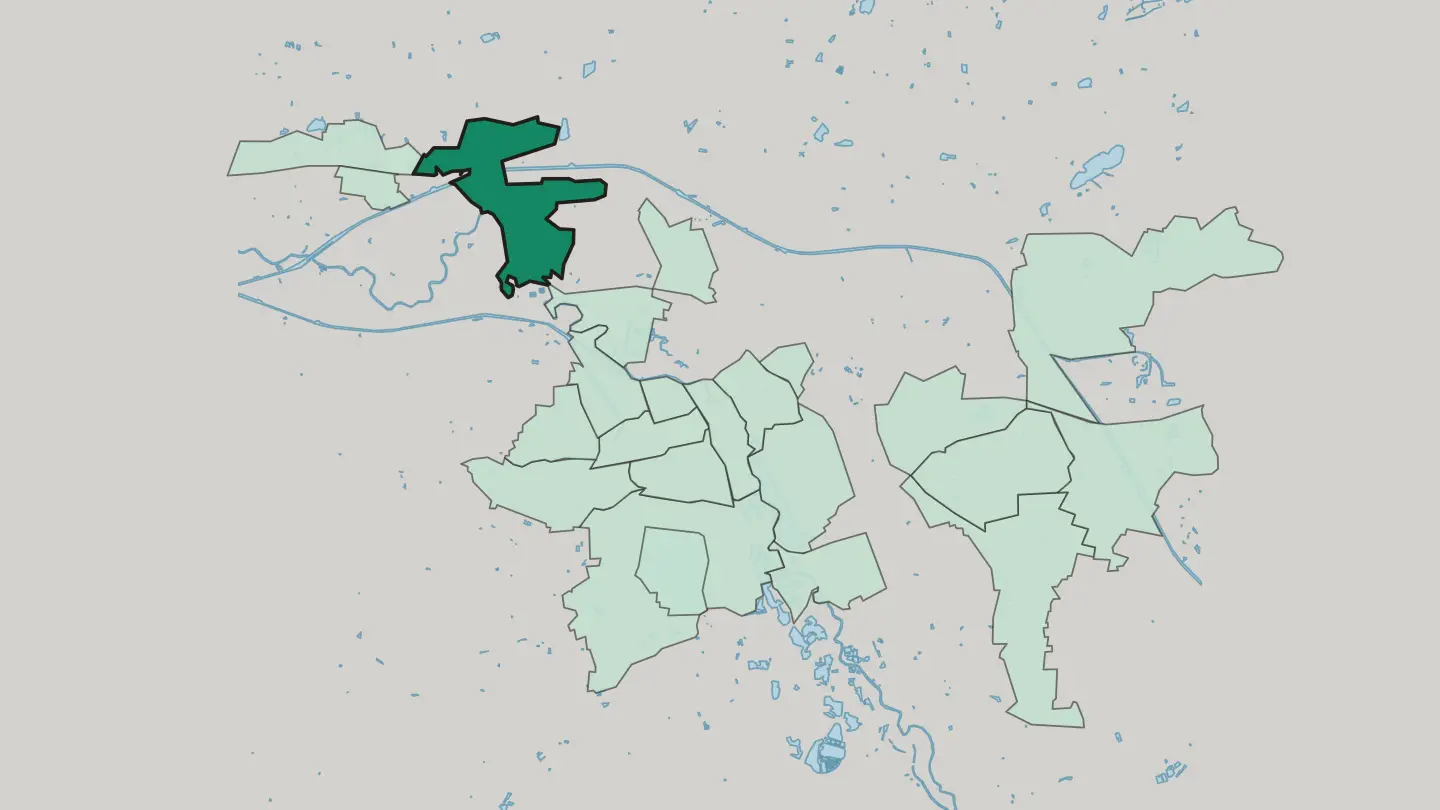
 HannoverGermany
Bemerode
Bemerode is a Stadtteil of Hannover, an old village first named in 1204 that now also takes in the Expo 2000 housing quarter on the Kronsberg.Where to stay → HannoverGermany
Anderten
Anderten is a district of Hannover whose register runs from the Tiergarten Hannover to a stone cut for a thousand years of the settlement.Where to stay →HannoverGermanyMisburg
Misburg is a district of Hannover in Lower Saxony, paired with Anderten and marked by Misburger Hafen and the Anderten lock.Where to stay →HannoverGermanyMisburg-Nord
The Misburg water tower and two church dedications make up almost the whole register of Misburg-Nord, a district of Hannover.Where to stay →HannoverGermanyAuf der Horst
A district of Hannover, Auf der Horst puts three churches and the Heimatmuseum Garbsen on the map and very little else.Where to stay → HannoverGermany
Garbsen-Mitte
Garbsen-Mitte is a district of Hannover whose listed heritage comes down to three churches, Church Willehadi among them.Where to stay →Hotel links are affiliate links: booking through them may earn us a commission, at no extra cost to you. It never affects how places are ranked. How this works
Things to do in Hannover
Ranked by global recognition; descriptions from Wikidata (CC0).
Museums & Galleries
3- Landesmuseum Hannover Heritage
- August Kestner Museum Heritage
- Galeriegebäude Herrenhausen Heritage
Churches & Religious Sites
8- Market Church Heritage
- Aegidienkirche Heritage
- Church of the Holy Cross Heritage
- Basilica St. Clemens Heritage
- Christuskirche Heritage
Show 3 more →
- Neustädter Hof- und Stadtkirche St. Johannis Heritage
- Marcus Church Heritage
- Gartenkirche St. Marien Heritage
Castles & Historic Sites
5- Egestorff memorial Heritage
- Duellstein Heritage
- Sackmann memorial Heritage
- Monument Ostergrube Heritage
- Grabmonument Pipo-Steinbach Heritage
Nature & Outdoors
2- Tiergarten Hannover
- Hiroshima-Hain
Landmarks & Notable Places
4- VW tower Heritage
- Beginenturm Heritage
- Hannoversche Straße 92, Hannover Heritage
- Wasserwerk Misburg Heritage
worth knowingacross 5 categories in Hannover
About Hannover
What is Hannover known for?
Hannover is the capital of Lower Saxony and Germany's trade-fair city, with exhibition halls built out for the Expo of 2000. Trade shows fill it. The baroque parterres at Herrenhausen, the modern collection of the Sprengel Museum and the burnt shell of the Aegidienkirche give the other Hannover, and the Sculpture Mile carries art along the road into the middle of town.
What are the main landmarks in Hannover?
Hannover's landmarks ring a rebuilt old town. The Market Church raises its brick tower over the middle, and the Aegidienkirche stands roofless a few streets away as a war memorial. Leibniz lies in the Neustädter Hof- und Stadtkirche.
Art comes next: the Sprengel Museum, the Landesmuseum Hannover, the August Kestner Museum and the Wilhelm Busch Museum sit along the water and the Sculpture Mile, while the Döhrener Turm survives to the south from the outer works of the medieval town.
What is the history of Hannover?
Hannover began at a crossing of the Leine. A market village on the high bank grew into a walled town under the Welf dukes, and Burg Lauenrode guarded the river until the townsmen pulled it down. The dukes then made it a residence.
Their gardeners laid out the great parterre at Herrenhausen in the Dutch manner, and their librarian, Gottfried Wilhelm Leibniz, served the house for forty years and was buried in the Neustädter Hof- und Stadtkirche. In 1714 the elector George Ludwig left for London as George I, and for more than a century one family ruled here and in Britain. The kingdom that followed lost its independence to Prussia in 1866.
Bombing gutted the old town in the last war. The burnt Aegidienkirche was left exactly as the fire had made it, the one ruin the rebuilders refused to finish, while the surviving timber houses were gathered into a single restored row near the Market Church. Trade did the rebuilding.
Fair halls went up on the ground south-east of the city, the Expo of 2000 added a district and a fast railway, and Hannover has kept its calendar of exhibitions since.
Where is Hannover?
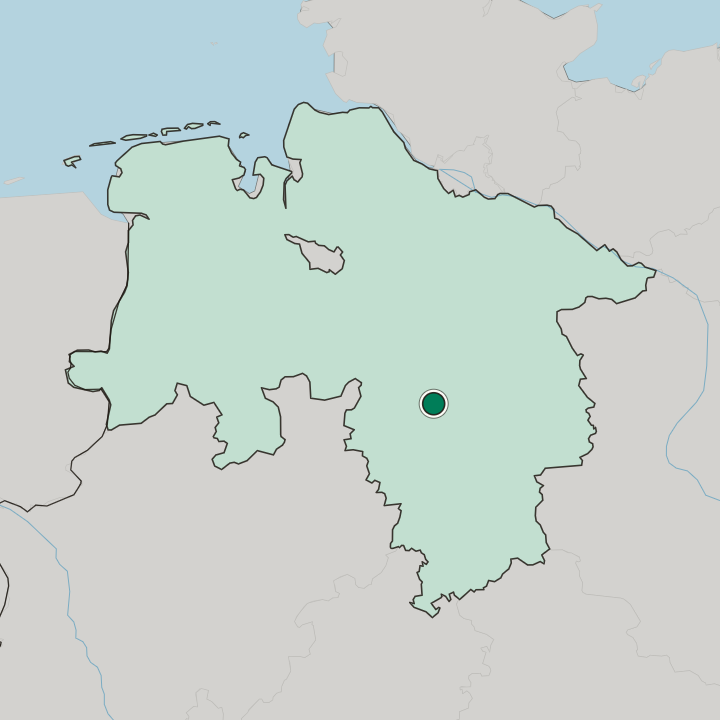
Hannover stands on the Leine where the north German plain runs flat toward the sea. The Ihme joins the river at the western edge of the centre, the Maschsee lies dug into the meadows to the south, and the Eilenriede covers the eastern side as a forest inside the built-up city. Ground here barely rises.
The Harz lifts well away to the south-east, and the country between is farmland, heath and pine.
What is the climate of Hannover?
Hannover takes its weather off the North Sea. Damp Atlantic air crosses the plain with nothing to slow it, so winters arrive grey and wet far more often than frozen, and summers stay moderate until thunder builds over the Harz. Snow rarely holds.
The Eilenriede turns the eastern side of the city yellow and brown before the first autumn gales strip it bare.
How do you get to Hannover?
Hannover Hauptbahnhof stands in the middle of the city on the fast line between Berlin and the Ruhr. Trains from Hamburg, Bremen and Frankfurt call there, and the S-Bahn runs out to the fair halls at Laatzen and to the airport at Langenhagen. The tram network fills the gaps.
Motorways ring the built-up area on three sides, and the Mittellandkanal carries barge freight past the northern edge on its way between the Rhine and the Elbe.
Common questions
What is the best area to stay in Hannover?
Mitte: Walking days built on the Market Church and the museums. Südstadt: Mornings on the Maschsee bank. Linden: Eating where the students eat. Herrenhausen: Slow mornings in the baroque parterres.
Good for
More cities in Lower Saxony
Updated October 2026