Germany · Lower Saxony
Where to Stay in Wilhelmshaven, Lower Saxony
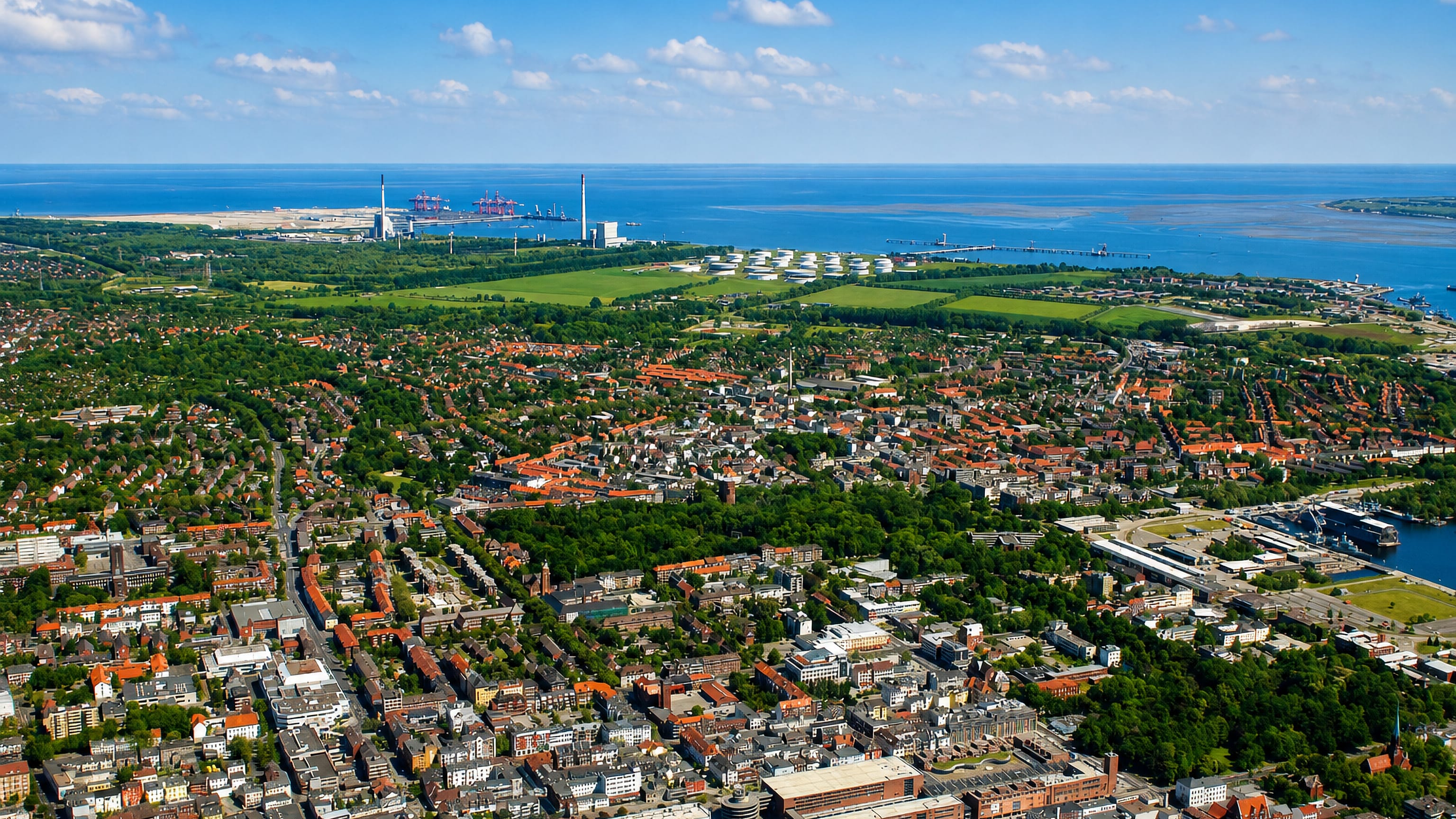
Wilhelmshaven stands on the western shore of the Jade Bight, a naval town laid out from 1869. The North Sea sets its weather.
Hotel links are affiliate links: booking through them may earn us a commission, at no extra cost to you. It never affects how places are ranked. How this works


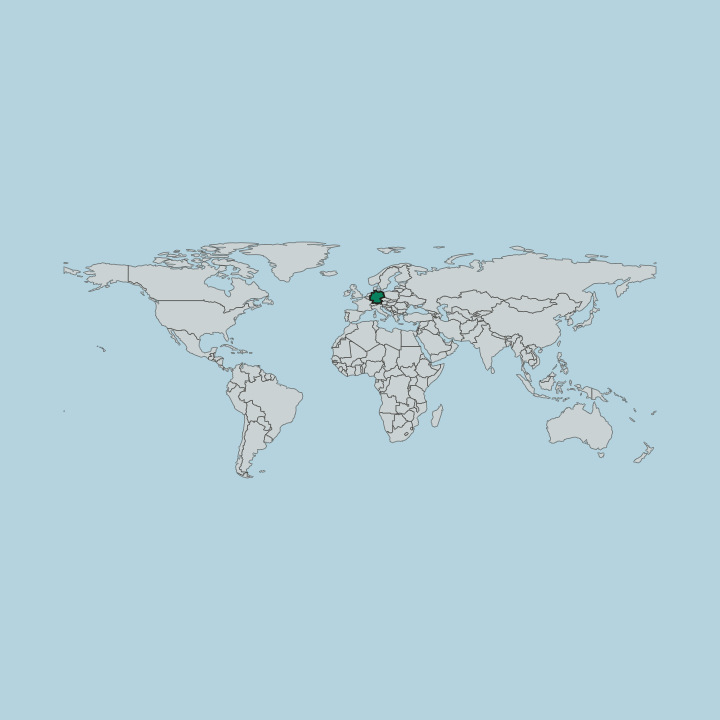
Where to stay in Wilhelmshaven
Where you base yourself shapes the visit — here's the character of each area.

 WilhelmshavenGermany
Neuengroden
Neuengroden is a Stadtteil in the north-east of Wilhelmshaven on land won by the Neuengroden dike of 1520.Where to stay → WilhelmshavenGermany
Altengroden
Störtebeker Park and Saint John the Apostle Church are what Altengroden holds, over two square kilometres of Wilhelmshaven.Where to stay → WilhelmshavenGermany
Aldenburg
Aldenburg is a Stadtteil in western Wilhelmshaven, holding Wiesenhof, Stadtparkkolonie and Fort Schaar. Named for the Grafen von Aldenburg-Bentinck.Where to stay → WilhelmshavenGermany
Heppens
Heppens covers three and a half square kilometres of Wilhelmshaven and holds the Kunsthalle Wilhelmshaven along with a run of naval monuments.Where to stay →WilhelmshavenGermanySchaar
Wilhelmshaven counts Schaar among its quarters, a small patch of the harbour city in East Frisia that carries the church of St. Jakobi.Where to stay → WilhelmshavenGermany
Fedderwardergroden
Fedderwardergroden is a Stadtteil in the north of Wilhelmshaven, covering some 289 hectares, distinct from Fedderwardersiel on the Butjadingen peninsula.Where to stay → WilhelmshavenGermany
Bant
The Banter Kirche takes its name from Bant, a Wilhelmshaven borough of over two square kilometres that also holds the Synagogenplatz memorial.Where to stay → WilhelmshavenGermany
Ebkeriege
Ebkeriege is a Stadtteil of Wilhelmshaven, the Lower Saxony harbour city on the Jade Bight, and its own register holds no landmark.Where to stay → WilhelmshavenGermany
Voslapp
Voslapp is a Stadtteil of Wilhelmshaven built from 1938 as a National Socialist workers' town for the shipyard, on diked land west of the Jadebusen.Where to stay →Hotel links are affiliate links: booking through them may earn us a commission, at no extra cost to you. It never affects how places are ranked. How this works
Find hotels in Wilhelmshaven
Direct booking searches for these neighbourhoods.
The quays by the Deutsches Marinemuseum
The Deutsches Marinemuseum Wilhelmshaven, the Küstenmuseum Wilhelmshaven and the working quays all sit on this stretch of the Jade Bight.Find hotels in The quays by the Deutsches MarinemuseumCar-free stays within a walk of the Synagogenplatz memorial and the Kaiser-Wilhelm-Denkmal.The monument streets round the Kunsthalle
The Kunsthalle Wilhelmshaven, the Bismarck monument and the Christus- und Garnisonkirche stand back from the quays in the sheltered part of town.Find hotels in The monument streets round the KunsthalleQuiet nights near Sibetsburg for drivers carrying on into East Frisia.The Sibetsburg side
Sibetsburg is the only ground in Wilhelmshaven older than the harbour of 1869, and nights out there are village nights. Few places to stay nearby — book ahead.Find hotels in The Sibetsburg sideHotel links are affiliate links: booking through them may earn us a commission, at no extra cost to you. It never affects how places are ranked. How this works
Things to do in Wilhelmshaven
Ranked by global recognition; descriptions from Wikidata (CC0).
Museums & Galleries
2- Küstenmuseum Wilhelmshaven
- Vollzugsmuseum Wilhelmshaven
Churches & Religious Sites
6- Christus- und Garnisonkirche Heritage
- St. Willehad Heritage
- St. Jakobi Heritage
- St. Nikolai Heritage
- Saint John the Apostle Church Heritage
Show 1 more →
- St.-Peter-Kirche Heritage
Castles & Historic Sites
3- Luftbrückendenkmal Heritage
- Kaiser-Wilhelm-Denkmal Heritage
- Seebataillonsdenkmal Heritage
Parks & Gardens
1- Störtebeker Park
Landmarks & Notable Places
1- Antenna tower of WSA Wilhelmshaven
worth knowingacross 5 categories in Wilhelmshaven
About Wilhelmshaven
The fleet and the bay.
What is Wilhelmshaven known for?
Wilhelmshaven is Germany's main military port on the Jade Bight, and the Deutsches Marinemuseum Wilhelmshaven exists to hold that record, with Mölders standing among the pieces it keeps. Sea water takes over from there. The Aquarium Wilhelmshaven and the Küstenmuseum Wilhelmshaven both take the North Sea as their subject, while the Kunsthalle Wilhelmshaven keeps to contemporary art and the Christus- und Garnisonkirche marks the garrison the town was built for.
What are the main landmarks in Wilhelmshaven?
Monuments outnumber everything else. The Kaiser-Wilhelm-Denkmal, the Bismarck monument, the Prinz Adalbert Monument and the Seebataillonsdenkmal carry the imperial names, while the Synagogenplatz memorial, the November 1918 revolution memorial and the Luftbrückendenkmal record harder ground. Werftarbeiter stands among them.
The museums are the Deutsches Marinemuseum Wilhelmshaven, the Küstenmuseum Wilhelmshaven, the Aquarium Wilhelmshaven and the Kunsthalle Wilhelmshaven, with Sibetsburg and the Christus- und Garnisonkirche apart from that group.
What is the history of Wilhelmshaven?
The harbour came before the town. Wilhelmshaven dates from 1869, laid out as a naval port on the western shore of the Jade Bight, and its plan follows that purpose rather than any older settlement pattern. Sibetsburg is the exception.
That fortified site is the one piece of ground here with a past reaching well behind the navy, while Saint John the Apostle Church carries a parish name from the villages that the planned harbour took in. Naval building shaped everything after. The Christus- und Garnisonkirche carries the garrison in its name, the Prinz Adalbert Monument and the Seebataillonsdenkmal were raised to the service, and the Kaiser-Wilhelm-Denkmal and the Bismarck monument set the founding figures at the middle of the plan.
Then came 1918. The November 1918 revolution memorial records that turn, the Synagogenplatz memorial marks the square where the synagogue stood, and Werftarbeiter keeps the shipyard hands in view. The port survived all of it.
It remains Germany's main military port, the Luftbrückendenkmal recalls an airlift flown out of here, and the Deutsches Marinemuseum Wilhelmshaven and the Küstenmuseum Wilhelmshaven hold the record between them. The Jade Buse business region still centres on the town.
Where is Wilhelmshaven?
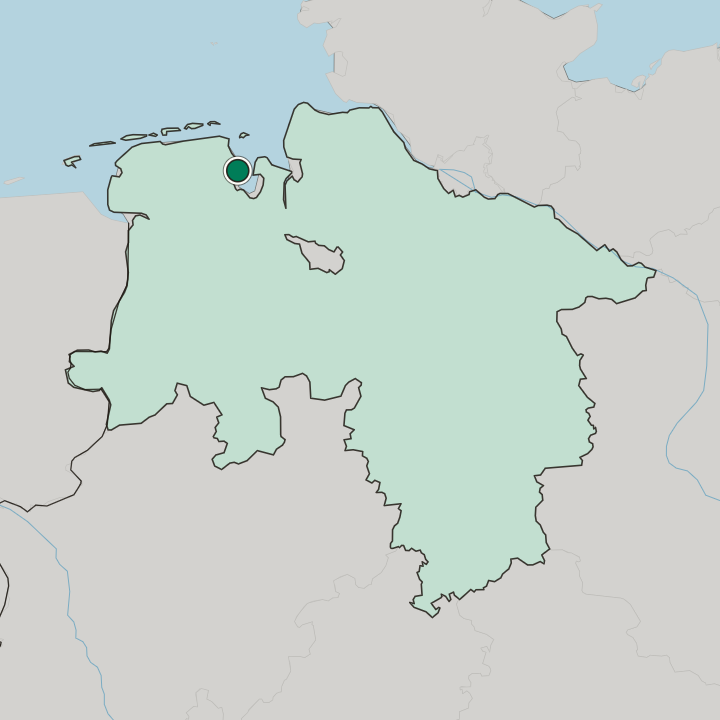
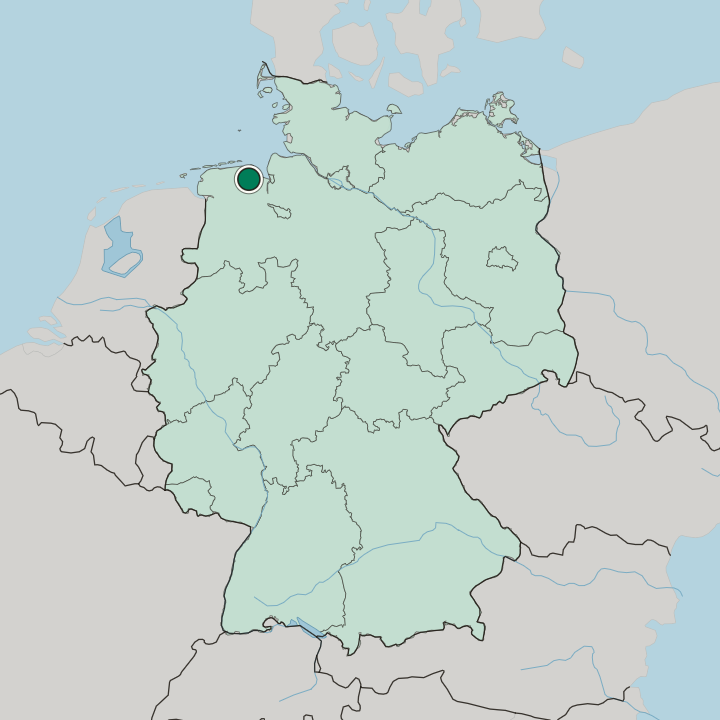
The Jade Bight sets the edge. Wilhelmshaven occupies the western shore of that bay, open to the North Sea, on low coastal ground in Lower Saxony where nothing rises to break the wind. East Frisia begins here.
The harbour that gave the town its reason still takes up much of the waterfront, and Sibetsburg sits back from it on the older ground.
What is the climate of Wilhelmshaven?
The North Sea runs the year here. Air off the open water keeps Wilhelmshaven's winters softer and its summers cooler than places the same distance inland, and the exposure of the Jade Bight means wind is the constant rather than temperature. Rain arrives sideways.
Anyone walking the quays by the Deutsches Marinemuseum Wilhelmshaven in the cold months learns that quickly, which is why the Aquarium Wilhelmshaven and the Küstenmuseum Wilhelmshaven do well when the weather turns.
How do you get to Wilhelmshaven?
Wilhelmshaven sits at the end of the line. Road and rail reach it across Lower Saxony and stop at the Jade Bight, because past the quays there is nothing but water. Nothing passes through.
That dead-end position makes every arrival deliberate, and once here the Deutsches Marinemuseum Wilhelmshaven, the Kunsthalle Wilhelmshaven and the Aquarium Wilhelmshaven are all walkable, with East Frisia the only onward direction by car.
Common questions
What is the best area to stay in Wilhelmshaven?
The quays by the Deutsches Marinemuseum: Stays that want the Jade Bight harbour and Mölders straight out of the door.. The monument streets round the Kunsthalle: Car-free stays within a walk of the Synagogenplatz memorial and the Kaiser-Wilhelm-Denkmal.. The Sibetsburg side: Quiet nights near Sibetsburg for drivers carrying on into East Frisia..
Good for
More cities in Lower Saxony
Updated October 2026