Germany · Lower Saxony
Where to Stay in Salzgitter, Lower Saxony
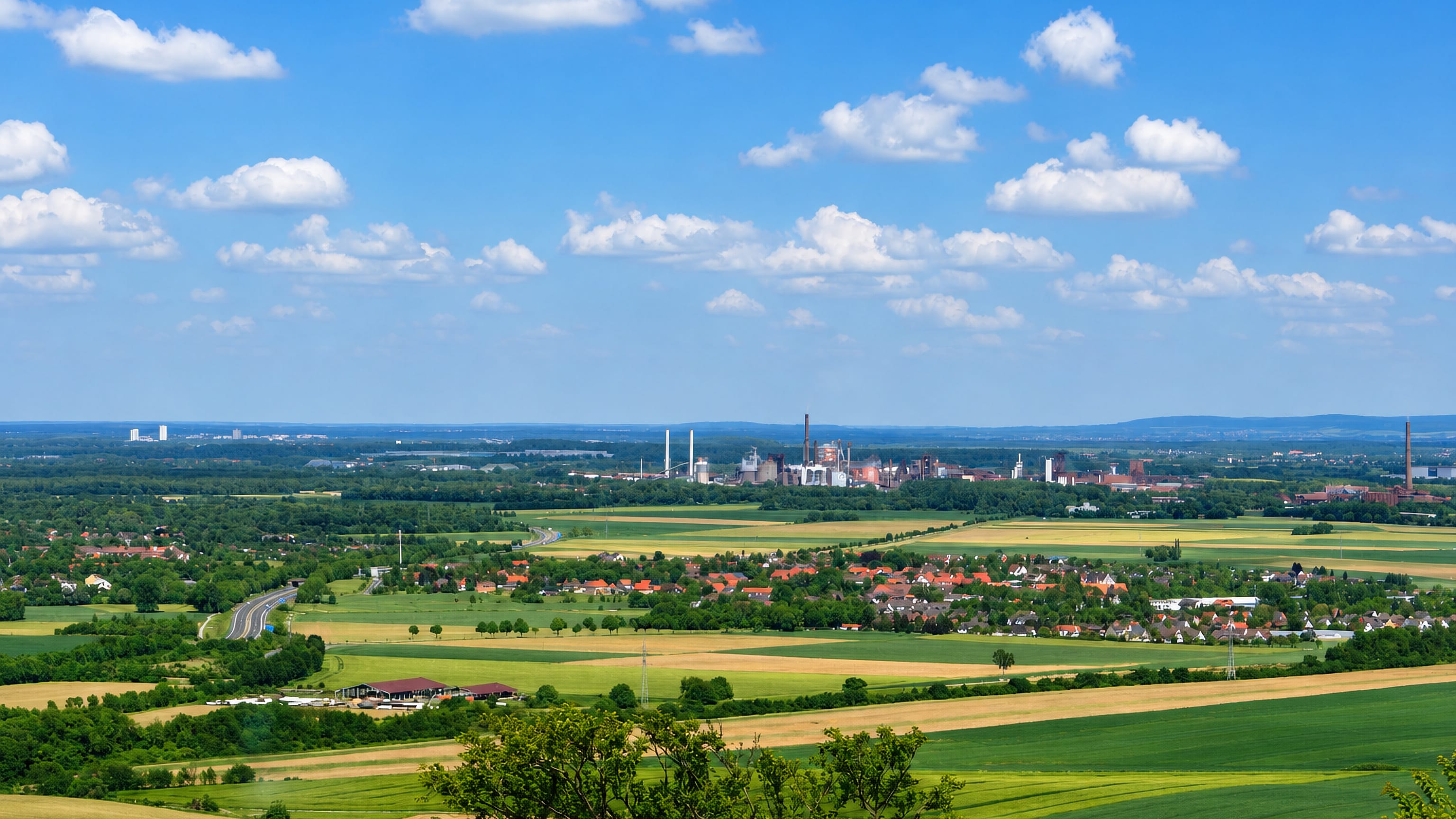
Salzgitter is an industrial city between Hildesheim and Braunschweig, drawn together in 1942 from seven towns. Open fields divide its boroughs.
Hotel links are affiliate links: booking through them may earn us a commission, at no extra cost to you. It never affects how places are ranked. How this works


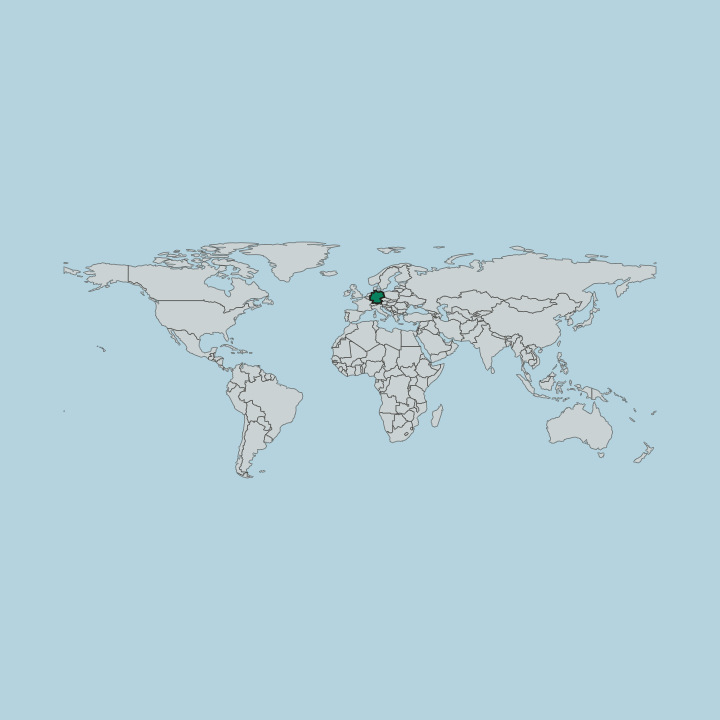
Where to stay in Salzgitter
The right area depends on your trip — here's what each neighbourhood is best for.

 SalzgitterGermany
Watenstedt
Watenstedt is one of the thirty-one Stadtteile of the city of Salzgitter in Lower Saxony, in the Ortschaft Ost. First recorded as Wattenstede in 1186.Where to stay → SalzgitterGermany
Bruchmachtersen
Bruchmachtersen is a compact village district of Salzgitter, gathered around its Dorfkirche and the parish of Saint Andrew Church.Where to stay →Hotel links are affiliate links: booking through them may earn us a commission, at no extra cost to you. It never affects how places are ranked. How this works
Find hotels in Salzgitter
Direct booking searches for these neighbourhoods.
Salzgitter-Lebenstedt
The Fundplatz Salzgitter-Lebenstedt and the densest run of shops in Salzgitter both sit inside this borough.Find hotels in Salzgitter-LebenstedtQuiet nights beside Schlosskirche Maria Magdalena and the old manor streets.Salzgitter-Salder
Schlosskirche Maria Magdalena keeps Salder at the village scale that Salzgitter grew out of after 1942. Few places to stay nearby — book ahead.Find hotels in Salzgitter-SalderVisits built around the Gedenk- und Dokumentationsstätte KZ Drütte and the Jammertal memorial.Salzgitter-Watenstedt
Kirche Salzgitter-Watenstedt and the Gedenkstein für das ehemalige Lager 21 stand at the doorstep of the Salzgitter memorial sites. Few places to stay nearby — book ahead.Find hotels in Salzgitter-WatenstedtHotel links are affiliate links: booking through them may earn us a commission, at no extra cost to you. It never affects how places are ranked. How this works
Things to do in Salzgitter
Ranked by global recognition; descriptions from Wikidata (CC0).
Churches & Religious Sites
3- Kirche Salzgitter-Watenstedt Heritage
- St. Cosmas und Damian Heritage
- St. Michael
Castles & Historic Sites
1- Fundplatz Salzgitter-Lebenstedt Heritage
worth knowingacross 2 categories in Salzgitter
About Salzgitter
Industry and a young charter.
What is Salzgitter known for?
Salzgitter came together in 1942 as one administrative body drawn over seven towns and twenty-nine districts, and the boroughs it swallowed kept their own churches, their own names and their own fields. They never fused. Open country still runs between them, so the place reads as a scatter of compact settlements rather than a single built-up mass, and it covers more ground than any other city in Lower Saxony.
Memorial sites carry the harder part of the record, the Gedenk- und Dokumentationsstätte KZ Drütte among them.
What are the main landmarks in Salzgitter?
Churches carry most of it. St. Cosmas und Damian, Kirche Salzgitter-Watenstedt and St.-Elisabeth-Kirche are parish buildings that outlived the villages absorbed into the city, and Schlosskirche Maria Magdalena stands apart from them at Salzgitter-Salder. St. Joseph belongs to the same set.
Fundplatz Salzgitter-Lebenstedt reaches much further back, while the Gedenk- und Dokumentationsstätte KZ Drütte, the Gedenkstein für das ehemalige Lager 21 and the Gedenkstätte Friedhof Jammertal record the camps of the Nazi period.
What is the history of Salzgitter?
The find site came first. Fundplatz Salzgitter-Lebenstedt puts human presence on this ground long before any of the villages that later merged, and the parish churches carry the medieval layer above it, since St. Cosmas und Damian, Kirche Salzgitter-Watenstedt and Schlosskirche Maria Magdalena at Salzgitter-Salder all stand older than the city that contains them. St.-Elisabeth-Kirche and St. Joseph belong to the same church record.
None of it was a city. Seven towns and twenty-nine districts sat in their own fields, each with its own name, and nothing joined them. The joining happened in 1942.
Salzgitter was constituted then as one industrial city in the middle of the war, and forced labour was used in the works it was built around. Three sites hold that record. The Gedenk- und Dokumentationsstätte KZ Drütte stands at the concentration camp, the Gedenkstein für das ehemalige Lager 21 marks the Arbeitserziehungslager at Salzgitter-Watenstedt, and the Gedenkstätte Friedhof Jammertal is the burial ground for those who died there.
Afterwards the shape held. The city kept its thirty-one boroughs and the open country between them, and it counts among the seven Oberzentren of Lower Saxony alongside Braunschweig and Wolfsburg.
Where is Salzgitter?
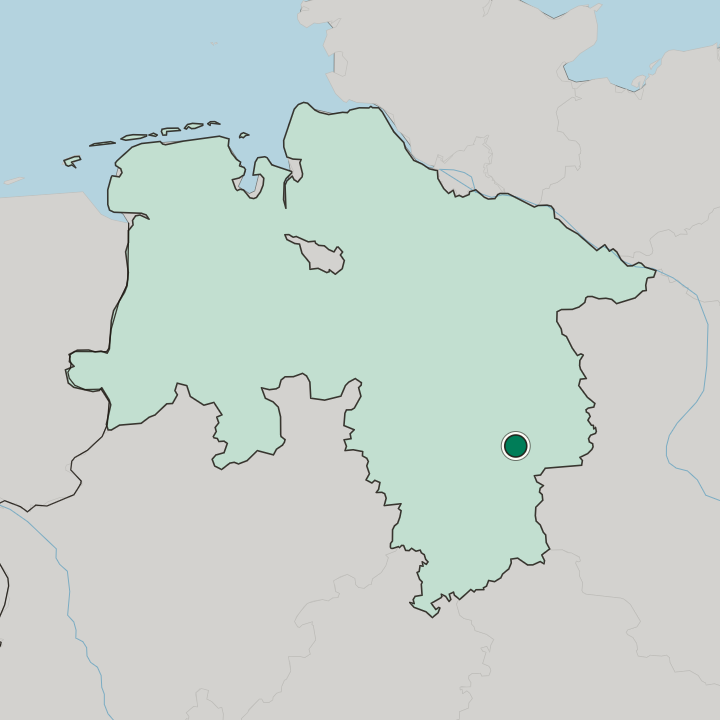
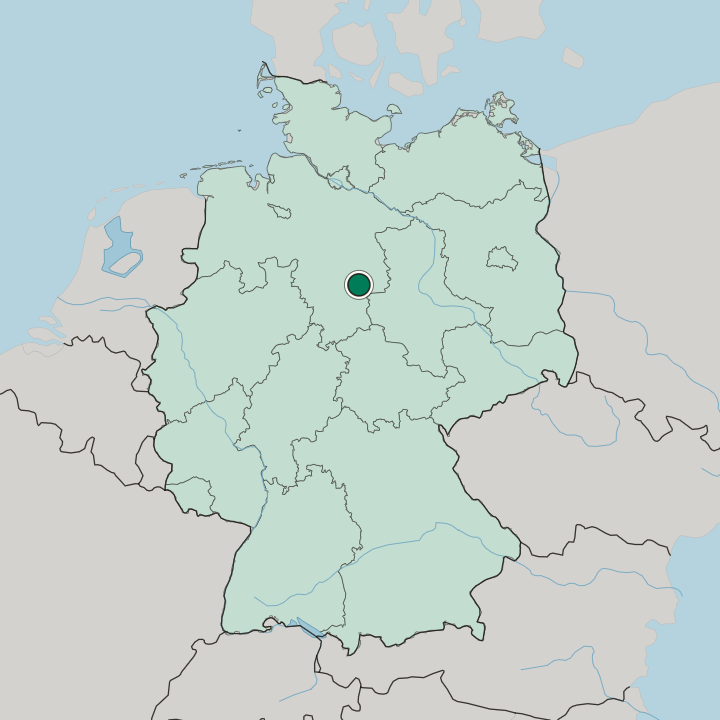
Open ground separates the parts. Salzgitter lies between Hildesheim and Braunschweig in Lower Saxony, and its thirty-one boroughs sit as compact settlements with fields and woods in the gaps rather than as one continuous built-up area. It covers more ground than any other city in the state.
Salzgitter-Lebenstedt, Salzgitter-Salder and Salzgitter-Watenstedt are three of those cores, each with its own church and its own edges.
What is the climate of Salzgitter?
Wind matters more than heat. Salzgitter sits in the temperate band of the northern hemisphere, which keeps the seasons moderate, and the long stretches of open country between its boroughs leave the roads and the fields exposed for much of the year. Neither season goes to extremes.
Anyone crossing from Salzgitter-Lebenstedt to Salzgitter-Salder on foot feels that gap in a way no walk inside a single borough ever shows.
How do you get to Salzgitter?
Braunschweig and Hildesheim frame it. Salzgitter lies between the two, and most arrivals run through one or the other by road or rail before turning off towards whichever of the thirty-one boroughs holds the bed. Then the car takes over.
Salzgitter-Lebenstedt, Salzgitter-Salder and Salzgitter-Watenstedt stand far enough apart that walking between them is unrealistic, and the Gedenkstätte Friedhof Jammertal is reached the same way, by road across the fields.
Common questions
What is the best area to stay in Salzgitter?
Salzgitter-Lebenstedt: Stays wanting the Fundplatz Salzgitter-Lebenstedt near and the shortest drives to the other boroughs.. Salzgitter-Salder: Quiet nights beside Schlosskirche Maria Magdalena and the old manor streets.. Salzgitter-Watenstedt: Visits built around the Gedenk- und Dokumentationsstätte KZ Drütte and the Jammertal memorial..
Good for
More cities in Lower Saxony
Updated October 2026