Germany · Lower Saxony
Where to Stay in Wolfsburg, Lower Saxony
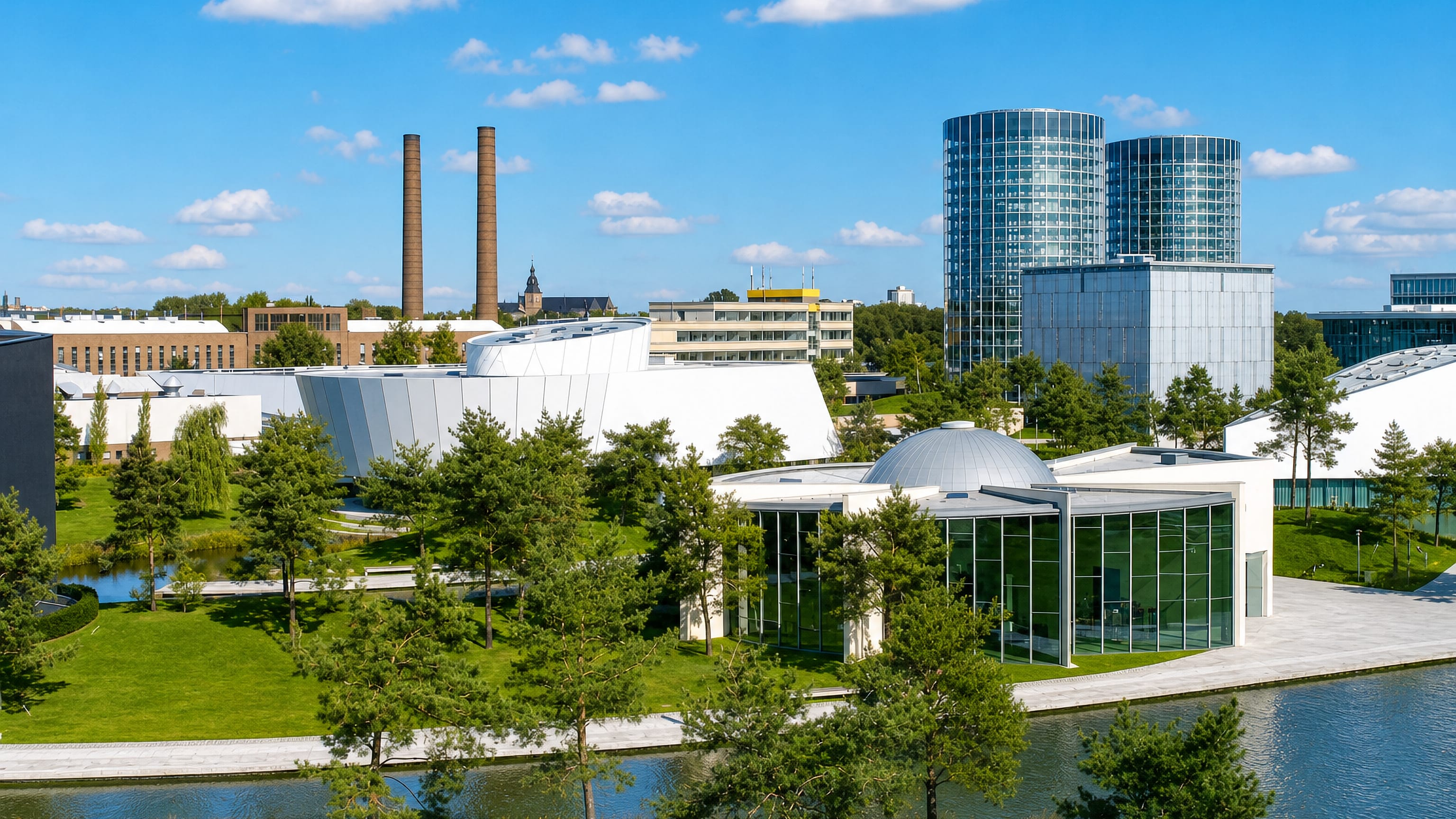
Wolfsburg was founded in 1938 around the Volkswagen works on the Aller, with the Autostadt, the Phaeno Science Center and Wolfsburg Castle.
Hotel links are affiliate links: booking through them may earn us a commission, at no extra cost to you. It never affects how places are ranked. How this works


Where to stay in Wolfsburg
One neighbourhood here has its own guide — here's what it is best for.

 WolfsburgGermany
Westhagen
Westhagen is a Stadtteil of Wolfsburg built in the early 1970s, southwest of the Innenstadt by the A 39. Its streets carry East German city names.Where to stay →Hotel links are affiliate links: booking through them may earn us a commission, at no extra cost to you. It never affects how places are ranked. How this works
Find hotels in Wolfsburg
Direct booking searches for these neighbourhoods.
By the Autostadt
The Autostadt stands beside the Volkswagen works, and rooms there keep the AutoMuseum Volkswagen and the Phaeno Science Center within one short walk.Find hotels in By the AutostadtFamilies splitting a day between the Phaeno Science Center and the AutostadtAround the Phaeno Science Center
The Phaeno Science Center takes a half-day of its own, and the Autostadt lies close enough to add to it without changing hotels.Find hotels in Around the Phaeno Science CenterStays anchored on Wolfsburg Castle rather than on the worksBelow Wolfsburg Castle
Wolfsburg Castle is recorded from 1302 and gave the city its name, which makes this the only quarter older than the Volkswagen era.Find hotels in Below Wolfsburg CastleBusiness visitors booked into CongressPark WolfsburgThe CongressPark quarter
CongressPark Wolfsburg handles the conference traffic the Volkswagen works generate, with the Heinrich-Büssing-Haus nearby for the hours afterwards.Find hotels in The CongressPark quarterQuiet nights out by the Bockwindmühle KästorfKästorf
Kästorf lies beyond the built-up city, with the Bockwindmühle Kästorf as its landmark and none of the traffic the works bring.Find hotels in KästorfHotel links are affiliate links: booking through them may earn us a commission, at no extra cost to you. It never affects how places are ranked. How this works
Things to do in Wolfsburg
Ranked by global recognition; descriptions from Wikidata (CC0).
Museums & Galleries
3- Heinrich-Büssing-Haus Heritage
- Autostadt
- Kunstmuseum Wolfsburg
Churches & Religious Sites
8- Parish Community Center Holy Ghost Heritage
- St. Christophorus Heritage
- Stephanuskirche (Wolfsburg) Heritage
- St.-Marien-Kirche Heritage
- St. Heinrich Heritage
Show 3 more →
- Christuskirche Heritage
- Saint Raphael Church Heritage
- St.-Petrus-Kirche Heritage
Castles & Historic Sites
2- Wolfsburg Castle Heritage
- Rothehof Heritage
Stadiums & Sports
1- CongressPark Wolfsburg
worth knowingacross 4 categories in Wolfsburg
About Wolfsburg
Volkswagen made this city.
What is Wolfsburg known for?
The Autostadt and the AutoMuseum Volkswagen turn the company's presence into a visit in its own right, and the Phaeno Science Center added a second reason to stop in the twenty-first century. Art carries the third. The Kunstmuseum Wolfsburg and the Städtische Galerie Wolfsburg work at a scale the city's size would not predict, and a high-speed railway line to Berlin brings an audience for both.
What are the main landmarks in Wolfsburg?
Wolfsburg Castle is the oldest thing here, standing from 1302. Everything else is newer. The Autostadt, the Phaeno Science Center, the Kunstmuseum Wolfsburg and the AutoMuseum Volkswagen make up the core of what visitors see, with the Städtische Galerie Wolfsburg and CongressPark Wolfsburg behind them.
Churches fill the residential quarters: the Christuskirche, the Kreuzkirche, the Pauluskirche, the Stephanuskirche and the Friedenskirche among them. The Bockwindmühle Kästorf and the Rothehof sit further out, and the Heinrich-Büssing-Haus completes the list.
What is the history of Wolfsburg?
Everything on this ground begins with a castle. Wolfsburg Castle is recorded from 1302, and the city that later took its name did not exist in any form for another six centuries. 1938 is the founding year. The city was created around the original Volkswagen factory, which makes it a twentieth-century foundation in a state where most towns count their charters in medieval terms.
Growth followed the works. The Aller runs past the site, and the housing, the churches and the museums that came later were laid out on ground that had carried little more than the castle before. The second turn came much later.
Wolfsburg became a destination in its own right in the twenty-first century, with the Autostadt, the Phaeno Science Center and a high-speed railway line to Berlin arriving within the same period. The Kunstmuseum Wolfsburg extended that. Churches trace the other half of the story, and the Christuskirche, the Kreuzkirche, the Pauluskirche and the Friedenskirche stand among the parishes of the modern city.
Kästorf and the Rothehof keep older names inside the boundary, and the Bockwindmühle Kästorf is the surviving mill among them. Wolfsburg ranks fifth by size among the cities of Lower Saxony.
Where is Wolfsburg?
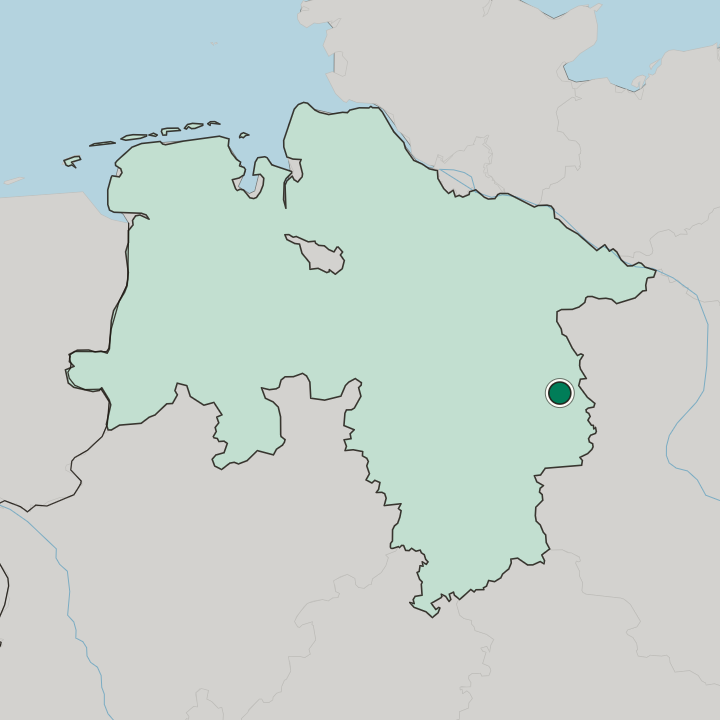
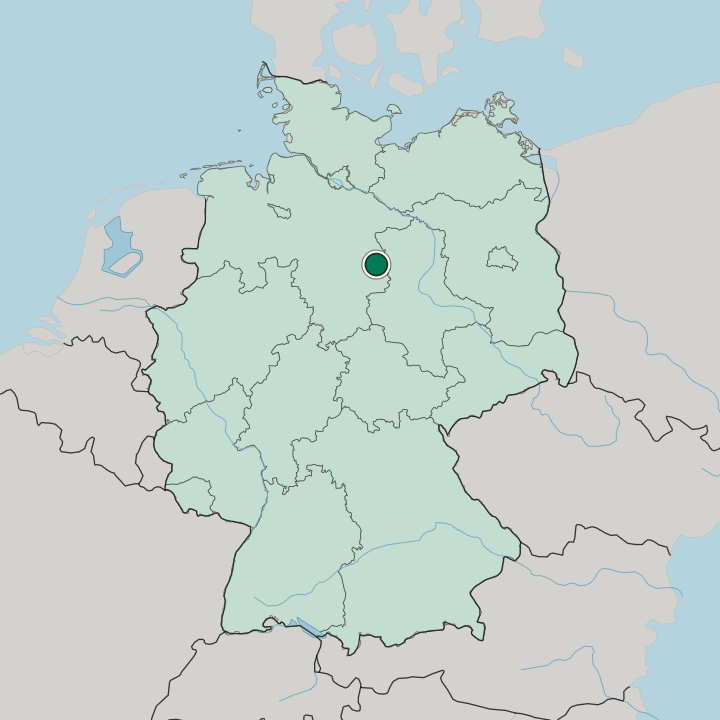
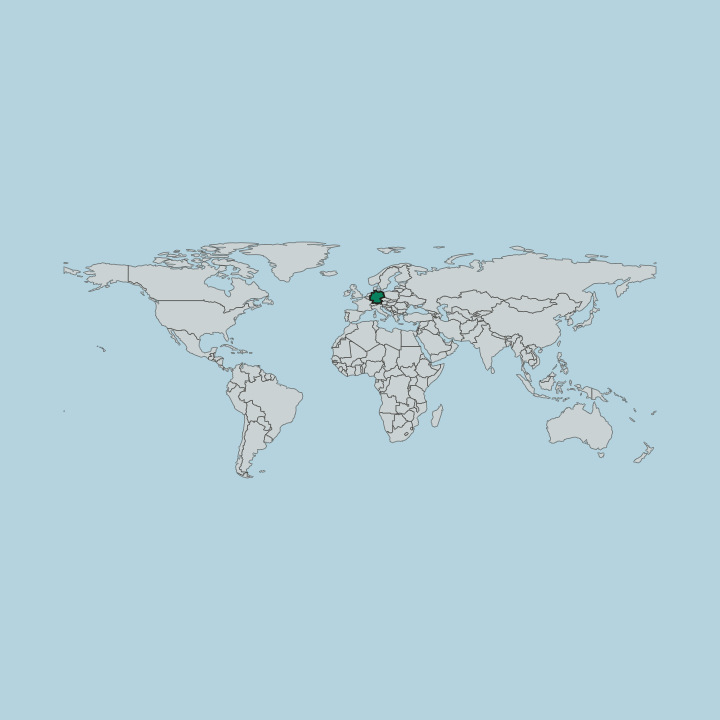
The Aller gives Wolfsburg its river. Hanover lies to the west and Berlin much further to the east, with the city set between them on ground open enough to take a factory the size of the Volkswagen works. Expect to cover some ground.
Wolfsburg spreads over more ground than its centre suggests, and outlying names like Kästorf sit well beyond the museum quarter.
What is the climate of Wolfsburg?
The Aller valley keeps the air damp. Wolfsburg sits in the temperate band and well away from the sea, so summer afternoons can turn warm and winter mornings sharp, though neither extreme holds for long. Rain need not waste a day.
The Phaeno Science Center, the Kunstmuseum Wolfsburg and the Autostadt all work as wet-weather plans, which is part of why they carry the city's tourism.
How do you get to Wolfsburg?
The high-speed railway line to Berlin does most of the work. It arrived as part of what turned Wolfsburg into a destination, and it puts the Autostadt and the Phaeno Science Center within reach of a day trip from Berlin. Hanover is closer still.
That city lies west of Wolfsburg, and drivers coming from it reach the works and the museums without crossing the older ground around Wolfsburg Castle. Kästorf needs a car.
Common questions
What is the best area to stay in Wolfsburg?
By the Autostadt: Guests whose visit is built on the Autostadt and the AutoMuseum Volkswagen. Around the Phaeno Science Center: Families splitting a day between the Phaeno Science Center and the Autostadt. Below Wolfsburg Castle: Stays anchored on Wolfsburg Castle rather than on the works. The CongressPark quarter: Business visitors booked into CongressPark Wolfsburg. Kästorf: Quiet nights out by the Bockwindmühle Kästorf.
Good for
More cities in Lower Saxony
Updated October 2026