Germany · Lower Saxony
Where to Stay in Lingen, Lower Saxony
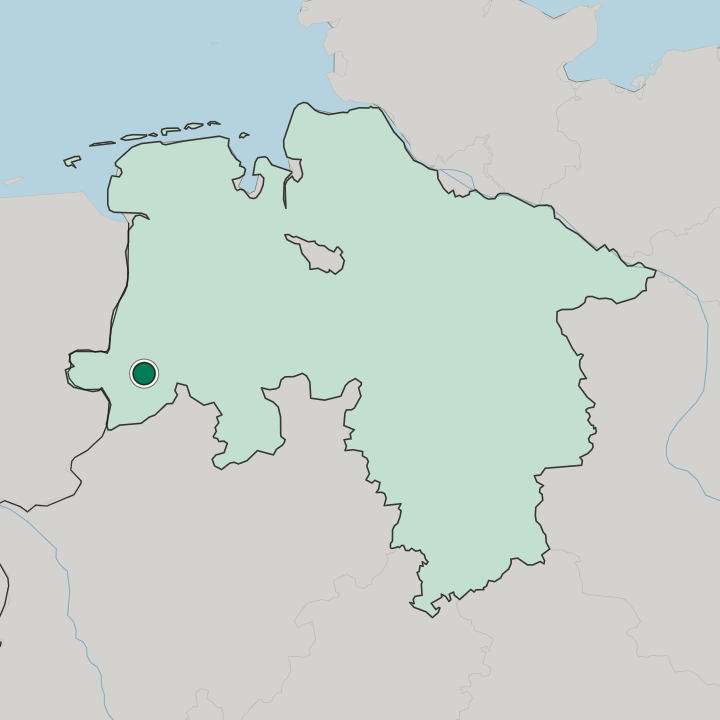
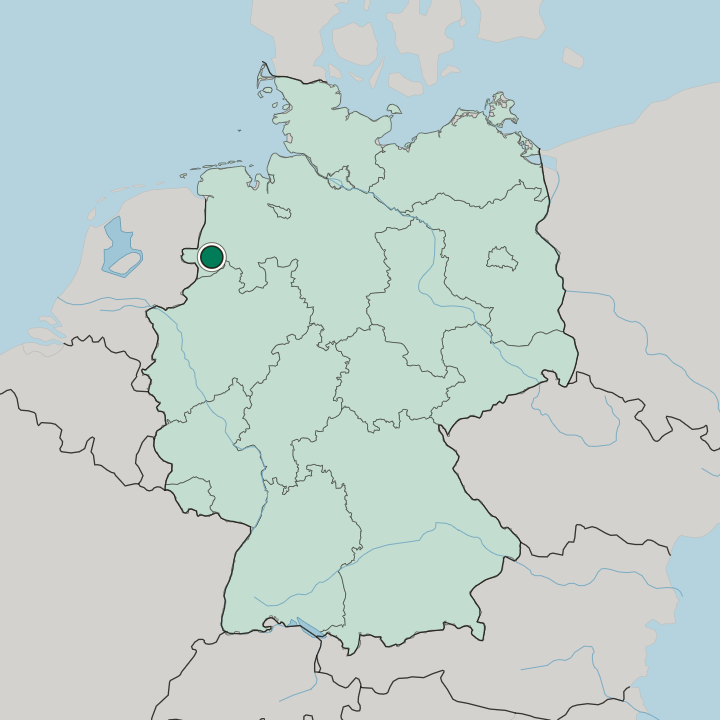
Lingen (Ems) stands on the river Ems in the Emsland District of Lower Saxony, Germany, with Lingen Castle and the Pulverturm at its core.
Hotel links are affiliate links: booking through them may earn us a commission, at no extra cost to you. It never affects how places are ranked. How this works


Where to stay in Lingen
How the choice of base plays out on the ground.
Lingen divides its beds between the old core around the Pulverturm Lingen and the outer ground towards Schepsdorf. Staying in the core puts Lingen Castle, the Kreuzkirche and the Kunsthalle Lingen inside an easy circuit, and it suits a visitor whose reason for coming is the town's own architecture rather than the Emsland District beyond it. The Ems does the rest.
River frontage shapes which streets feel central, since the water runs through Lingen and the Emslandmuseum Lingen sits within the same walkable block as much of the older town. Out towards Schepsdorf the pattern changes, with the Fernmeldeturm Schepsdorf standing over lower, looser building and rooms that trade walking access for parking and a quick exit onto the roads of the Emsland District. Parking is the trade.
Anyone crossing into North Rhine-Westphalia or the Netherlands during a stay gains from the outer streets, while anyone coming for the Kreuzkirche and the Evangelisch-reformierte Kirche does better in the middle of Lingen. Lower Saxony ends not far past the town, and the Western Plains that Lingen belongs to run on across the border country without much change in character.
Find hotels in Lingen
Direct booking searches for these neighbourhoods.
The Pulverturm quarter
The Pulverturm Lingen anchors the old core, with the Kunsthalle Lingen and the Emslandmuseum Lingen a few streets off.Find hotels in The Pulverturm quarterStays built around Lingen Castle and the KreuzkircheBy Lingen Castle
Lingen Castle and the Kreuzkirche stand in the older streets, a short remove from the bank of the Ems.Find hotels in By Lingen CastleDrivers heading out across the Emsland District towards the NetherlandsSchepsdorf
Schepsdorf lies out from the centre under the Fernmeldeturm Schepsdorf, with the roads across the Emsland District running from it.Find hotels in SchepsdorfHotel links are affiliate links: booking through them may earn us a commission, at no extra cost to you. It never affects how places are ranked. How this works
Things to do in Lingen
Ranked by global recognition; descriptions from Wikidata (CC0).
Museums & Galleries
1- Emslandmuseum Lingen
Churches & Religious Sites
3- St. Bonifatius Heritage
- Kreuzkirche Heritage
- St. Josef
Castles & Historic Sites
1- Lingen Castle
Landmarks & Notable Places
2- Pulverturm Lingen Heritage
- Fernmeldeturm Schepsdorf
worth knowingacross 4 categories in Lingen
About Lingen
What is Lingen known for?
The town wears the river's name. Lingen takes its formal style, Lingen (Ems), from that river, and its older fabric survives in Lingen Castle and the Pulverturm Lingen while the Kunsthalle Lingen and the Emslandmuseum Lingen carry the art and the local record. The Emsland District supplies the frame.
Lingen sits in the southern part of that district, which borders North Rhine-Westphalia and the Netherlands, giving the town a position on the edge of Lower Saxony.
What are the main landmarks in Lingen?
Lingen Castle and the Pulverturm Lingen are the oldest survivals. Around them the town keeps four churches, the Kreuzkirche, the Evangelisch-reformierte Kirche, St. Josef and St. Bonifatius, together with the Kunsthalle Lingen for exhibitions and the Emslandmuseum Lingen for the record of the Emsland District. One tower stands well outside.
The Fernmeldeturm Schepsdorf rises clear of the built-up streets, a telecommunications mast rather than a monument, and it is visible from a good part of the country around Lingen.
What is the history of Lingen?
Lingen Castle and the Pulverturm Lingen answer for the town's defended past. A powder tower belongs to a fortified place, and its survival alongside Lingen Castle points to a defended town, though no founding year appears anywhere in the record. Nothing earlier is documented.
The river Ems explains the site of the town. The name Lingen (Ems) is the official form, and it ties the town to the water in the same way that the surrounding Emsland District takes its own name from the river. Confessional history is legible in the churches.
The Evangelisch-reformierte Kirche marks a Reformed congregation while St. Bonifatius and St. Josef mark Catholic ones, and the Kreuzkirche adds a fourth, so the town carried more than one tradition at the same time. Two museums hold what is left. The Emslandmuseum Lingen keeps the local record and the Kunsthalle Lingen handles exhibition work, which between them cover the town's own account of itself and its continuing cultural life.
Border geography completes the picture, since the Emsland District touches North Rhine-Westphalia and the Netherlands, and a town on that margin of Lower Saxony sits within reach of both.
Where is Lingen?
The Ems runs through Lingen. The town occupies the southern part of the Emsland District, a stretch of Lower Saxony that reaches to the boundary with North Rhine-Westphalia and to the Netherlands, and its ground belongs to the Western Plains. Flat country carries the water.
Lingen spreads over a wide municipal area for a town of its size, which puts the Fernmeldeturm Schepsdorf well out from the streets around Lingen Castle.
What is the climate of Lingen?
The Emsland sits in the temperate band, so the year turns through cold but rarely severe winters and summers that stay moderate rather than hot. The Ems valley holds damp. Low, open country of the Western Plains leaves Lingen without shelter from whatever crosses it, and conditions change through a day more often than they settle.
Snow is occasional rather than reliable in the Emsland District.
How do you get to Lingen?
The Emsland District carries the approaches. Lingen sits close enough to North Rhine-Westphalia and to the Netherlands that arrivals come from both, and traffic within Lower Saxony reaches the town through the valley of the Ems. A tall mast marks the approach.
Once in Lingen, the Pulverturm Lingen, Lingen Castle and the Kreuzkirche stand within the same few streets, so a stay without a car works as long as the plan does not extend past the town into the Emsland District.
Common questions
What is the best area to stay in Lingen?
The Pulverturm quarter: Guests wanting the Pulverturm Lingen and the Kunsthalle Lingen on foot. By Lingen Castle: Stays built around Lingen Castle and the Kreuzkirche. Schepsdorf: Drivers heading out across the Emsland District towards the Netherlands.
Good for
More cities in Lower Saxony
Updated September 2026