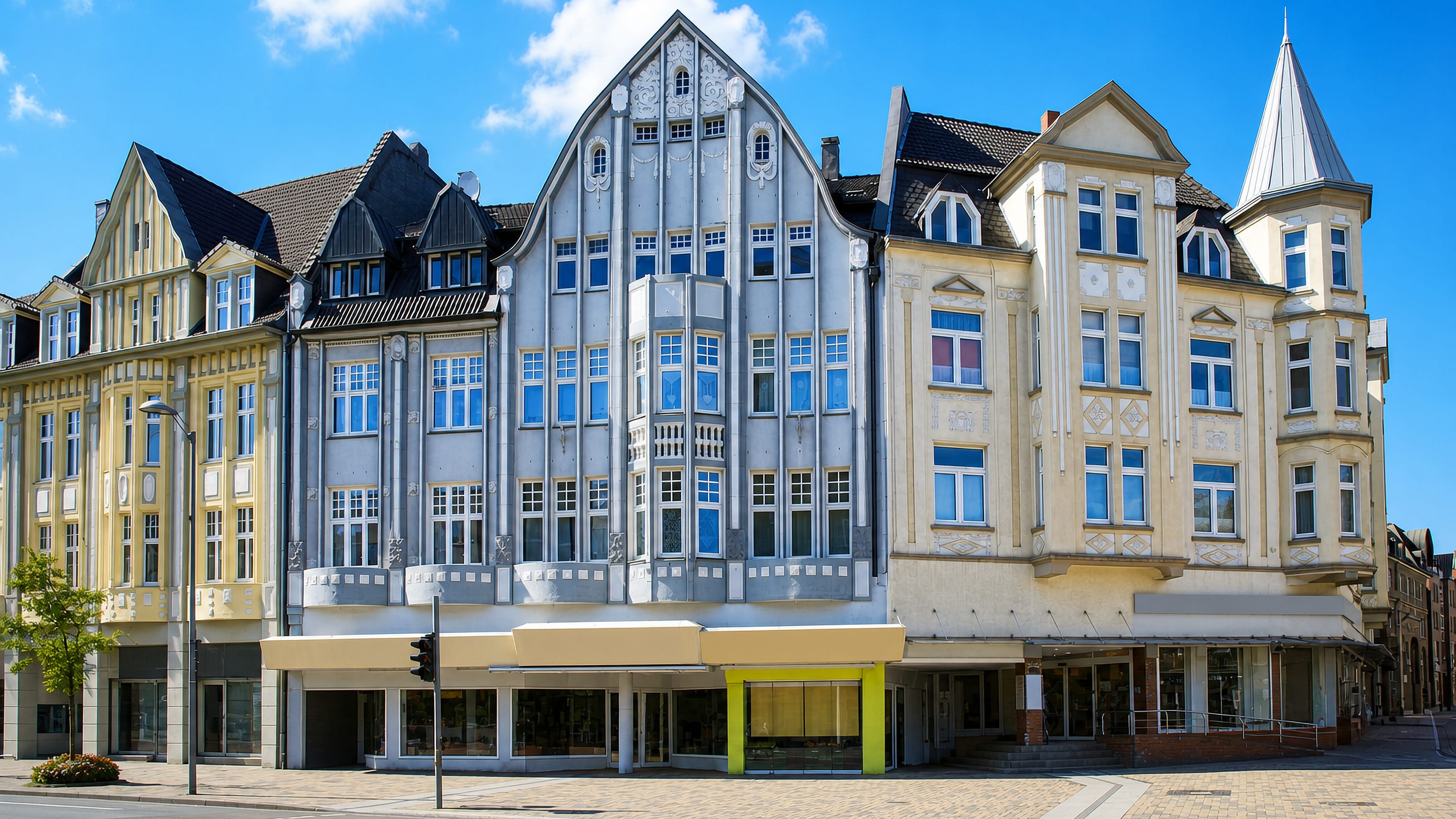
Germany · Nordrhein-Westfalen
Where to Stay in Bottrop, Nordrhein-Westfalen
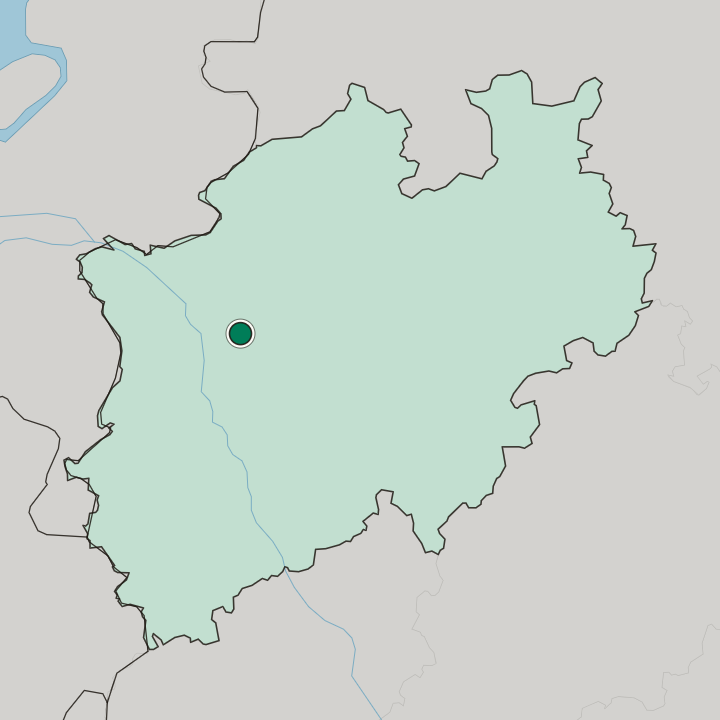
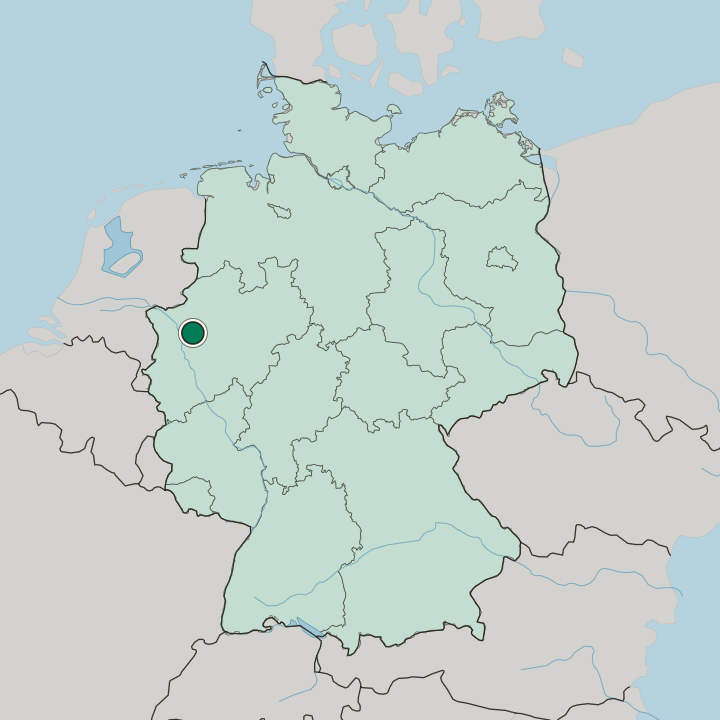
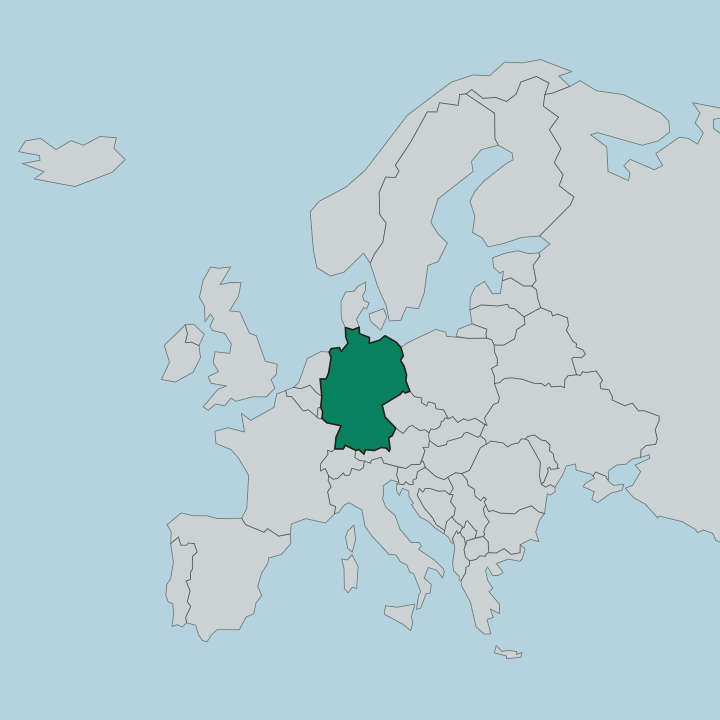
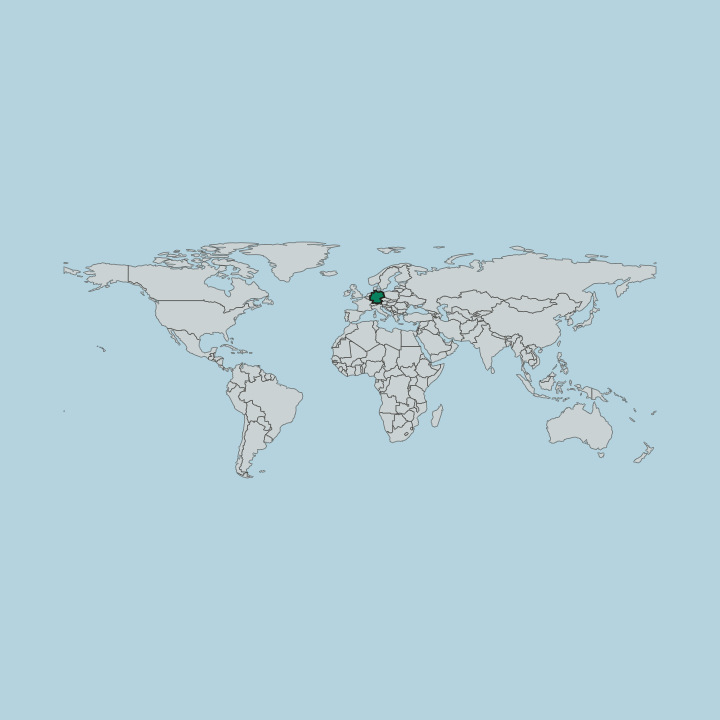
Bottrop is a Ruhr city in Nordrhein-Westfalen on the Rhine-Herne Canal, chartered in 1921, known for the Tetrahedron and the Josef Albers Museum.
Hotel links are affiliate links: booking through them may earn us a commission, at no extra cost to you. It never affects how places are ranked. How this works


Where to stay in Bottrop
Not every neighbourhood fits every trip — here's what each one is good for.

 BottropGermany
Lehmkuhle
Lehmkuhle is a compact Bottrop district, one and a half square kilometres holding the Herz-Jesu-Kirche and the Martinskirche.Where to stay →BottropGermanyVonderort
Vonderort is one of the seventeen districts of Bottrop, close to a square kilometre that takes its name from Burg Vondern across the Oberhausen boundary.Where to stay →BottropGermanyFuhlenbrock
Fuhlenbrock is the Bottrop district that holds Quadrat Bottrop, its sculpture park and the Josef Albers Museum.Where to stay →BottropGermanyBatenbrock
Two structures fix Batenbrock inside Bottrop: the Tetrahedron in Bottrop and the Alpincenter Bottrop, both recorded in this district.Where to stay →BottropGermanyBoy
Boy is one of Bottrop's districts, four and a half square kilometres of Nordrhein-Westfalen ground gathered around the church of St. Johannes.Where to stay →Hotel links are affiliate links: booking through them may earn us a commission, at no extra cost to you. It never affects how places are ranked. How this works
Find hotels in Bottrop
Direct booking searches for these neighbourhoods.
City centre
The Josef Albers Museum and the Martinskirche stand a few streets apartFind hotels in City centreSpace away from the Ruhr industry, with a car to cross itBottrop-Kirchhellen
The district that stayed when Gladbeck left the city again. Beds are limited here, so book early.Find hotels in Bottrop-KirchhellenAnyone tracing the Kommende Welheim on footWelheim
Edge ground beside the Kommende Welheim rather than the shopping streets. Few places to stay nearby — book ahead.Find hotels in WelheimHotel links are affiliate links: booking through them may earn us a commission, at no extra cost to you. It never affects how places are ranked. How this works
Things to do in Bottrop
Ranked by global recognition; descriptions from Wikidata (CC0).
Museums & Galleries
3- Quadrat Bottrop Heritage
- Josef Albers Museum
- Museum für Ur- und Ortsgeschichte
Churches & Religious Sites
5- Herz-Jesu-Kirche Heritage
- St.-Joseph-Kirche Heritage
- St. Ludgerus Church Heritage
- Heilig-Kreuz Heritage
- Martinskirche Heritage
Stadiums & Sports
1- Sporthalle Berufsschule
Parks & Gardens
1- Alpincenter Bottrop
worth knowingacross 4 categories in Bottrop
About Bottrop
Two shapes stand out above the city.
What is Bottrop known for?
The Tetrahedron in Bottrop is a frame raised over the industrial ground, and the Quadrat Bottrop holds the Josef Albers Museum and its sculpture park in a much quieter register. Alpincenter Bottrop draws a different crowd. The LVR industrial museum and the Museum für Ur- und Ortsgeschichte cover the two ends of the record, one the ironworking century and the other the ground before it.
What are the main landmarks in Bottrop?
Industry left the strangest landmark. The Tetrahedron in Bottrop is the shape people picture first, and the Alpincenter Bottrop, the LVR industrial museum and the Museum für Ur- und Ortsgeschichte fill out the visitor list. Churches hold the older layer: the Martinskirche, Heilig-Kreuz and the Herz-Jesu-Kirche, with the Kommende Welheim recording a commandery rather than a parish.
Burg Vondern is the one castle. Quadrat Bottrop and the Josef Albers Museum sit apart from all of it, with Haus Horl and the Sporthalle Berufsschule at the plainer end.
What is the history of Bottrop?
Mining came first, in the 1860s. Bottrop grew as a coal centre from that decade and took its city charter in 1921. Factories followed the pits, working coal-tar derivatives and chemicals, with textiles and machinery beside them, and the rail links carried what they made.
The Rhine-Herne Canal carried the weight the railways did not. Kommende Welheim, Burg Vondern and the Martinskirche stand for the centuries before any of that, when the ground here answered to a commandery and a parish rather than to a coalfield. The Museum für Ur- und Ortsgeschichte keeps what survives from before the written record.
War came to it from the air. Bottrop was bombed during the Oil Campaign of the Second World War, and the rebuilding that followed accounts for much of what the centre looks like. Boundaries moved twice in two years: the city took in Gladbeck and Kirchhellen in 1975, Gladbeck left again in 1976, and Kirchhellen stayed on as Bottrop-Kirchhellen.
The pits closed in the end. What replaced them is on show at the LVR industrial museum and in the Quadrat Bottrop, where the Josef Albers Museum gave the town a second reputation, and the twinning with Blackpool records another kind of link.
Where is Bottrop?
A canal runs through it. Bottrop lies on the Rhine-Herne Canal in the Ruhr industrial area, covering roughly 101 square kilometres, and it adjoins Essen, Oberhausen, Gladbeck and Dorsten without much open ground between them. Bottrop-Kirchhellen is the exception, a separate district out past the built-up part of the city.
Nordrhein-Westfalen is the state above it. Burg Vondern, the Kommende Welheim and the Tetrahedron in Bottrop mark three separate corners of that ground, and the Alpincenter Bottrop takes up another.
What is the climate of Bottrop?
Winters are grey rather than hard. The Rhine-Herne Canal and the industrial ground around it give Bottrop the same damp, changeable weather as the rest of the Ruhr, with rain in every month and few days of settled heat. Snow belongs indoors here, at the Alpincenter Bottrop, more reliably than it does outside.
The sculpture park at Quadrat Bottrop is the place the seasons show.
How do you get to Bottrop?
Neighbours do the connecting. Bottrop adjoins Essen, Oberhausen, Gladbeck and Dorsten, so most arrivals come across the Ruhr network from one of them rather than on any long-distance route that ends here. The city was a rail centre in the mining years and the tracks still shape how it is reached.
Freight took the Rhine-Herne Canal instead. Inside the boundary, buses cover the distance between the centre, Bottrop-Kirchhellen and the Alpincenter Bottrop, while Quadrat Bottrop and the Martinskirche need nothing more than a walk from a central room.
Common questions
What is the best area to stay in Bottrop?
City centre: Stays pinned to Quadrat Bottrop and its sculpture park. Bottrop-Kirchhellen: Space away from the Ruhr industry, with a car to cross it. Welheim: Anyone tracing the Kommende Welheim on foot.
Good for
More cities in Nordrhein-Westfalen
Updated October 2026