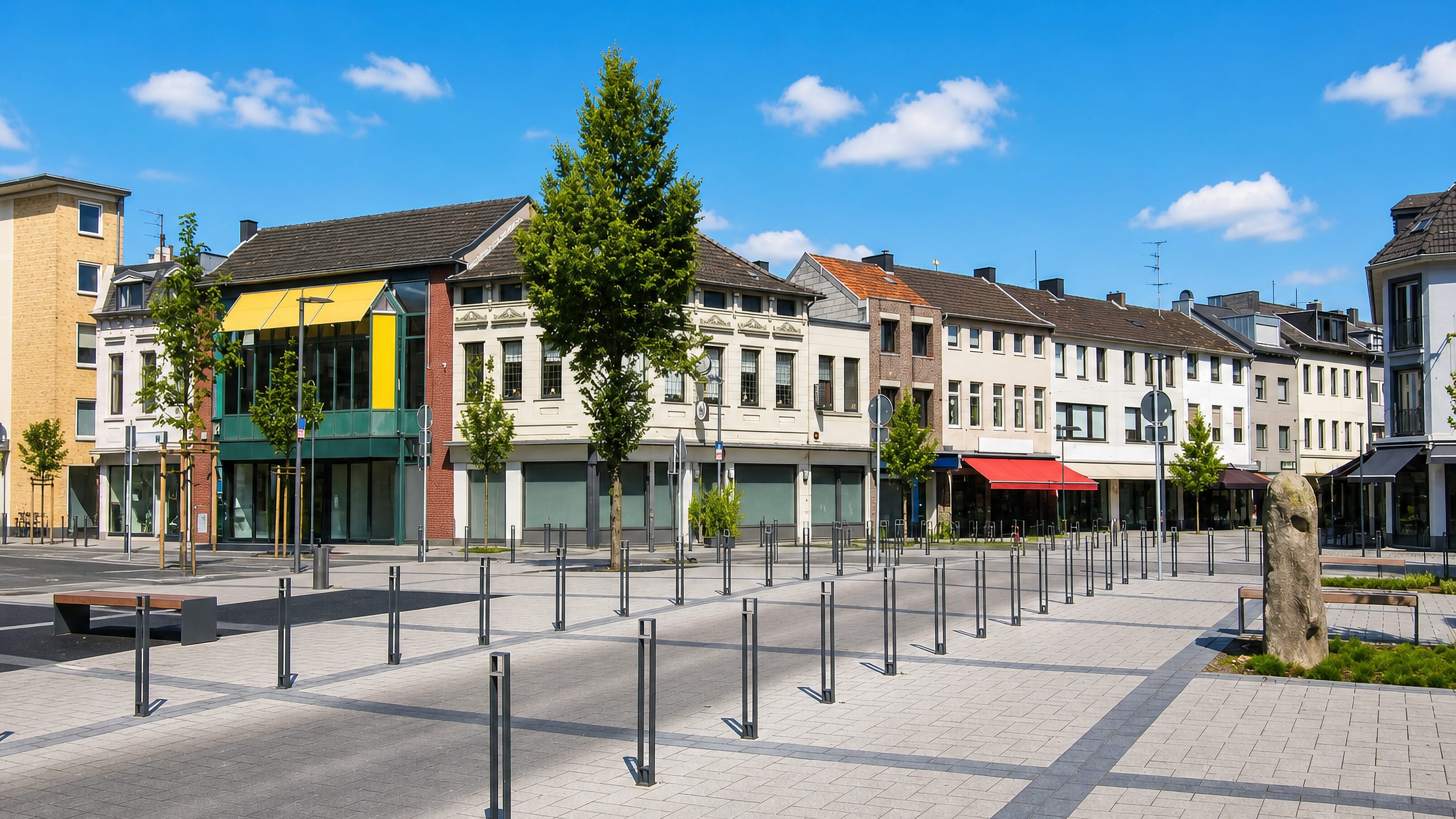
Germany · Nordrhein-Westfalen
Where to Stay in Eschweiler, Nordrhein-Westfalen
Eschweiler sits on the Inde in Nordrhein-Westfalen, a castle-and-church town east of Aachen and west of Cologne, close to the Dutch and Belgian borders.
Hotel links are affiliate links: booking through them may earn us a commission, at no extra cost to you. It never affects how places are ranked. How this works


Where to stay in Eschweiler
Not every neighbourhood fits every trip — here's what each one is good for.

 EschweilerGermany
Röthgen b. Eschweiler
Röthgen is the district of Eschweiler just south of the town centre, holding Burg Röthgen and the main station. Castles and trains.Where to stay →EschweilerGermanyBergrath
Bergrath is a south-eastern district of Eschweiler, split into northern and southern halves by a railway line. St. Antonius is its church.Where to stay → EschweilerGermany
Dürwiß
Dürwiß is a district of Stolberg, and the Karnevalsmuseum Eschweiler is the one thing listed inside it. Carnival is the subject.Where to stay →EschweilerGermanyRöhe
Röhe is a western district of Eschweiler, set on the slope above the Inde valley. St. Antonius marks it.Where to stay →Hotel links are affiliate links: booking through them may earn us a commission, at no extra cost to you. It never affects how places are ranked. How this works
Find hotels in Eschweiler
Direct booking searches for these neighbourhoods.
The centre around St. Antonius
St. Antonius, the Karnevalsmuseum Eschweiler and the Inde all fall inside one loopFind hotels in The centre around St. AntoniusDrivers pointing at Cologne who want St. Severin at the doorWeisweiler
The village keeps St. Severin and a centre of its own clear of the built-up core. Few places to stay nearby — book ahead.Find hotels in WeisweilerAnyone trading the Inde castles for a bigger city eveningAachen instead
Aachen stands fifteen kilometres west, with Burg Eschweiler a short run back eastFind hotels in Aachen insteadHotel links are affiliate links: booking through them may earn us a commission, at no extra cost to you. It never affects how places are ranked. How this works
Things to do in Eschweiler
Ranked by global recognition; descriptions from Wikidata (CC0).
Museums & Galleries
2- Haus der Geschichte Eschweiler
- Heimat- und Handwerksmuseum Eschweiler
Churches & Religious Sites
3- Holy Trinity Church Heritage
- St. Severin (Weisweiler) Heritage
- St. Antonius Heritage
Castles & Historic Sites
3- Holzheim Castle Heritage
- Burg Röthgen Heritage
- Burg Eschweiler Heritage
worth knowingacross 3 categories in Eschweiler
About Eschweiler
What is Eschweiler known for?
Three castles anchor the map here: Burg Eschweiler in the town itself, Holzheim Castle past the edge of the built-up ground, and Burg Röthgen on separate ground again. Carnival gets a museum here. The Karnevalsmuseum Eschweiler keeps costume, orders and regalia under one roof, which says something about how seriously the season is taken along this stretch of the Inde.
What are the main landmarks in Eschweiler?
Churches carry the visual weight. St. Antonius stands at the centre of the built-up town, Holy Trinity Church serves a quarter of its own, and out at Weisweiler the parish gathers around St. Severin. Helene-Nickel-Stift and the Heimat- und Handwerksmuseum Eschweiler round out the roll of named sites that the town puts on its own maps.
What is the history of Eschweiler?
Defence shaped the earliest layer. Burg Eschweiler, Burg Röthgen and Holzheim Castle were seats before they were sights, each on its own ground, and between them they mark three separate holdings along the valley of the Inde. Weisweiler sat apart from the centre and carries a parish church of its own rather than sharing the one in town.
Eschweiler has long been a municipality of the district of Aachen, fifteen kilometres from the city that gives the district its name. Records outlived the walls. Haus der Geschichte Eschweiler exists to hold that record, while the Heimat- und Handwerksmuseum Eschweiler takes the craft side of the same story and gives the trades a room of their own.
Helene-Nickel-Stift stands among the named buildings the town keeps on its own register of what matters. Carnival survived as its own institution. That a town of this size maintains the Karnevalsmuseum Eschweiler at all says something about the standing the season holds here.
The Inde threads the whole of it, running through the built-up middle so that castle, parish and workshop all sat within reach of the same water.
Where is Eschweiler?
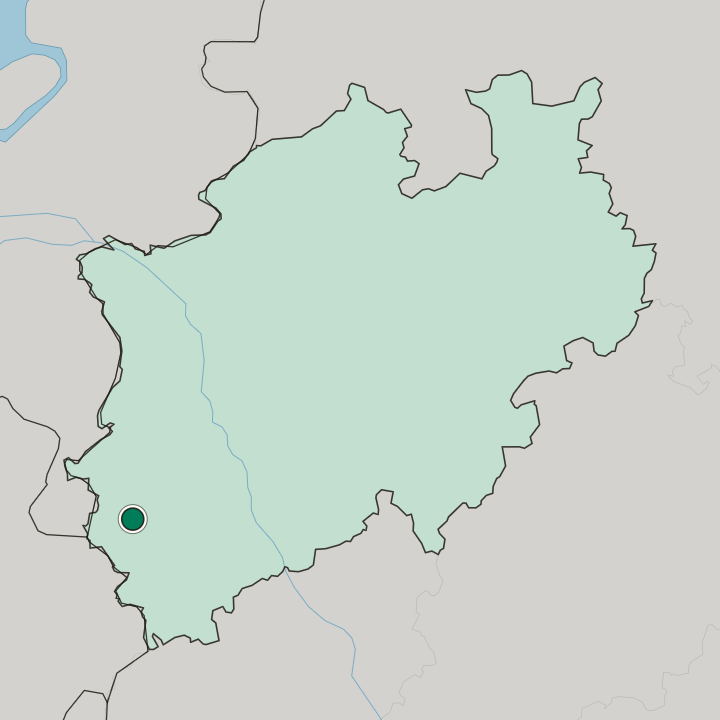
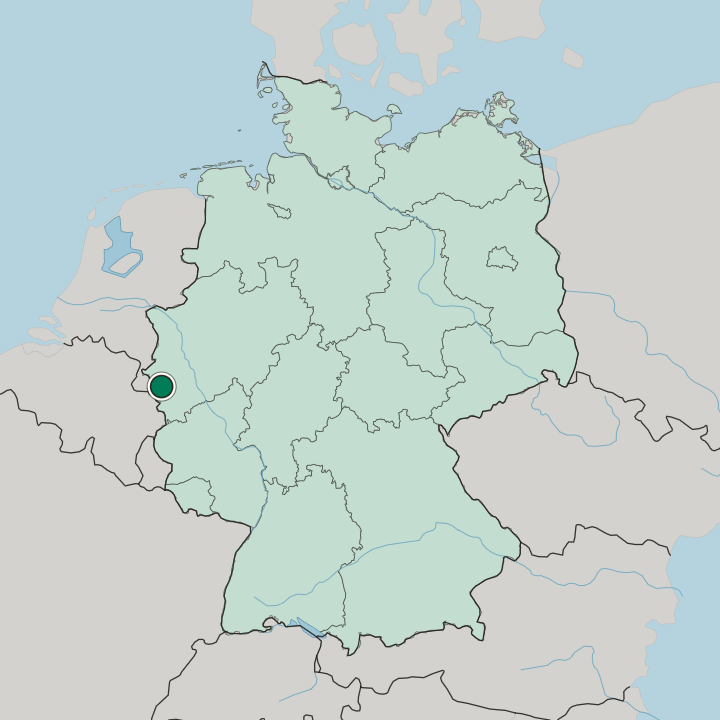
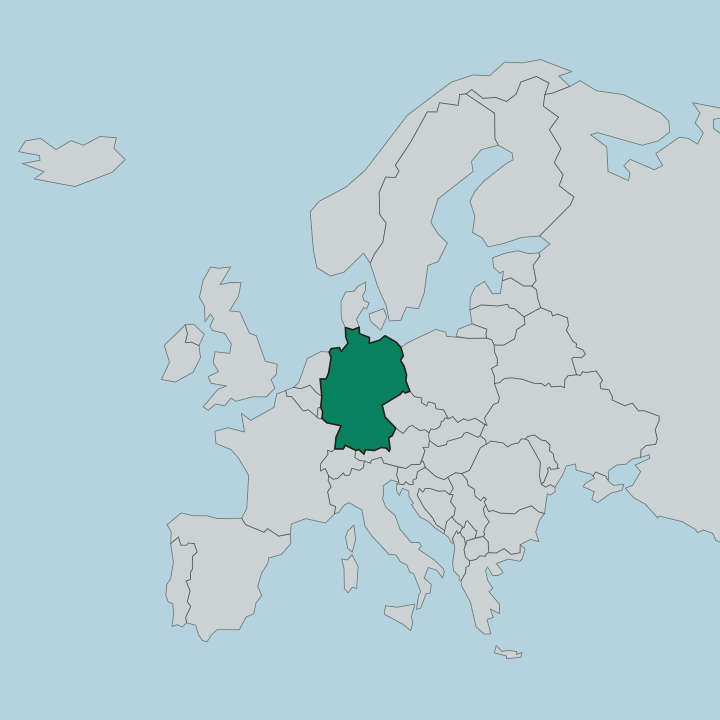
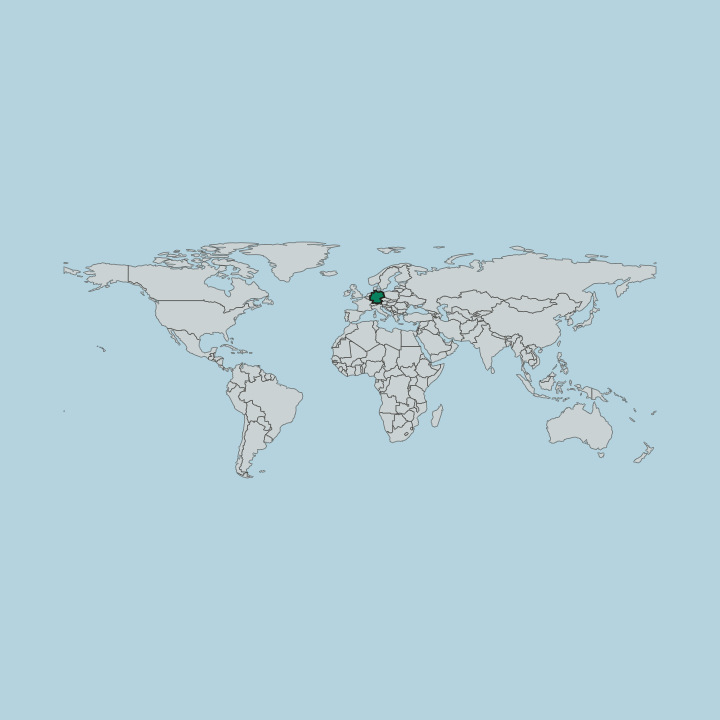
Low ground along the Inde carries most of the built-up area, and Eschweiler sits within a short reach of the German, Dutch and Belgian borders. Aachen is fifteen kilometres west. Cologne stands roughly fifty kilometres the other way, and the district of Aachen ties Eschweiler into the wider administration of Nordrhein-Westfalen.
What is the climate of Eschweiler?
Weather here stays temperate. The Inde valley lies low and open, so the seasons arrive without extremes, and mild westerly air crossing the Dutch and Belgian border reaches Eschweiler with little in the way to block it. Winters run grey rather than hard, and summers warm without turning fierce over the valley floor.
How do you get to Eschweiler?
Most approaches come through Aachen, fifteen kilometres west, or down the Cologne road from the east, which puts Eschweiler within an easy run of two very different cities. The border is close too. Dutch and Belgian territory begins not far off, so arrivals reach Eschweiler from three countries through the same district of Aachen.
Common questions
What is the best area to stay in Eschweiler?
The centre around St. Antonius: Walkers who want Burg Eschweiler and the Haus der Geschichte Eschweiler on foot. Weisweiler: Drivers pointing at Cologne who want St. Severin at the door. Aachen instead: Anyone trading the Inde castles for a bigger city evening.
Good for
More cities in Nordrhein-Westfalen
Updated October 2026