Germany · Nordrhein-Westfalen
Where to Stay in Witten, Nordrhein-Westfalen
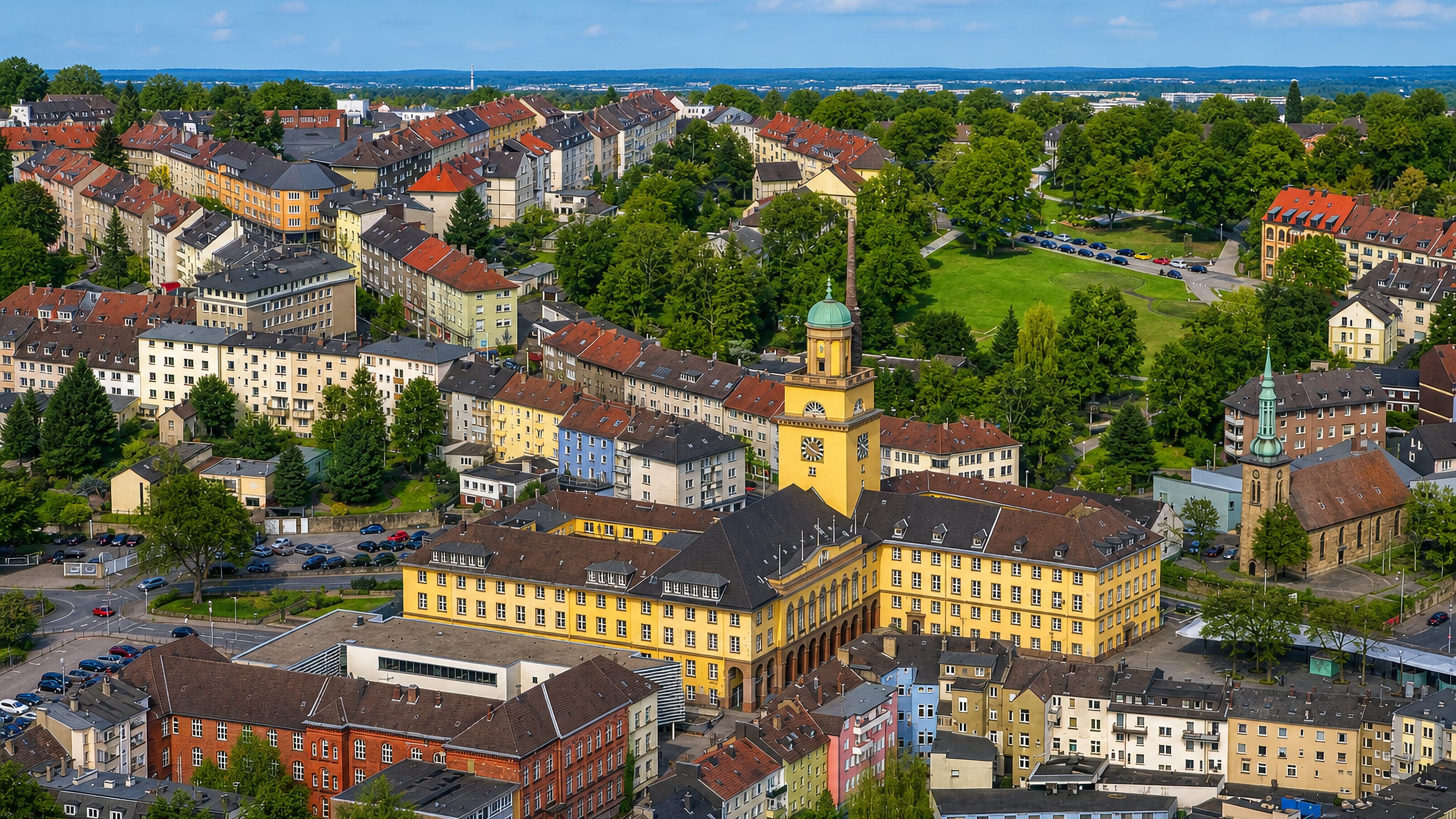
Witten holds the Muttental, the valley where the LWL Industry Museum Mine Nachtigall keeps the Ruhr area's coal beginnings open to walkers.
Hotel links are affiliate links: booking through them may earn us a commission, at no extra cost to you. It never affects how places are ranked. How this works


Where to stay in Witten
The right area depends on your trip — here's what each neighbourhood is best for.

 WittenGermanyLonger stays willing to swap museums for parking
Annen
Annen keeps its own centre around the Evangelische Kirche Annen, clear of the crowded streets by House Witten. Beds are limited here, so book early.Annen → WittenGermany
Heven
Heven is a Stadtteil of Witten in the Ruhrgebiet, made up of Papenholz, Hellweg, Wannen, Heven-Dorf and Lake. It is Witten's fourth largest.Where to stay →Hotel links are affiliate links: booking through them may earn us a commission, at no extra cost to you. It never affects how places are ranked. How this works
Find hotels in Witten
Direct booking searches for these neighbourhoods.
Witten centre around House Witten
House Witten, the Johanniskirche and St. Marien stand within one circuit, so the centre needs no transport at allFind hotels in Witten centre around House WittenEarly starts on the Mining hiking trail MuttentalMuttental
The Muttental gathers Mine Nachtigall, the Muttentalbahn and the Deutsches Gruben- und Feldbahnmuseum into a single valley walk. Rooms are few around here — worth securing early.Find hotels in MuttentalHotel links are affiliate links: booking through them may earn us a commission, at no extra cost to you. It never affects how places are ranked. How this works
Things to do in Witten
Ranked by global recognition; descriptions from Wikidata (CC0).
Museums & Galleries
3- Märkisches Museum Heritage
- Henriette-Davidis-Museum
- Deutsches Gruben- und Feldbahnmuseum
Churches & Religious Sites
8- St. Marien Heritage
- Johanniskirche Heritage
- Dorfkirche Wengern Heritage
- Evangelische Kirche Heven Heritage
- Evangelische Kirche Heritage
Show 3 more →
- St. Josef Heritage
- Evangelische Kirche Annen Heritage
- Emmaus-Kirche Heritage
Castles & Historic Sites
6- Hardenstein Castle Heritage
- Berger memorial Heritage
- House Witten Heritage
- Annener Gußstahlwerk concentration camp Heritage
- Muttentalbahn Heritage
Show 1 more →
- House Rüdinghausen Heritage
worth knowingacross 3 categories in Witten
About Witten
Coal made the place.
What is Witten known for?
The Mining hiking trail Muttental strings together the pits that started it, and the LWL Industry Museum Mine Nachtigall marks the point at which a working colliery turned into something to walk through instead. Hardenstein Castle predates every shaft of it. The Helenenturm and the Berger memorial hold the high ground above the valley, and the Deutsches Gruben- und Feldbahnmuseum keeps the narrow-gauge stock that once served the workings.
What are the main landmarks in Witten?
Hardenstein Castle is the oldest sight. Its ruin sits below the ridge that carries the Helenenturm and the Berger memorial, while House Witten holds the equivalent position down in the built-up middle of the town. Churches count for a lot here.
The Johanniskirche, St. Marien, St. Josef, the Auferstehungskirche, the Emmaus-Kirche and the Klosterkirche der Karmelitinnen Witten cover the parishes, and the Dorfkirche Wengern and Kapelle Gedern stand out at the rural edges.
What is the history of Witten?
Stone came before coal. Hardenstein Castle stands as the medieval marker on this ground, and House Witten follows it as the seat that governed a settlement long before anything industrial arrived to reshape the valley floor. The Johanniskirche belongs to that older layer.
So does the parish pattern the Dorfkirche Wengern still shows. Mining rewrote everything after it. The pits of the Muttental worked seams close enough to the surface to be reached early, the Mining hiking trail Muttental now traces those workings on foot, and the LWL Industry Museum Mine Nachtigall preserves the colliery that gives the whole valley its name in the record.
Rails followed the coal. The Muttentalbahn and the Deutsches Gruben- und Feldbahnmuseum between them hold the industrial track that moved it. Heavy industry brought a darker chapter.
The Annener Gußstahlwerk concentration camp is recorded on the ground at Annen, a Nazi-era site attached to the steelworks that the town's own account does not leave out. Two museums carry the civil story. The Märkisches Museum works across regional art and history while the Henriette-Davidis-Museum and the Hebezeug-Museum treat narrower subjects, and the Kloster der Karmelitinnen Witten adds a religious foundation to the same modern record.
Where is Witten?
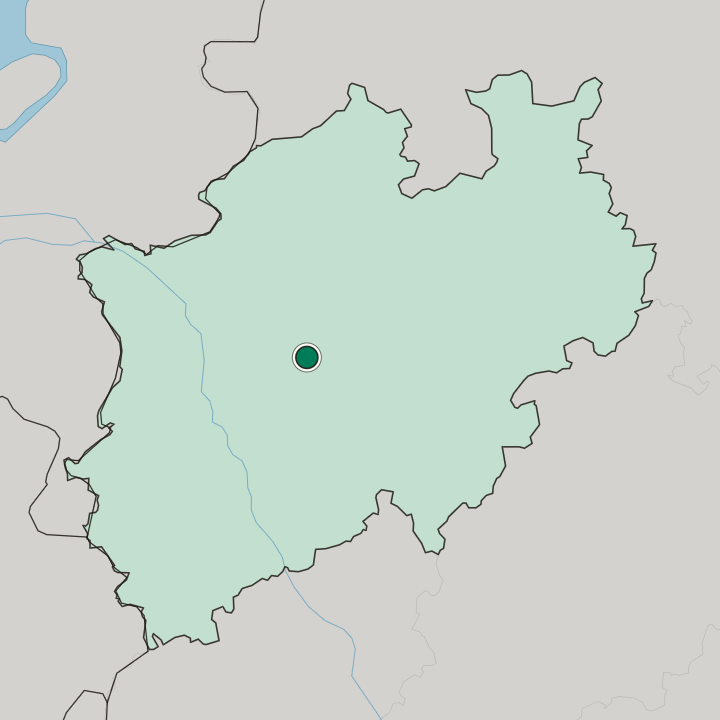
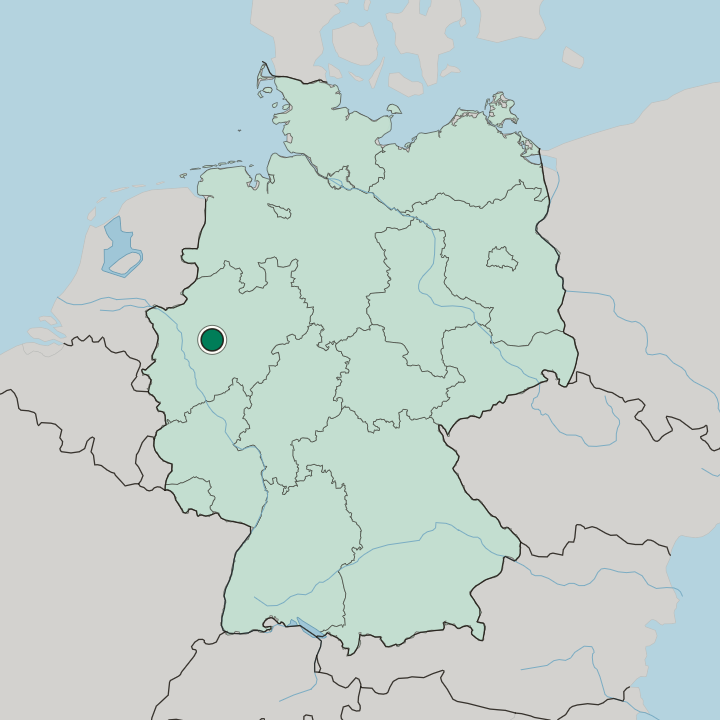
Roughly 72 square kilometres of the Ennepe-Ruhr-Kreis belong to Witten, enough ground to carry a built-up middle, the wooded Muttental and outlying parts such as Annen and Heven without any of them running together. The land is not flat. Ridges rise behind the town, and the Helenenturm and Berger memorial occupy the best of that height.
Ruhr area country surrounds it all.
What is the climate of Witten?
Temperate, with no hard season. The wooded slopes of the Muttental stay walkable across most of the year, which is the practical fact behind a town whose best sight is a trail rather than a building. Shelter matters on wet days.
The Märkisches Museum and the LWL Industry Museum Mine Nachtigall take the weather out of the plan.
How do you get to Witten?
The Ruhr area delivers most arrivals. Witten sits inside the Ennepe-Ruhr-Kreis with the built-up neighbours of that conurbation on nearly every side, so the approach is short from almost anywhere within it. Annen and Heven are passed on the way in.
The Muttentalbahn is not a way to arrive, since it runs in the valley as a heritage line rather than as a service to the centre.
Common questions
What is the best area to stay in Witten?
Witten centre around House Witten: Museum days built on the Märkisches Museum and the Henriette-Davidis-Museum. Muttental: Early starts on the Mining hiking trail Muttental. Annen: Longer stays willing to swap museums for parking.
Good for
More cities in Nordrhein-Westfalen
Updated October 2026