Estonia
Hiiumaa, Estonia — Towns & Travel Guide
Hiiumaa is Estonia's second-largest island, a low green expanse of pine forest and lighthouses in the Baltic Sea.
Hotel links are affiliate links: booking through them may earn us a commission, at no extra cost to you. It never affects how places are ranked. How this works


Towns & cities in Hiiumaa
How the towns here differ, and where visitors usually base themselves.
Kärdla is the obvious base. The island's only town gathers most of its guesthouses and cafés around a leafy central square, an easy walk from the beach and the museum. Käina, further south, puts you near the causeway to Kassari and the sheltered bay.
The Kõpu Peninsula in the west is thin on beds. Stay in Kärdla for your first trip; choose Käina or Kõpu when you want the woods and the shore to yourself.
About Hiiumaa
Hiiumaa trades on quiet.
What is Hiiumaa known for?
The island is known for its lighthouses, above all the Kõpu Lighthouse, which the Hanseatic League raised on the western peninsula in the early 16th century and which has burned longer than almost any beacon on earth. Pine woods, juniper heath and long sandy beaches cover most of the land, and the whole island sits inside the West Estonian archipelago biosphere reserve. Locals are famous across Estonia for their dry self-deprecating humour.
Kärdla, the small capital, is the one real town.
Where is Hiiumaa?
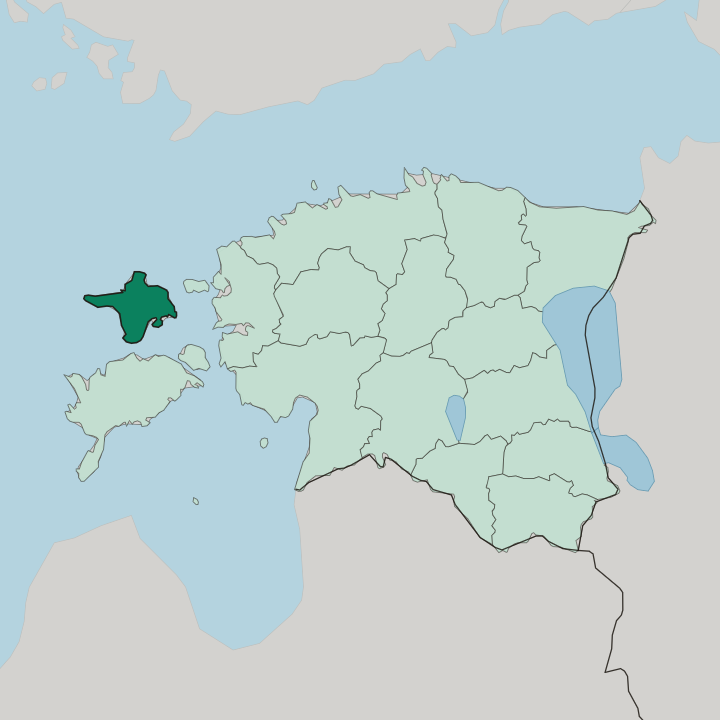
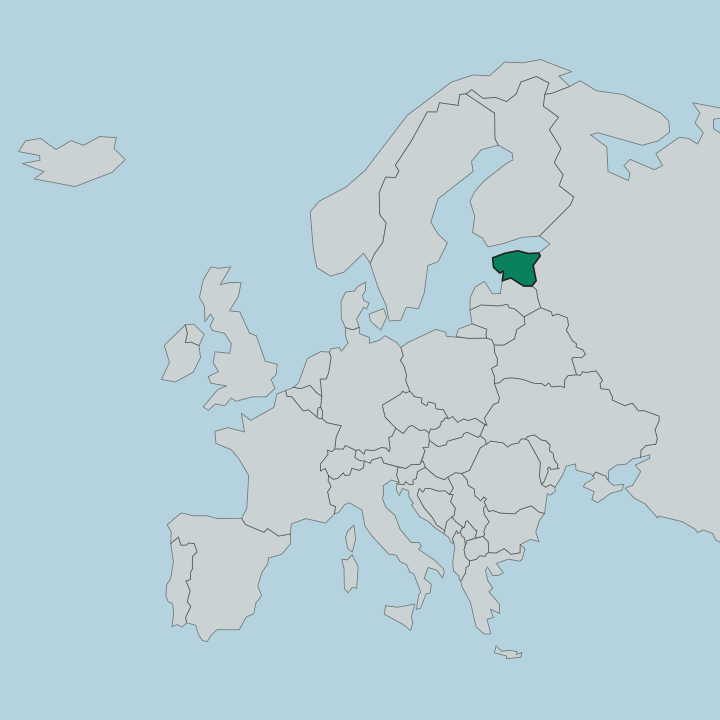
Hiiumaa lies off Estonia's west coast, the second-largest island in the country after Saaremaa to its south. It sits within the West Estonian archipelago, a scatter of low limestone islands strung along the eastern Baltic Sea. Only about 22 kilometres of water separate it from the mainland, crossed by the ferry between Rohuküla and the eastern harbour at Heltermaa.
The island is flat. Its highest point, the hill of Tornimägi, rises just 68 metres, and much of the land barely clears the sea. Two long peninsulas give Hiiumaa its ragged shape.
The Kõpu Peninsula reaches west into the Baltic, carrying the old lighthouse on its spine, while the Tahkuna Peninsula points north toward the open water. Pine forest covers roughly half the island, threaded with juniper heath, coastal meadow and bog. West of Kärdla lies a scar of a different kind: the Kärdla meteorite crater, gouged out some 455 million years ago and now grown over with farmland and forest.
The coast runs from sandy beach to low limestone shelf, and the whole island is still slowly rising out of the sea as the land rebounds from the weight of vanished ice.
What is Hiiumaa like?
Hiiumaa keeps to itself. Fewer than ten thousand people live on the whole island, and the culture that grew here is one of isolation worn lightly. Islanders are known across the country for a particular brand of slow, deadpan humour, the butt of gentle jokes told on the mainland and turned back with relish.
The sea shaped everything. For centuries families made their living from fishing, small farming and the traffic of the lighthouses, and the beacon at Kõpu has stood watch on the western peninsula since the early 16th century. Much of that heritage is quiet and out of doors.
Old wooden churches, the stone lighthouse towers and abandoned Soviet coastal batteries on the Tahkuna Peninsula sit among the pines, and a marked long-distance trail loops the entire coast for walkers. The island belongs to a UNESCO biosphere reserve covering the West Estonian archipelago, a recognition that people here have farmed, fished and cut wood in step with the land for generations. Estonian is the everyday language, spoken with the island's own soft turns.
A friendly rivalry with neighbouring Saaremaa runs through it all, each island certain it is the finer of the two.
What is the history of Hiiumaa?
Hiiumaa first enters the written record in 1228, as Germanic crusaders swept through Estonia and named the island Dageida. Sweden held it from 1563 to 1721 under the name Dagö, and a Swedish-speaking coastal population farmed the shores for generations before most were resettled or absorbed. Then came the Russian Empire.
Through all of it the Kõpu Lighthouse burned on the western peninsula, first lit in the early 16th century by the Hanseatic League to guide ships past the shallows. Baltic German landlords ran the estates until the 20th century.
What is the climate of Hiiumaa?
The Baltic Sea governs Hiiumaa's weather, softening every extreme. Summers stay mild and green, warm enough for the sandy beaches of the Kõpu and Tahkuna peninsulas but rarely hot. Winters are cold and grey, though the surrounding water holds off the hardest frosts that grip the Estonian mainland.
Rain and cloud spread evenly through the year rather than falling in one wet season, and the wind off the open sea is a near-constant companion. A hard winter can freeze the sound.
How do you get to Hiiumaa?
Most travellers reach Hiiumaa by ferry. The crossing runs from Rohuküla on the mainland to Heltermaa harbour on the island's eastern shore, a passage of a little over an hour across the shallow sound. A small airport at Kärdla takes short flights from Tallinn for those in a hurry.
In summer a second ferry links the southern port of Sõru with neighbouring Saaremaa, making island-hopping easy. From Tallinn the whole trip by car and boat takes about three hours.
Common questions
What is the best area to stay in Hiiumaa?
Kärdla: a first trip to Hiiumaa. Käina: the causeway to Kassari. The Kõpu Peninsula: the great lighthouse and wild coast.
Good for
More regions in Estonia
Updated September 2026