Estonia
Valgamaa, Estonia — Towns & Travel Guide
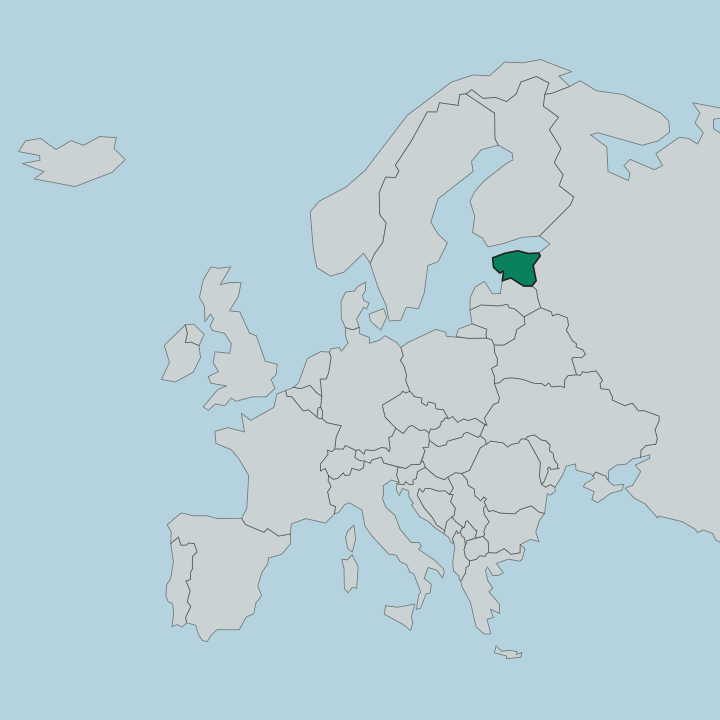
Valgamaa is a hilly county in southern Estonia, home to Otepää, the country's winter capital, and the border town of Valga.
Hotel links are affiliate links: booking through them may earn us a commission, at no extra cost to you. It never affects how places are ranked. How this works


Towns & cities in Valgamaa
One town here has its own guide — it links to where to stay.
 Estonia
Valga
Valga sits on Estonia's border with Latvia, one half of a town split from Valka in 1920 and rejoined without checkpoints in 2007.Where to stay →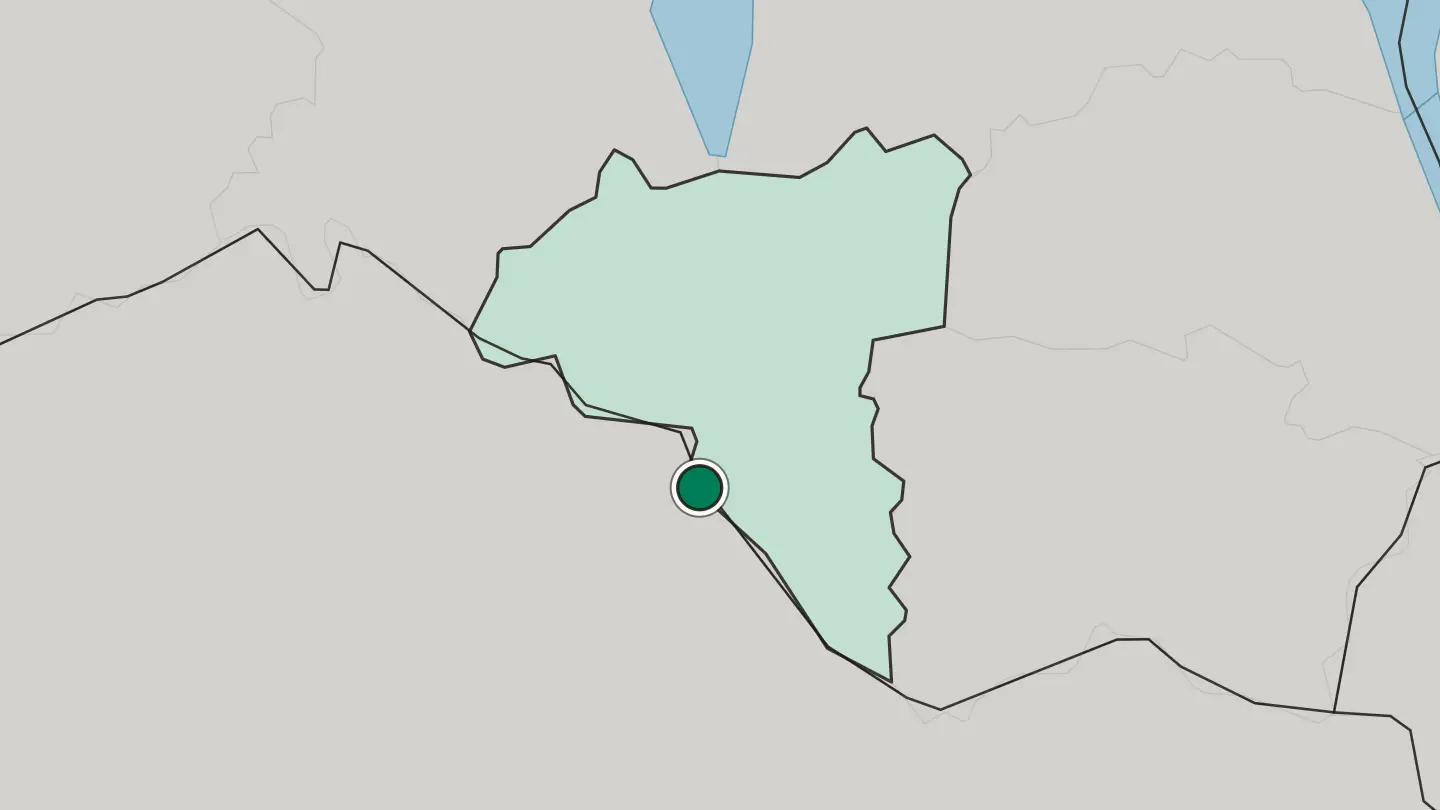
Hotel links are affiliate links: booking through them may earn us a commission, at no extra cost to you. It never affects how places are ranked. How this works
About Valgamaa
What is Valgamaa known for?
Otepää carries the county's fame. The little town in the hills is the winter capital of Estonia, and its cross-country trails at the Tehvandi Sports Center draw skiers from across the Baltics when the snow holds. Valga, the county seat, sits split down the middle by the border with Latvia, one settlement shared with the Latvian town of Valka.
Between them lies Lake Pühajärv, ringed by the wooded slopes of the Otepää hills.
Where is Valgamaa?
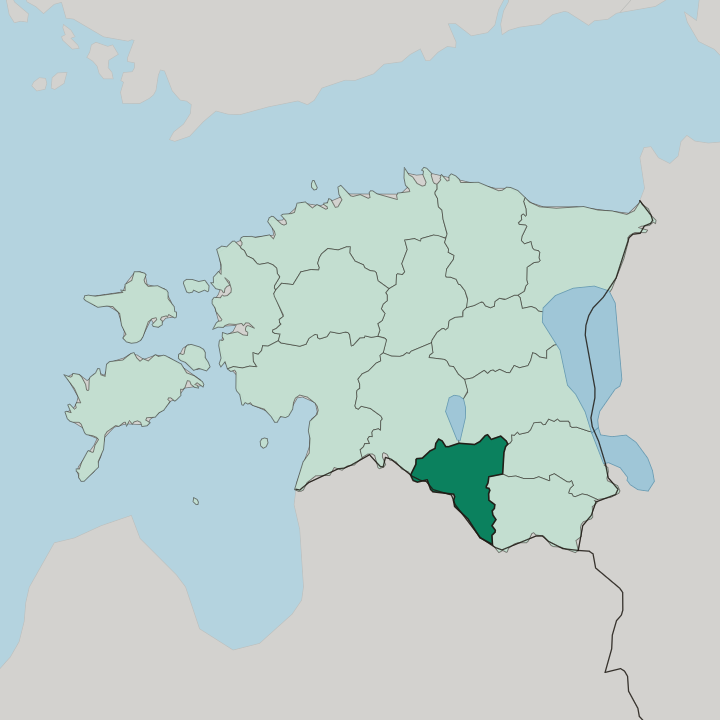
Valgamaa lies in southern Estonia, hard against the frontier with Latvia. The border runs along the county's southern and western edges. To the east are Põlva and Võru counties; to the north, Viljandi and Tartu.
This is some of the highest and most broken ground in a country that is otherwise famously flat. The Otepää hills rise across the centre and east of the county, a jumble of drumlins and kettle holes left by the last glaciers, and their summits at Kuutsemägi and Harimägi count among the tallest in Estonia. Lakes lie everywhere.
Lake Pühajärv is the best known, a five-armed lake below Otepää that feeds the Väike Emajõgi river. That river runs north out of the county toward Võrtsjärv, the largest lake lying wholly within Estonia, whose southern shallows brush the county's edge. In the far south, the Karula hills hold their own tangle of small lakes and bog, protected as Karula National Park.
Forest covers well over half the land here. Valga anchors the county's southern corner on the Latvian line, Otepää sits among the central hills, and Tõrva lies west on the Õhne river, the three towns spread wide across a rural, wooded interior.
What is Valgamaa like?
This is skiing country, and the calendar bends around winter. Otepää styles itself the winter capital of Estonia, and each season the whole town turns out for the trails at the Tehvandi Sports Center, which has hosted World Cup cross-country racing more than a dozen times. The great mass event is the Tartu Marathon, a long ski race that finishes near Otepää and pulls thousands of skiers through the hills each February.
Estonian is the everyday language across the county. Yet the character of the place is shaped as much by the border as by the snow. Valga and the Latvian town of Valka were a single town until 1920, and even now the two halves run together across an open line, a rare spot where Estonian and Latvian life sit side by side on one high street.
The countryside keeps its old estates. Sangaste manor with its red-brick castle, the ruins at Helme above Tõrva, and the mausoleum of the general Barclay de Tolly all speak to the Baltic-German landlords who once held this ground. Summer brings a slower rhythm to the lakes.
Families come to swim at Pühajärv and to walk the marked paths of the Otepää nature park, the largest protected landscape in the country.
What is the history of Valgamaa?
Valga first appears in the record in 1286, a Livonian market town on the roads between Riga and the north. The Polish king Stefan Batory granted it town rights in 1584. For centuries afterward the land belonged to the Baltic-German gentry, whose manors still stand at Sangaste and Helme.
Everything turned on 1920, when the new states of Estonia and Latvia could not agree how to split a town that was half Estonian and half Latvian, and a British-led commission drew the border straight through it along the Konnaoja creek. The split held. Its larger northern part became the Estonian Valga, and the smaller south became Latvian Valka.
As a county in its present shape, Valgamaa dates only to 1990.
What is the climate of Valgamaa?
The Otepää hills give this county a colder, snowier winter than most of lowland Estonia, which is exactly why Otepää became a ski town. Snow settles on the high ground and lingers, and the Tehvandi trails can open early and stay open late when the season is kind. Cold.
That is the winter in a word. Summers turn mild and green, and the lakes around Pühajärv warm enough for swimming, though the water stays fresh even at the height of July, so the season for the shore is short and prized.
How do you get to Valgamaa?
Tartu is the gate. Most travellers reach the county by road or rail from that city, the nearest big one, about ninety kilometres to the north. Trains run south from Tallinn through Tartu to Valga, where the line slips across into Latvia and carries on toward Riga, the Latvian capital, which sits closer to the county than Tallinn does.
Many arrive instead by car up from Riga through Valka. Otepää lies off the railway, reached by a short drive west into the hills.
Common questions
What is the best area to stay in Valgamaa?
Otepää: skiing and the lakeside hills. Valga: the border-town crossing. Tõrva: manors and the Õhne valley.
Good for
More regions in Estonia
Updated September 2026