Estonia
Raplamaa, Estonia — Towns & Travel Guide
Raplamaa is Estonia's inland county of limestone plains, deep bogs, and old manors, an hour south of Tallinn with Rapla at its centre.
Hotel links are affiliate links: booking through them may earn us a commission, at no extra cost to you. It never affects how places are ranked. How this works


Towns & cities in Raplamaa
One town here has its own guide — it links to where to stay.
 Estonia
Rapla
Rapla, Rappel in German, is the county town of Raplamaa in north-central Estonia and the centre of Rapla Parish.Where to stay →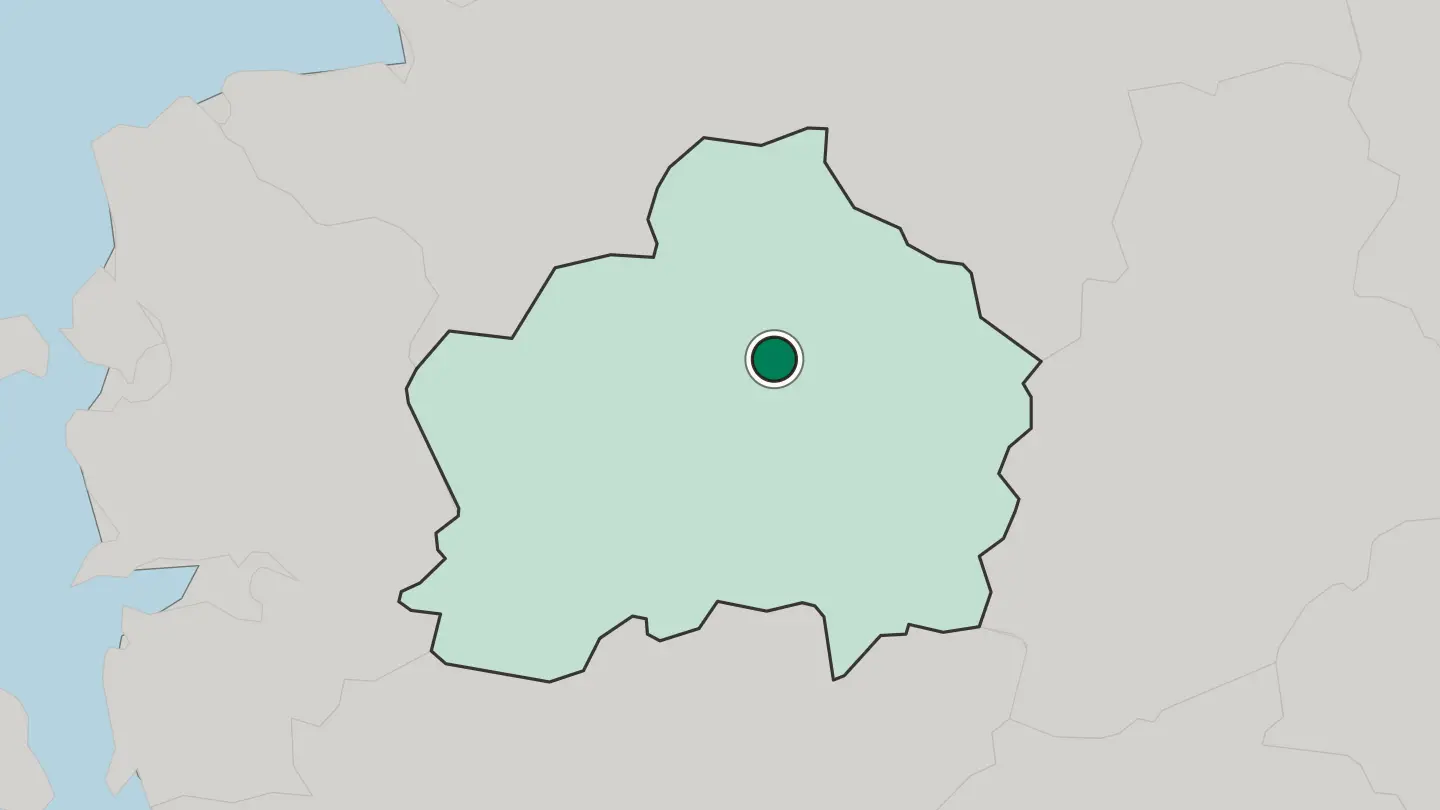
Hotel links are affiliate links: booking through them may earn us a commission, at no extra cost to you. It never affects how places are ranked. How this works
About Raplamaa
Bogs and forests define Raplamaa.
What is Raplamaa known for?
Woodland covers close to half the county and marshy peatland roughly a third, so boardwalk trails and raised bogs are the reason most people come. Rapla, the county town, is known for a single building: the Maarja-Magdaleena church of 1901, the only rural church in Estonia carrying two towers. Manor estates are the other draw.
Vana-Vigala holds the oldest works of art in the country, bas-reliefs brought from Pompeii, and the Kuimetsa and Pae karst caves cut into the limestone in the county's east.
Where is Raplamaa?
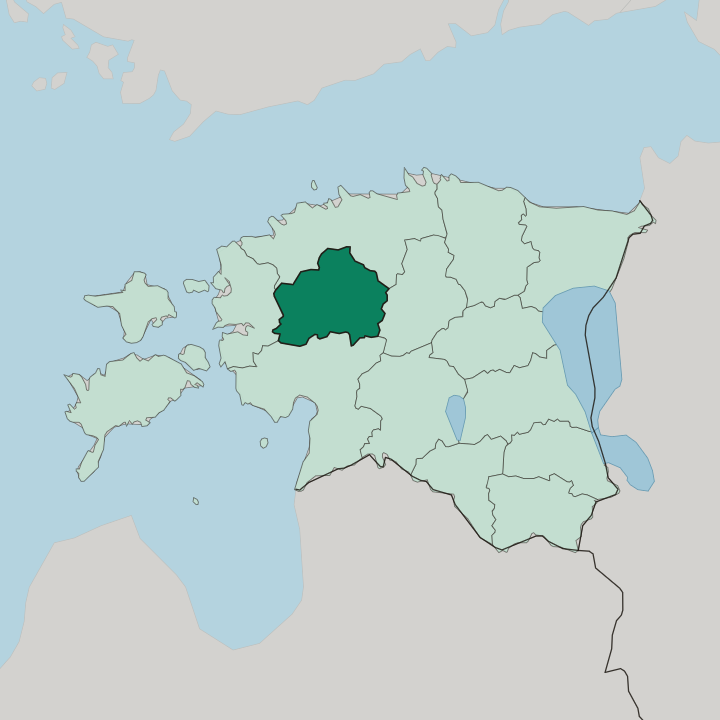
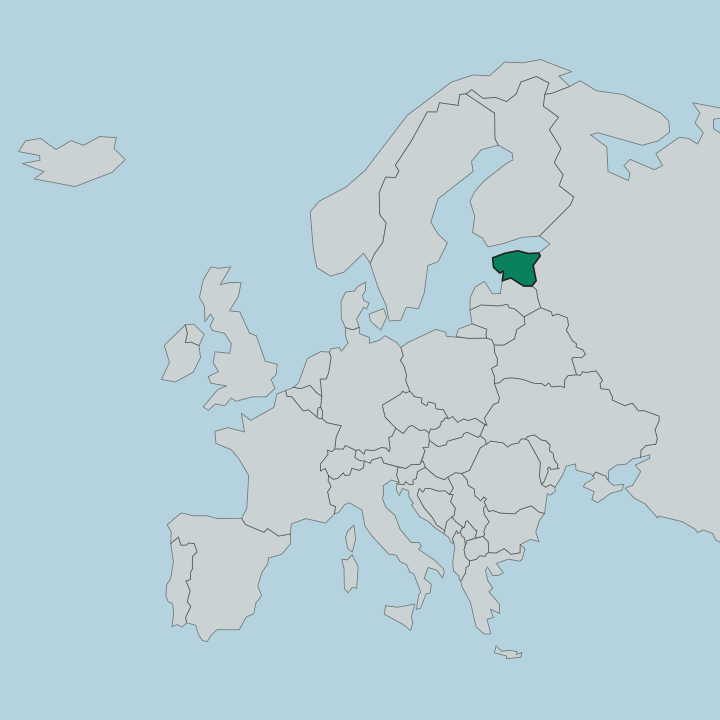
Raplamaa lies inland in west-central Estonia, one of the few counties with no coast at all. It sits directly south of Tallinn, and the capital's county, Harju, forms its whole northern border. Rapla, the county seat, stands about 48 km from Tallinn, close enough for a day trip yet far enough that the traffic falls away and the land opens into forest. Järva County lies to the east and Pärnu County to the south, while Lääne County closes off the west between Raplamaa and the Baltic shore.
The county rests on a limestone plain, and that flat, water-holding bedrock is what shapes everything above it. Woodland runs across nearly half the surface. Bog and marsh take up roughly a third more, so open ground is the exception rather than the rule.
Peat, dolomite, and clay come out of that same ground. In the east the limestone is dissolved into karst, and Estonia's largest karst caves, Kuimetsa and Pae, open there; in the west, near Märjamaa, thin soil over bare rock supports the rare fragile alvar spruce. There are no mountains and no sea here.
What Raplamaa has instead is depth of forest and bog, a quiet interior that fills the gap between the capital in the north and the Gulf of Riga counties to the south.
What is Raplamaa like?
Manor culture runs through Raplamaa. Baltic German families held these estates for centuries, the Uexkülls and Fersens, the Keyserlings and Wrangels, and their manor houses still set the tone of the villages around them. The church at Rapla, built in 1901, answers the manors.
Estonian is the language of daily life across the county, as it is across the rest of Estonia. Beyond the manors and the church, the culture here is quiet and rural. Farmsteads, small parish centres, and the bog trails between them make up most of it.
This is not a place of crowds or nightlife. What people come for is the land itself and the handful of grand houses set into it, a landscape read slowly rather than ticked off in a day.
What is the history of Raplamaa?
Rapla first appears in writing in the Danish census of 1241, when it was noted as a small village of cultivated fields. Estate lords shaped what followed. Baltic German families built up the manors that still stand across the county, while the parish church grew into the centre of village life.
The modern county town took form late: a brick works opened in 1898, and in 1900 the railway reached Rapla on the line pushed south toward Viljandi, tying this inland stretch of Estonia to Tallinn and the coast for the first time.
What is the climate of Raplamaa?
The climate is humid continental. With no sea to soften it, this inland county runs colder through winter than the Estonian coast, and hard frost holds from December into March while snow settles over the bogs and forests. Summers turn warm.
Long daylight lies over the peatlands then, and it is the best stretch for walking the boardwalk trails. Rain falls through the year rather than in one season, and the limestone plain holds that water, which is exactly why the marshes and raised bogs formed here.
How do you get to Raplamaa?
Most travellers reach Raplamaa through Tallinn. The capital holds the country's main international airport, and from there the Elron train on the Viljandi line runs south through the county, stopping at Kohila and then Rapla. It is a short ride.
Kohila sits roughly 33 km from Tallinn and Rapla about 48 km, so either town is within an easy hour of the capital by rail or road. A car helps once you are here, since the bogs, karst caves, and manor estates lie scattered along country roads well away from the two stations.
Common questions
What is the best area to stay in Raplamaa?
Rapla: the two-towered church and the county centre. Kohila: the shortest hop from Tallinn by train. Märjamaa: the western bogs and alvar woodland. Kehtna: the eastern karst country.
Good for
More regions in Estonia
Updated October 2026