Estonia
Põlvamaa, Estonia — Towns & Travel Guide
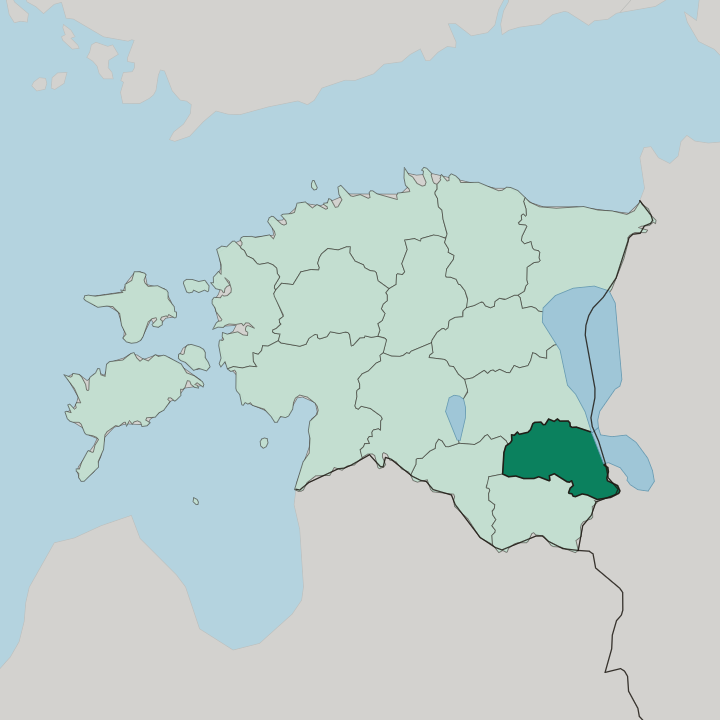
Põlvamaa is a rural county in south-eastern Estonia, land of the Ahja's sandstone cliffs, the Seto people, and the shore of Lake Peipus.
Hotel links are affiliate links: booking through them may earn us a commission, at no extra cost to you. It never affects how places are ranked. How this works


Towns & cities in Põlvamaa
One town here has its own guide — it links to where to stay.
 Estonia
Põlva
Põlva is the county seat of Põlvamaa in southeastern Estonia, a small town gathered around Põlva Church and the parish it centres.Where to stay →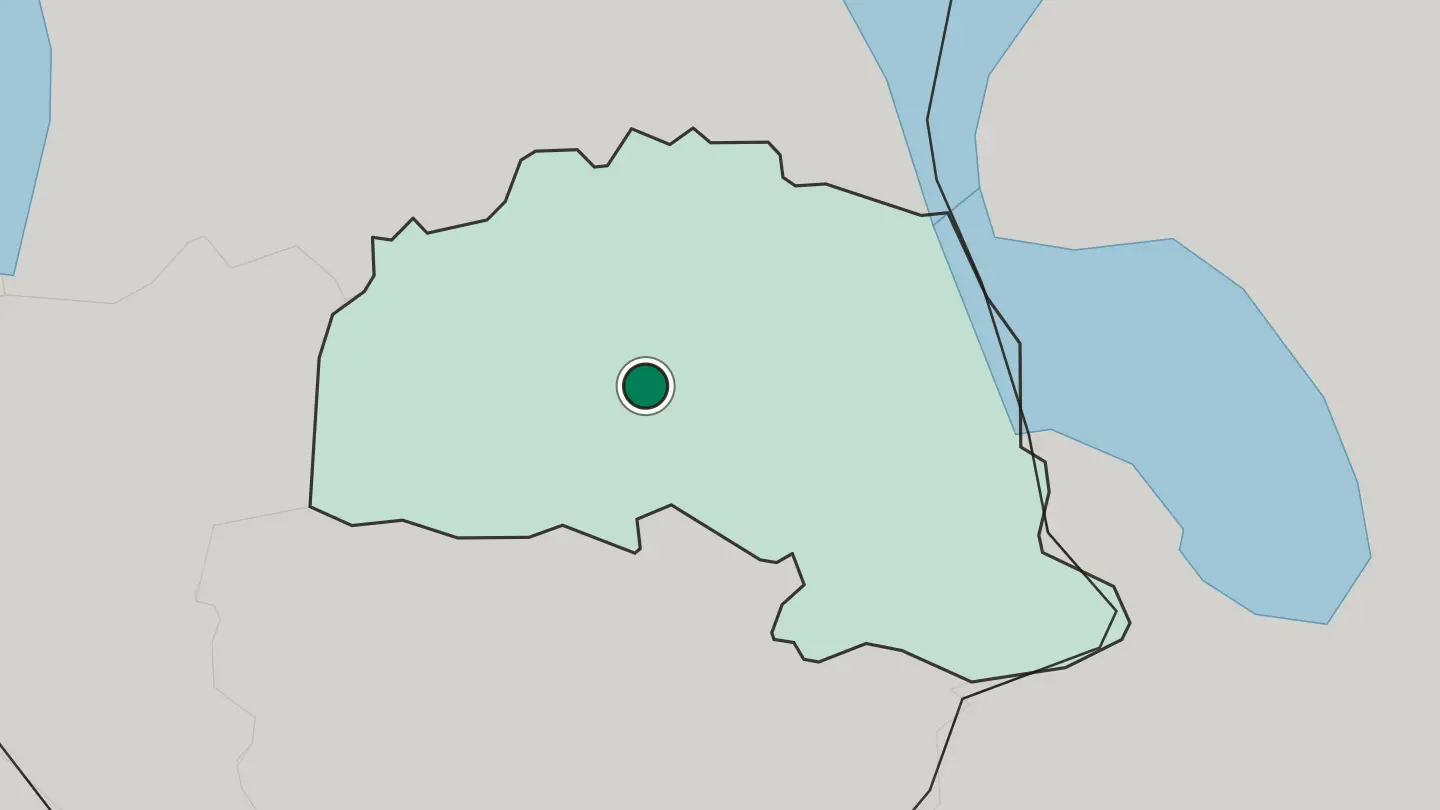
Hotel links are affiliate links: booking through them may earn us a commission, at no extra cost to you. It never affects how places are ranked. How this works
About Põlvamaa
What is Põlvamaa known for?
Põlvamaa is quiet farm country in south-eastern Estonia, and its fame rests on two things. First, the Ahja: this river has carved 400-million-year-old Devonian sandstone into the pale cliffs at Taevaskoja, one of the most photographed spots in the country. Second, the Seto.
Part of the Seto homeland, Setomaa, lies inside the county, and their leelo singing carries a culture found almost nowhere else. The county seat, Põlva, sits roughly an hour's drive south of Tartu. Away from those draws, the land is forest, bog, and lake.
Where is Põlvamaa?
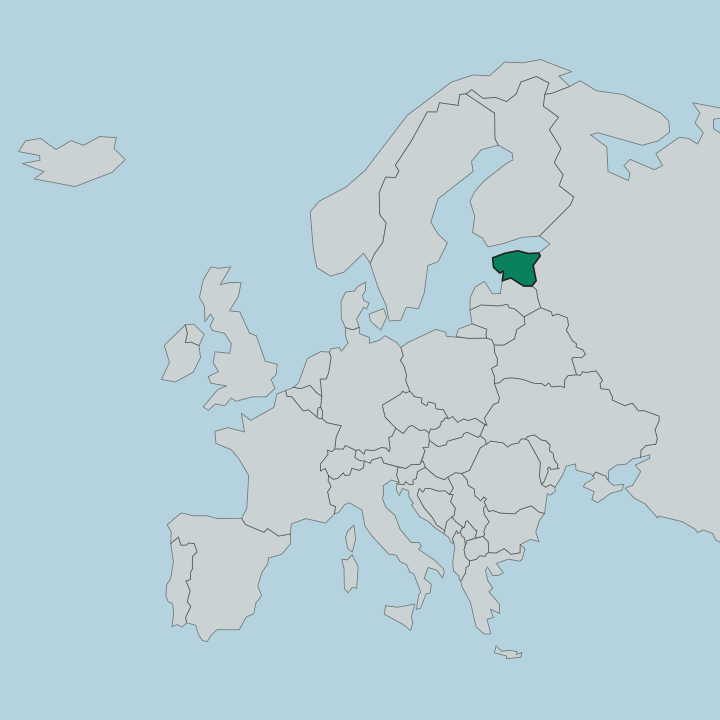
Põlvamaa sits in south-eastern Estonia, one of the country's smaller counties by land. Its eastern edge meets water. Lake Peipus, the great trans-boundary lake that splits Estonia from Russia, forms that border, and the Võhandu drains into it through the mill town of Räpina.
The Võhandu is the longest river in the whole of Estonia, and it rises in the county's uplands before turning north-east to the lake. Inland, the defining watercourse is the Ahja, which has cut a valley of pale Devonian sandstone through the forest. At Taevaskoja the cliffs stand well over a dozen metres above the water, banded rock laid down some 400 million years ago.
To the north lies Tartu County and the university city of Tartu; Valga County sits to the west and Võru County to the south. The interior is a low patchwork of farmland, pine forest, raised bog, and small lakes. This is some of the most varied country in Estonia.
No coast, no mountains, but ancient riverbeds, boardwalked mires, and a lake horizon that runs to the eastern sky.
What is Põlvamaa like?
Two cultures share this county. Most of Põlvamaa is ordinary south-Estonian farm country, speaking the South Estonian tongue that sets the region apart from the north. But the south-eastern corner belongs to the Seto.
Setomaa, the Seto homeland, was split when the border was fixed after 1991, leaving part of it inside Põlvamaa and part across the line in Russia. The Seto keep Orthodox Christianity where most Estonians are Lutheran or unchurched, and they sing. Their polyphonic leelo, performed by women in silver-hung traditional dress, was inscribed on the UNESCO list of intangible cultural heritage in the year 2009.
It is a living tradition, not a museum piece. Beyond Setomaa, the county's rhythm is set by the land and the calendar of the fields. Summer brings the Intsikurmu festival to a forest grove at the edge of Põlva, one of the few times crowds gather here.
The rest of the year is slow, and the towns are small. That quiet is much of the point.
What is the history of Põlvamaa?
Põlvamaa as a county was drawn in 1961, carved out of the older Tartu and Võru lands under Soviet administration. The settlements are far older. Räpina grew around a paper mill founded in the year 1734, still the oldest working enterprise in the district and one of the earliest in the country.
The Seto corner has been settled far longer, a crossroads of Finnic and Slavic worlds south of Lake Peipus. When Estonia regained independence in 1991, the old Setomaa was cut in two by the new Russian border. Much of the county's story is a border story.
What is the climate of Põlvamaa?
Põlvamaa has a cool, damp continental climate, more extreme than Estonia's coast because it sits well inland. Winters bite. Snow lies for months, the bogs freeze hard, and the Ahja can run under ice from the sandstone cliffs at Taevaskoja.
Summers are short, warm, and green, the season when canoes fill the river and the raised mires open to walkers on their boardwalks. Spring and autumn are brief hinges between the two, wet and quick to turn. Being far from the sea, the county swings warmer in July and colder in January than the shore towns to the west.
How do you get to Põlvamaa?
Most travellers reach Põlvamaa through Tartu, Estonia's second city, an hour or so to the north. The county has its own railway: the Tartu-Koidula line stops at Põlva and runs on toward the Russian border, so a train from Tartu will put you in the county seat directly. Buses thread out from Tartu to Räpina and the smaller villages.
No airport, no motorway. The nearest flights land at Tartu or, further off, in the capital. Once you arrive, a car is what opens up the river valleys, the bogs, and the scattered Seto villages of the south-east.
Common questions
What is the best area to stay in Põlvamaa?
Põlva: a first base with a train connection. Räpina: the Lake Peipus shore and the Võhandu. Taevaskoja: waking up beside the Ahja. Tartu: travellers wanting a city base nearby.
Good for
More regions in Estonia
Updated September 2026