
Egypt
Luxor, Egypt — Towns & Travel Guide
Luxor is the Upper Egypt region built over ancient Thebes, where the Nile splits temple town from royal tombs.
Hotel links are affiliate links: booking through them may earn us a commission, at no extra cost to you. It never affects how places are ranked. How this works


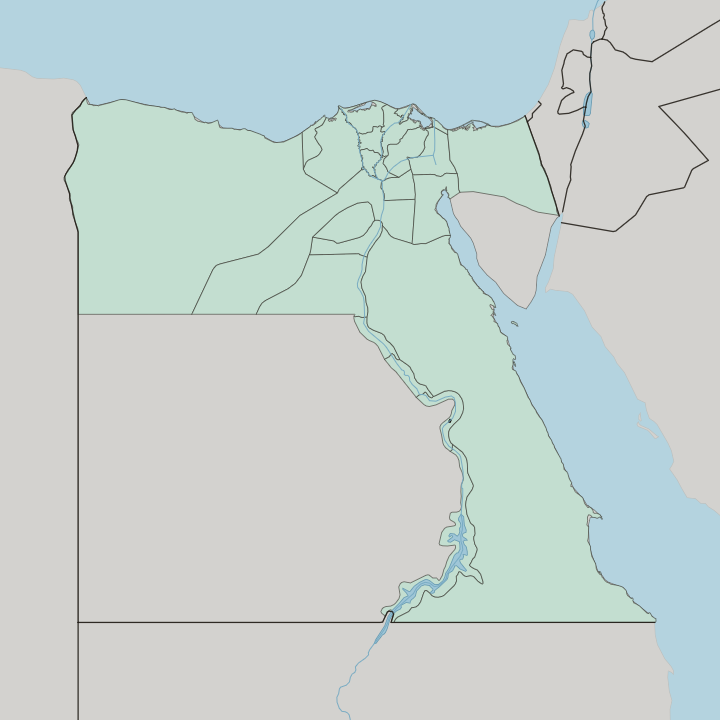
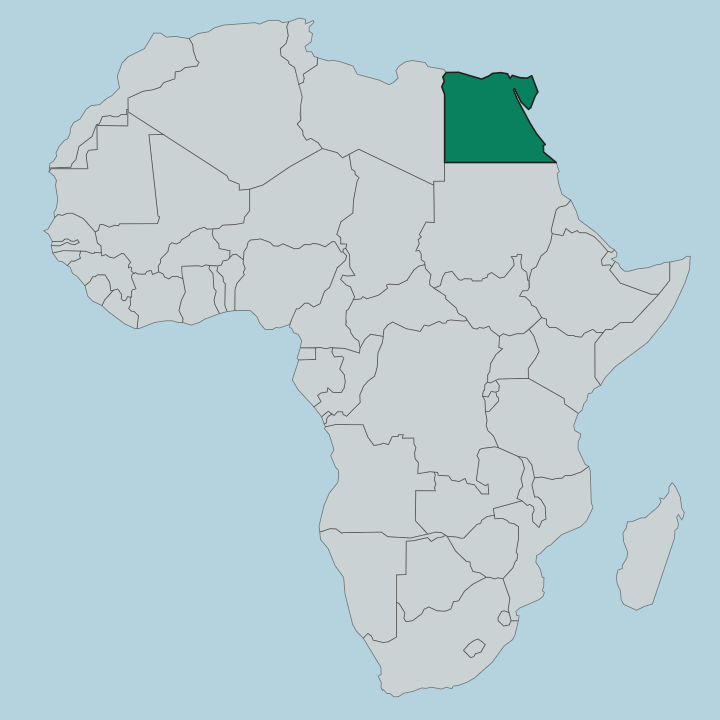
Towns & cities in Luxor
One town here has its own guide — it links to where to stay.

 Egypt
Egypt
Luxor
Temple pylons rise over the Nile at Luxor, a city in Upper Egypt on the site of ancient Thebes, known for Karnak Temple Complex and Luxor Temple.Where to stay →
Hotel links are affiliate links: booking through them may earn us a commission, at no extra cost to you. It never affects how places are ranked. How this works
About Luxor
Luxor is where ancient Thebes once stood.
What is Luxor known for?
The Nile cuts the region in two. On the east bank sits the temple town, with the vast columns of Karnak and the riverside city that carries the region's name. Across the water, the west bank holds the dead: the Valley of the Kings and the mortuary temples cut into desert cliffs.
Together they form one of the densest concentrations of ancient monuments anywhere on earth.
Where is Luxor?
Luxor is a governorate of Upper Egypt, strung along a bend of the Nile roughly halfway between Cairo and Aswan. The river is everything here. It runs south to north through the middle of the region, and the whole settled world sits within a narrow green ribbon on either side of it, hemmed in by desert.
On the east bank stands the city that carries the region's name, along with the temple complex of Karnak. The west bank rises quickly from farmland into limestone hills, and it is there that the Valley of the Kings and the Theban necropolis were dug. Beyond that thin band of cultivation, the Sahara begins almost at once.
Water is the only reason people live here. The governorate stretches downstream and upstream from the city itself, taking in the towns of Esna and Armant, both older than most of Europe's capitals. Esna lies south of Luxor on the western side of the river, guarding a lock that regulates the Nile's flow.
Armant sits closer, just to the south-west, an ancient cult centre in its own right. Qena Governorate borders it to the north, Aswan and its great dam lie upstream to the south, and the Red Sea desert reaches away to the east. Nothing about the place makes sense without the river.
What is Luxor like?
Two Luxors run side by side. There is the ancient one, drawing archaeologists and travellers to Thebes and its tombs, and there is the ordinary Upper Egyptian one that farms the same soil the pharaohs did. The old capital was named the City of a Hundred Gates by Homer, and it has been lived in continuously for longer than almost any city on earth.
Daily life still leans on the river. Feluccas work the water, calèches clatter along the east-bank corniche, and hot-air balloons drift over the west bank at dawn while farmers cut sugar cane below. The culture here is Saidi, the culture of Upper Egypt, more conservative and more traditional than Cairo to the north, with its own dialect, music and pace.
Arabic is the language of the streets and the markets. Tourism and antiquity shape the local economy far more than in most of the country; the monuments are not a backdrop but the main employer. Ancient and modern share the same ground.
A family's fields may sit atop an unexcavated tomb, and often do.
What is the history of Luxor?
As Thebes, this was one of the great capitals of Ancient Egypt. From the Middle Kingdom onward it grew into the religious and political heart of the empire, and its rulers raised Karnak and cut their tombs into the Valley of the Kings across the river. The city faded after antiquity, shrinking to a town among the ruins.
Its modern life is administrative and recent: the surrounding land was carved out of Qena Governorate in 2009 to form a governorate in its own right, with Luxor city as its capital. The stones outlasted them all.
What is the climate of Luxor?
Luxor has one of the hottest, driest climates on earth. Rain is a rumour. Whole years pass with none at all.
Summers, from May into September, are punishing, with afternoon highs in the shade regularly climbing past the low forties Celsius. Winter is the reward and the reason most travellers come between November and February, when clear warm days sit around the low twenties and the nights turn cool. The Nile does little to soften the heat, but it makes the thin green ribbon along its banks possible at all.
How do you get to Luxor?
Three routes lead in. Luxor has its own international airport on the east bank, with short domestic hops from Cairo taking about an hour. The overnight sleeper train from Cairo is the classic alternative, running down the Nile valley to Luxor's central station.
Many arrive by water instead: the region is the northern anchor of the Nile cruise route, and boats work the river between here and Aswan, passing through the lock at Esna. From airport or quay, the temples of the east bank are only minutes away.
Common questions
What is the best area to stay in Luxor?
The east bank: the living city of Thebes. The west bank: waking beside the Theban necropolis. Esna: a river-lock town away from the crowds.
Good for
More regions in Egypt
Updated September 2026