Spain · Andalusia
Where to Stay in Alcalá de Guadaira, Andalusia
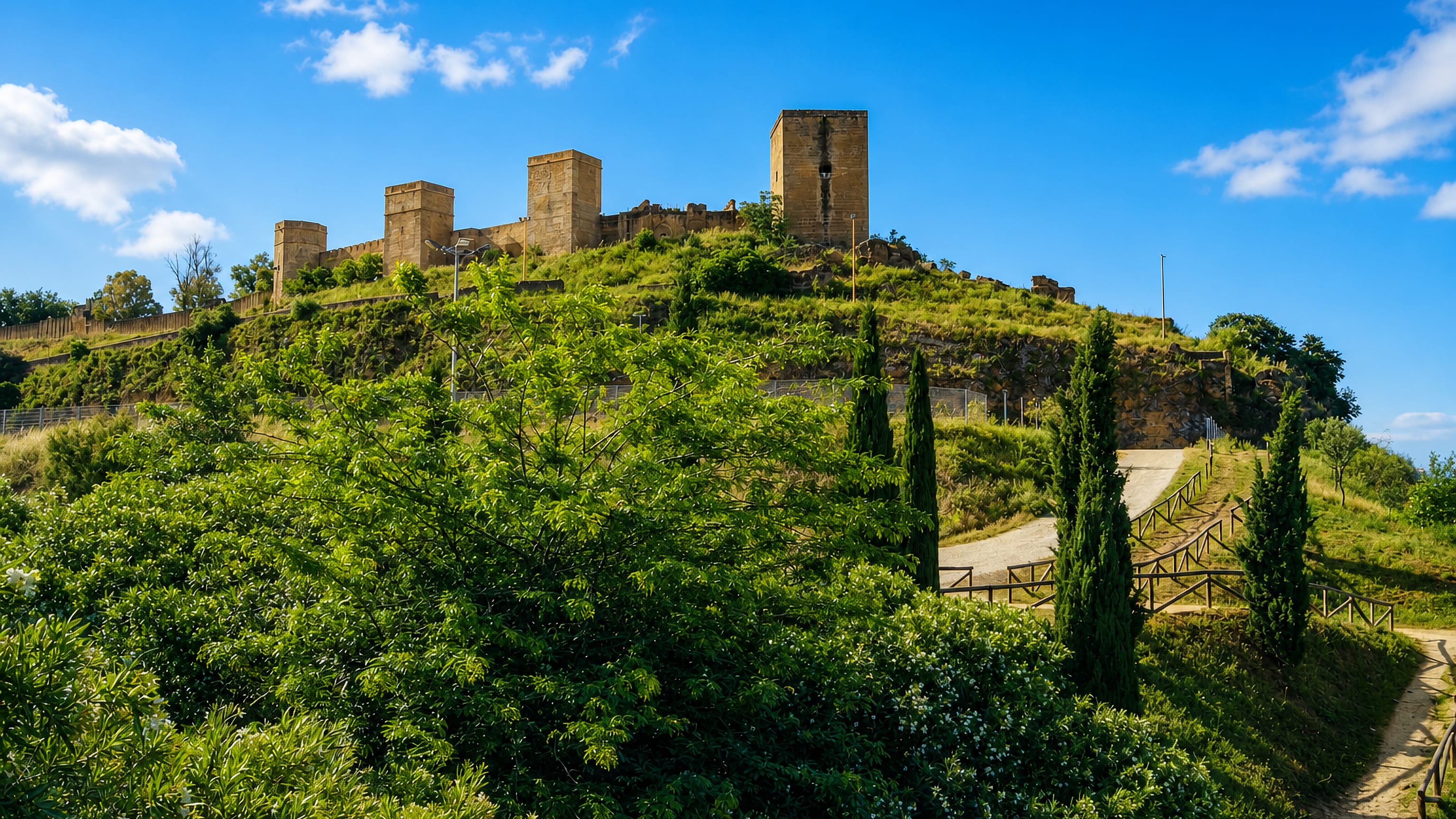
Alcalá de Guadaíra is an Andalusian mill town on the Guadaíra River, once the bread supply of Seville, under a castle and a stretch of town wall.
Hotel links are affiliate links: booking through them may earn us a commission, at no extra cost to you. It never affects how places are ranked. How this works


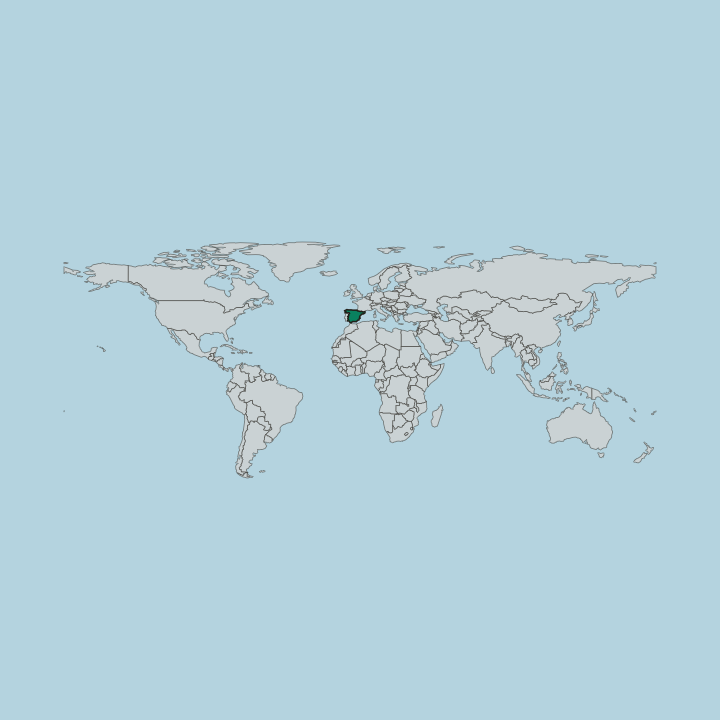
Where to stay in Alcalá de Guadaira
Where visitors usually base themselves, and why.
The Castillo decides the centre. Rooms under the walls put the Muralla urbana, the Iglesia de Santiago and the Museo de Alcalá de Guadaíra within a short walk, and the climb to the castle is the first thing most visitors do with a morning here. The town below is compact.
Take it if you want the old streets rather than a road out. The Sanctuary of Nuestra Señora del Águila stands on its own ground nearby. Villa San José is part of that walk.
Along the river the mills take over. Beds near the Molino de Realaje and the Molino de Cerrajas trade the castle view for the water and the towers of the Molino de Aceña and the Molino del Algarrobo, which is the quieter half of the same town. The walk between the two is short.
Further out the municipality opens into El Gandul and the country around the Castillo de Marchenilla, where a room means a car and a drive back in for anything at all. Seville lies seventeen kilometres off, close enough that plenty of visitors sleep there and come out for the day.
Find hotels in Alcalá de Guadaira
Direct booking searches for these neighbourhoods.
Under the Castillo
The Iglesia de Santiago and the Museo de Alcalá de Guadaíra sit within a short walk of the wallsFind hotels in Under the CastilloQuieter nights beside the Molino de Realaje and the Molino de CerrajasThe mill reach of the Guadaíra
The river towers of the Molino de Aceña and the Molino del Algarrobo line this stretch of waterFind hotels in The mill reach of the GuadaíraDrivers after the Roman ground and the Castillo de MarchenillaOut toward El Gandul
El Gandul holds the Roman necropolis, the Mausoleo Circular and the old quarries beyond the town. Few places to stay nearby — book ahead.Find hotels in Out toward El GandulHotel links are affiliate links: booking through them may earn us a commission, at no extra cost to you. It never affects how places are ranked. How this works
Things to do in Alcalá de Guadaira
Ranked by global recognition; descriptions from Wikidata (CC0).
Museums & Galleries
1- Museo de Alcalá de Guadaíra
Churches & Religious Sites
2- Sanctuary of Nuestra Señora del Águila Heritage
- Iglesia de Santiago
Castles & Historic Sites
7- Castillo de Marchenilla Heritage
- Palace of Gandul Heritage
- El Gandul Heritage
- El Gandul : Cantera de Bencarrón Heritage
- El Gandul : Canteras Heritage
Show 2 more →
- El Gandul : Mausoleo Circular Heritage
- El Gandul : Necropolis romana de la Dehesa Heritage
Landmarks & Notable Places
2- Torre del Molino de Aceña Heritage
- Puente de Gandul (Alcalá de Guadaíra) Heritage
worth knowingacross 4 categories in Alcalá de Guadaira
About Alcalá de Guadaira
Bread built the reputation.
What is Alcalá de Guadaira known for?
The town was once called Alcalá de los Panaderos because it supplied most of Seville's bread, and the watermills that ground the grain still stand along the Guadaíra River as the Molino de Realaje, the Molino de Cerrajas and the towers of the Molino de Aceña and the Molino del Algarrobo. The castle watches from above. Semana Santa fills the same streets each spring, and the Museo de Alcalá de Guadaíra keeps the account of both.
What are the main landmarks in Alcalá de Guadaira?
The Castillo holds the hill. Below it the Muralla urbana still traces the old defensive line, and the Iglesia de Santiago and the Sanctuary of Nuestra Señora del Águila hold the religious ground, while the Castillo de Marchenilla stands apart from the town on its own land. Villa San José stands under its own name.
The Palace of Gandul, the Torre de El Gandul and the Puente de Gandul all carry the name of El Gandul, the area that holds most of the municipality's archaeology.
What is the history of Alcalá de Guadaira?
El Gandul carries the oldest ground. A Roman necropolis at La Dehesa, the Mausoleo Circular, the villa at Las Canteras and the quarries of Bencarrón are all recorded there, together with the sites recorded as Madre de Gandul, and the survey point marked Cota 71 metros sits among them. Stone was cut here early.
The Puente de Gandul later took the road across the same country, and the Castillo de Marchenilla went up out on that side as well. Water made the town. The Guadaíra River drove watermills built in the Moorish period, and several of them survive as the Molino de Realaje, the Molino de Cerrajas, the Torre del Molino de Aceña and the Torre del Molino del Algarrobo, with the Torre de la Membrilla among the same line of structures.
Milling turned into baking. Alcalá de Guadaíra supplied most of Seville's bread and was known for it as Alcalá de los Panaderos, which is a name taken from a trade rather than a family or a saint. The Castillo and the Muralla urbana held the settlement together, while the Iglesia de Santiago and the Sanctuary of Nuestra Señora del Águila gave it its patron and its parish.
Seville then grew outward. Seventeen kilometres proved short enough that the city reached Alcalá de Guadaíra and made a suburb of it, without unmaking the mills along the river. Semana Santa still empties the houses into the streets.
The Museo de Alcalá de Guadaíra holds what is left of the rest.
Where is Alcalá de Guadaira?
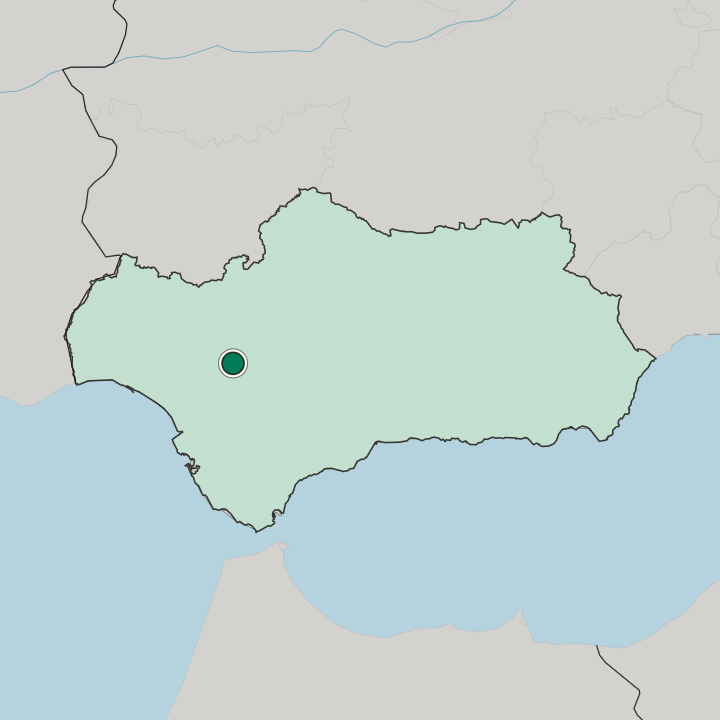
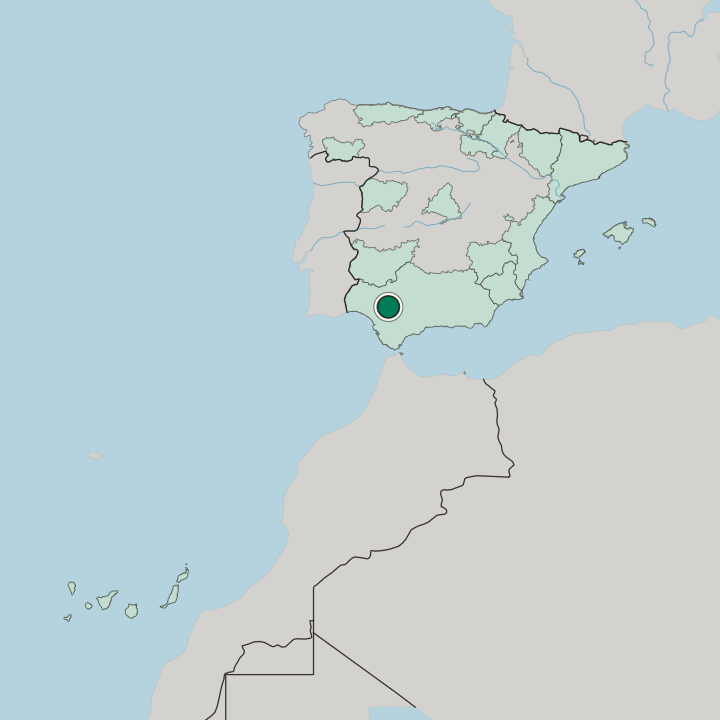
The Guadaíra River shapes the town. Alcalá de Guadaíra stands on its banks, seventeen kilometres from Seville, with the mill towers strung along the water and the Castillo on the height above them. The municipality is wider than the town.
It reaches out across El Gandul and the country around Marchenilla, some two hundred and eighty square kilometres of Andalusia in all.
What is the climate of Alcalá de Guadaira?
Heat is the local fact. Summers inland from Seville run long and hard, and the mill towers along the Guadaíra River stand in full sun from the morning until the light finally leaves the Castillo. Winters are short and mild.
The valley floor beside the water stays cooler than the streets above it.
How do you get to Alcalá de Guadaira?
Seville is seventeen kilometres away. The city has grown out far enough to absorb Alcalá de Guadaíra as a suburb, which means the connection is a short local run rather than a journey, and most arrivals come in on the road from Seville. The Guadaíra River marks the arrival.
Beyond it the mill towers and the Castillo appear together.
Common questions
What is the best area to stay in Alcalá de Guadaira?
Under the Castillo: First visits wanting the castle climb and the Muralla urbana at the door. The mill reach of the Guadaíra: Quieter nights beside the Molino de Realaje and the Molino de Cerrajas. Out toward El Gandul: Drivers after the Roman ground and the Castillo de Marchenilla.
Good for
More cities in Andalusia
Updated October 2026