Spain · Andalusia
Where to Stay in Málaga, Andalusia
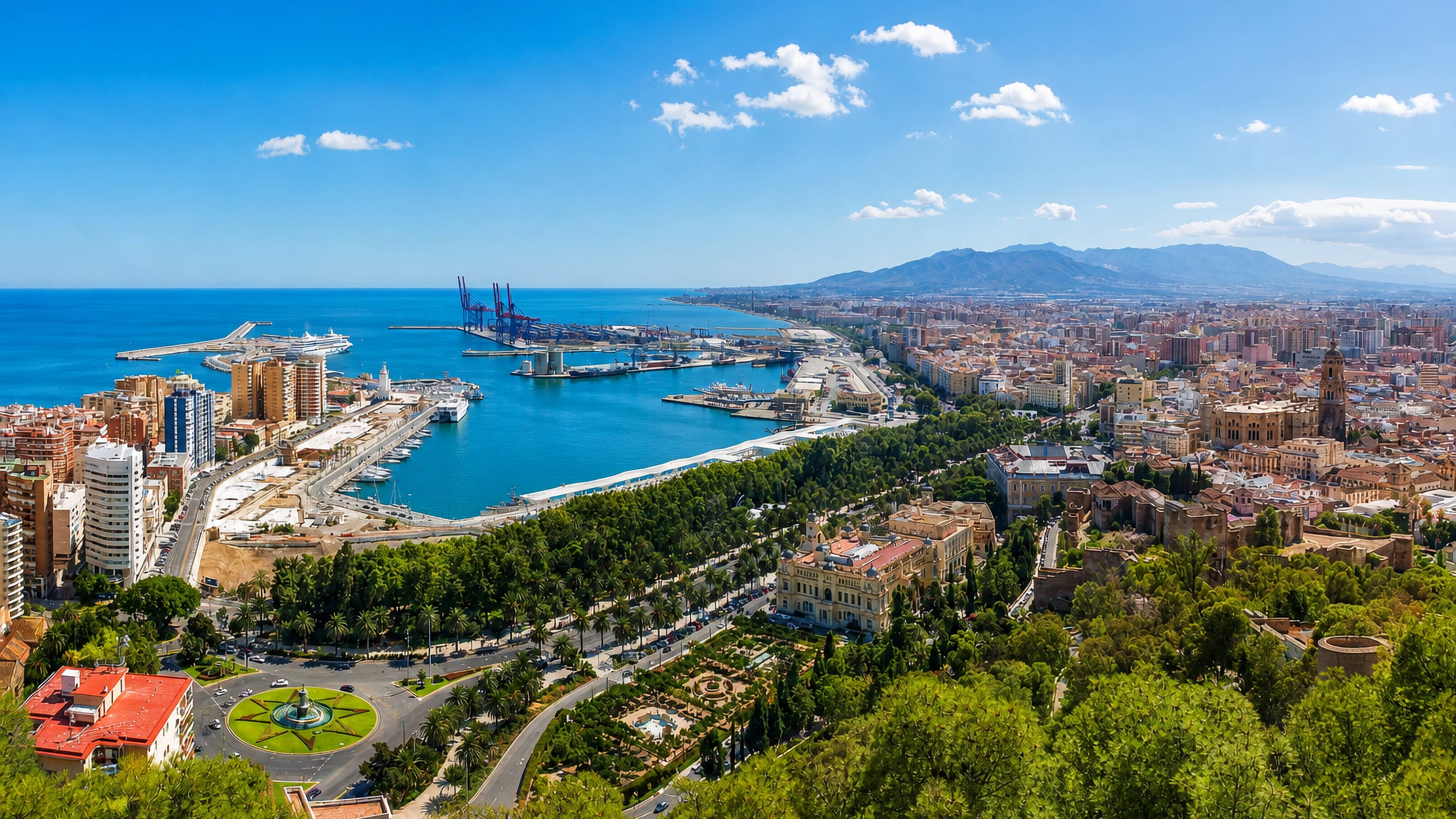
The Roman Theatre of Malaca and the Alcazaba share the old core of Málaga, capital of its province and the largest city on the Costa del Sol.
Hotel links are affiliate links: booking through them may earn us a commission, at no extra cost to you. It never affects how places are ranked. How this works


Where to stay in Málaga
One neighbourhood here has its own guide — here's what it is best for.

 MálagaSpain
Churriana
Málaga Airport sits in Churriana, known on the city's books as District 8 and covering roughly 37 square kilometres.Where to stay →Hotel links are affiliate links: booking through them may earn us a commission, at no extra cost to you. It never affects how places are ranked. How this works
Find hotels in Málaga
Direct booking searches for these neighbourhoods.
The core by the cathedral
The Cathedral Basilica of the Virgin of Incarnation, the Iglesia de Santiago and the Iglesia de Santa María del Sagrario stand in the core that grew between the Gibralfaro Hill and the Guadalmedina.Find hotels in The core by the cathedralWalkers climbing to the Castle of Gibralfaro and the AlcazabaUnder the Gibralfaro
The Castle of Gibralfaro shares its name with the hill above the old town, and the Alcazaba holds the walled ground below it.Find hotels in Under the GibralfaroPainting days between the Museo Picasso Málaga and the painter's birthplaceThe Picasso streets
The Museo Picasso Málaga, the Casa natal de Pablo Ruiz Picasso and the Carmen Thyssen Museum make a full day of painting in the old city.Find hotels in The Picasso streetsContemporary work rather than the older paintingAround the Centro de Arte Contemporáneo de Málaga
The Centro de Arte Contemporáneo de Málaga and the Museum Jorge Rando hold the newer art, and the Museo de Málaga keeps the city's own collection.Find hotels in Around the Centro de Arte Contemporáneo de MálagaMediterranean swimming with the city at the backThe beach front
Málaga's beaches open straight onto the Mediterranean, and the rest of the Costa del Sol runs on from the same shore.Find hotels in The beach frontDrivers wanting flat ground and room to parkThe Guadalhorce side
The built city spread onto the left bank of the Guadalhorce, ground that suits a car better than a walk into the old town.Find hotels in The Guadalhorce sideHotel links are affiliate links: booking through them may earn us a commission, at no extra cost to you. It never affects how places are ranked. How this works
Things to do in Málaga
Ranked by global recognition; descriptions from Wikidata (CC0).
Museums & Galleries
3- Palacio de la Aduana Heritage
- Casa natal de Pablo Ruiz Picasso Heritage
- Museo Picasso Málaga
Churches & Religious Sites
3- Cathedral Basilica of the Virgin of Incarnation Heritage
- Iglesia de Santiago Heritage
- Iglesia de Santa María del Sagrario Heritage
Castles & Historic Sites
5- Alcazaba of Málaga Heritage
- Castle of Gibralfaro Heritage
- Roman Theatre of Malaca Heritage
- Palacio Episcopal Heritage
- Palacio de los Condes de Buenavista Heritage
Parks & Gardens
1- San Rafael Cemetery
Landmarks & Notable Places
1- Calle Torremolinos 19, Málaga
worth knowingacross 5 categories in Málaga
About Málaga
Málaga is known for Picasso.
What is Málaga known for?
The Museo Picasso Málaga and the Casa natal de Pablo Ruiz Picasso both stand in the city where he was born, and the Carmen Thyssen Museum and the Centro de Arte Contemporáneo de Málaga carry the rest of the painting. The coast does the other half of the work. Málaga is the largest city on the Costa del Sol and the transport hub of that coast, with beaches, hiking and the old city inside the same day.
What are the main landmarks in Málaga?
Málaga's oldest landmarks are its fortifications. The Alcazaba holds the walled ground and the Castle of Gibralfaro the hill, while the Roman Theatre of Malaca keeps the Roman name of the town in its own. The Cathedral Basilica of the Virgin of Incarnation leads the churches, with the Church of the Saints Martyrs, the Iglesia de Santiago and San Felipe Neri church behind it.
Palaces fill in the rest: the Palacio de la Aduana, the Palacio Episcopal and the Palacio de los Condes de Buenavista. The Hans Christian Andersen Memorial is the odd one out.
What is the history of Málaga?
Málaga was Malaca before it was Málaga. The Roman Theatre of Malaca carries the older name, and the town it served grew in the space between the Gibralfaro Hill and the Guadalmedina, which is where the old city still stands. The Alcazaba came later, a walled citadel on that same ground, and the Castle of Gibralfaro shares its name with the hill above.
After the citadels come the churches. The Cathedral Basilica of the Virgin of Incarnation, the Iglesia de Santa María del Sagrario and the Church of the Saints Martyrs belong to the Christian city that followed, and the Palacio Episcopal and the Palacio de la Aduana to the administration that arrived with it. Pablo Ruiz Picasso was born here.
The Casa natal de Pablo Ruiz Picasso marks the house, and the Museo Picasso Málaga answers it from across the old city. What changed everything else was the Costa del Sol, whose new construction and visitor-facing hotels turned a provincial capital into the transport hub of an entire coast. Málaga stays the capital of its province and the second city of Andalusia.
Where is Málaga?
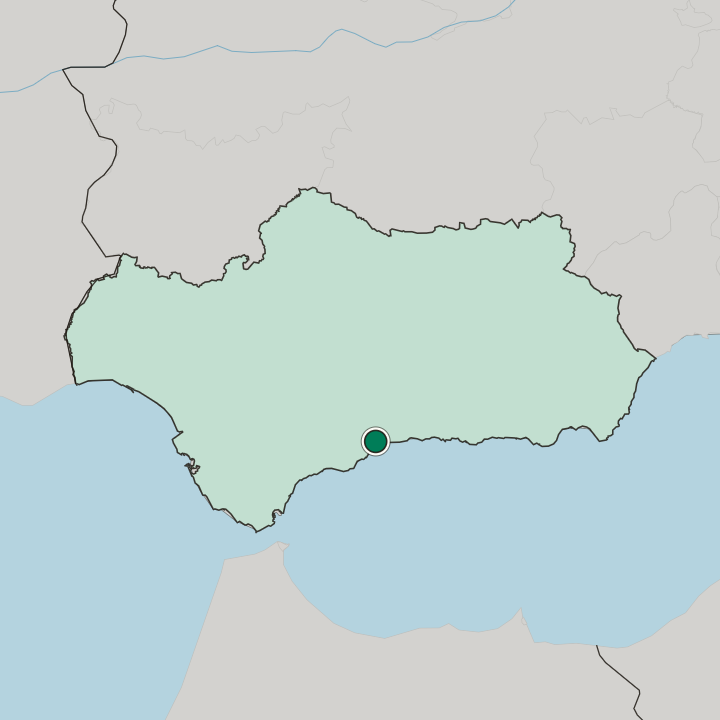
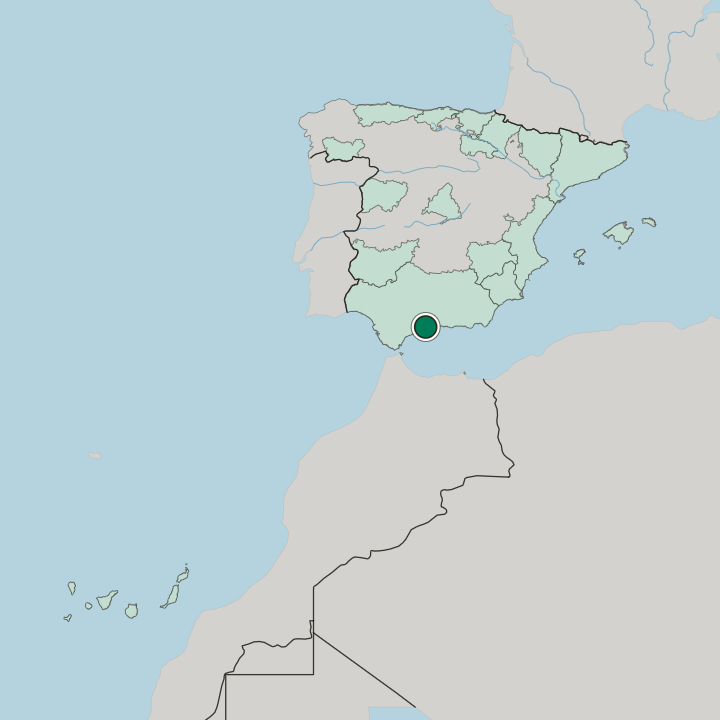
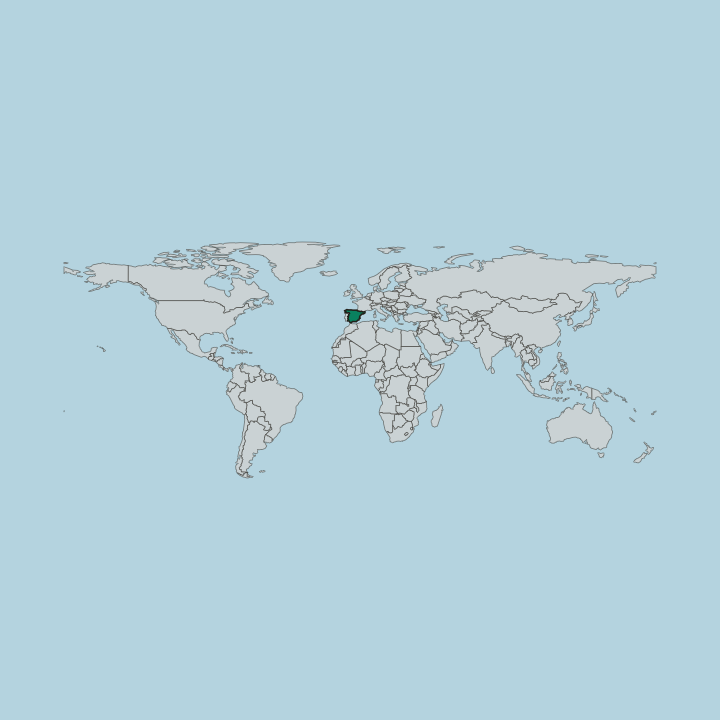
Málaga faces the Mediterranean. The city stands in Southern Iberia on the Costa del Sol, mostly on the left bank of the Guadalhorce, with its old core in the space between the Gibralfaro Hill and the Guadalmedina. Andalusia lies behind it, and the province of Málaga takes its name from the city at its head.
The rest of the Costa del Sol continues along the same shore.
What is the climate of Málaga?
The Mediterranean sets Málaga's year. Sea air keeps the winters mild along this shore, and the summers run long and dry enough for the coast itself to have taken the name Costa del Sol. Most rain arrives in the cooler half.
Beaches and hiking stay usable across most of the year, which is the whole basis of the coast's trade.
How do you get to Málaga?
Málaga is the transport hub of the Costa del Sol. Traffic for the whole coast passes through the city, which is why a stay in one of the resorts along that shore usually begins here rather than at the resort itself. The rest of Andalusia lies inland.
Madrid and Barcelona are the larger Spanish cities, and Málaga keeps a slower pace than either.
Common questions
What is the best area to stay in Málaga?
The core by the cathedral: First stays on the ground the town first grew on. Under the Gibralfaro: Walkers climbing to the Castle of Gibralfaro and the Alcazaba. The Picasso streets: Painting days between the Museo Picasso Málaga and the painter's birthplace. Around the Centro de Arte Contemporáneo de Málaga: Contemporary work rather than the older painting. The beach front: Mediterranean swimming with the city at the back. The Guadalhorce side: Drivers wanting flat ground and room to park.
Good for
More cities in Andalusia
Updated October 2026