Spain · Andalusia
Where to Stay in Córdoba, Andalusia
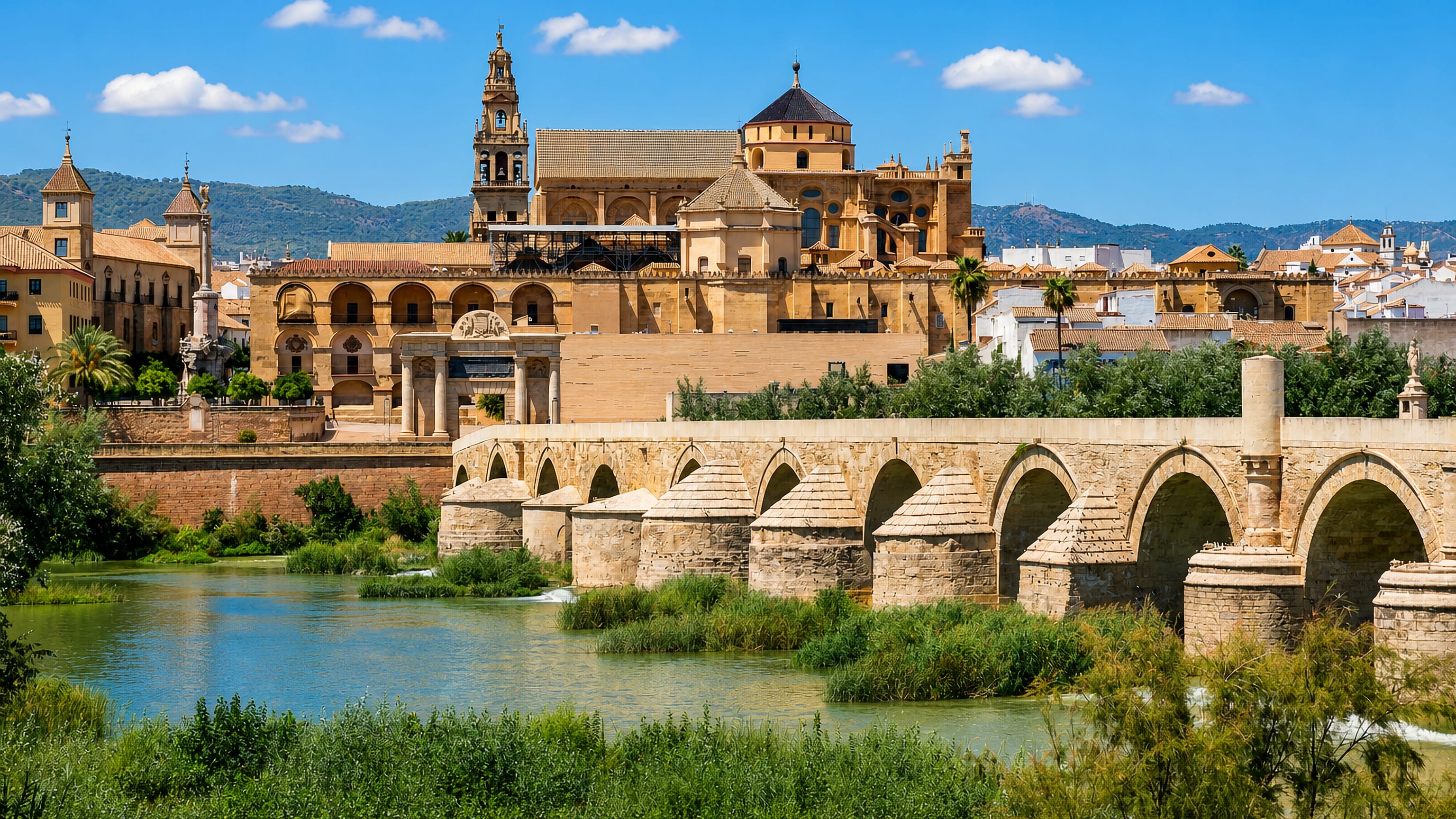
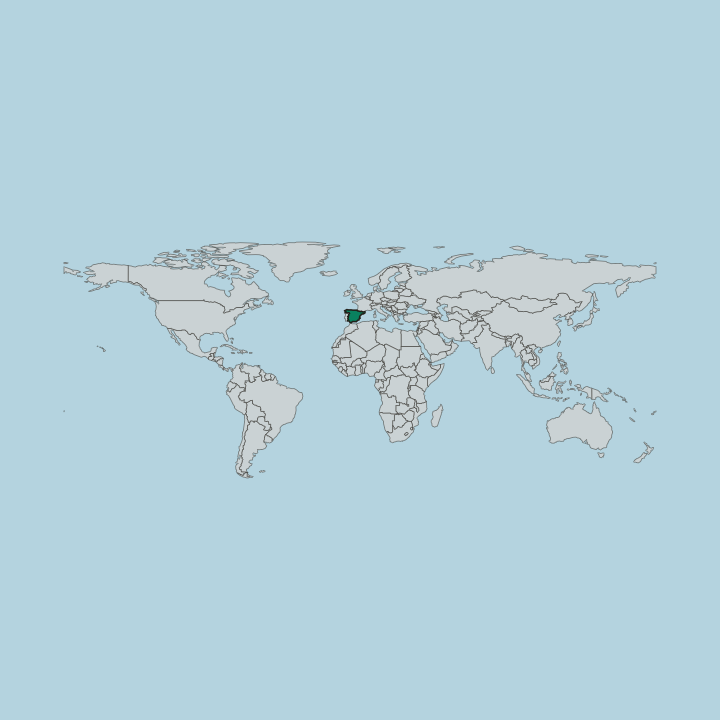
Whitewashed courtyards ring the Mezquita in Córdoba, a city in the centre of Andalusia, Spain, and the capital of its own province.
Hotel links are affiliate links: booking through them may earn us a commission, at no extra cost to you. It never affects how places are ranked. How this works


Where to stay in Córdoba
Where you base yourself shapes the visit — here's the character of each area.

 CórdobaSpain
Ollerías
Ollerías is a barrio on the north edge of Córdoba's Distrito Centro, where the Avenida de las Ollerías runs on the line of the old Axerquía wall.Where to stay →CórdobaSpainSanta Marina
Buttresses front the Plaza del Conde de Priego in Santa Marina, a barrio in the north of Córdoba's Distrito Centro, built around a fernandina church.Where to stay →CórdobaSpainSan Lorenzo
San Lorenzo is a barrio in the west of Córdoba's Centro district, named for the church at its heart.Where to stay →CórdobaSpainCentro District
Whitewashed lanes narrow toward the Mezquita-Catedral in Centro District, the central district of Córdoba, Spain, known for its Judería and its patios.Where to stay →CórdobaSpainLa Magdalena
La Magdalena is a small barrio in the west of Córdoba's Centro district, named for its church.Where to stay →CórdobaSpainHuerta de la Reina
A brick mill chimney stands over the Jardines Virgen de la Estrella at Huerta de la Reina, a railway-era barrio in Córdoba's Distrito Noroeste.Where to stay →CórdobaSpainFuensanta
Blocks of four to eight storeys rise over Plaza de la Juventud in Fuensanta, a planned barrio of Córdoba in the Distrito Sureste, east of the old centre.Where to stay →CórdobaSpainSureste District
Sureste is the south-eastern district of Córdoba, running from the Guadalquivir out to the ronda de Levante.Where to stay →CórdobaSpainBarriada Las Moreras
Brick arcades ring the interior patios of Barriada Las Moreras, a barrio of Córdoba's Distrito Noroeste rebuilt block by block after 1983.Where to stay →CórdobaSpainCatedral
Catedral is the barrio of Córdoba that holds the Mezquita-Catedral, on the bank of the Guadalquivir.Where to stay →CórdobaSpainhistoric centre of Córdoba
The historic centre of Córdoba is the old town of Córdoba, Spain, built around the Mosque-Cathedral of Córdoba and the Puente romano.Where to stay →CórdobaSpainBarriada de Cañero
Palms and a fountain fill Plaza de Cañero, the centre of Barriada de Cañero, a 1950s barrio of low single-family houses in Córdoba's Distrito Sureste.Where to stay →All neighbourhoods (37)
CórdobaSpainLevante District
The Fuente de Canaletas, an iron gift from Barcelona, marks the west edge of Levante District, the eastern district of Córdoba, Spain.Where to stay →CórdobaSpainCampo de la Verdad-Miraflores
Terraces drop to the Guadalquivir at Campo de la Verdad-Miraflores, a barrio of Córdoba's Distrito Sur named for a battle fought on its ground.Where to stay →CórdobaSpainLas Margaritas
A wall of grey granite rings the bus station at Las Margaritas, a barrio of Córdoba's Distrito Noroeste that grew up around foundries and the railway.Where to stay →CórdobaSpainCiudad Jardín
Brick and glazed tile front the Rectorado de la Universidad de Córdoba in Ciudad Jardín, a barrio of Córdoba, Spain, laid over a buried Roman arena.Where to stay →CórdobaSpainSan Basilio
Whitewashed patio houses line three straight streets in San Basilio, a walled quarter of Córdoba, Spain, holding the Alcázar de los Reyes Cristianos.Where to stay →CórdobaSpainNorte-Sierra
Norte-Sierra, Córdoba's northern district, asked for a wood and got one: the Parque de la Asomadilla, 27 hectares of hawthorn and holm oak.Where to stay →CórdobaSpainFray Albino
The Guadalquivir runs along the north and east edges of Fray Albino, a left-bank barrio of Córdoba laid out from 1947 behind the Torre de la Calahorra.Where to stay →CórdobaSpainNoroeste District
Noroeste is one of the ten districts of Córdoba, the north-western quarter, and it was called Norte-Centro before the name changed.Where to stay →CórdobaSpainPoniente Sur
Poniente-Sur is the south-western district of Córdoba, held between the railway line and the Guadalquivir.Where to stay →CórdobaSpainSur District
The Guadalquivir bends round Sur District on two sides, a district of Córdoba on the left bank that begins at the Torre de la Calahorra.Where to stay →CórdobaSpainParque Cruz Conde
A signposted running circuit crosses fourteen hectares of park in Parque Cruz Conde, a barrio of Córdoba, Spain, laid out over the Colina de los Quemados.Where to stay →CórdobaSpainSector Sur
A fountain holds the centre of Plaza de Andalucía in Sector Sur, a planned quarter of Córdoba, Spain, whose streets carry the names of Andalusian towns.Where to stay →CórdobaSpainEl Brillante
Chalets and garden walls climb the sierra slope at El Brillante, a hillside barrio of Córdoba strung along the slow rise of Avenida del Brillante.Where to stay →CórdobaSpainElectromecánicas
A clock and blue tiles ride the bell tower of Nuestra Señora del Rosario in Electromecánicas, a copper company's barrio in western Córdoba, Spain.Where to stay →CórdobaSpainGuadalquivir
Avenida de Cádiz runs the length of Guadalquivir, a left-bank barrio of subsidised flats in Córdoba, Spain, its streets named for the Libertadores.Where to stay →CórdobaSpainPoniente Norte
Company houses line Avenida de la Fábrica in Poniente Norte, the northwest district of Córdoba, where a copper company raised a barrio at its factory gate.Where to stay →CórdobaSpainAlcolea
Alcolea is a district of Córdoba, Spain, on the Guadalquivir at the nineteen-arch bridge the Castillo de la Isabela looks down on.Where to stay →CórdobaSpainSanta María de Trassierra
Holm oak and cork oak shade Santa María de Trassierra, a village of Córdoba in the Sierra Morena above the lower Guadiato, known for its listed church.Where to stay →CórdobaSpainVillarrubia
Villarrubia runs between the A-431 and the railway west of Córdoba, Spain, a barriada that grew around a sugar factory and its own station.Where to stay →CórdobaSpainCerro Muriano
Cerro Muriano is a barriada shared by Córdoba and Obejo, where the Museo del Cobre keeps the record of its copper mining.Where to stay →CórdobaSpainEncinarejo
Flat river farmland surrounds Encinarejo, a district of Córdoba, Spain, laid out on a grid beside the Guadalquivir in the 1940s.Where to stay →CórdobaSpainSanta Cruz
Santa Cruz is a farming barriada of Córdoba, a kilometre north of the Guadajoz, where the silo de Santa Cruz marks the N-432 road to Granada.Where to stay →CórdobaSpainMiralbaida
Soleá, Copla, and Verdiales name streets in Miralbaida, a barrio of 1982 housing blocks in the Poniente Norte district of Córdoba, Spain.Where to stay →CórdobaSpainSagunto (Córdoba)
Twelve cross-plan blocks named for the apostles stand off Calle Sagunto, in Sagunto, a barrio of Córdoba's Distrito Levante.Where to stay →CórdobaSpainSantuario
Ranks of five blocks run back from Avenida Virgen del Mar in Santuario, an eastern barrio of Córdoba built from 1968 in the Distrito Sureste.Where to stay →Hotel links are affiliate links: booking through them may earn us a commission, at no extra cost to you. It never affects how places are ranked. How this works
Find hotels in Córdoba
Direct booking searches for these neighbourhoods.
The historic quarter around the Mezquita
Small streets, alleys, squares and whitewashed courtyards run right up to the walls of the Mezquita.Find hotels in The historic quarter around the MezquitaWider blocks and a quieter night still inside the cityThe parish-church streets
The Iglesia de San Lorenzo Mártir, the Iglesia de Santa Marina de Aguas Santas and the Iglesia de San Pablo mark the plainer Córdoba past the old quarter.Find hotels in The parish-church streetsDistance from the monument crowds, paid for in walkingBeyond the Puente romano
The Puente romano is the crossing, and the far bank holds the historic quarter at arm's length.Find hotels in Beyond the Puente romanoHotel links are affiliate links: booking through them may earn us a commission, at no extra cost to you. It never affects how places are ranked. How this works
Things to do in Córdoba
Ranked by global recognition; descriptions from Wikidata (CC0).
Museums & Galleries
4- Museo Arqueológico de Córdoba Heritage
- Museo Julio Romero de Torres Heritage
- Museum of Fine Arts of Córdoba Heritage
- Museo del Cobre Heritage
Churches & Religious Sites
8- Mosque-Cathedral of Cordoba UNESCO
- Iglesia de San Lorenzo Mártir Heritage
- Iglesia de Santa Marina de Aguas Santas Heritage
- Iglesia de San Pablo Heritage
- Iglesia de San Nicolás de la Villa Heritage
Show 3 more →
- Iglesia de San Pedro Apóstol Heritage
- church of San Miguel Heritage
- Iglesia de la Magdalena Heritage
Castles & Historic Sites
8- Alcázar de los Reyes Cristianos Heritage
- Puente romano Heritage
- Templo romano calle Claudio Marcelo Heritage
- Archaeological site of Cercadilla Heritage
- Palacio de los Villalones Heritage
Show 3 more →
- Canteras de Santa Ana de la Albaida Heritage
- Castillo de la Isabela Heritage
- Pozo de Mina San Lorenzo Heritage
Landmarks & Notable Places
3- Torre de la Calahorra Heritage
- Casa del Bailío Heritage
- Casa Azofra
worth knowingacross 4 categories in Córdoba
About Córdoba
What is Córdoba known for?
Córdoba is known for the Mosque-Cathedral of Córdoba, the building the rest of the city arranges itself around. The Mezquita is its short name. World Heritage listing covers the historic quarter that surrounds it, a net of small streets, alleys, squares, and whitewashed courtyards holding the Alcázar de los Reyes Cristianos, the Puerta de Almodóvar, and the Puente romano.
Rome and Islam both left their marks here. The Templo romano calle Claudio Marcelo survives from the first of them, and the medieval city held a prominent place in the Islamic world.
What are the main landmarks in Córdoba?
Córdoba's landmarks stack by era. The Templo romano calle Claudio Marcelo and the Mausoleo romano Puerta Gallegos are what Rome left, the Mosque-Cathedral of Córdoba and the Puerta de Almodóvar carry the Islamic centuries, and the Alcázar de los Reyes Cristianos belongs to the Christian ones. Churches fill the ground between them: the Iglesia de San Lorenzo Mártir, the church of San Miguel, the Iglesia de Santa Marina de Aguas Santas, and the Iglesia de San Pablo.
The Puente romano still carries people over the water. Torre de la Calahorra, Torre de Belén, and the Palacio de los Villalones hold the rest of the secular stonework.
What is the history of Córdoba?
Córdoba's history is legible in three layers of stone. Rome is the bottom one. The Templo romano calle Claudio Marcelo and the Mausoleo romano Puerta Gallegos survive from the Roman town, and the Puente romano still crosses the water on the line the Romans chose for it.
Islam built the layer above that, and the building the city is still known by. The Mosque-Cathedral of Córdoba went up in them, the Puerta de Almodóvar belongs to the walls of that town, and the medieval city held a prominent place in the Islamic world. Castile wrote the third layer over the second.
The Alcázar de los Reyes Cristianos, the Iglesia de San Lorenzo Mártir, the Iglesia de Santa Marina de Aguas Santas, and the Iglesia de San Pablo are its buildings, and the mosque was converted rather than demolished, which is why one monument still carries two names in a single title. Later Córdoba built its record keepers. The Museo Arqueológico de Córdoba, the Museum of Fine Arts of Córdoba, the Museo Julio Romero de Torres, and the Filmoteca de Andalucía hold what the layers left behind, while the Casa del Bailío and the Palacio de los Villalones are the town palaces that survived them.
Where is Córdoba?
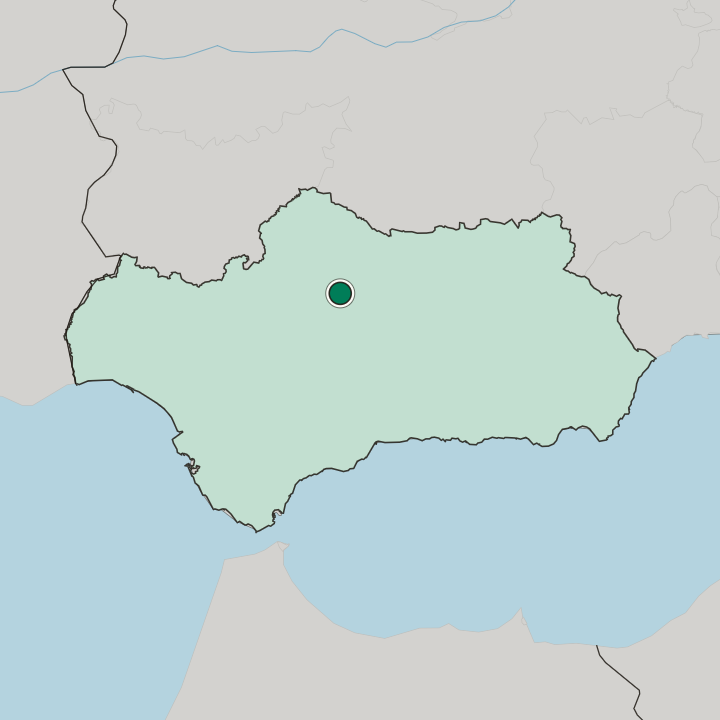
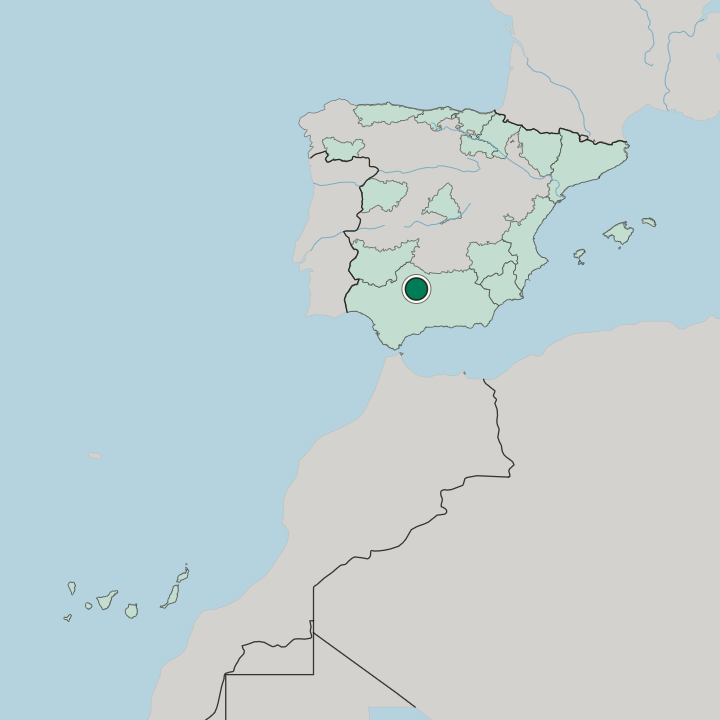
Córdoba stands in the centre of Andalusia, well inland of any coast, with the Puente romano carrying the old road over the water. Flat ground, tight streets. The historic quarter is a dense net of alleys and squares that a walker crosses in minutes, while the rest of the city spreads out beyond it in ordinary blocks.
Córdoba is the capital of its province, and the province takes the city's name.
What is the climate of Córdoba?
Distance from the sea decides Córdoba's weather. Nothing moderates the centre of Andalusia, so the summers run long and dry while the winters stay short and wet, and the whitewashed courtyards of the historic quarter are the local answer to the first of those. Shade is architecture here.
The alleys are narrow for the same reason the courtyards are white.
How do you get to Córdoba?
Córdoba sits in the middle of Andalusia, which puts it on the way between the region's coast and its interior rather than at the end of any line. The old entrances are still standing. The Puente romano carried the road over the water and into the city, and the Puerta de Almodóvar is the surviving gate of the wall that road ran up against.
Arrivals now reach a city that has long outgrown both, and every route still finishes at the historic quarter.
Common questions
What is the best area to stay in Córdoba?
The historic quarter around the Mezquita: Standing at the Mosque-Cathedral of Córdoba when it opens. The parish-church streets: Wider blocks and a quieter night still inside the city. Beyond the Puente romano: Distance from the monument crowds, paid for in walking.
Good for
More cities in Andalusia
Updated October 2026